






By PYMNTS
July 16, 2026
In a significant move to solidify its dominance in the digital grocery infrastructure, Instacart announced on Thursday, July 16, 2026, the acquisition of Arpalus, a specialist in computer vision and shelf intelligence technology. This acquisition marks another milestone in Instacart’s ongoing evolution from a simple delivery app into a comprehensive, AI-driven retail technology ecosystem. By integrating Arpalus’s advanced vision capabilities, Instacart aims to bridge the persistent gap between physical store inventory and digital availability, promising a future where "out-of-stock" notifications become a relic of the past.
The Core Acquisition: Solving the Inventory Blind Spot
At the heart of the retail industry lies an age-old problem: the "inventory gap." Despite sophisticated enterprise resource planning (ERP) systems, retailers frequently struggle to maintain a perfectly accurate, real-time picture of what is actually on their shelves. This disconnect causes friction in eCommerce fulfillment, leads to lost sales, and frustrates customers who order items that appear available online but are missing in the aisles.
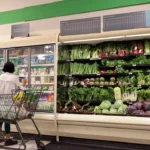
Arpalus, a computer vision startup, has built a platform specifically designed to tackle this challenge. Their technology, which is purpose-built for the unique nuances of grocery retail, transforms simple video streams into granular, actionable data. According to company documentation, when a smartphone or camera-equipped device scans a store shelf, Arpalus’s AI can map the items and determine inventory levels with greater than 95% accuracy.
By folding Arpalus into its enterprise suite, Instacart is effectively turning its massive network of 600,000 shoppers into a dynamic, mobile sensor array. These shoppers, who visit large-format grocery stores over 15 times per day on average, will now act as the primary agents for data collection, continuously updating the "shelf truth" for the entire Instacart ecosystem.
Chronology of Strategic Expansion
The acquisition of Arpalus is not an isolated event; it is the latest chapter in a multi-year, aggressive strategy by Instacart to vertically integrate its retail technology stack. The company’s recent trajectory demonstrates a clear focus on "Physical AI"—the application of artificial intelligence to the tangible world of brick-and-mortar retail.
- May 2025: The Wynshop Integration. Instacart’s acquisition of Wynshop provided the company with a robust eCommerce platform tailored for grocers. This move signaled Instacart’s intent to become the primary operating system for the modern supermarket, allowing them to manage everything from website front-ends to backend fulfillment logic.
- April 2026: International Growth with Instaleap. Only three months prior to the Arpalus deal, Instacart acquired the Colombian firm Instaleap. This move was explicitly aimed at facilitating international expansion and bolstering their technical capabilities in marketplace integration and fulfillment services. It marked a transition from a North American powerhouse to a global technology provider.
- July 2026: The Arpalus Acquisition. By acquiring Arpalus, Instacart moves from managing the order to managing the environment. By capturing the visual reality of the store shelf, Instacart is now positioning itself to provide the data layer that will power both the next generation of online shopping and the automated in-store experience.
Supporting Data and Technical Capability
The technological synergy between Instacart and Arpalus hinges on three distinct pillars:
1. The Power of the Shopper Network
With 600,000 active shoppers, Instacart possesses the largest distributed camera network in the retail industry. By empowering these shoppers to scan shelves during their routine fulfillment tasks, Instacart can generate real-time shelf intelligence without the need for expensive, static infrastructure like shelf-mounted sensors.
2. Caper Carts and Computer Vision
Beyond the smartphone, Instacart will integrate Arpalus’s technology into its Caper Carts. These smart carts, which utilize external cameras and advanced sensors as they traverse aisles, provide a constant, moving eye on inventory. By combining the data from these carts with the crowdsourced data from human shoppers, Instacart creates a multi-layered verification system for stock levels.
3. The Enterprise Data Pipeline
The intelligence gathered by Arpalus will not sit in a silo. It will be fed directly into:
- Instacart Marketplace: Providing customers with the most accurate inventory data before they place an order.
- Storefront Pro: Offering retailers a dashboard that highlights replenishment needs and shelf-space optimization opportunities.
- Store View: Enhancing the digital representation of the store, allowing retailers to maintain a "digital twin" of their physical inventory.
Official Responses: Aligning the Vision
The leadership teams of both companies have framed the acquisition as a transformative moment for the retail industry.
David McIntosh, Instacart’s Chief Connected Stores Officer, emphasized the role of Physical AI in the deal. "The Arpalus team has spent years building exceptional shelf intelligence technology, solving the problem of understanding what’s actually on store shelves, at any given moment," McIntosh stated. "With our leadership in Physical AI for grocery retail and by activating our network of shoppers, we can feed even more accurate shelf information back into our models, delivering better outcomes for customers, shoppers, and our retail and brand partners."
Ofir Zilberberg, Founder and CEO of Arpalus, echoed this sentiment, highlighting the scale factor. "Joining Instacart is a transformative milestone," Zilberberg noted. "By combining Arpalus’s AI innovation with Instacart’s scale and retail reach, we are accelerating the future of intelligent retail and redefining how stores operate."
Implications: The Future of the Grocery Store
The acquisition of Arpalus carries profound implications for the retail landscape, moving the industry closer to a state of "Retail Autonomy."
Improved Consumer Experience
For the end-user, this means a significant reduction in the dreaded "substitution" scenario. If the system knows with >95% accuracy that a specific brand of cereal is out of stock before the shopper even arrives, the app can proactively suggest an alternative or remove the item from the potential cart, preventing post-order disappointments.
Operational Efficiency for Retailers
For retailers, the value proposition is even higher. Current inventory management is often manual, slow, and prone to human error. By automating the auditing process through Arpalus’s computer vision, retailers can optimize labor costs, reduce food waste, and ensure that high-margin items are always front-and-center.
Data as a Currency
Perhaps most importantly, Instacart is positioning itself as the ultimate data broker in the grocery sector. By providing retailers with deep insights into shelf performance, Instacart moves from being a delivery service to an essential analytical partner. Retailers will no longer just use Instacart to move products; they will use it to understand how their stores perform at a granular, molecular level.
The Competitive Landscape
This move puts increased pressure on competitors who rely on traditional, manual inventory methods or less sophisticated software solutions. As Instacart continues to build a closed-loop system—where the shopper, the cart, and the software all share a single source of truth—the barrier to entry for smaller, independent retail tech players becomes significantly higher.
Conclusion
The acquisition of Arpalus is a clear indicator that the "Battle for the Shelf" is shifting from physical space to digital intelligence. By betting heavily on computer vision, Instacart is signaling that the future of retail is not just about moving goods from point A to point B, but about mastering the data that defines the shopping experience. As we look toward the remainder of 2026 and beyond, it is evident that Instacart’s "Connected Stores" strategy is moving at a breakneck pace, and with the addition of Arpalus, they are closer than ever to creating a seamless, real-time, and perfectly informed retail environment.