









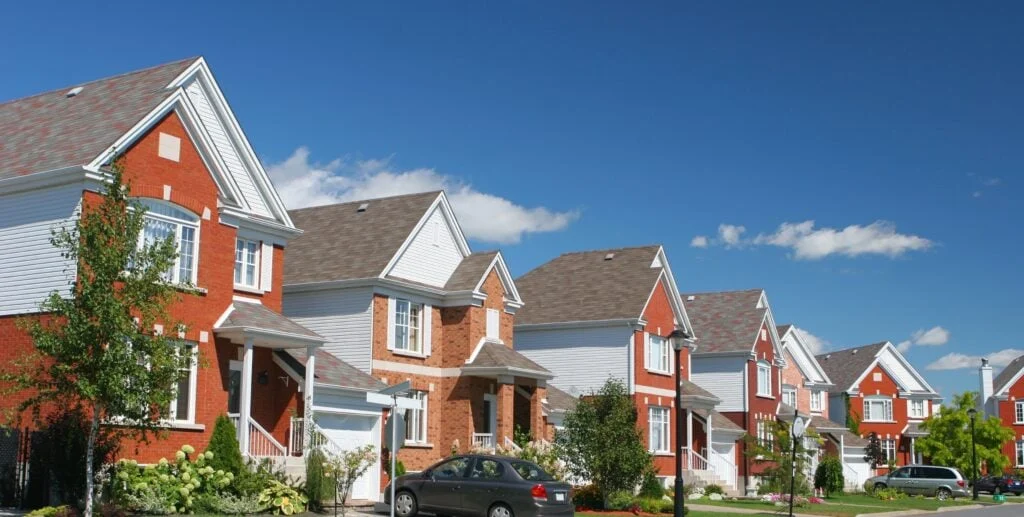
The long-standing narrative of the U.S. housing market has been defined by one singular, painful theme: scarcity. For nearly two decades, the inability of supply to meet the demands of a growing population—exacerbated by the post-2008 construction collapse and the pandemic-era buying frenzy—has kept home prices and rents in a state of perpetual climb.
However, a transformative new report from the Mortgage Bankers Association (MBA), titled “Implications of a Persistent Slowing Housing Demand,” suggests that the era of chronic under-supply may be nearing an end. As demographic shifts collide with a surge in new construction, the market is bracing for a potential glut. For real estate investors, this transition represents a double-edged sword: a cooling market that threatens short-term equity gains, but also one that offers unprecedented leverage for those looking to acquire high-quality assets at a discount.
The Core Data: A Surplus on the Horizon
The MBA’s analysis, co-authored by chief economist Mike Fratantoni, paints a picture of a market entering a long-term structural realignment. The report projects that over the next two decades, the U.S. housing market will add approximately 23 million new units. While this sounds like a massive undertaking, the projected demand—calculated based on shifting household formation rates, fertility trends, and immigration patterns—is only 19.4 million units.
This delta of 3.6 million units represents a fundamental shift. For years, the industry operated under the assumption of a 7-million-home shortfall. As that gap narrows, the “pricing roller coaster” that defined the early 2020s is beginning to stabilize, and in some regions, tilt toward a buyer’s market.
A Chronology of the Shift: From Shortage to Stagnation
To understand where we are going, we must look at how we arrived here. The chronology of the current market cycle is critical:
- 2008–2018 (The Era of Under-building): The Great Recession decimated the construction industry. For a decade, new home starts were historically low, creating a "hidden" supply deficit that would later explode into a full-blown crisis.
- 2020–2022 (The Pandemic Tipping Point): Record-low mortgage rates and a sudden shift toward remote work triggered a massive spike in housing demand. Prices and rents skyrocketed as inventory evaporated.
- 2023–2025 (The Construction Response): Builders, incentivized by high prices, poured capital into the Sunbelt and other growth corridors. Large-scale multifamily and single-family developments began to break ground in record numbers.
- 2026 (The Current Reality): The "demand-side" of the equation has begun to buckle under the weight of sustained inflation and high interest rates. Projects that were greenlit two years ago are now hitting the market just as buyers are pulling back, creating a localized glut of inventory.
Supporting Data: The Builder Sentiment Crisis
The shift in momentum is most visible in the current behavior of homebuilders. According to the latest Wells Fargo Housing Market Index (HMI), builder sentiment has remained in a defensive posture for over a year. The data reveals a clear trend of desperation among developers:
- Price Reductions: In June 2026, 35% of builders reported cutting home prices—a consistent increase from previous months.
- Sales Incentives: A staggering 62% of builders are now utilizing incentives, such as mortgage rate buydowns, finished basements, and upgrades, to close deals. This marks 15 consecutive months of high-incentive activity.
- Sales Volume: New home sales fell by 7.3% in May, signaling that the "spring selling season" did not meet developer expectations.
Christopher Rupkey, chief economist at FWDBONDS, notes that while the "housing price bubble" is still inflating, the rate of growth is slowing dramatically. Outside of specific, high-demand regional hubs, the market is seeing a clear ceiling on what the average consumer can afford.
Official Responses and Economic Outlook
The consensus among major financial institutions is that the "inflation-affordability" trap is the primary hurdle for the housing sector. As Fitch Ratings noted in a recent outlook, the persistence of inflation is keeping mortgage rates elevated, which directly erodes the purchasing power of the average American.
Mike Fratantoni of the MBA summarized the outlook during a recent press release: “While affordability challenges remain significant, MBA’s research highlights the importance of looking beyond today’s market conditions to understand the long-term forces shaping housing demand. These findings can help industry participants and policymakers better prepare for future changes in housing and mortgage market dynamics.”
This sentiment is echoed by Stephen Stanley, chief U.S. economist at Santander U.S. Capital Markets, who bluntly suggests that builders may have "jumped the gun." With demand remaining tepid, the market is likely to see a period of stagnation through the remainder of the year, with any meaningful recovery potentially pushed into 2027.
Implications for Small Investors
For the individual real estate investor, this environment requires a pivot in strategy. The days of "buying anything" to capture rapid appreciation are likely over. Here is how investors should position themselves:
1. Leverage the Builder’s Need
Because builders are currently incentivized to move inventory, they are more willing to negotiate than they have been in years. Investors should specifically target "stale" inventory—homes that have been sitting on the market for more than 60 days. Builders are often more interested in offloading debt and moving to the next project than holding out for a top-tier price.
2. Prioritize Cash Flow Over Speculation
With the potential for lower price growth, the "buy-and-hold" strategy must prioritize immediate cash flow. Newer construction offers a distinct advantage here: lower maintenance costs and higher appeal to the rental market. Investors should run rigorous cash-flow analyses based on current rental yields rather than betting on future equity gains.
3. Beware of the "Rate Trap"
A common refrain from sellers and agents is, "When rates come down, this property will be worth much more." Investors must ignore this speculation. Base your offer on the current interest rate environment. If the numbers don’t work at 7% or 8% interest, the deal is not a deal. Never base an acquisition strategy on the hope of a future Federal Reserve pivot.
4. Target the "Starter Home" Segment
While luxury housing is seeing the most significant supply increase, there remains a persistent demand for smaller, more affordable units. The data shows that homes under $300,000—typically townhouses or duplexes—are moving faster than larger, single-family luxury homes. These properties are less likely to see massive price cuts, but they offer the most stable rental demand.
Conclusion: A New Era for Real Estate
The housing market is currently undergoing a painful but necessary correction. The transition from a period of extreme scarcity to one of surplus—driven by long-term demographic shifts and a surge in new builds—will fundamentally change the investing landscape.
Investors who can remain disciplined, avoid the temptation of over-leveraging, and capitalize on the current desperation of homebuilders will find themselves in an enviable position. While the broader market may face a "glut" that exerts downward pressure on prices, this is not a catastrophe; it is a market rebalancing. By focusing on fundamental cash flow and negotiating from a position of strength, the savvy investor can turn a period of housing market uncertainty into a decade of sustainable growth.
As a reminder, for those looking to stay ahead of these shifting trends, consider joining industry leaders at BPCON2026. Use code MYRE100 at checkout to save $100 on your registration.