






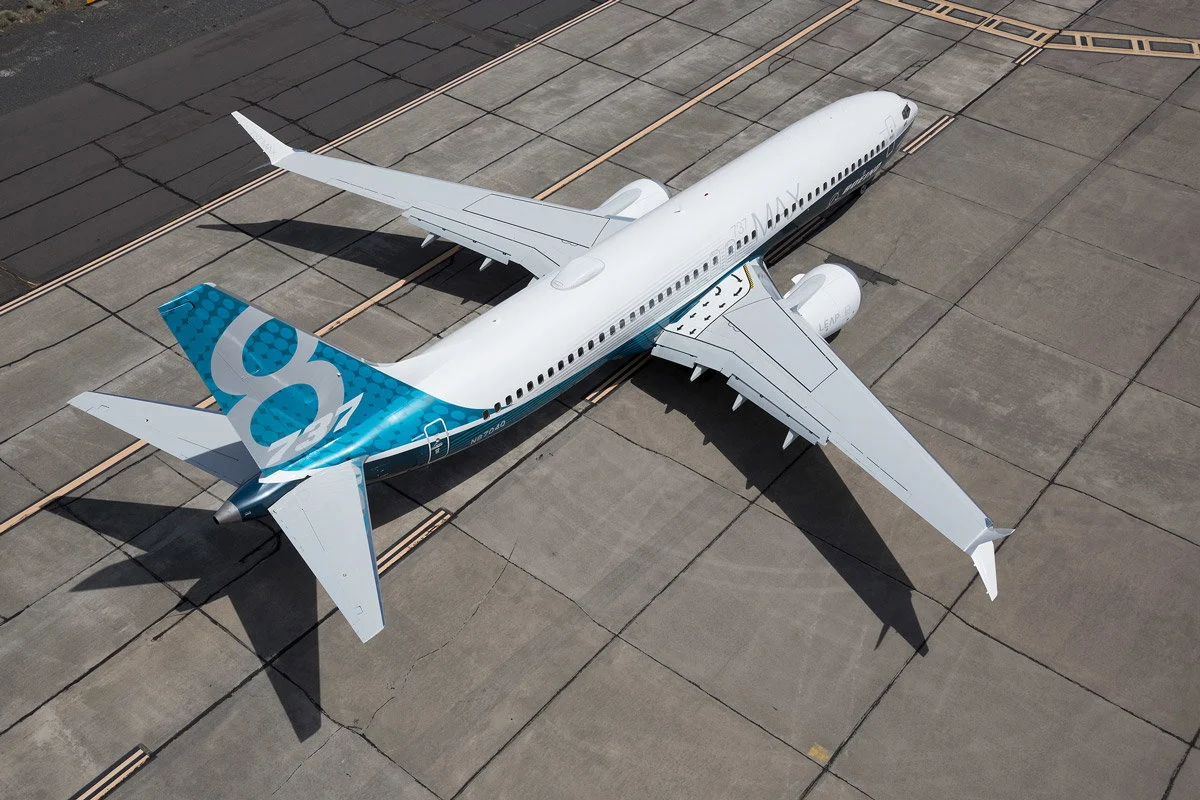
In a move that marks a significant milestone in the aerospace industry’s recovery, the Federal Aviation Administration (FAA) has officially restored Boeing’s authority to issue its own airworthiness certificates for newly manufactured 737 MAX and 787 Dreamliner aircraft. This development, effective immediately, marks the end of years of intensive, hands-on regulatory oversight that saw the manufacturer stripped of its self-certification powers following a series of catastrophic safety failures and systemic quality control lapses.
While the return of these privileges is viewed by industry analysts as a vital step toward restoring Boeing’s production efficiency, it simultaneously reignites a fierce debate regarding corporate accountability, regulatory capture, and whether a manufacturer can be truly trusted to police its own safety standards after a period of intense scrutiny.
A Chronology of Crisis: From Autonomy to Oversight
To understand the weight of the FAA’s recent decision, one must look back at the precipitous decline of Boeing’s reputation over the last six years.
The 737 MAX Crisis (2018–2019)
The unraveling of Boeing’s regulatory autonomy began with the tragic crashes of Lion Air Flight 610 and Ethiopian Airlines Flight 302. Investigations into the Maneuvering Characteristics Augmentation System (MCAS) revealed that Boeing had concealed critical details about the flight control system from regulators and pilots alike. In 2019, the FAA, facing immense pressure to restore public confidence, revoked Boeing’s ability to issue airworthiness certificates for the 737 MAX program.
The 787 Production Setbacks (2022)
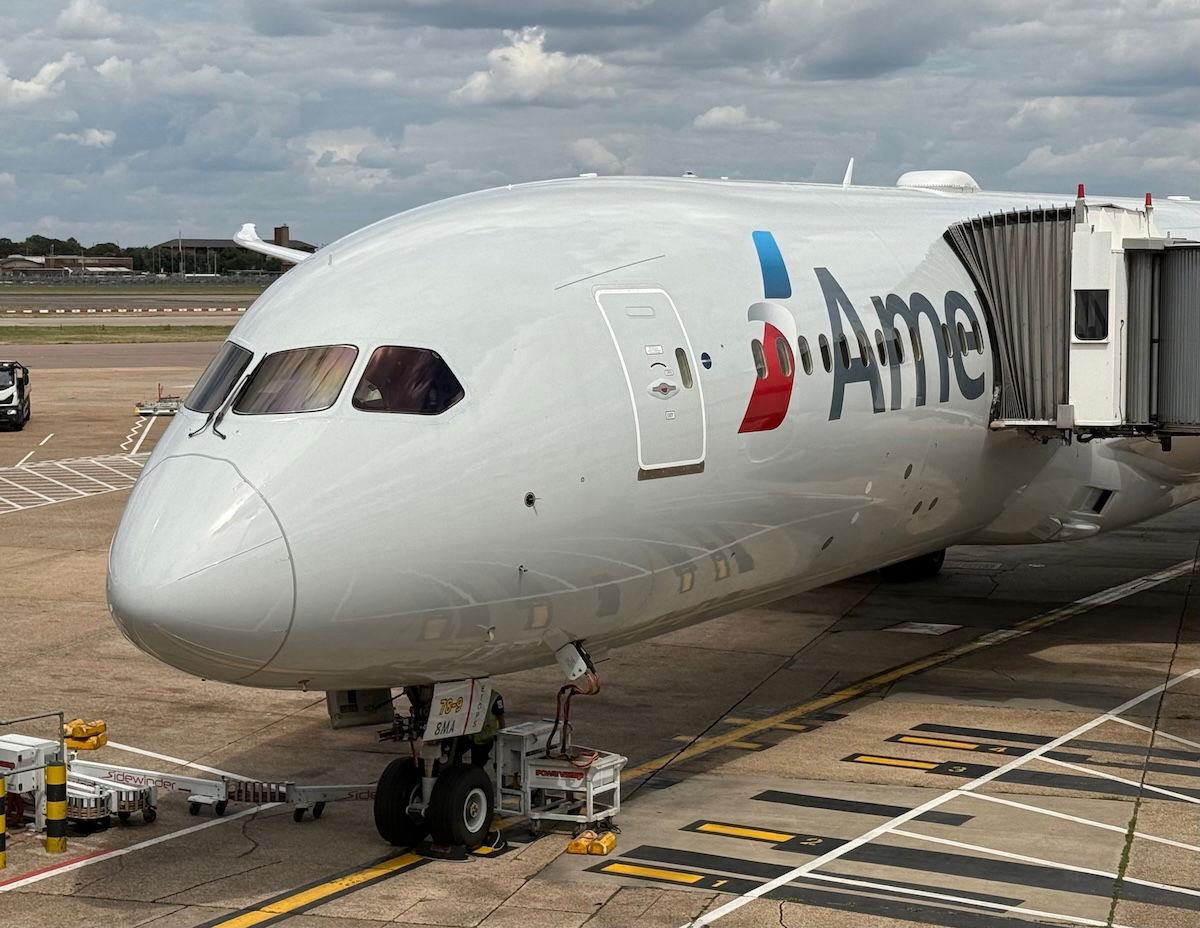
Just as the 737 MAX began its slow return to service, the Boeing 787 Dreamliner program hit a wall of its own. Internal quality control issues—ranging from improperly installed fasteners to gaps in the fuselage components—led the FAA to pull the manufacturer’s self-certification authority for the 787 in 2022. This forced the FAA to inspect every single 787 personally before it could be delivered to customers, creating a massive backlog and costing Boeing billions in deferred revenue.
The Road to Restoration (2025)
The path to regaining these privileges was not an overnight decision. Starting in late September 2025, the FAA implemented a "probationary" period, allowing Boeing to issue certificates on alternating weeks. This controlled experiment was designed to determine if there was a statistically significant difference in the quality of aircraft certified by Boeing versus those inspected by the FAA. Following a comprehensive review, the FAA concluded that the quality of aircraft produced under both conditions was equivalent, paving the way for the full restoration of these powers.
The Mechanism of Authority: What is ODA?
The controversy centers on the Organization Designation Authorization (ODA) program. ODA is a long-standing FAA initiative that allows manufacturers to perform certain certification functions—including the issuance of airworthiness and production certificates—on behalf of the agency.
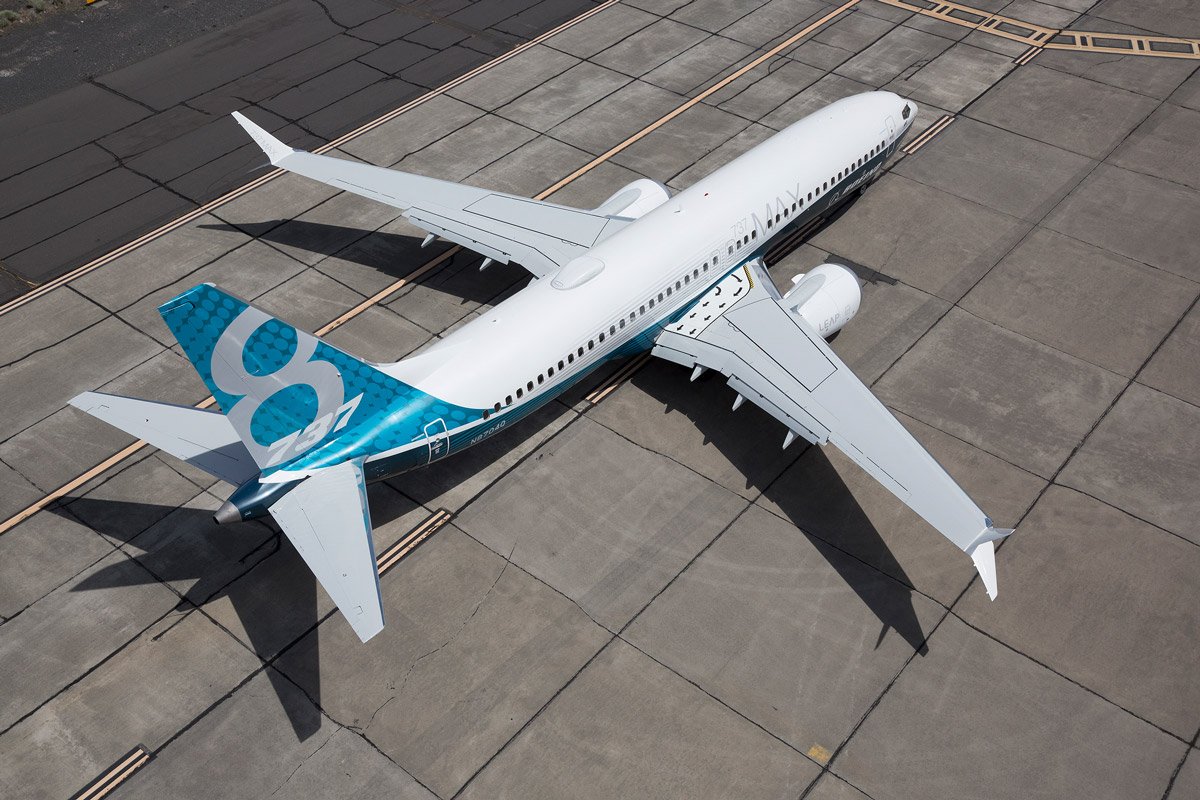
The intent of ODA is efficiency; it recognizes that the FAA lacks the manpower to inspect every bolt and wire on every aircraft produced in the United States. However, the system relies on the assumption that the manufacturer’s safety culture is aligned with the FAA’s stringent standards. When that trust is breached, as it was in 2019, the delegation of authority is effectively a "privilege" rather than a right. By returning this power to Boeing, the FAA is essentially betting that the company’s internal "Safety Management System" (SMS) is now robust enough to prevent the return of the "production at all costs" culture that previously plagued its factories.
Official Responses and the Stance of the FAA
The FAA has been careful to frame this restoration as an evolution of oversight rather than a reduction of it. FAA Administrator Bryan Bedford emphasized that the decision is rooted in data-driven confidence, not an attempt to lighten the regulatory burden on the aerospace giant.
"Safety drives everything we do, and this step forward is only possible because we are confident it can be done safely," Administrator Bedford stated. "Our inspectors will continue rigorous oversight of Boeing’s production while focusing more of their time where it has the greatest impact—identifying and addressing potential risks earlier in the manufacturing process."
According to the FAA, the agency is shifting its strategy from "end-of-line" inspection—where inspectors look at the finished plane—to "process-level" observation. This means FAA personnel will be embedded in the assembly line, watching the mechanics, reviewing the documentation of internal quality audits, and monitoring the "safety culture" to ensure that employees are empowered to report defects without fear of retaliation.
Implications: Efficiency vs. Accountability
The implications of this move are twofold: economic and psychological.
Economic Impact
For Boeing, the restoration of self-certification is a major win. The backlog of undelivered 787s and 737 MAXs has hampered the company’s financial performance and frustrated airline customers like United, American, and Southwest. By regaining the ability to sign off on its own planes, Boeing can significantly accelerate its delivery cadence, stabilizing its cash flow and reducing the costs associated with storing and maintaining finished aircraft that are awaiting final FAA sign-off.
The Question of Trust
Psychologically, however, the move remains polarizing. Critics of the aviation industry argue that for-profit entities, when given the power to certify their own products, are inherently tempted to prioritize production quotas over safety margins.
The central argument in favor of the restoration is that the status quo was unsustainable. "I don’t think any for-profit, publicly traded company can be ‘trusted’ in the absolute sense," noted one industry analyst. "However, the question is whether Boeing’s current executive leadership has a mandate to prioritize long-term sustainability over short-term stock performance."
There is a growing belief among industry insiders that the "Boeing of 2025" is fundamentally different from the "Boeing of 2018." Following the recent years of scandal, the company has undergone a massive restructuring of its quality assurance departments, implemented new whistleblower protections, and increased transparency with the FAA.
The Future of Aerospace Oversight
As Boeing resumes its self-certification duties, the world will be watching. Every minor technical glitch or minor safety incident reported in the media will now be scrutinized through the lens of this decision. If Boeing can maintain its current production quality without the FAA acting as a constant "second pair of eyes," this could be the turning point that restores the company’s reputation as the gold standard of aerospace engineering.
Conversely, if further quality issues emerge, the political fallout for the FAA will be immense. The agency is essentially tethering its own reputation to Boeing’s ability to self-govern.
For the traveling public, the immediate hope is that this regulatory shift leads to a more reliable, efficient, and—above all—safe aviation industry. The return of self-certification is a sign of progress, but it is also a reminder that in the aviation industry, trust is something that must be earned, piece by piece, and flight by flight.
The question remains: Has Boeing truly turned the corner, or is this a return to the very practices that invited catastrophe in the first place? Only time, data, and the rigorous, ongoing oversight promised by the FAA will provide the answer.