








WASHINGTON, D.C. — The corridors of power in the nation’s capital are no stranger to heated exchanges, but a recent session of the Senate Banking Committee has highlighted a deepening rift between progressive lawmakers and the Federal Reserve’s leadership. At the heart of the controversy is a private, invite-only dinner hosted by Bank of America, attended by Federal Reserve Governor Michelle Bowman during a sensitive "blackout period." The fallout from this event has sparked a high-stakes debate over regulatory ethics, the definition of transparency, and the internal culture of the world’s most powerful central bank.
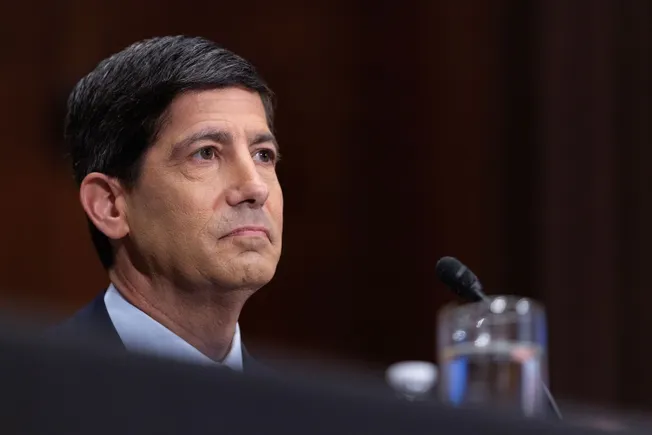
The confrontation reached a fever pitch this week as Senator Elizabeth Warren (D-MA) squared off against the official currently presiding over the Fed’s regulatory agenda (identified in proceedings as Chair Warsh), demanding accountability for what she characterized as a blatant disregard for established ethical guardrails.
Main Facts: The Dinner and the Disputed Dialogue
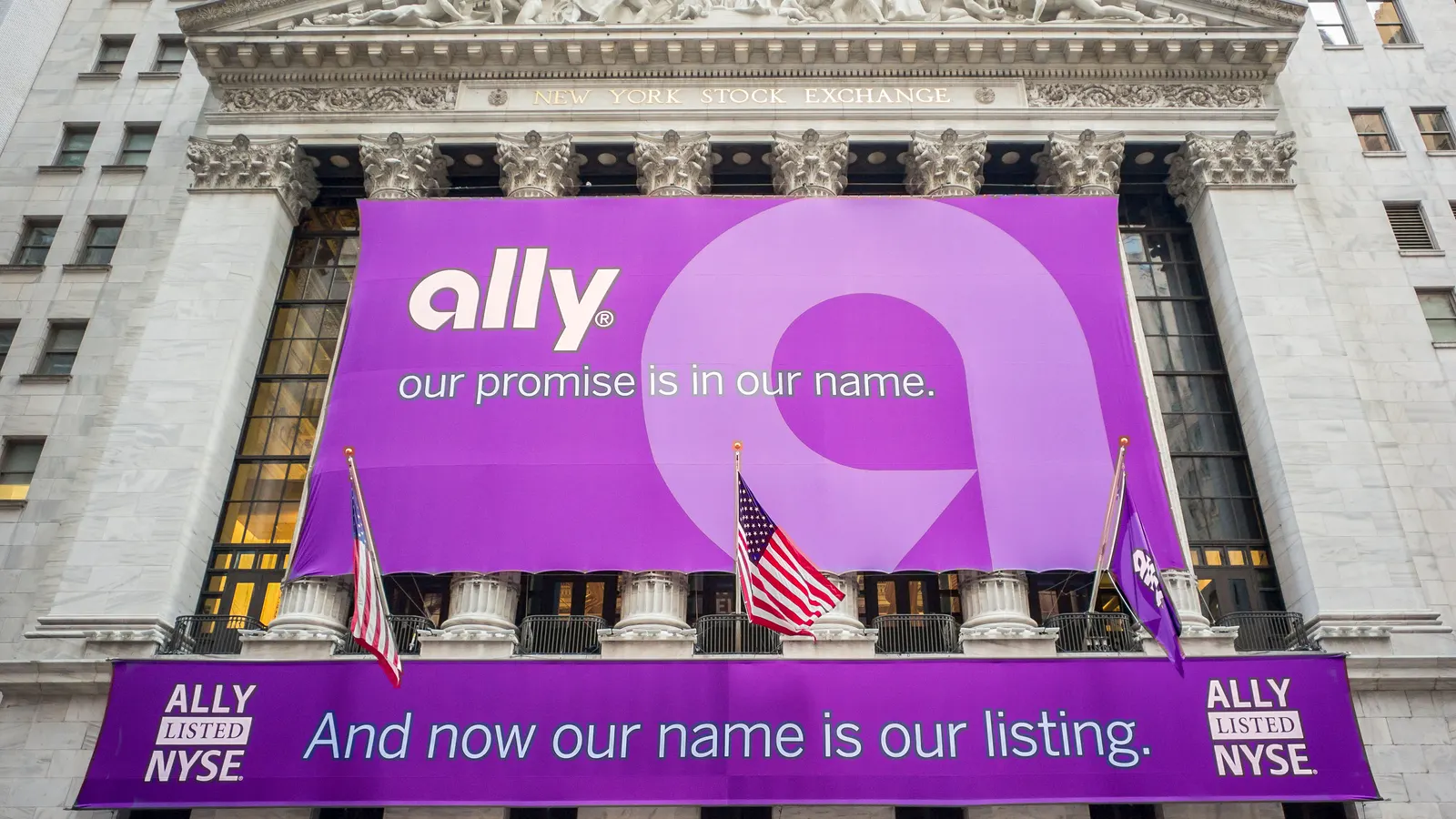
The controversy centers on a private engagement in June, where Michelle Bowman—a member of the Board of Governors of the Federal Reserve—was the featured guest at a dinner organized by Bank of America. The event occurred during the Federal Open Market Committee’s (FOMC) "blackout period," a strictly enforced timeframe surrounding policy meetings during which Fed officials are prohibited from speaking publicly or privately about monetary and regulatory policy to prevent market-moving leaks or the appearance of favoritism.
According to reports initially surfaced by The Wall Street Journal, Bowman’s remarks at the dinner touched upon sensitive topics, including the Fed’s Standing Repo Facility (SRF) and broader regulatory frameworks. While Bowman has defended her actions, asserting that she did not disclose non-public views on monetary policy, the mere presence of a high-ranking regulator at an exclusive Wall Street function during a blackout period has provided ammunition for critics who argue the Fed has become too cozy with the institutions it is tasked with overseeing.
Senator Warren, alongside Senators Jack Reed (D-RI) and Chris Van Hollen (D-MD), has formally requested an investigation by the Fed’s Inspector General, Michael Horowitz. The senators are seeking to determine if Bowman’s conduct violated the "Policy on External Communications of Board Members," a set of rules designed to maintain the Fed’s impartiality and prestige.
Chronology of the Controversy
The timeline of the event suggests a series of rapidly escalating tensions between the central bank and its Congressional overseers:
- Mid-June: The Federal Open Market Committee holds its scheduled meeting. In accordance with internal bylaws, the "blackout period" is in effect, barring officials from discussing policy with outside parties.
- June 19: The Wall Street Journal publishes an exposé revealing that Governor Bowman attended an invite-only dinner hosted by Bank of America during the restricted window. The report alleges she discussed monetary and regulatory policy with bank clients.
- July 1: Senators Warren, Reed, and Van Hollen draft a formal letter to Inspector General Michael Horowitz. The letter calls for a comprehensive investigation into whether Bowman breached the Fed’s code of conduct.
- Late July: During a scheduled hearing of the Senate Banking Committee, Senator Warren confronts the presiding Chair (Warsh) regarding his personal knowledge of the event and his subsequent actions—or lack thereof—in addressing the potential breach.
Supporting Data: Understanding the Blackout Rule and the Repo Facility
To understand the severity of the allegations, one must look at the specific rules and facilities discussed.
The FOMC Blackout Period
The Federal Reserve’s "blackout period" typically begins on the Saturday two weekends before an FOMC meeting and ends at midnight on the Thursday following the meeting. The purpose is twofold: to ensure that the markets react only to the official committee statement and to prevent any single governor from exerting undue influence or providing "inside tracks" to preferred stakeholders.
The Standing Repo Facility (SRF)
Public reports indicate that Bowman discussed the Standing Repo Facility at the dinner. The SRF is a critical tool used by the Fed to support the smooth functioning of financial markets by acting as a backstop in the repurchase agreement market. Because the SRF directly impacts liquidity and interest rate control, discussions regarding its future or its standing are considered by many economists to be "monetary policy adjacent," if not direct monetary policy. Senator Warren argued that discussing such a facility with private bank clients provides those clients with an unfair informational advantage.
Historical Precedent
This is not the first time the Federal Reserve has faced scrutiny over the personal conduct of its officials. In 2021, a trading scandal involving former regional presidents Eric Rosengren and Robert Kaplan led to their resignations and a subsequent overhaul of the Fed’s ethics rules. Critics argue that the Bowman incident suggests the "culture of impunity" persists despite those reforms.
Official Responses: A War of Words in the Senate
The recent hearing provided a stark look at the defensive posture of the Federal Reserve’s leadership and the aggressive interrogation style of the Senate’s leading financial critic.
The Exchange: Warren vs. Warsh
Senator Warren’s questioning focused on the "tone at the top." She repeatedly pressed the Chair on whether he had even bothered to ask Governor Bowman for her version of the events at the Bank of America dinner.
"As chair, you set the tone on culture," Warren told the official, who agreed with the sentiment but refused to confirm if a private inquiry had been made.
The official (Warsh) maintained a disciplined, if evasive, stance: "I wasn’t at the dinner and it would be inappropriate for me to prejudge facts while the inspector general’s investigation is underway. I’d be very interested in the fact-finding being done by an independent inspector general."
The exchange devolved into a repetitive cycle, with Warren asking "Did you ask?" and the Chair responding that Bowman has been an "excellent colleague" and that the board has been "busy doing a lot of real work."
The Defense of "Process"
While Warren characterized the Chair’s silence as an "invitation to corruption," other members of the committee came to the official’s defense. Senator Mike Rounds (R-SD) argued that the Chair’s refusal to intervene was actually a sign of institutional integrity. Rounds suggested that if the Chair had questioned Bowman directly, he would have been accused of "trying to influence" the ongoing Inspector General’s investigation.
The Chair affirmed this perspective, stating that the Fed has spent the last several weeks setting a "tone of performance, accountability, responsibility, and integrity."
Implications: Credibility and the Future of Fed Oversight
The implications of this standoff extend far beyond a single dinner or a single governor. They touch upon the very foundation of the Federal Reserve’s independence and its relationship with the public.
1. Erosion of Public Trust
The Federal Reserve relies on the public’s belief that it operates as a technocratic, non-partisan entity. When high-ranking officials appear at exclusive "client-only" events hosted by the very banks they regulate—especially during prohibited periods—it fuels the perception of "regulatory capture." If the public believes the Fed is a "private club" for Wall Street, the bank’s ability to manage the economy effectively is compromised.
2. The Limits of Internal Investigations
The reliance on the Inspector General (IG) as the sole arbiter of ethics is a double-edged sword. While it ensures a degree of independence, the process is often slow. Senator Warren’s frustration stems from the belief that leadership should take immediate "cultural" action rather than waiting months for a technical report. The outcome of IG Horowitz’s investigation will likely determine whether new, more stringent legislative oversight is required.
3. Political Polarization of the Fed
The divide in the Senate Banking Committee—with Democrats calling for immediate accountability and Republicans defending the "sanctity of process"—shows that even the Federal Reserve is not immune to the hyper-partisanship of modern Washington. This polarization makes it harder for the Fed to navigate complex economic challenges, as every move is viewed through a political lens.
4. Regulatory Policy vs. Monetary Policy
The Bowman incident highlights a "gray area" in Fed communications. Bowman reportedly argued she was discussing regulatory policy, not monetary policy. However, in the modern financial system, the two are inextricably linked. The Fed may need to update its "blackout" definitions to explicitly include regulatory facilities like the SRF to prevent future "technicality" defenses.
Conclusion
As the Inspector General begins his review, the Federal Reserve finds itself at a crossroads. The heated exchange between Senator Warren and the Fed leadership serves as a reminder that "integrity" is not just a set of rules on a page, but a daily practice of transparency. Whether Governor Bowman’s dinner was a harmless professional engagement or a serious breach of protocol remains to be seen. However, the controversy has already succeeded in putting the Fed’s internal culture under a microscope, ensuring that the "tone at the top" will remain a subject of intense national debate for the foreseeable future.