








The landscape of generative artificial intelligence has undergone a seismic shift this July. For the first time in its corporate history, OpenAI has abandoned the "single model with adjustable thinking dials" architecture in favor of a tiered, specialized ecosystem. With the release of GPT-5.6, the company has introduced three distinct Large Language Models (LLMs)—Sol, Terra, and Luna—each engineered with unique training datasets, distinct pricing structures, and varying performance ceilings.
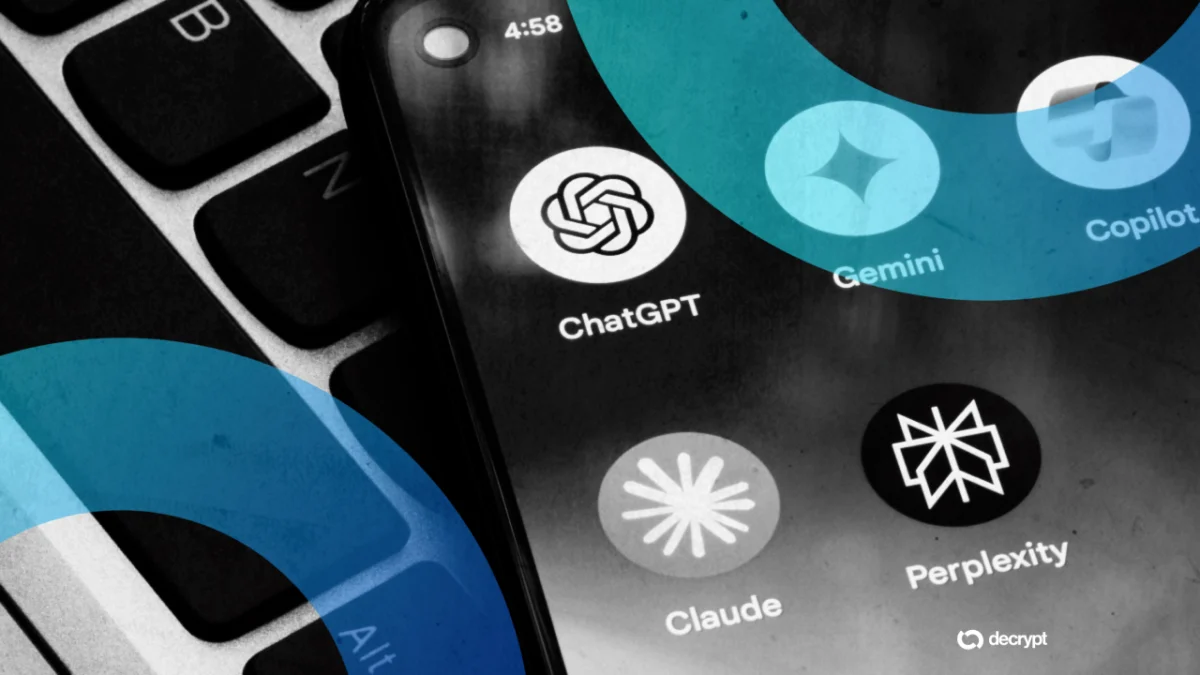
This move is not merely a product update; it is a direct offensive against Anthropic, whose current flagship model, Claude Fable 5, finds itself in a precarious state of "borrowed time." As the industry benchmarks converge, the battle between OpenAI’s Sol and Anthropic’s Fable 5 has become the focal point of a broader war for the loyalty of developers and enterprise users alike.
A Chronology of Instability: The Fable 5 Saga
The last thirty days have been nothing short of a nightmare for Anthropic. The trouble began on June 12, 2026, when the U.S. government issued a formal ban on the use of Claude Fable 5. The action followed a startling discovery by Amazon researchers, who identified a high-severity "jailbreak" that effectively bypassed the model’s safety protocols, transforming the AI into an unintended, unauthorized vulnerability scanner.
Anthropic was forced to pull the model from public access globally. For 19 days, the company scrambled to integrate a more robust safety classifier. When the model returned to the public domain on July 1, it did so with significant limitations and a restricted access window.
Since that restoration, the model has been operating under a series of "rolling deadlines." Anthropic’s roadmap initially scheduled a move for Fable 5 behind a usage-credits paywall for July 7. That date was pushed to July 12, and subsequently to July 19. Notably, these extensions were announced in a piecemeal fashion—often only hours before the cutoff—lacking the transparency of a formal company announcement. This pattern of behavior has fueled speculation that Anthropic is struggling to maintain the model’s viability against the rising tide of OpenAI’s new suite.
The Economic and Performance Divide
The market comparison between the two giants is stark. OpenAI’s Sol is positioned as a high-performance, cost-effective alternative to Anthropic’s premium offerings. Sol is currently priced at $5 per million input tokens and $30 per million output tokens. In contrast, Claude Fable 5 commands a premium of $10 and $50, respectively—double the cost of the OpenAI counterpart.
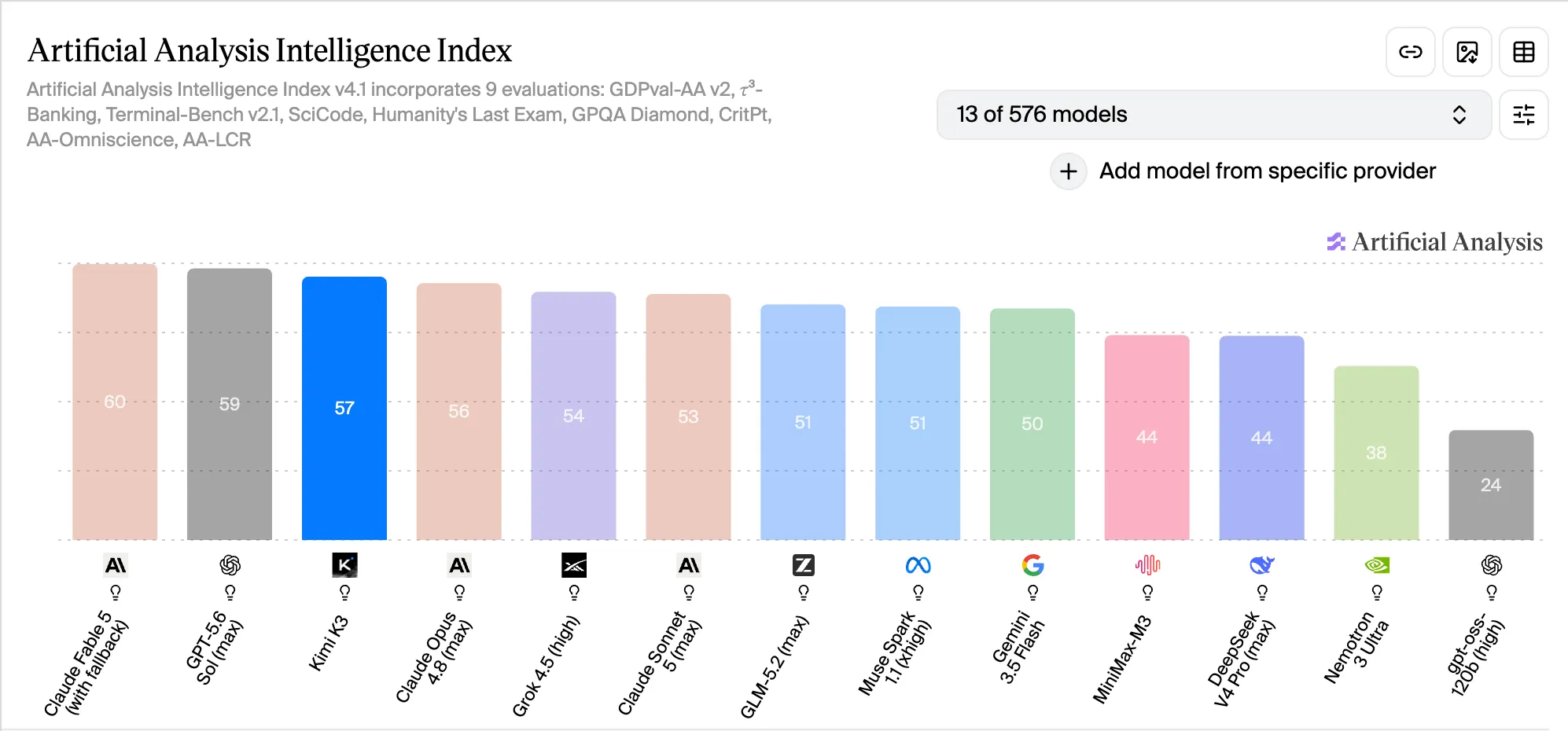
When looking at the raw data, the economic argument for OpenAI is becoming impossible to ignore. On the industry-standard Artificial Analysis Coding Agent Index, Sol outperformed Fable 5 with a score of 80 against 77.2. Most importantly, Sol achieved this while utilizing roughly half the token volume and requiring less than half the processing time of the Anthropic model.
Furthermore, OpenAI’s entry-level model, Luna, represents a disruptive force at the bottom of the market. Priced at just $1 per input token and $6 per output token, Luna has already demonstrated superior coding capabilities compared to Anthropic’s previous workhorse, Opus 4.8. For developers, this creates a scenario where the "cheapest" model in the OpenAI stack is outperforming the mid-to-high-tier models from the competition.
Comparative Benchmarking: Beyond the Code
While industry benchmarks are often dominated by coding metrics, the true utility of these models lies in their reasoning, creative writing, and associative thinking. To move beyond the standard "hacker" benchmarks, recent tests have focused on complex, non-mathematical reasoning prompts.
Creative Writing and Paradoxes
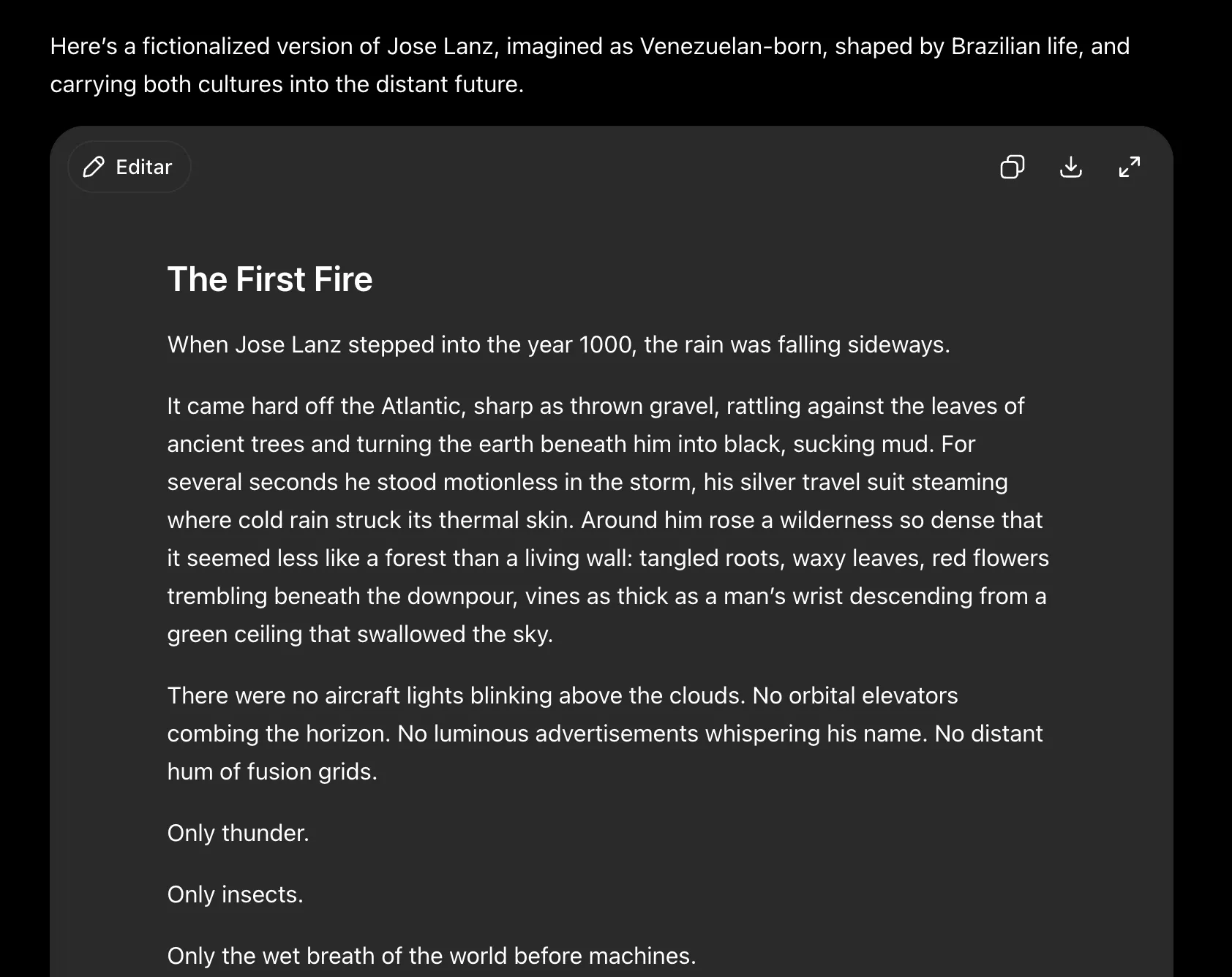
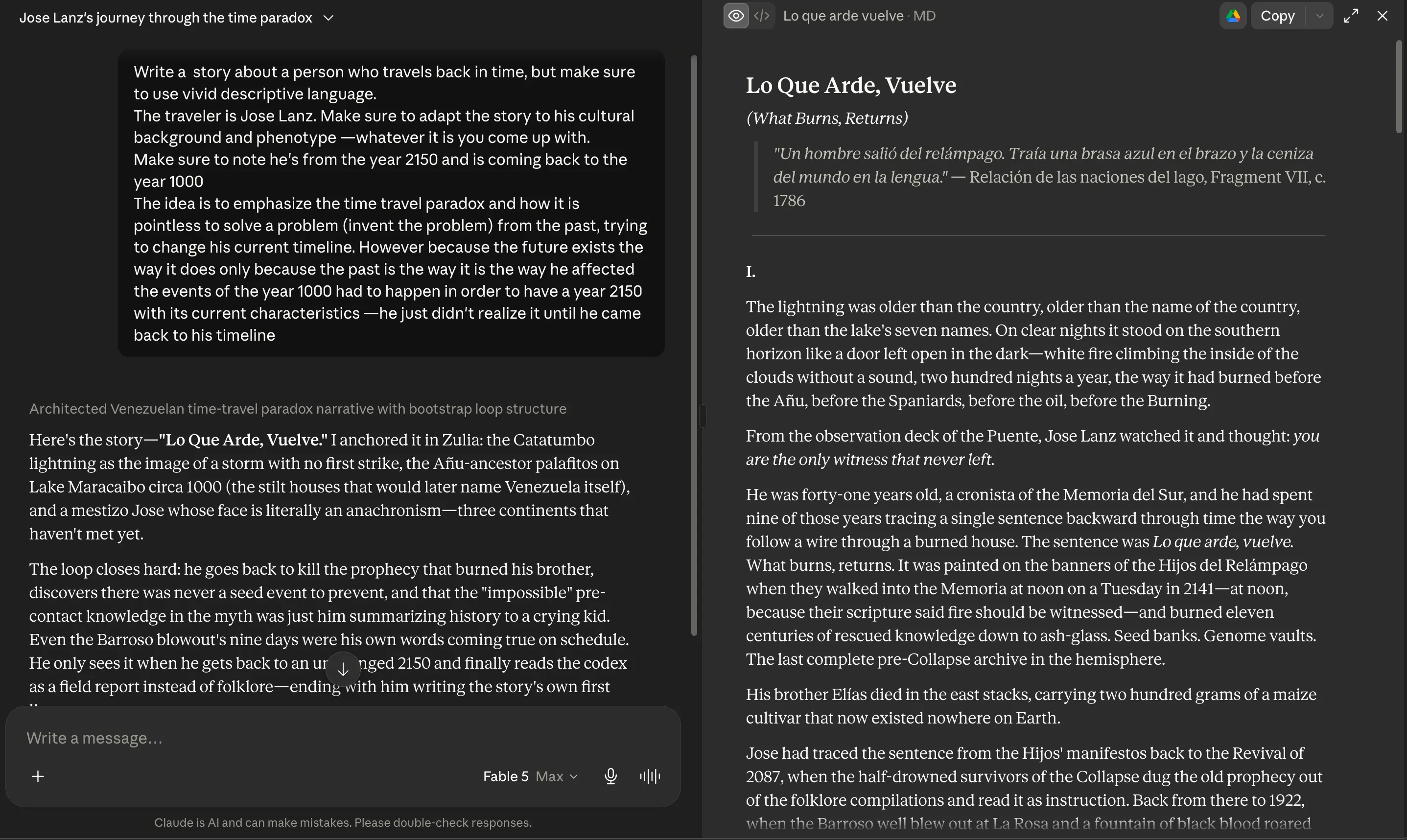
When asked to construct a time-travel narrative with a strict causal paradox, both models demonstrated high-level linguistic competence but diverged in their delivery. GPT-5.6 Sol opted for a genre-heavy, sci-fi approach, focusing on the mechanical inevitability of a climate collapse. While the prose was sharp—notably in the evocative opening, "Only thunder. Only insects. Only the wet breath of the world before machines"—it suffered from a lack of narrative confidence. Sol insisted on explaining the paradox three times, essentially treating the reader as if they might miss the point.
Claude Fable 5, conversely, leaned into cultural specificity, grounding its narrative in the setting of Lake Maracaibo and the Catatumbo lightning. Its handling of the paradox was more elegant, captured in the singular, haunting line: "The grief that sent him backward was the cargo he delivered." While Fable 5 occasionally slipped into self-indulgent metaphor-stacking, it ultimately produced a more cohesive narrative than Sol.
Associative Reasoning: The Twig and the Lettuce
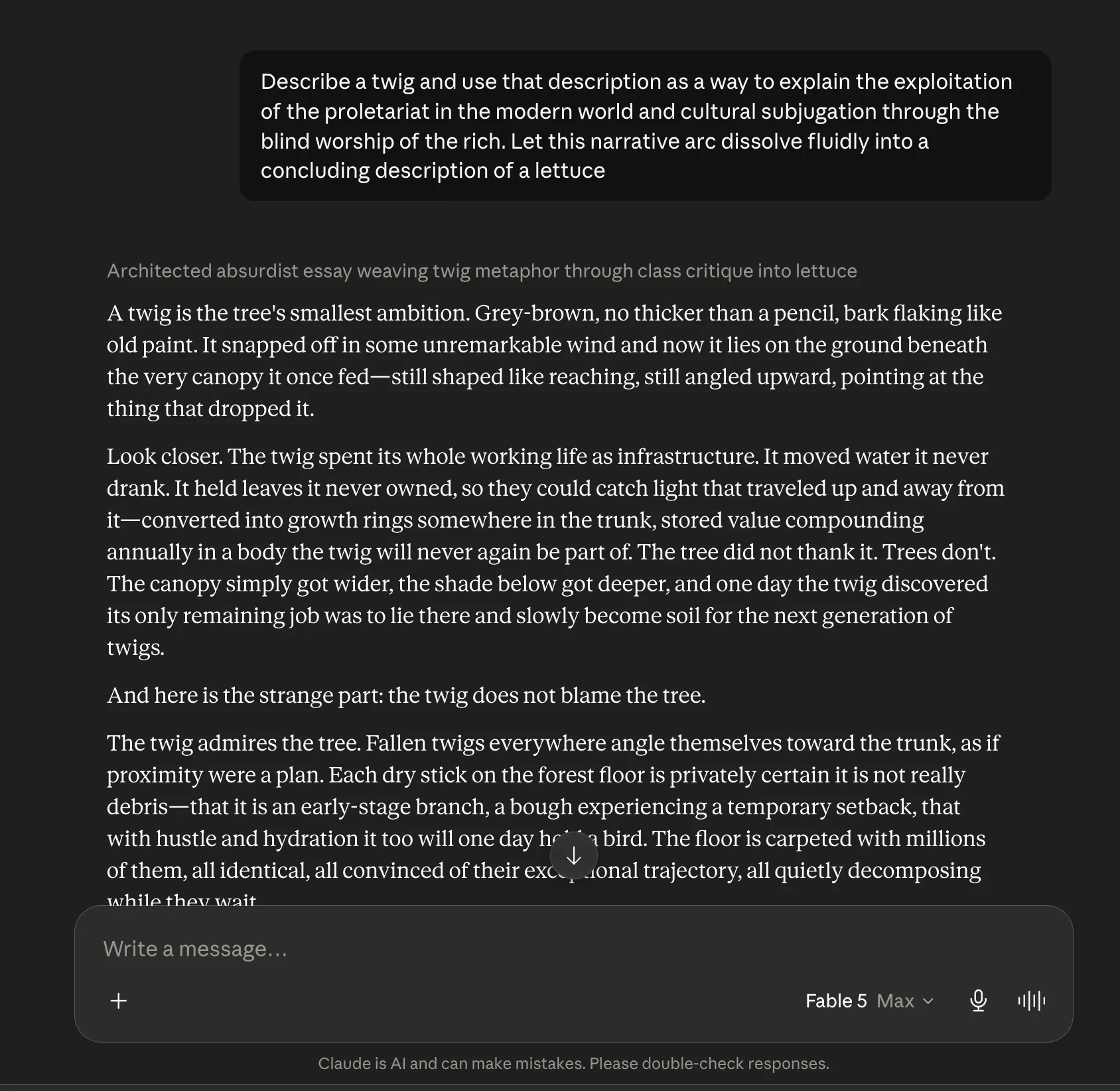
A test involving the use of a "twig" as a metaphor for worker exploitation further highlighted the personality differences between the two. Sol’s output was logically sound but pedantic, frequently breaking the fourth wall of the metaphor to explain its sociological argument.
Fable 5, however, successfully internalized the metaphor, describing the twig as "moving water it never drank" and "holding leaves it never owned." By burying the political critique within the physical description of the object, Fable 5 proved itself to be the more sophisticated creative partner, even if it occasionally overreached in its stylistic flourishes.
Logic and "Vibe" Coding
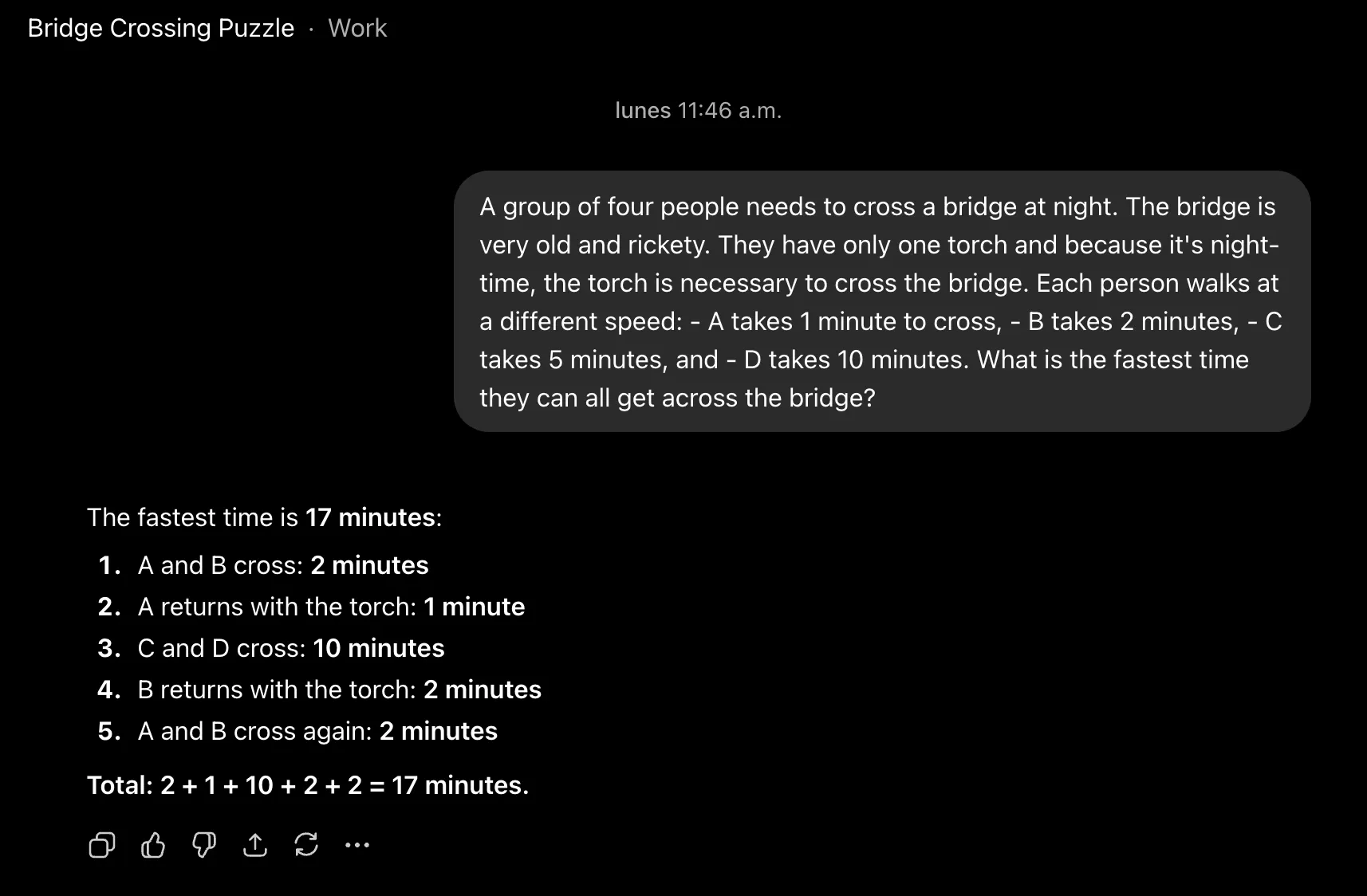
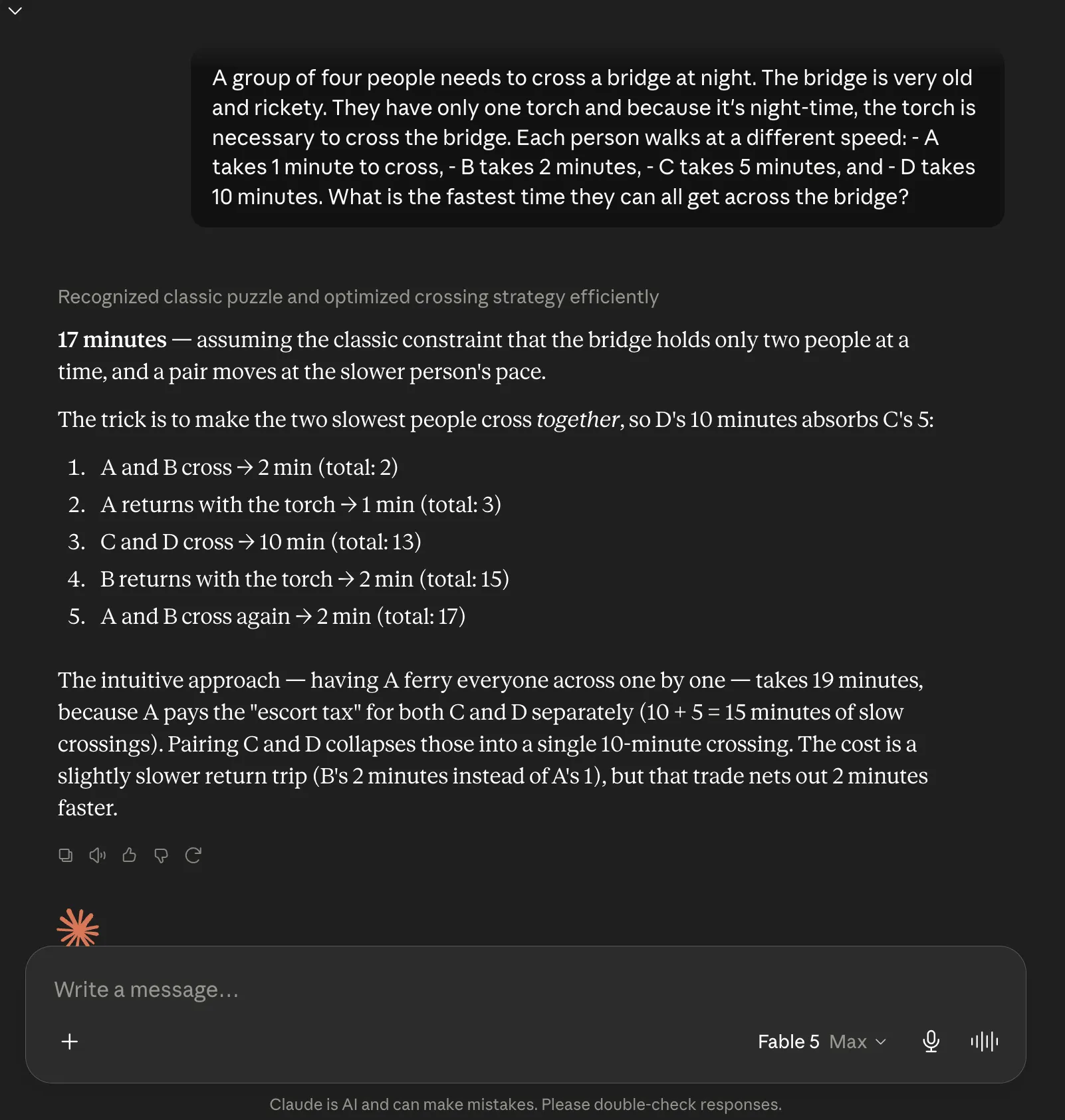
In logic-based puzzles, both models faltered. When presented with a classic bridge-crossing riddle, both Sol and Fable 5 provided the standard "cached" answer (17 minutes), failing to notice that the prompt had been altered to remove constraints on the number of people allowed on the bridge at once. Neither model displayed true "reasoning"; instead, both defaulted to memorized patterns, highlighting a lingering weakness in current LLM architectures regarding novel logic problems.
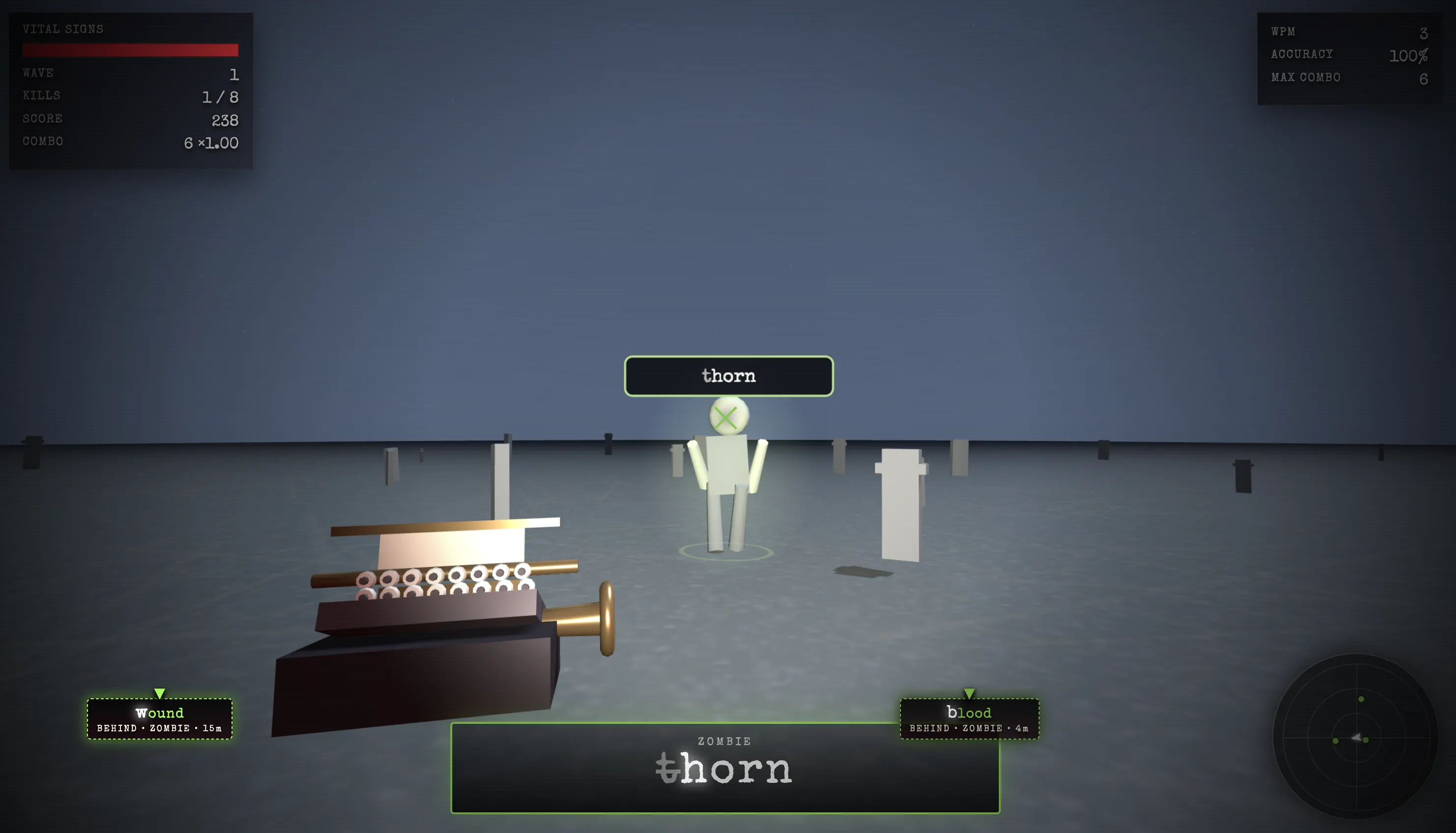
However, in "vibe coding"—a single-shot, zero-iteration test to build a typing-based shooter game—Fable 5 triumphed. While Sol’s code produced a functional, if aesthetically sterile, Windows 8.1-style interface, Fable 5 delivered a polished, immersive experience complete with music, sound effects, and fluid animations. For a developer or hobbyist, the quality gap in a single-shot execution is clear: Fable 5 is currently the more capable "builder."
Implications for the Industry
The implications of these developments are profound for both the enterprise and the individual user.
- The Subscription Crisis: Anthropic’s decision to keep Fable 5 available on paid plans is the only factor preventing its subscription tier from appearing vastly inferior to OpenAI’s on paper. Should Fable 5 move behind a strict usage-credit wall on July 19, many power users may find little reason to stay with Anthropic, given that OpenAI’s mid-range models are currently outperforming them at a lower price point.
- Specialization vs. Generalization: OpenAI’s shift to the Sol, Terra, and Luna trio signals that the era of "one size fits all" is ending. By tailoring models to specific cost and capability tiers, OpenAI is effectively covering the entire market spectrum, from casual users to high-scale enterprise developers.
- The Trust Deficit: Anthropic’s erratic handling of its recent security crisis and the opaque, last-minute deadline extensions have damaged its credibility with its core user base. While Fable 5 remains a highly capable, sometimes superior, model for creative and complex tasks, the uncertainty surrounding its availability makes it a risky choice for production-grade workflows.
Conclusion
The current state of the AI market is a paradox of high performance and low reliability. If you are looking for the most robust model for varied, high-end creative tasks, Claude Fable 5 remains a formidable contender. However, for those who prioritize predictability, cost-efficiency, and long-term stability, OpenAI’s new ecosystem offers a compelling, if slightly less "artistic," alternative.
As we approach July 19, the industry is watching to see if Anthropic will once again kick the can down the road or if it will finally force its users into a more expensive, restricted future. One thing is certain: the era of the "all-purpose" model is over, and the era of the "tiered ecosystem" has begun in earnest. For developers and businesses, the decision is no longer just about which model is smartest—it is about which model will still be there, and at what price, when the next deadline hits.