









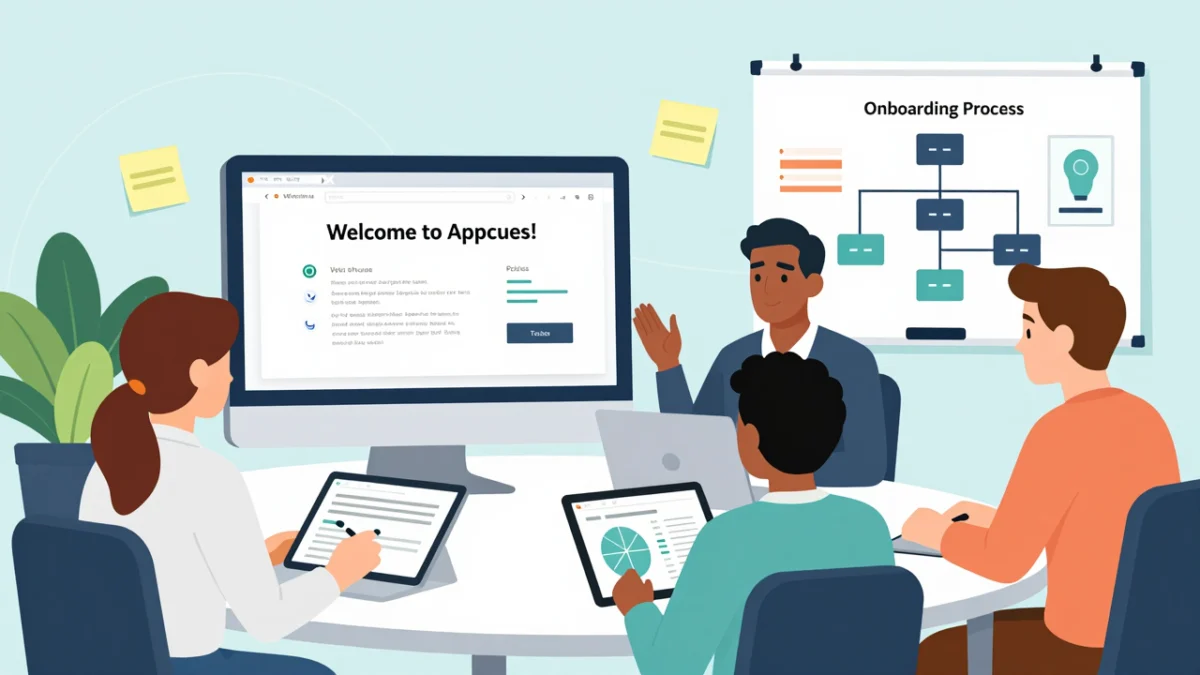
In the hyper-competitive world of software-as-a-service (SaaS) and digital applications, the first few minutes a user spends inside a product can dictate the entire trajectory of the customer relationship. When it comes to user onboarding, selecting the right product walkthrough platform can make a dramatic difference between a fleeting trial and a lifelong advocate.
Modern organizations are realizing that intuitive product adoption tools are no longer optional—they are foundational to growth. By providing interactive features, easy no-code customization, and solid analytics, companies can accelerate a user’s "aha moment," dramatically reduce customer support overhead, and drastically boost retention rates.
To help product and customer success teams navigate this crowded software landscape, we examine why effective onboarding matters, the critical features to look for, and an in-depth breakdown of the top industry-leading platforms elevating the onboarding process today.

Why Effective User Onboarding Matters: The Business Case
When you think about user onboarding, consider how essential it is for getting new users up to speed quickly. Effective onboarding accelerates the time it takes for users to reach their foundational "aha moment"—the exact point where the value of the product clicks—which directly correlates to higher product adoption rates.
Utilizing guided tour software can make this process seamless. Contemporary industry research indicates that a well-structured onboarding experience can boost user retention by up to 50% after just one month. Furthermore, companies utilizing robust onboarding practices report a staggering 60% drop in customer support queries, as users feel inherently more confident maneuvering the product independently without needing to submit tickets or wait for agent assistance.
Personalization takes these benefits a step further. Tailored onboarding experiences can enhance overall user engagement by 70%, adapting dynamically to meet individual user needs and roles. It is worth noting that approximately 86% of new users explicitly report that a guided, interactive onboarding experience vastly improves their overall satisfaction and willingness to continue using the software.

Key Features to Look for in Product Walkthrough Platforms
When choosing a product walkthrough platform, decision-makers must focus on essential functionality, scalability, and deep customization options. The ideal tool should bridge the gap between technical requirements and business goals without requiring constant engineering intervention.
Essential Functionality Requirements
To create compelling and high-converting product walkthroughs, product teams must prioritize specific functionality requirements that enhance the user experience:
- Interactive Tours and Tooltips: Look for platforms that offer dynamic, step-by-step guided tours featuring customizable tooltips and in-app messages that point users directly toward key features.
- Robust Analytics: Comprehensive analytics dashboards are vital to track user interactions, step completion rates, and drop-off points, helping teams identify and fix friction points in real-time.
- Feedback Collection Tools: Built-in surveys, Net Promoter Score (NPS) collectors, and feedback widgets allow teams to gather direct qualitative insights for ongoing product improvements.
- Ecosystem Integration: The chosen solution must integrate seamlessly with your existing tech stack—including CRM platforms, customer support systems, and product analytics tools—to create a unified data ecosystem.
Customization and Personalization Options
Generic, one-size-fits-all product tours fall flat with modern users. To maximize engagement, software must offer advanced segmentation and no-code builders that allow teams to adjust walkthroughs on the fly based on user behavior, job roles, and past product interactions.

Top 5 Product Walkthrough Platforms Reviewed
1. Userpilot: Best for Interactive In-App Guidance
Userpilot stands out in the digital adoption marketplace for its advanced interactive walkthrough features that make user onboarding exceptionally smooth and engaging.
With Userpilot, product teams can customize onboarding flows based on granular user behavior, ensuring that every single user receives a relevant, contextual experience. Its easy-to-use visual builder allows non-technical team members—such as product managers, customer success leads, and marketers—to design tailored walkthroughs without writing a single line of code.
Key Strengths:
- Behavioral Segmentation: Target users based on custom events, user traits, and in-app actions.
- Advanced Analytics: Deep tracking capabilities to monitor feature adoption and flow completion.
- Multi-Format Engagement: Combine slideouts, banners, modals, and hotspots into a cohesive user journey.
2. Appcues: Simplifying No-Code Walkthroughs
Appcues pioneered the no-code product adoption movement, simplifying the process of creating sophisticated product walkthroughs for teams lacking dedicated engineering resources.

Equipped with an intuitive drag-and-drop builder, Appcues empowers organizations to design rich onboarding experiences that drive user activation from day one. Whether launching a new feature or redesigning an entire welcome flow, Appcues keeps the learning curve flat for both creators and end-users.
Key Strengths:
- Rapid Deployment: Launch targeted checklists and walkthroughs in minutes.
- Built-in Localization: Translate your onboarding content into multiple languages easily.
- Extensive Template Library: Jumpstart your projects using pre-tested onboarding patterns.
3. WalkMe: Enterprise-Grade Digital Adoption
WalkMe stands as a heavy-hitting digital adoption platform designed to handle complex, enterprise-level user onboarding and change management needs.
This platform enables large organizations to create intricate, step-by-step guides, automated task assistants, and contextual in-app messages tailored to diverse internal and external user scenarios. By utilizing WalkMe, global enterprises can eliminate workflow bottlenecks, ensure compliance, and boost long-term user retention across legacy and modern web applications alike.

Key Strengths:
- Cross-Application Support: Guide users across multiple web, desktop, and mobile applications.
- Automation Capabilities: Automate repetitive user tasks directly within the application interface.
- Enterprise Security: Robust data governance and compliance features tailored for large corporations.
4. Chameleon: Customizable Onboarding Solutions
Chameleon offers a highly flexible, design-forward solution for businesses looking to elevate their user onboarding experience without compromising brand aesthetics.
This product tour software allows teams to build highly customized walkthroughs, tooltips, banners, and surveys that feel native to the host application. Chameleon’s focus on minimalist design and deep customization ensures that onboarding touchpoints never feel intrusive or jarring to the user.
Key Strengths:
- Native Styling: Unmatched styling flexibility to match your exact brand guidelines.
- Micro-Surveys: Deploy targeted NPS and CSAT surveys at critical moments in the user lifecycle.
- Seamless Integrations: Syncs effortlessly with tools like Segment, Mixpanel, and HubSpot.
5. Pendo: Leveraging Data for Better User Engagement
When it comes to merging data analytics with user engagement, Pendo is an undisputed industry leader. Pendo enables organizations to leverage extensive product analytics to gain deep insights into exact user behaviors and preferences.

This rich data foundation allows product teams to construct highly targeted onboarding experiences that resonate deeply with specific user cohorts. Utilizing Pendo’s in-app guides and tutorials, users can navigate complex software ecosystems effortlessly, driving up long-term product adoption rates and lowering customer churn.
Key Strengths:
- Quantitative Product Intelligence: Track every click, page view, and user path.
- Resource Centers: Centralize help documentation, support tickets, and onboarding tours in one persistent widget.
- Closed-Loop Feedback: Aggregate user feedback directly alongside usage data for holistic product planning.
Frequently Asked Questions (FAQ)
What is the best product walkthrough software?
The best software depends entirely on your specific organizational needs, technical capacity, and budget. For rapid, no-code solutions, platforms like Appcues and Userpilot are exceptional. If you require advanced enterprise-wide digital adoption and multi-app support, WalkMe is a premier choice. For data-driven product insights paired with engagement tools, Pendo leads the pack.
How can I automate the customer onboarding process?
To automate onboarding effectively, deploy tools equipped with behavioral triggers. Platforms like Userpilot and Appcues allow you to set up automated flows that trigger the moment a user performs—or fails to perform—a specific action within your software. Integrating email automation tools like Customer.io alongside in-app messaging ensures a multi-channel, hands-off onboarding engine.

How do I choose the right platform for my team?
Start by auditing your team’s technical resources, defining your primary onboarding metrics (e.g., activation rate, time-to-value), and testing trial versions of two or three prospective platforms. Select the tool that provides the best balance of ease-of-use, analytical depth, and pricing alignment for your business stage.
Conclusion
Incorporating a robust product walkthrough platform can fundamentally transform your user onboarding process, turning casual trialists into loyal, high-value customers. By systematically evaluating your organization’s unique requirements and prioritizing key features such as interactive guidance, seamless customization, and actionable analytics, you can clear the path for sustainable growth.
Whether you choose Userpilot, Appcues, WalkMe, Chameleon, or Pendo, the time to act is now. Implement customizable walkthroughs, gather continuous user feedback, and watch your product engagement metrics soar.