








For millions of aspiring students, the path to higher education is often paved with the expectation of family support. However, reality frequently tells a different story. Whether due to financial constraints, personal estrangement, or a desire for complete financial independence, many students find themselves needing to navigate the complex world of college financing entirely on their own.
Securing funding without parental involvement is not only possible but increasingly common. This guide explores the mechanisms, risks, and strategic considerations for financing a degree independently.
The Hierarchy of Funding: Why Federal Aid Comes First
Before turning to private lenders, it is critical to maximize federal financial aid. The U.S. Department of Education offers a suite of protections and benefits that private entities—banks, credit unions, and online lenders—simply cannot match.
The Benefits of Federal Loans
Federal student loans are backed by the government and provide borrowers with a safety net that is essential during uncertain economic times. Key benefits include:
- Income-Driven Repayment (IDR) Plans: These programs cap your monthly payments at a percentage of your discretionary income, making repayment manageable during periods of low earnings.
- Loan Forgiveness Eligibility: Programs like Public Service Loan Forgiveness (PSLF) can erase remaining balances after a specific number of qualifying payments.
- Deferment and Forbearance: If you face financial hardship, unemployment, or medical emergencies, federal loans offer flexible options to pause payments without the immediate threat of default.
- Interest Subsidies: For those who qualify, the government pays the interest on "subsidized" loans while you are in school, preventing your debt from ballooning before you even graduate.
Determining Your Status: The FAFSA Dependency Threshold
The Free Application for Federal Student Aid (FAFSA) is the gateway to federal funding. The most critical factor in your application is your dependency status.
Independent vs. Dependent
If you are classified as a "dependent" student, federal regulations require you to report your parents’ financial information. This can often lead to a lower aid package if your parents’ income is substantial, even if they refuse to contribute a single dollar to your tuition.
To be considered an "independent" student, you must meet specific criteria defined by the Department of Education. You are generally considered independent if you meet one of the following:
- You are at least 24 years old.
- You are married.
- You are a graduate or professional student.
- You are a veteran or currently serving in the U.S. Armed Forces.
- You are an orphan, in foster care, or a ward of the court.
- You are an emancipated minor or in a legal guardianship.
- You are an unaccompanied youth who is homeless or at risk of homelessness.
If you do not meet these criteria but have extenuating circumstances—such as an abusive home environment—you can appeal to your college’s financial aid office for a dependency override. This process requires documentation but can grant you independent status and access to aid without parental input.
Federal Borrowing Limits: A Comparative Analysis
Once you are classified as an independent student, your borrowing capacity increases significantly compared to your dependent peers.
Annual Federal Direct Loan Limits
| Year in School | Dependent Students | Independent Students |
|---|---|---|
| 1st Year Undergraduate | $5,500 ($3,500 sub) | $9,500 ($3,500 sub) |
| 2nd Year Undergraduate | $6,500 ($4,500 sub) | $10,500 ($4,500 sub) |
| 3rd Year + Undergraduate | $7,500 ($5,500 sub) | $12,500 ($5,500 sub) |
Over a four-year degree, the cumulative difference is substantial. Independent undergraduates can borrow up to $57,500, compared to the $31,000 limit for dependent students. This higher ceiling is intended to offset the lack of family resources, though it necessitates careful planning to avoid excessive debt.
The 2026 Shift: Graduate School Funding Changes
For students pursuing master’s or doctoral degrees, the landscape is undergoing a major transformation. As of July 1, 2026, new regulations have altered how graduate students access federal funding.
The "Grandfathering" Clause
Students who were already enrolled in a graduate program and held federal loans prior to July 1, 2026, may remain under the previous borrowing rules. This includes continued access to Grad PLUS Loans, which have historically been a critical tool for covering the "gap" in tuition costs.
New Borrowing Rules (Post-July 2026)
For new entrants, the Department of Education has implemented stricter caps:
- General Graduate Students: Annual limit of $20,500; aggregate lifetime limit of $100,000.
- Professional Students: Annual limit of $50,000; aggregate lifetime limit of $200,000.
- Total Lifetime Cap: A hard cap of $257,500 for all federal Direct Loans.
These changes are designed to curb the rapid escalation of graduate-level debt, but they place a greater burden on students to secure scholarships, fellowships, or alternative funding sources.
Exploring Private Funding Alternatives
When federal loans fall short, private lenders are the next port of call. However, private loans are commercial products, and they come with distinct challenges.
The Cosigner Conundrum
Most private lenders require a cosigner—a creditworthy adult who agrees to take responsibility for the loan if the student fails to pay. For those who cannot involve their parents, finding a cosigner can be difficult.
Some lenders have emerged to fill this niche, focusing on alternative underwriting. For instance, Funding U evaluates students based on:
- Academic Performance: GPA and progress toward degree completion.
- Future Earning Potential: The projected salary associated with the student’s chosen major.
- Financial Literacy: Demonstrating an understanding of debt and repayment.
Income Share Agreements (ISAs)
An alternative to traditional loans is the Income Share Agreement. This is a contractual arrangement where a student receives funding in exchange for a fixed percentage of their future income for a set period.
- Pros: No upfront interest; payments fluctuate based on income.
- Cons: Often more expensive than traditional loans in the long run; no federal protections; cannot be refinanced; potentially predatory terms.
Note: ISAs should only be considered after all federal options and traditional private student loans have been exhausted.
Implications of Financial Independence
Choosing to fund your own education without parental support is a bold step toward autonomy, but it requires a disciplined approach to financial planning.
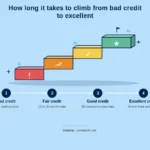
- The Credit History Challenge: Most undergraduate students lack the credit history required for private lending. If you must go private, consider building credit through a secured credit card or authorized user status well before you need a loan.
- Budgeting and ROI: Because you are assuming the debt, you must treat your education like an investment. Research the average starting salary for your intended career. If your projected debt exceeds your first year’s expected salary, you may need to reconsider your institution or major.
- The "Soft Pull" Strategy: When researching private loans, use lenders that offer "soft" credit inquiries. This allows you to view your interest rate and eligibility without impacting your credit score.
Conclusion
The absence of parental support does not have to be a barrier to academic success. By meticulously leveraging federal aid, understanding the nuances of dependency status, and exercising extreme caution with private loan products, students can navigate the path to graduation on their own terms.
As the landscape of higher education finance continues to evolve—particularly with the upcoming changes to graduate lending limits—staying informed is your most valuable asset. If you find the complexity of the FAFSA or the variety of private lenders overwhelming, consider seeking professional guidance from financial aid counselors or independent consultants. Your education is a long-term investment; managing it with diligence today will pay dividends for decades to come.