









Insurance is often viewed as a necessary financial nuisance—a recurring premium paid for a promise that most consumers hope never to redeem. From quirky policies guarding celebrity sommeliers’ noses to eccentric alien abduction riders, the global insurance market offers protection against virtually every conceivable misfortune.
However, beneath the noise of hyper-specific marketing lies a fundamental question for financial planners and everyday consumers alike: Which policies are truly essential, which are conditionally vital, and when does it make sense to bypass insurance altogether in favor of self-insurance?
Understanding the architecture of personal risk management requires dissecting what you truly need, what you can safely skip, and how shifting economic philosophies—such as the Financial Independence, Retire Early (FIRE) movement—are reshaping modern financial resilience.
The Non-Negotiable Baseline: Health and Property Insurance
Financial advisors universally agree that regardless of demographic, income, or lifestyle, every individual requires two fundamental categories of protection from cradle to grave: health insurance and property insurance.
Health Insurance: The Shield Against Catastrophe
Medical emergencies operate on a strict rule of exclusivity: by the time a major health crisis strikes, it is universally too late to secure affordable coverage. Facing a life-threatening illness or severe traumatic injury without medical coverage can instantly evaporate a lifetime of savings or drive families into bankruptcy.
While comprehensive plans with low deductibles offer maximum peace of mind, budget-conscious consumers frequently pair a high-deductible health plan (HDHP) with a Health Savings Account (HSA). This configuration delivers a triple tax advantage: contributions are tax-deductible, funds grow tax-free, and withdrawals for qualified medical expenses are entirely tax-free. For those without employer-sponsored benefits, a robust marketplace of individual policies, gap coverage for job transitions, and self-employed health plans ensures that coverage remains accessible.
Property Insurance: Protecting the Roof Over Your Head
For homeowners, property insurance is rarely optional; mortgage lenders legally mandate it as a condition of financing. Homeowners insurance covers both the physical structure and the personal property inside it against perils like fires and severe weather. According to data compiled by HomeAdvisor, the average home fire incurs more than $12,600 in repairs, while total structural losses routinely climb well into six-figure territory.
Yet, renters frequently overlook property insurance to their ultimate detriment. Renters insurance is remarkably affordable—often costing less than $100 annually—yet it covers personal belongings and liability. When evaluating coverage, renters must ask a simple question: If a catastrophic fire reduced the apartment complex to ashes, could you comfortably absorb the total loss of your wardrobe, electronics, and furniture without severe financial hardship? If the answer is no, a renters policy is indispensable.
Chronology of Risk: Policies Needed Some of the Time
As individuals progress through different life stages—buying vehicles, starting families, purchasing real estate, or launching businesses—their exposure profile evolves. Matching insurance products to specific milestones prevents both under-insurance and wasted premium expenditures.
Phase 1: Mobility and Early Career
- Auto Insurance: Legally mandated for all registered drivers, auto policies start with basic liability to cover third-party damages in an accident. Drivers can layer on collision and comprehensive coverage to protect their own vehicles. Savvy consumers can mitigate rising ownership costs—which AAA estimates average over $9,200 annually—by leveraging good-driver discounts, maintaining strong credit histories, or intentionally scaling back the number of insured vehicles.
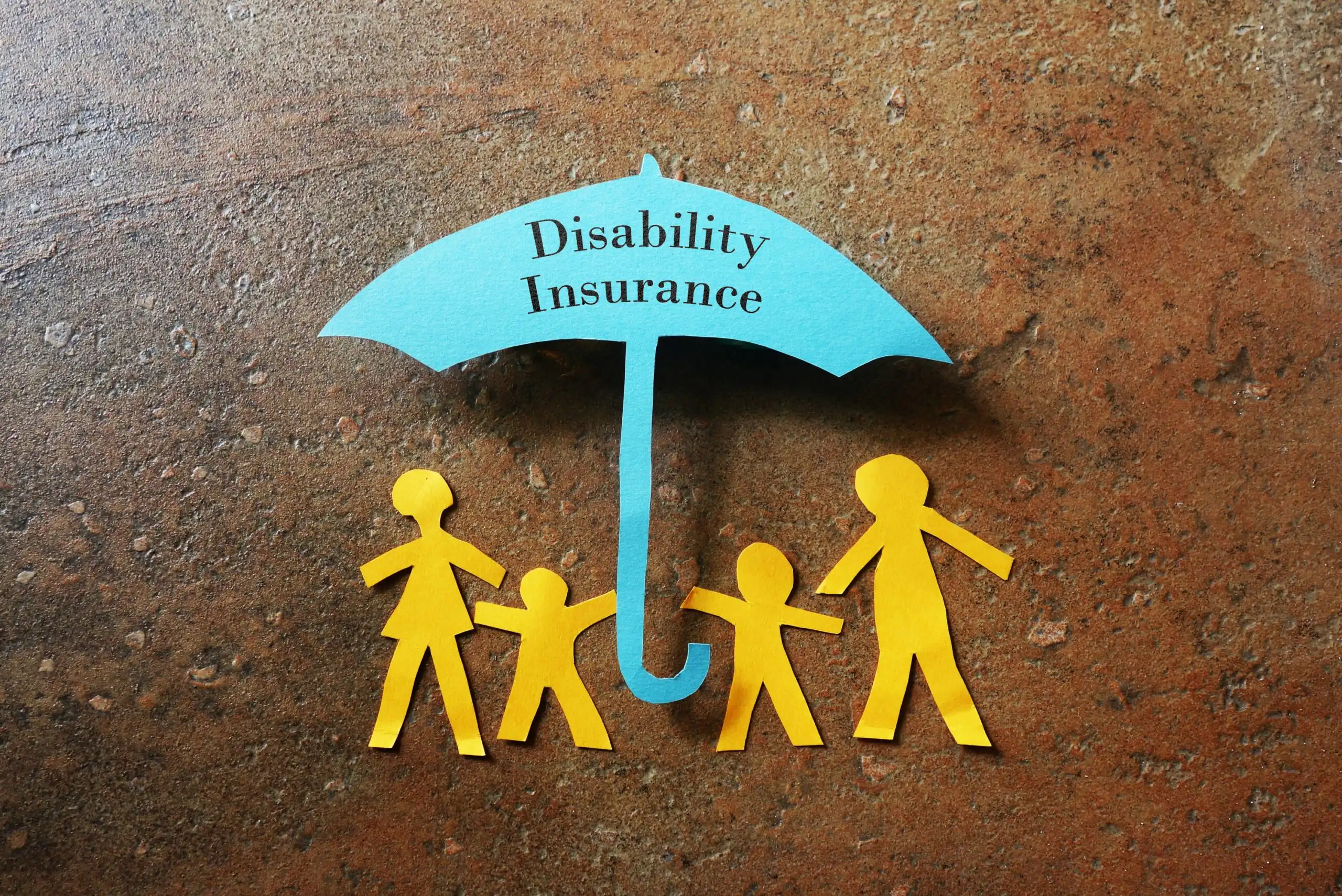
- Disability Insurance: Statistically, working-age adults face a much higher risk of disability than premature death. Industry data indicates that a 35-year-old worker has a roughly 50% chance of experiencing a disabling event lasting 90 days or longer before reaching retirement age. Furthermore, Simply Insurance reports that nearly half of all home foreclosures are triggered by an unexpected disability. Short-term and long-term disability policies bridge this gap by replacing lost wages when physical injury or illness prevents employment.
Phase 2: Family Formation and Real Estate Acquisition
- Life Insurance: Designed to protect dependents from financial devastation following a breadwinner’s untimely death, life insurance is vital for married couples, parents, and dual-income households relying on steady cash flow. Term life insurance offers pure protection for a specified duration, while whole life insurance incorporates an investment savings vehicle that builds cash value over decades.
- Flood & Title Insurance: Standard homeowners policies explicitly exclude flood damage. Homeowners situated near water tables, hillsides prone to runoff, or designated flood plains must secure separate flood insurance. Simultaneously, home buyers must purchase owner’s title insurance to protect their legal ownership rights against historical property disputes, undisclosed heirs, or fraudulent deed transfers.
- Umbrella Insurance: When catastrophic liability claims exceed the limits of standard auto or homeowners policies, umbrella insurance steps in. For instance, if an auto accident causes $500,000 in property damage but a standard auto policy caps liability at $200,000, umbrella insurance covers the remaining $300,000 deficit, shielding personal assets and future earnings from aggressive legal judgments.
Phase 3: Specialized Assets and Enterprise
- High-Value Items & Pet Insurance: Sentimental or high-value assets—such as family heirloom engagement rings or rare art—frequently exceed standard policy caps and require specific riders. Similarly, pet health insurance has expanded into a multi-billion-dollar market, helping owners manage escalating veterinary bills for chronically ill or injured animals.
- Small Business Insurance: Entrepreneurs require a bespoke suite of policies, including Professional Liability (Errors & Omissions) to guard against professional mistakes, Workers’ Compensation to cover employee injuries, Product Liability for physical goods, and Key Person Life Insurance to protect an enterprise against the sudden loss of an irreplaceable founder or executive.
Supporting Data: The Economics of Risk and Premiums
To evaluate whether an insurance product offers genuine value, consumers must weigh the statistical probability of a claim against the compounding cost of annual premiums.

- The Pet Industry Boom: The North American Pet Health Insurance Association values the domestic pet insurance market at approximately $1.2 billion, reflecting growing consumer demand for advanced veterinary care mitigation.
- Disability Vulnerability: Approximately 5% of the American workforce suffers a non-work-related short-term disability annually, underscoring the statistical necessity of income-replacement products.
- The Retirement Income Gap: With traditional corporate pensions rapidly disappearing, annuities have emerged as a critical financial bridge. By converting a lump sum or series of payments into guaranteed lifetime income, annuities protect retirees against the risk of outliving their nest eggs.
Official Responses and Industry Perspectives
Insurance regulators and consumer advocacy groups continuously monitor market practices, emphasizing transparency and consumer due diligence.
Industry regulators stress that while mandatory policies (such as auto and mortgage-linked property insurance) are non-negotiable, consumers should regularly audit optional coverages. Insurance comparison platforms, such as PolicyGenius and Lemonade, have fundamentally altered the marketplace by allowing consumers to benchmark rates across dozens of carriers in minutes. This digital transparency has forced traditional insurers to streamline underwriting and offer more competitive pricing.
However, consumer protection advocates simultaneously issue warnings regarding high-pressure sales tactics. Insurers frequently leverage emotional marketing—particularly in pet insurance and life insurance—urging consumers to purchase maximum coverage based on emotional attachment rather than objective risk analysis. Regulatory bodies consistently advise buyers to read policy exclusions carefully, particularly regarding pre-existing conditions in health and pet policies, or flood exclusions in standard property contracts.
Implications: The Rise of Insurance Alternatives
Traditional insurance is not the only mechanism for financial protection. For financially disciplined individuals, building alternative safety nets can often replace the need for specific commercial insurance policies.
1. Deep Cash Reserves and Emergency Funds
Maintaining a robust emergency fund containing three to six months’ worth of living expenses acts as an internal insurance policy. While cash reserves cannot cover a catastrophic half-million-dollar liability lawsuit, they can easily absorb temporary setbacks, minor medical expenses, or short-term gaps in employment—effectively eliminating the need for short-term disability insurance or ancillary coverage plans.
2. Layered Liquid Assets and Unused Credit
Sophisticated investors avoid letting tens of thousands of dollars sit idly in low-yield checking accounts where inflation erodes purchasing power. Instead, they construct layered liquidity frameworks using high-yield savings accounts, money market accounts, short-term Treasury bond exchange-traded funds (ETFs), and unused credit lines (such as low-APR credit cards or home equity lines of credit). This multi-tiered approach provides immediate capital access during emergencies without the burden of ongoing premium payments.
3. The FIRE Movement Paradigm Shift
The Financial Independence, Retire Early (FIRE) movement offers a radical perspective on risk management. Individuals who achieve financial independence—generating enough passive income from investments, dividends, or rental properties to cover living expenses entirely—fundamentally alter their insurance needs.
A couple that successfully reaches financial independence in their early 30s no longer requires life insurance, disability insurance, or retirement annuities. If one partner passes away, the surviving partner’s lifestyle remains insulated because income is derived from joint investment assets rather than active employment. By eliminating unnecessary insurance premiums, these individuals redirect capital directly into wealth-generating investments, accelerating their path to total financial self-reliance.
Final Word
Insurance remains an indispensable tool for managing the unpredictable hazards of human life. While nobody needs every niche policy on the market—from sommelier palate coverage to alien abduction riders—every consumer must maintain a rock-solid foundation of health and property insurance.
Beyond those baselines, the decision to purchase auxiliary policies—such as auto, life, umbrella, or disability coverage—should be dictated by personal life stages, family dependencies, and asset exposure. When commercial insurance proves too costly or redundant, disciplined alternatives like deep cash reserves, tax-sheltered accounts, and passive income streams can successfully take its place. Ultimately, while you do not need every type of insurance, you must have a comprehensive, deliberate plan for every type of emergency.