









Main Facts
In the intricate tapestry of modern life, financial stability often feels like a delicate balance. Even the most meticulously planned budgets can be disrupted by the sudden, often unwelcome, arrival of unexpected expenses. From a car failing before payday to a significant medical bill appearing post-insurance, or a water heater giving out on a weekend, these moments are not just inconvenient; they are profound tests of an individual’s financial preparedness. Such unforeseen costs, if not adequately addressed, can quickly spiral from a short-term setback into a lasting burden of debt, stress, and compromised future goals. The core challenge lies in building sufficient "financial room" – a buffer that allows households to respond with control, make informed decisions, and avoid reliance on costly, reactive solutions.
A recent study by the Federal Reserve indicated that a significant portion of American adults would struggle to cover an unexpected $400 expense, highlighting a widespread vulnerability. This statistic underscores a critical need for proactive financial planning, not merely as a theoretical exercise but as an essential safeguard for daily life. The primary strategies for cultivating this resilience revolve around establishing robust emergency savings, implementing a realistic and dynamic budget, understanding and leveraging insurance, proactively addressing existing financial vulnerabilities, and pre-planning for backup financial options. Together, these pillars form a comprehensive defense against the inevitable shocks that life delivers, transforming potential crises into manageable challenges.
Chronology: A Step-by-Step Approach to Financial Fortification
Building a robust financial defense against unexpected expenses is a sequential process, often requiring a shift in mindset from reactive problem-solving to proactive preparedness. Each step builds upon the last, creating layers of security.
1. Cultivating a Robust Cash Buffer: The Emergency Fund Imperative
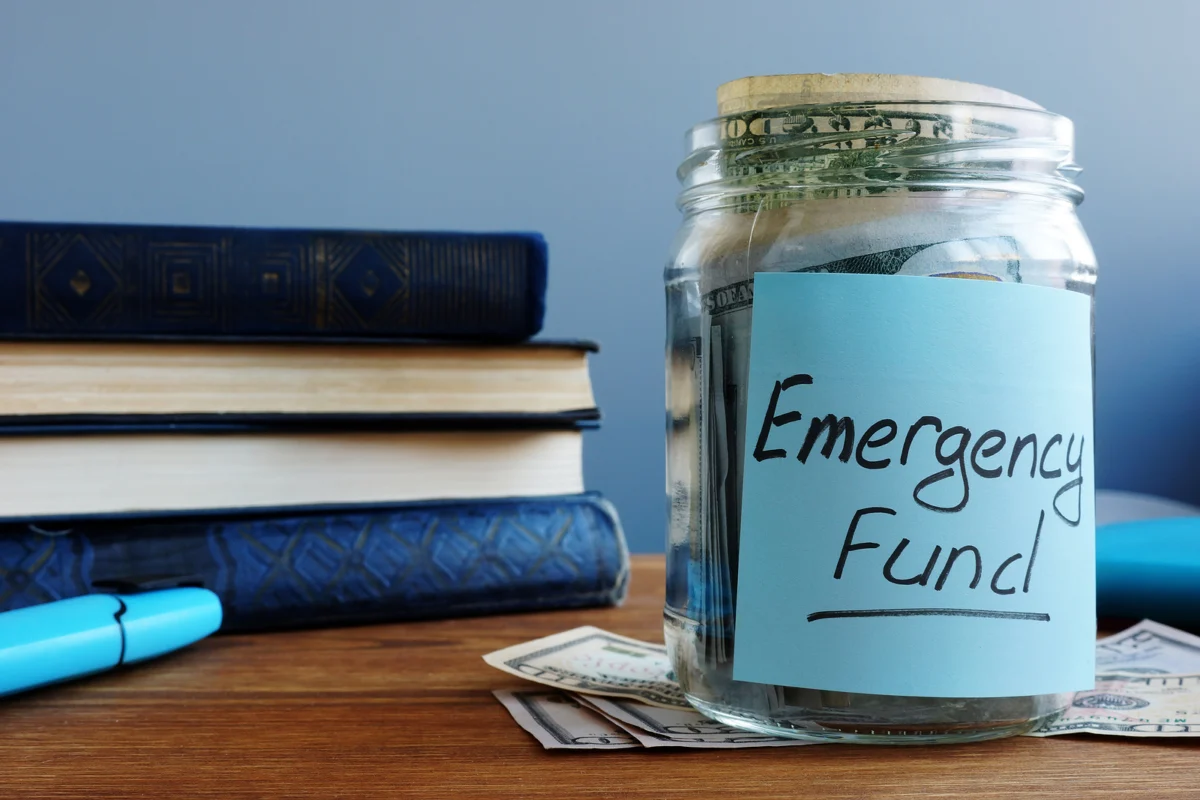
The immediate and most potent antidote to financial stress is readily available cash. This is the fundamental premise behind an emergency fund – a dedicated pool of money specifically earmarked for unforeseen events. Its importance cannot be overstated, acting as the first line of defense against financial derailment. The goal isn’t to achieve a perfect savings amount overnight, but rather to systematically build access to funds before external pressures mount.
Establishing a Dedicated Savings Account: The most effective strategy involves segregating emergency money from everyday spending. A separate savings account, ideally one that is easily accessible but not linked to immediate debit card transactions, prevents accidental spending. This psychological barrier helps reinforce the fund’s purpose. Even modest, consistent deposits—such as a small weekly transfer of $25 or $50—can accumulate remarkably over several months, transforming into a meaningful cushion. Automation is key here; setting up recurring transfers ensures consistent growth without requiring conscious effort each time.
Setting Achievable Targets: For many, the initial goal can feel daunting. Financial experts often recommend starting small. A useful initial target is to save at least $500 to $1,000. This amount can cover many common minor emergencies, such as a sudden car repair, a utility bill spike, or an unexpected medical co-pay. Once this foundational target is reached, the focus shifts to more ambitious, longer-term goals. The widely accepted benchmark for a fully funded emergency fund is three to six months’ worth of essential living expenses. This includes rent/mortgage, utilities, groceries, transportation, and insurance – essentially, the bare minimum needed to sustain life if income were suddenly interrupted. For households with variable incomes, dependents, or less stable employment, aiming for six to twelve months might be a more prudent strategy. This phased approach makes the overall goal less overwhelming and builds momentum as each milestone is met.
2. Mastering Your Money: The Art of Realistic Budgeting
A budget is not a restrictive financial straitjacket but rather a strategic roadmap for your money. Its efficacy, however, hinges on its accuracy and realism. A budget only truly works when it reflects actual spending habits, not aspirational guesses. Many individuals are acutely aware of their major fixed expenses – rent, loan payments, insurance premiums – but often overlook the "smaller leaks" that quietly erode financial resources.
Unmasking Hidden Spending: The first step towards a stronger budget is a forensic examination of one full month’s worth of transactions. This exercise, conducted without judgment, often reveals surprising patterns. Delivery fees, streaming subscriptions, convenience purchases, impulse buys, and even daily coffee runs can collectively reduce the money available for savings or emergencies. Digital banking tools and budgeting apps can automate this tracking, categorizing expenses and providing clear visual representations of spending habits.
Categorizing for Clarity and Control: A robust budget structure separates spending into distinct, manageable groups. Common categories include:
- Fixed Bills: Predictable, recurring costs like rent/mortgage, loan payments, and insurance.
- Variable Essentials: Necessary but fluctuating expenses such as groceries, utilities, and transportation.
- Debt Payments: Minimum payments on credit cards, personal loans, etc.
- Savings: Dedicated allocations for emergency funds, retirement, and other goals.
- Flexible/Discretionary Purchases: Non-essential spending like entertainment, dining out, and hobbies.
This structured approach ensures that every dollar has an assigned purpose before it is spent, minimizing the likelihood of funds disappearing without a trace. It fosters intentional spending, aligning expenditures with current financial priorities.
The Flexible, Livable Budget: The most useful budget isn’t necessarily the strictest or most restrictive; it’s the one that can adapt to real life. An overly rigid budget is prone to failure and discouragement. Instead, a sustainable budget incorporates room for occasional discretionary spending while prioritizing savings and essential needs. When money has already been consciously assigned to savings, repairs, healthcare, and irregular bills, unexpected costs cause less disruption. This pre-allocation provides financial breathing room, transforming a potential financial surprise into a manageable line item within a well-thought-out plan. It shifts the emotional response from panic to methodical problem-solving.
3. Proactive Backup Planning: Exploring Options Before Crisis Hits
When an urgent expense materializes, the worst possible time to research and compare financial options is often in the heat of the moment. Stress narrows focus, deadlines shorten patience, and the urgency can make even expensive choices seem acceptable simply because they offer immediate relief. This reactive posture frequently leads to suboptimal decisions that carry long-term financial consequences.
Beyond Savings: A Multi-faceted Approach: While savings should always be the primary defense, not every emergency neatly fits within a savings balance. Therefore, it’s crucial to identify and understand potential backup resources well in advance of a crisis.
- Insurance Policies: As discussed later, adequate insurance is a fundamental backup.
- Employer Assistance Programs: Many companies offer employee assistance programs (EAPs), short-term disability, or even hardship loans. Understanding these benefits before they’re needed can provide a valuable safety net.
- Payment Plans: For large, essential expenses (e.g., medical bills, appliance repairs), negotiating a payment plan directly with the service provider can often alleviate immediate pressure without incurring high-interest debt.
- Carefully Reviewed Financing Options: In situations where immediate cash is unavailable and other options are exhausted, exploring financing products might be necessary. This includes personal loans from banks or credit unions, or even online lenders like CreditNinja. The critical element here is due diligence. Before committing to any financial product, thoroughly understand the repayment schedule, interest rates, all associated fees, and the total cost of borrowing. Crucially, assess the impact of these new payments on your existing monthly budget to avoid compounding financial stress. Good preparation empowers individuals with choices, ensuring that decisions are made based on sound financial analysis rather than sheer speed or desperation.
4. Fortifying with Insurance: Shielding Against Catastrophic Losses
Insurance is often perceived as a necessary evil, something paid for but hopefully never used. Consequently, it often receives attention only after an unfortunate event has occurred. By then, the specifics of a policy can either provide immense relief or expose costly, unforeseen gaps in coverage. While insurance may not feel urgent during stable months, it becomes one of the most vital components of a comprehensive financial protection strategy.
Understanding Your Coverage: Health, auto, renters, homeowners, and disability coverage each protect against different, potentially devastating risks. However, simply having a policy is not enough. A household with an inappropriate deductible, outdated coverage limits, or crucial exclusions may still face a substantial bill even after filing a claim. Regular policy review is therefore essential. Policyholders should actively check:
- What is Covered: The specific events or damages the policy will address.
- What is Excluded: Common exclusions that might surprise policyholders (e.g., flood damage not covered by standard homeowners insurance).
- Deductibles: The amount that must be paid out-of-pocket before benefits begin. A higher deductible typically means lower premiums, but requires a larger immediate cash outlay during a claim.
- Coverage Limits: The maximum amount the insurer will pay for a covered loss. Ensure these limits are sufficient to cover potential damages or liabilities.
Adapting to Life Changes: Life is dynamic, and insurance needs evolve accordingly. A new apartment, the purchase of a new vehicle, the arrival of a child, a change in job, or a significant shift in income level can all alter the amount and type of protection required. For instance, renters insurance becomes crucial when moving into an apartment, while increased income might warrant higher liability coverage. Disability insurance gains significance as one’s earning potential grows. Regular reviews, ideally annually or whenever a major life event occurs, ensure that coverage remains adequate and aligned with current circumstances.
Insurance does not prevent emergencies from happening, but it dramatically reduces the financial damage they inflict. A well-matched policy can protect hard-earned savings, limit the accumulation of debt, and prevent a single major event from overwhelming every other financial goal.
5. Eliminating Financial Weaknesses: Strengthening the Core
Some households struggle with unexpected expenses not necessarily because their income is too low, but because too many existing financial obligations are already competing for each paycheck. High-interest debt, unused subscriptions, large car payments, and insufficient savings can collectively leave very little financial room for maneuvering when a surprise cost arises.
Tackling High-Interest Debt: Credit card balances with high annual percentage rates (APRs) deserve immediate and focused attention. These balances can grow rapidly, even with consistent minimum payments, effectively creating a financial treadmill. Prioritizing the payoff of these high-interest debts, perhaps using strategies like the debt snowball (paying off smallest balance first for psychological wins) or debt avalanche (paying off highest interest rate first for mathematical efficiency), can free up significant cash flow and reduce monthly financial pressure. Each dollar freed from debt payments becomes available for savings or other priorities.
The Power of a Strong Credit Score: A healthy credit score is a silent, yet powerful, asset in financial preparedness. Strong credit may lead to better terms and lower interest rates when borrowing becomes necessary for larger, planned expenses or in unforeseen circumstances. It can also influence insurance premiums, housing opportunities, and even employment prospects. Regularly checking credit reports for accuracy and actively working to improve a score through timely payments and responsible credit utilization is an ongoing, valuable effort. This work can often feel slow, but even incremental progress counts. Each reduced balance, canceled unnecessary charge, and added savings deposit gives the household more control and flexibility. Over time, fewer decisions are made from a place of panic, and more are made from a position of thoughtful preparation and strength.
Official Responses: Institutional Support and Recommendations
Financial preparedness is not solely an individual endeavor; it is supported and influenced by various official bodies, financial institutions, and government initiatives.
The Role of Financial Institutions: Banks and credit unions are primary facilitators of emergency savings. They offer various savings account options, often with features like automatic transfers and competitive interest rates, designed to encourage consistent saving. Beyond savings, these institutions provide a range of credit products, including personal loans and lines of credit, which can serve as backup options. However, it is incumbent upon consumers to critically evaluate the terms and conditions of these products, a task made easier by proactive planning rather than crisis-driven urgency. Mortgage lenders and auto loan providers also offer payment deferral programs in certain hardship situations, though these often come with interest accrual or extended repayment periods.
Government and Regulatory Bodies: Organizations like the Consumer Financial Protection Bureau (CFPB) play a crucial role in promoting financial literacy and protecting consumers. They offer extensive resources, guides, and tools to help individuals understand budgeting, debt management, and financial product terms. Government initiatives, such as those promoting financial education in schools or offering tax incentives for retirement savings (which can sometimes be tapped in emergencies, albeit with penalties), indirectly support emergency preparedness. While there isn’t a direct "official response" to every personal financial emergency, the broader regulatory framework aims to ensure transparency and fairness in financial markets, empowering consumers to make better choices.
Non-Profit and Advisory Organizations: Numerous non-profit organizations and certified financial planners provide invaluable guidance. Credit counseling agencies offer structured programs for debt management, while financial literacy workshops help individuals build essential money management skills. These bodies often provide an "official" recommendation for best practices in budgeting, saving, and debt reduction, reinforcing the strategies outlined above.
Implications: The Far-Reaching Benefits of Financial Resilience
The implications of building a strong financial base extend far beyond merely covering a sudden expense. They touch upon personal well-being, societal stability, and the ability to pursue life’s broader aspirations.
Personal Empowerment and Well-being: At an individual level, financial preparedness significantly reduces stress and anxiety. The constant worry about "what if" can take a severe toll on mental and even physical health. Knowing that a financial buffer exists, that a budget is in place, and that backup options have been considered fosters a profound sense of security and control. This empowerment allows individuals to make life choices – career changes, educational pursuits, family planning – with greater confidence, free from the paralyzing fear of financial catastrophe. It cultivates an internal locus of control, shifting individuals from feeling like victims of circumstance to active managers of their financial destiny.
Breaking Cycles of Debt and Poverty: On a broader societal scale, increased financial resilience can help break cycles of high-interest debt and poverty. When individuals are forced to rely on predatory lending or default on essential payments due to unexpected costs, it creates a downward spiral that is difficult to escape. By having the means to absorb shocks, households are less likely to fall into these traps, contributing to greater economic mobility and stability within communities. This collective resilience strengthens the overall economy, as consumers are more confident and less prone to financial contagion during downturns.
Freedom to Thrive, Not Just Survive: Ultimately, the value of preparation is not just in surviving a crisis, but in the freedom it affords to thrive. It’s felt in that quiet moment when a bill arrives, a repair is needed, or income is interrupted, and the immediate response doesn’t have to be frantic. Money has already been set aside. Options have already been reviewed. The next step is clear and deliberate. This methodical response preserves mental energy, allows for reasoned decision-making, and prevents a single setback from derailing long-term goals like homeownership, retirement, or higher education. Financial confidence, cultivated before the storm, gives people steadier choices when life inevitably becomes expensive without warning, allowing them to focus on recovery and future growth rather than immediate panic.
Photo by www.kaboompics.com: Pexels