







In the modern retail landscape, the line between success and stagnation is increasingly defined by a single factor: digital maturity. As consumer expectations for speed, accuracy, and personalization reach an all-time high, brick-and-mortar and omnichannel retailers are turning to automation not merely as a cost-saving measure, but as an essential strategy for survival. By integrating intelligent software and hardware, retailers are transforming their back-end operations into high-performance engines, freeing up human talent to focus on what truly matters—the customer experience.
The State of Retail Automation: Main Facts
Retail automation is the application of technology to perform routine, repetitive tasks—such as inventory tracking, payment processing, and customer inquiries—without constant manual intervention. According to industry data, businesses that successfully implement automation report significant shifts in operational efficiency, with some supply chain improvements yielding cost reductions of up to 20%.
The core objective of automation is twofold:

- Operational Efficiency: Reducing the human error inherent in manual data entry and repetitive physical labor.
- Resource Reallocation: Shifting high-value employees away from "busy work" toward strategic roles that enhance customer engagement and brand loyalty.
Chronology: The Evolution of Modern Retail
The trajectory of retail technology has moved rapidly from simple digital point-of-sale (POS) systems to interconnected, AI-driven ecosystems.
- Phase 1 (The Digitization Era): Retailers transitioned from paper ledgers to digital POS systems, providing the first real look at sales data.
- Phase 2 (The E-commerce Surge): The rise of online shopping necessitated better inventory visibility, pushing retailers to adopt cloud-based management platforms.
- Phase 3 (The Automation Integration): We are currently in the era of "Smart Retail," where AI-driven inventory management, chatbots, and self-service kiosks function as an integrated network rather than siloed tools.
Inventory Management: The Backbone of Profitability
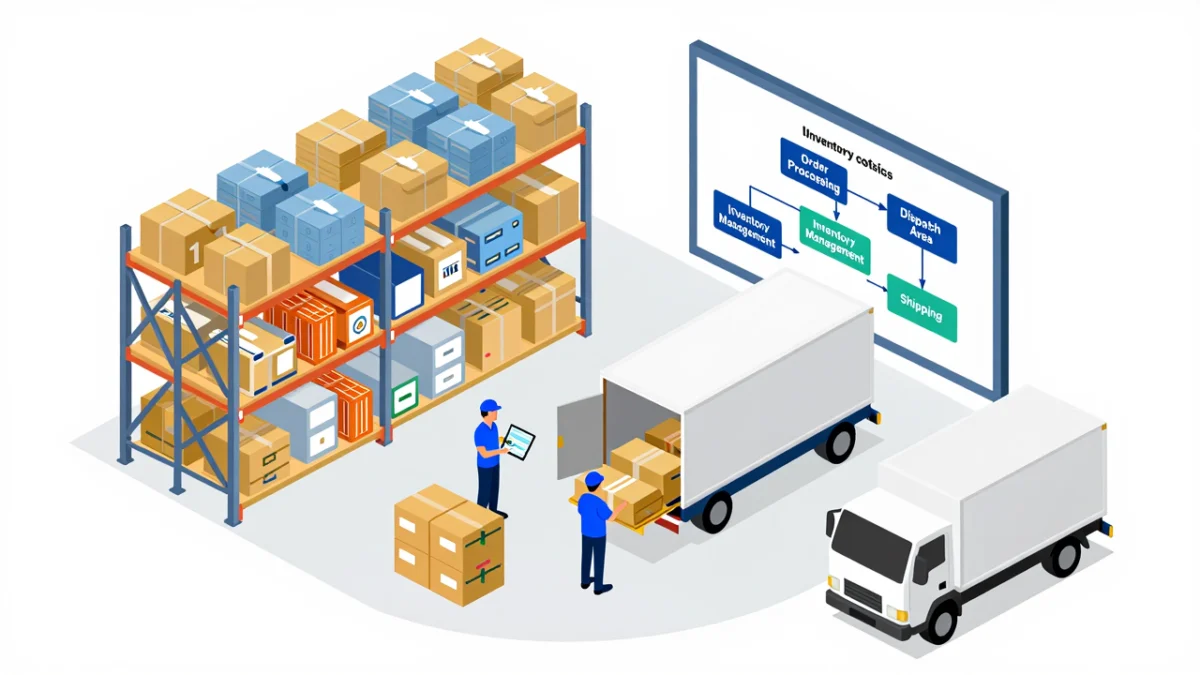
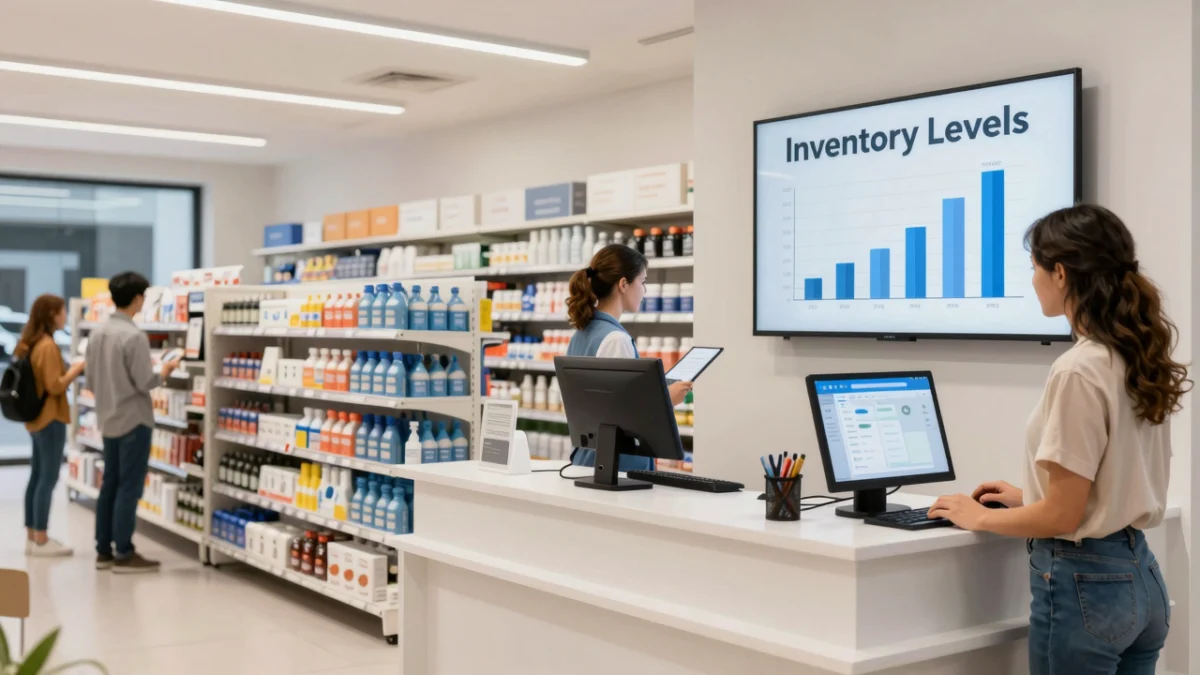
The most critical area for immediate automation is inventory management. Traditional methods of manual cycle counting are prone to human error, often leading to the twin nightmares of retail: overstocking (which ties up capital) and stockouts (which result in lost sales and customer frustration).
By utilizing automated real-time tracking, retailers can establish "smart thresholds." When an item reaches a specific stock level, the system triggers an automatic purchase order to the supplier. This predictive approach, fueled by historical sales data and seasonal trend analysis, ensures that popular products are always available while reducing the need for massive, risky inventory buffers. Furthermore, incorporating robotic process automation (RPA) in warehouses can reduce discrepancies by up to 15%, ensuring that the "digital inventory" perfectly mirrors the physical reality on the shelf.

Elevating Customer Service Through AI
The human element of customer service is invaluable, but it should not be squandered on answering repetitive questions like "What are your store hours?" or "Where is my order?"
Platforms like ManyChat have revolutionized how small-to-medium enterprises handle inquiries. By deploying chatbots that operate 24/7, businesses ensure that customers receive immediate responses regardless of time zones or staff availability. This creates a friction-free experience that keeps customers engaged.
Beyond instant responses, automation allows for sophisticated relationship management. Automated email campaigns—triggered by customer behavior, such as abandoned carts or birthdays—foster a sense of personalization. By utilizing tools like Process Street to manage internal workflows, staff are alerted to follow up with high-value customers, ensuring that human intervention is reserved for the moments that require empathy, complex problem-solving, or deep product expertise.

The Self-Service Revolution: Optimizing Checkout
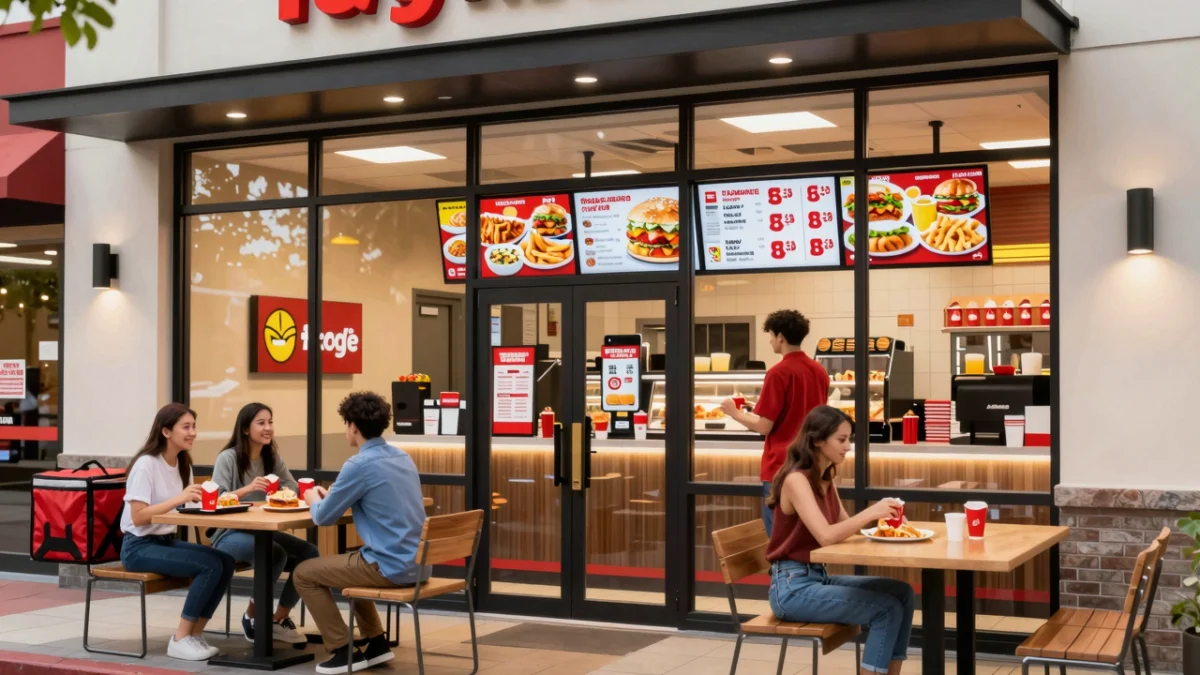
The checkout process is often the final touchpoint of the customer journey. Long queues are a primary deterrent to repeat visits. Self-service kiosks offer a solution that balances speed with convenience.
Modern kiosks are more than just payment terminals; they are integrated hubs that handle barcode scanning, loyalty program integration, and real-time inventory updates. By shifting low-complexity transactions to kiosks, retailers can reduce checkout times by up to 50%. This doesn’t just improve efficiency; it fundamentally changes the store environment. Employees previously tethered to a register are now free to roam the floor, acting as brand ambassadors who can provide product demonstrations, personalized recommendations, and elevated service.
Data Analytics: The Engine of Smarter Decision-Making
Automation is not just about doing things faster; it is about doing them smarter. Data analytics provides the roadmap for future growth. By aggregating data from POS systems, customer loyalty apps, and online traffic, retailers can build a comprehensive view of their business performance.

Retailers should focus on three key analytical pillars:
- Predictive Sales Modeling: Using historical data to forecast demand spikes, allowing for better labor and inventory scheduling.
- Customer Sentiment Analysis: Aggregating feedback from chatbots and surveys to identify pain points in the store experience.
- Operational Benchmarking: Tracking KPIs such as "transactions per hour" or "inventory turnover rate" to identify which automated processes are yielding the highest ROI.
Supporting Data and Implications
The transition to an automated retail model is supported by a growing body of evidence. Studies indicate that companies that leverage AI-driven supply chain solutions improve their service levels by approximately 15%. However, the implications extend beyond mere metrics.
- Economic Impact: While the initial investment in software, hardware, and staff training can be significant, the long-term reduction in labor costs and the increase in sales volume provide a compelling ROI.
- Workforce Evolution: There is often a fear that automation replaces jobs. In reality, it redefines them. Employees move from repetitive data-entry roles to customer-centric roles, which are generally more satisfying and lead to higher retention rates.
- Competitive Positioning: Retailers who fail to automate are increasingly unable to match the prices, speed, and convenience offered by their more technologically advanced competitors.
Frequently Asked Questions (FAQ)
What is the most critical first step in retail automation?
Start with an audit of your current pain points. If you are constantly running out of stock, prioritize inventory automation. If your staff is overwhelmed by phone calls, start with a chatbot. Do not try to automate everything at once; focus on the area that offers the highest immediate impact on your bottom line.

How do I handle staff resistance to new technology?
Transparency is key. Explain that automation is designed to remove the "drudge work" from their day, not to replace them. Involve them in the selection process, provide comprehensive training, and highlight how these tools make their specific jobs easier and more rewarding.
What are the ongoing maintenance requirements?
Automation is not a "set it and forget it" solution. You must schedule regular software updates to maintain security, perform routine hardware inspections on kiosks and scanners, and conduct periodic reviews of your workflows to ensure they still align with your business goals.
How do I ensure my data remains secure?
As you automate, your reliance on digital infrastructure increases. Invest in reputable software providers that offer robust encryption, ensure your systems are compliant with data privacy regulations, and maintain consistent, off-site backups of all critical business data.

Conclusion: The Path Forward
The shift toward automated retail is a definitive trend, not a passing fad. By integrating inventory management, AI-driven customer service, self-service checkout options, and robust data analytics, retailers can create a resilient, profitable, and customer-focused enterprise.
While the journey of digital transformation requires an upfront commitment of time, capital, and training, the rewards are clear: a more efficient operation, a more engaged workforce, and a significantly improved customer experience. The tools are available, the data is compelling, and the time for retailers to embrace the power of automation is now. Those who act today will be the ones defining the retail experience of tomorrow.