







By PYMNTS
July 2, 2026
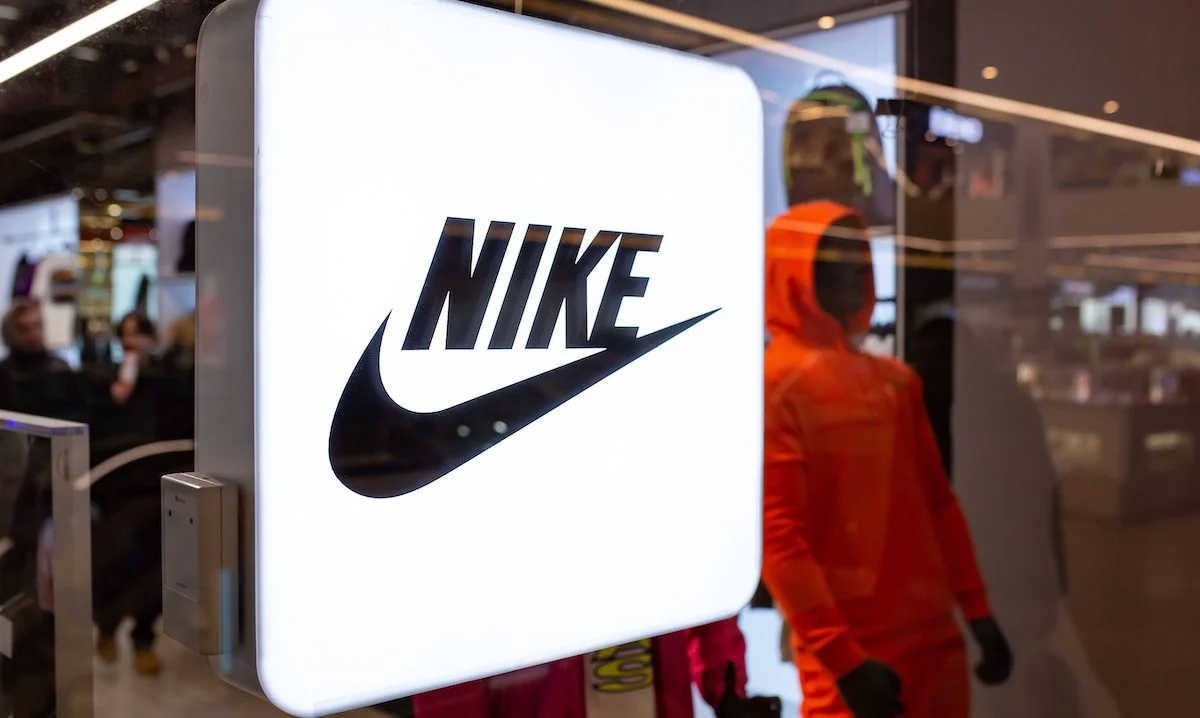
In a startling disclosure that underscores the complex interplay between international trade policy and corporate finance, global sportswear titan Nike Inc. has announced it expects to receive a nearly $1 billion tariff refund from the federal government. The revelation, delivered alongside the company’s fiscal 2026 fourth-quarter and full-year earnings report, presents a complex narrative of fiscal recovery contrasted against a backdrop of stagnant sales and mounting legal challenges from a consumer base demanding its own piece of the pie.
As Nike navigates a "dynamic cost headwind," the $1 billion influx acts as a temporary stabilizer for a company grappling with a softening global consumer market and the lingering effects of controversial trade policies.
The Core Financial Snapshot
The fiscal year 2026 has proven to be a test of resilience for the Beaverton, Oregon-based giant. Nike reported full-year revenues of $46.4 billion, a figure that remained flat on a reported basis and actually declined by 2% when adjusted for currency fluctuations. The fourth quarter was equally sobering, with revenues totaling $11 billion—a 1% decrease on a reported basis and a 4% decline on a currency-neutral basis.
CEO Elliott Hill, in his assessment of the quarterly performance, painted a picture of a "more challenging" operating environment. While the year began with momentum in March—particularly within the North American market—the narrative shifted by mid-April. Retail sales trends began a distinct deceleration, signaling that the global consumer is under significant financial pressure.
"Our consumer is under pressure around the world, and we can particularly see it having a larger impact on sportswear, which declined double digits in the quarter with a similar decline in retail sales," Hill noted during the earnings call.
A Chronology of the Tariff Controversy
The roots of the current situation trace back to the implementation of the "Liberation Day" tariffs, an executive trade policy introduced by the Trump administration. These levies, designed to protect domestic industries, effectively increased the landed cost of goods imported by companies like Nike.
- Policy Implementation: Upon the introduction of the tariffs, Nike, like many other multinational retailers, adjusted its pricing structures to offset the increased import costs. These expenses were effectively passed down to the consumer at the point of sale.
- Legal Pushback: The constitutionality of these tariffs was the subject of a protracted legal battle that culminated in a Supreme Court ruling earlier in 2026. The high court ultimately declared the "Liberation Day" tariffs illegal, triggering a retroactive reversal of the policy.
- The Refund Mechanism: With the tariffs declared invalid, the federal government began the process of issuing refunds to companies that had paid the levies. Nike, as one of the largest importers of apparel and footwear, stands to recover nearly $1 billion.
- The May 2026 Litigation: In May 2026, a class-action lawsuit was filed by consumers against Nike. The plaintiffs allege that because Nike passed the cost of these illegal tariffs on to them in the form of higher retail prices, the company is not entitled to keep the federal refund.
Macroeconomic Headwinds and Consumer Behavior
Chief Financial Officer Matthew Friend emphasized that the tariff issue is merely one component of a broader, more volatile economic landscape. In his remarks to investors, Friend highlighted a confluence of disruptive factors, including geopolitical instability in the Middle East, fluctuating fuel prices, and systemic weakness in retail store traffic.
"These assumptions reflect the macro environment as it stands today, and we are not expecting the environment to improve meaningfully over the next six months," Friend stated.
This sentiment is echoed by recent PYMNTS Intelligence research, which suggests that while the desire for consumption remains intact, the ability to consume is being dictated by the harsh reality of household bills. The "sentiment split" observed among consumers—where optimism about the future is often derailed by the arrival of monthly invoices—has created a paradox for retailers. Consumers want the product, but their purchasing power is being deferred, creating a "wait-and-see" approach to non-essential spending.
The Legal Implications: Who Owns the Refund?
The most contentious element of this fiscal update is the pending litigation regarding the $1 billion refund. The plaintiffs’ argument is rooted in the concept of "unjust enrichment." They contend that Nike essentially acted as a conduit for the tariff, collecting it from the consumer and paying it to the government. By receiving a refund from the government, the plaintiffs argue, Nike is being made "whole" twice, while the consumer remains burdened by the original, inflated prices.
"Nike has made no legally binding commitment to return tariff-related overcharges to the consumers who actually paid them," the plaintiffs stated in their complaint. "Unless restrained by this court, Nike stands to recover the same tariff payments twice—once from consumers through higher prices and again from the federal government through tariff refunds."
From a corporate governance perspective, Nike’s position is likely that the tariffs were a business expense—a cost of doing business that was baked into their pricing strategy, similar to labor costs or raw material prices. Whether the court views this as a standard business expense or a pass-through cost will set a massive legal precedent for how future trade disputes and tariff reversals are handled across the retail sector.
Strategic Outlook: Beyond the Balance Sheet
As Nike looks toward the latter half of 2026 and into 2027, the management team faces the task of managing shareholder expectations while navigating the public relations nightmare of the lawsuit.
1. Supply Chain Resilience
The "dynamic cost headwind" cited by Hill suggests that Nike is looking to diversify its manufacturing footprint to mitigate the impact of future trade shocks. By shifting production away from regions vulnerable to geopolitical volatility, the company aims to reduce its reliance on volatile import cost structures.
2. The Digital Pivot
Despite the downturn in physical retail, Nike’s digital channels remain a critical focus. The company is leaning into direct-to-consumer (DTC) strategies to gain better insights into consumer behavior. By shortening the feedback loop between the consumer and the manufacturer, Nike hopes to better predict when to offer promotions and when to maintain price integrity, even when consumer spending is tight.
3. Market Diversification
With the North American market showing signs of fatigue, Nike is intensifying its focus on emerging markets. While these regions also face inflationary pressures, the growth potential for sportswear in developing economies remains a hedge against the stagnation observed in more mature markets.
Conclusion: A Delicate Balancing Act
Nike’s impending $1 billion windfall is both a blessing and a burden. On the balance sheet, it provides a crucial buffer that could allow the company to weather the next two quarters of anticipated stagnation without resorting to drastic cost-cutting measures that might impair long-term brand equity.
However, the shadow of the consumer lawsuit hangs heavy over this financial victory. The outcome of this case will not only impact Nike’s bottom line but will also serve as a litmus test for corporate accountability in the era of populist trade policy. For investors, the takeaway is clear: while the refund provides a temporary boost, the underlying challenges—the "dynamic" cost environment, the fragile consumer, and the evolving legal landscape—remain the true arbiters of Nike’s future success.
As the company enters the next fiscal period, the focus will undoubtedly shift from the mechanics of the refund to the strategy for sustainable growth in an environment where the rules of global trade are being rewritten in real-time. Whether Nike chooses to address the consumer concerns through settlement or continues to fight the legal battle, the company must demonstrate that it remains the "legendary" brand that consumers trust, even when the financial landscape grows increasingly treacherous.