







By: PYMNTS & Industry Analysts
Published: September 16, 2026
Main Facts: Redefining Conversational Commerce
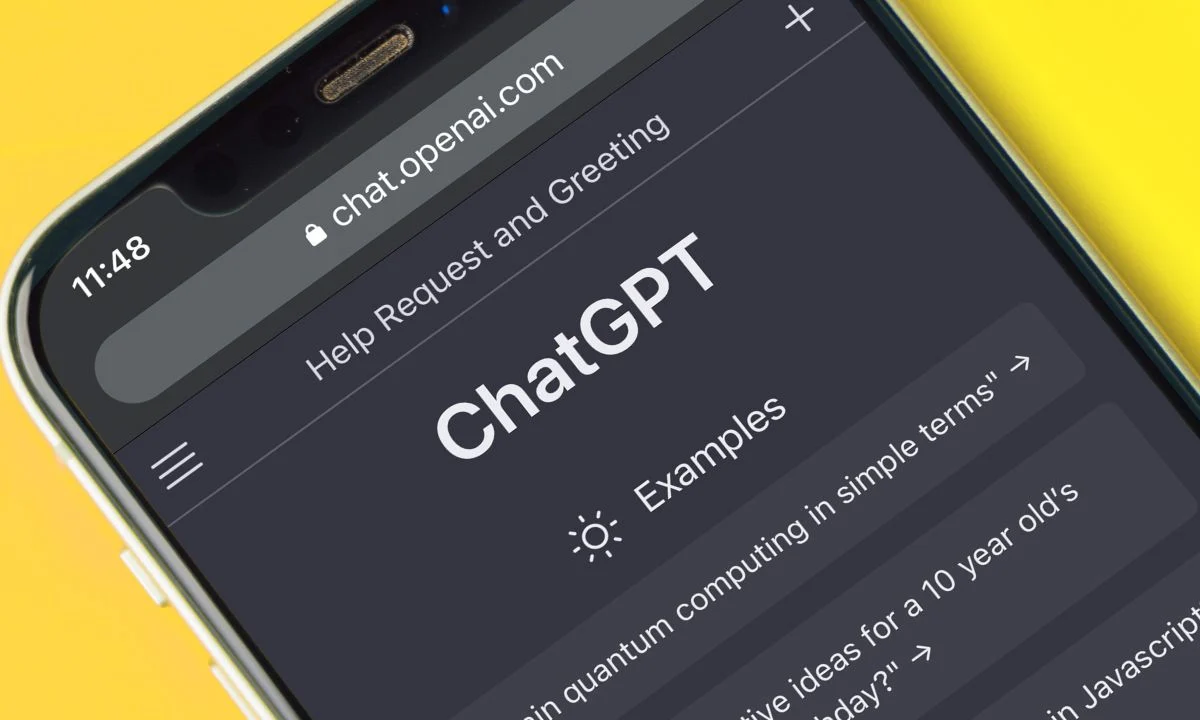
In a bold evolution of digital advertising, OpenAI has officially announced the rollout of user-facing trials for business-sponsored artificial intelligence agents within ChatGPT. Revealed in an official corporate blog post on Wednesday, September 16, 2026, the new feature allows users who interact with an ad on the platform to seamlessly transition into a dedicated, interactive dialogue with a brand-owned AI assistant.
Unlike traditional display ads or static links, these "Sponsored Agents" are designed to act as digital brand representatives. They can answer specific consumer inquiries, navigate product specifications, and help interested buyers explore diverse service offerings. According to OpenAI, these conversations are intentionally siloed—they remain entirely separate from the user’s primary, independent ChatGPT threads, ensuring that the integrity of the platform’s core AI responses is preserved without commercial bias.
This groundbreaking pilot phase is currently underway with a curated group of select advertisers across the United States. It marks a foundational milestone in how artificial intelligence interfaces with commercial intent, shifting the paradigm from passive viewing to active, conversational engagement. Alongside the launch of Sponsored Agents, OpenAI is simultaneously deploying a comprehensive suite of AI-native creation and management tools within its Ads Manager, alongside deep integrations with heavyweights like HubSpot and Shopify.
Chronology: The Rapid Trajectory of ChatGPT Ads
The journey toward conversational AI advertising has moved at an unprecedented velocity, reshaping digital marketing budgets and technology roadmaps in a matter of months.
January 2026: The Initial Announcement
OpenAI officially signaled its departure from a purely subscription-and-enterprise model by announcing plans to introduce native advertisements to ChatGPT users in the United States. The company outlined its intent to begin controlled live testing within weeks, sending ripples through the digital marketing landscape as competitors and brands braced for a shift in consumer search and discovery habits.
August 31, 2026: Reaching the Billion-Dollar Milestone
In a stunning testament to the immediate demand for AI-driven advertising real estate, OpenAI disclosed that its ChatGPT Ads business had rapidly scaled to an astonishing $1 billion annualized revenue run rate. By this date, the platform had already onboarded tens of thousands of active advertisers. Simultaneously, OpenAI announced a massive international expansion, bringing self-service ad purchasing through its Ads Manager to key global markets including India, Europe, the Middle East, and North Africa (EMEA/MENA).
September 16, 2026: Introducing Sponsored Agents
Building directly upon the commercial success of its foundational ad platform, OpenAI debuted its Sponsored Agents framework. Moving beyond basic sponsored text or banner placements, this feature represents the first time brands can deploy dynamic, conversational entities directly inside the ChatGPT interface to converse with potential customers in real time.
Supporting Data: By the Numbers
The explosive growth of OpenAI’s advertising ecosystem is underscored by significant financial and operational metrics:
- $1 Billion Run Rate: Achieved by late August 2026, just months after the initial announcement of ad integration, demonstrating exceptional monetization efficiency.
- Tens of Thousands of Advertisers: The platform has successfully attracted a vast base of early adopters, ranging from direct-to-consumer digital brands to major multinational corporations.
- Global Footprint: Following its initial U.S. rollout, ChatGPT Ads are now operational and expanding rapidly across Europe, India, the Middle East, and North Africa.
- Ecosystem Reach: Through native integrations with e-commerce and CRM giants like Shopify and HubSpot, millions of merchants globally now have simplified pathways to deploy and optimize ChatGPT ad campaigns.
Official Responses and Platform Mechanics
OpenAI’s leadership and product teams have framed these new offerings as an essential evolution in how humans and brands discover value.
The User Experience
In its official statement, OpenAI emphasized that Sponsored Agents are entirely opt-in and structured to empower the consumer:
"Sponsored Agents give users the option to go deeper. After seeing a relevant ad, a user can choose to start a clearly labeled conversation with a business-sponsored agent in ChatGPT. The user can explain what matters to them, ask follow-up questions and follow a link to the business’s website when they’re ready to take the next step."
The company stressed that transparency is paramount. Conversations with sponsored agents will bear clear visual labeling to distinguish them from standard prompts, ensuring users always know when they are interacting with a commercial entity.
Empowering the Advertiser
Beyond consumer-facing features, OpenAI is aggressively optimizing the backend for marketers. Businesses can now construct ad copy and strategies simply by writing natural language prompts within ChatGPT Work. Furthermore, advanced AI-driven creative tools have been integrated directly into the Ads Manager.
To bridge the gap between enterprise software and AI discovery, OpenAI has forged deep product integrations with HubSpot and Shopify. These integrations allow merchants using these platforms to syndicate their data and manage their ChatGPT ad campaigns directly from familiar operational dashboards.
"As people increasingly turn to AI to discover products, compare options and make decisions, we’re creating new ways for people and businesses to connect," OpenAI noted in its corporate release. "That means reimagining both sides of advertising: how people engage with businesses in an AI-native environment and how businesses use AI to create and manage their ads."
Implications: The Future of Conversational Commerce and Digital Marketing
The introduction of Sponsored Agents and the scaling of ChatGPT Ads carry profound implications for the future of the internet, digital marketing agencies, e-commerce platforms, and consumer privacy.
1. The Death of Traditional Search and the Rise of AI Discovery
For decades, consumer product discovery has relied heavily on search engine results pages (SERPs) dominated by blue links, sponsored listings, and search engine optimization (SEO). ChatGPT and competing generative AI platforms are fundamentally altering this consumer journey. Instead of scrolling through multiple web pages to compare options, users are increasingly asking conversational agents to curate choices, summarize reviews, and synthesize recommendations.
By inserting Sponsored Agents directly into this decision-making loop, OpenAI is capturing high-intent traffic at the exact moment of consideration. For brands, presence within these conversational workflows will soon become just as vital—if not more so—than traditional search engine marketing (SEM).
2. A New Paradigm for Creative Agencies
The integration of AI creative tools within Ads Manager and the ability to spin up campaigns via natural language prompts in ChatGPT Work will democratize digital advertising. Small and medium-sized enterprises (SMEs) that previously lacked the resources to manage complex bidding algorithms, A/B testing, and copywriting can now deploy sophisticated, hyper-targeted campaigns using conversational commands. This shifts the role of marketing professionals from manual asset creation to high-level strategic oversight and brand governance.
3. The Power of Ecosystem Partnerships (Shopify and HubSpot)
By embedding ChatGPT advertising tools directly into ecosystems like Shopify and HubSpot, OpenAI is locking in a continuous supply of merchant inventory and advertising dollars. E-commerce merchants on Shopify can seamlessly push product catalogs into the AI advertising engine, reducing friction and shortening the path from advertisement to transaction. This strategy directly challenges traditional digital ad giants like Google and Meta by offering an end-to-end, AI-native shopping funnel.
4. Privacy, Trust, and Boundary Management
As conversational AI takes on commercial dimensions, maintaining user trust remains the ultimate high-wire act for OpenAI. By strictly walling off Sponsored Agents from independent, general-purpose ChatGPT answers, the company is attempting to safeguard its reputation for objective intelligence. If users begin to suspect that standard AI queries are being covertly monetized or influenced by brand sponsors, the core utility of the product could be compromised. Consequently, clear labeling, strict data separation, and robust privacy controls will determine the long-term viability of the model.
5. Financial Sustainability for Foundation Models
Training, fine-tuning, and operating cutting-edge large language models requires astronomical computational power and capital expenditure. While enterprise subscriptions and API revenues have provided a strong baseline, scaling consumer usage sustainably demands a robust monetization engine. The fact that ChatGPT Ads reached a $1 billion run rate within months proves that global brands are eager to allocate budgets toward AI environments. Sponsored Agents represent the next logical step in maximizing yield per user without degrading the foundational user experience.
Conclusion
The launch of Sponsored Agents by OpenAI signals a watershed moment in digital history. We are officially stepping past the exploratory phase of generative artificial intelligence and firmly into the era of commercialization. By transforming ads from static interruptions into dynamic, intelligent, and interactive conversations, OpenAI is not only redefining its own financial future but is also permanently altering the playbook for global commerce, brand strategy, and consumer engagement. As this U.S. pilot expands and global markets continue to adopt the platform, the boundary between chatting with an AI and interacting with a brand will never be the same.