








By PYMNTS | July 17, 2026
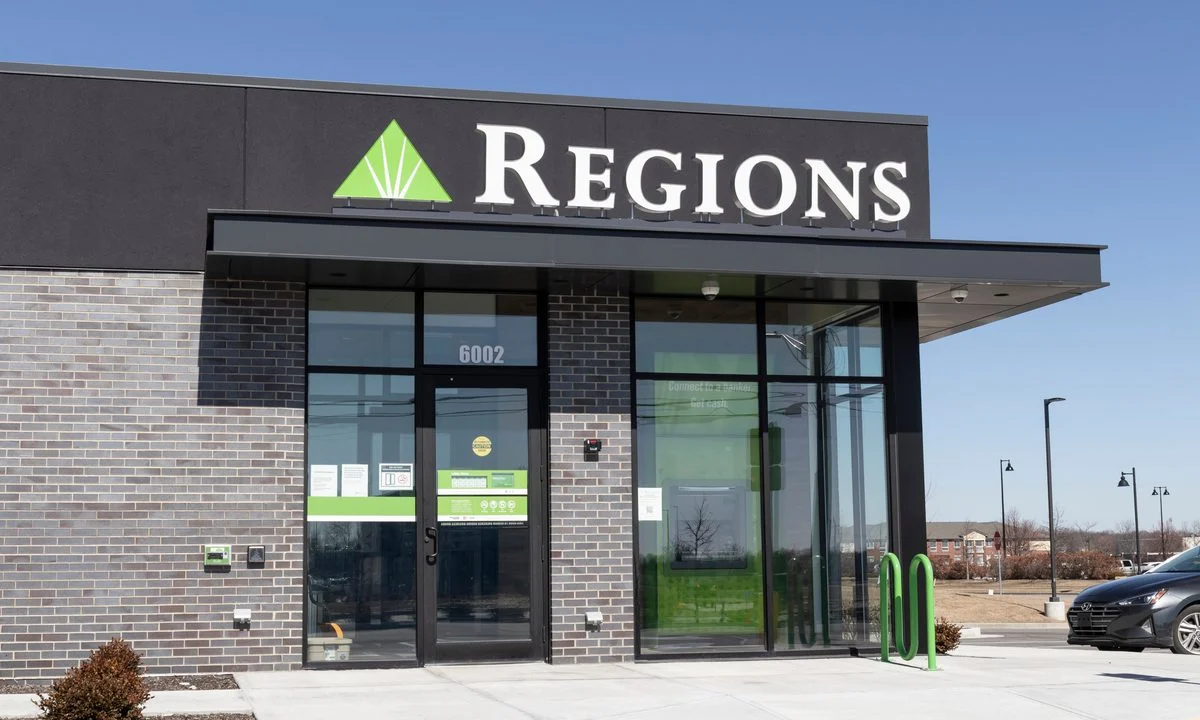
Regions Financial Corp. (NYSE: RF) has underscored the success of its long-term digital-first strategy, reporting significant gains in customer engagement and technological modernization during its second-quarter 2026 earnings call held on Friday, July 17. As the financial services sector continues to navigate a landscape defined by shifting consumer expectations and rapid technological integration, Regions has emerged as a leader in regional banking, leveraging digital tools to solidify its market position.
John M. Turner, President, CEO, and Chairman of Regions Financial Corp., framed the quarter’s results as a testament to the bank’s commitment to innovation. "Our online banking and mobile app offerings are key initiatives that are central to our long-term strategy," Turner stated, emphasizing that the bank’s investments in technology are not merely supportive, but fundamental to the institution’s future.
Main Facts: A Digital Transformation
The headline from Regions’ Q2 report is the rapid adoption of digital banking channels by its customer base. According to internal data, the bank’s shift toward a "digital-first" service model is yielding tangible results in efficiency and user satisfaction.
Regions, which serves a vast footprint across the South, Midwest, and Texas, has been aggressively updating its technology stack. With a network comprising 1,200 banking offices and 1,750 ATMs, the institution is successfully bridging the gap between traditional brick-and-mortar reliability and the modern demand for frictionless mobile finance.
Key metrics released by the bank indicate that the share of customer transactions processed digitally has climbed to 80%, up from 75% just two years ago. This five-percentage-point increase represents a significant migration of activity from branch-based services to digital platforms, allowing the bank to scale its operations while simultaneously lowering the cost of transaction processing.
Chronology of Progress: From Infrastructure to Acquisition
The second quarter of 2026 has been a period of intense operational activity for Regions. The bank’s progress can be broken down into three major phases:
- Platform Modernization (Early Q2): The bank completed the implementation of a new commercial lending platform. This initiative was designed to streamline internal workflows and improve the speed at which the bank can deliver capital to corporate clients.
- User Experience Enhancement (Mid-Q2): With the launch of a new native mobile application, Regions observed a dramatic increase in user interaction. Customer chat volume, for instance, surged by 70% year-over-year, indicating that clients are increasingly viewing the mobile app as their primary portal for customer support.
- Strategic Inorganic Growth (July 2, 2026): Following the close of the quarter, Regions announced the acquisition of The Frazer Lanier Company, a Montgomery, Alabama-based investment banking firm. This move is specifically aimed at bolstering the bank’s capital markets capabilities, particularly in the municipal and corporate securities sectors.
Supporting Data: The Digital Metrics
The data presented by Regions reveals a bank experiencing a "digital flywheel" effect. As the platform becomes more intuitive, usage increases, providing the bank with more data to further refine the user experience.
- Mobile Banking Growth: Over the past 24 months, the number of active mobile banking users has grown by 6%, reaching 2.73 million.
- Engagement Frequency: Mobile banking logins have seen a massive 19% increase, totaling 211 million logins in the last two years.
- Peer-to-Peer Adoption: The integration of Zelle has been a standout success, with usage increasing by 44% compared to the figures from 2024.
- Satisfaction Rankings: According to independent surveys highlighted by Turner, Regions currently holds the No. 1 spot among regional banks for both online banking satisfaction and mobile app functionality.
This data suggests that Regions is successfully capturing the "digital native" segment of the population while simultaneously transitioning its long-term, legacy customers to more efficient self-service channels.
Official Responses and Executive Vision
During the earnings call, John M. Turner addressed the broader economic climate, offering a perspective that combines cautious optimism with evidence of consumer resilience.
"Economic activity is solid," Turner remarked. "Despite ongoing uncertainty, businesses are generally well-positioned, and we continue to see steady levels of investment and job growth across our markets."
Regarding the consumer segment, Turner noted that spending trends remain healthy. "Customers maintain solid account balances and liquidity buffers relative to their spending levels, with overall financial conditions remaining stable."
The CEO’s remarks serve as a critical indicator of the health of the Southern and Midwestern economies, which have historically been the backbone of Regions’ business model. By focusing on technology that makes banking "easier," as Turner phrased it, the bank is attempting to insulate itself from competitive threats posed by national giants and fintech startups.
Implications: The Path Toward 2027
The strategic implications of the Q2 report are twofold: modernization of the core and diversification of revenue.
The Core Deposit Transformation
Regions is in the midst of a multi-year project to modernize its core deposit systems. Turner confirmed that the bank is making "good progress" on this front, with a pilot phase scheduled for later this year and a full-scale conversion expected in 2027. This is a high-stakes transition; core systems are the "heart" of a bank, and a successful overhaul is essential to maintaining the agility required to compete with digital-only neobanks.
Capital Markets and Institutional Strength
The acquisition of The Frazer Lanier Company is a strategic play to move further into higher-margin business. By deepening its municipal finance expertise, Regions is not just lending money; it is positioning itself as a comprehensive financial advisor to public entities and large corporations. This acquisition signals that while Regions is doubling down on retail digital banking, it is simultaneously building a sophisticated investment banking arm to serve its institutional client base.
The Competitive Landscape
For regional banks, the pressure to innovate has never been higher. With national banks investing billions in proprietary technology, smaller regional players often struggle to keep pace. Regions Financial’s performance this quarter suggests that a disciplined, phased approach to digital transformation—coupled with strategic M&A—is a viable path to survival and growth.
By prioritizing the "client experience" as the North Star of their digital strategy, the leadership at Regions has managed to turn transactional banking into a value-added service. Whether the bank can maintain this momentum through the 2027 core conversion remains the key question for shareholders, but the results from Q2 2026 provide a strong baseline of success.
In summary, Regions is navigating the 2026 fiscal year by balancing the efficiency of a digital platform with the personal touch of a regional institution. As the bank looks toward 2027, its ability to integrate The Frazer Lanier Company while successfully migrating its core deposit systems will likely define its long-term trajectory in the American financial services sector.