







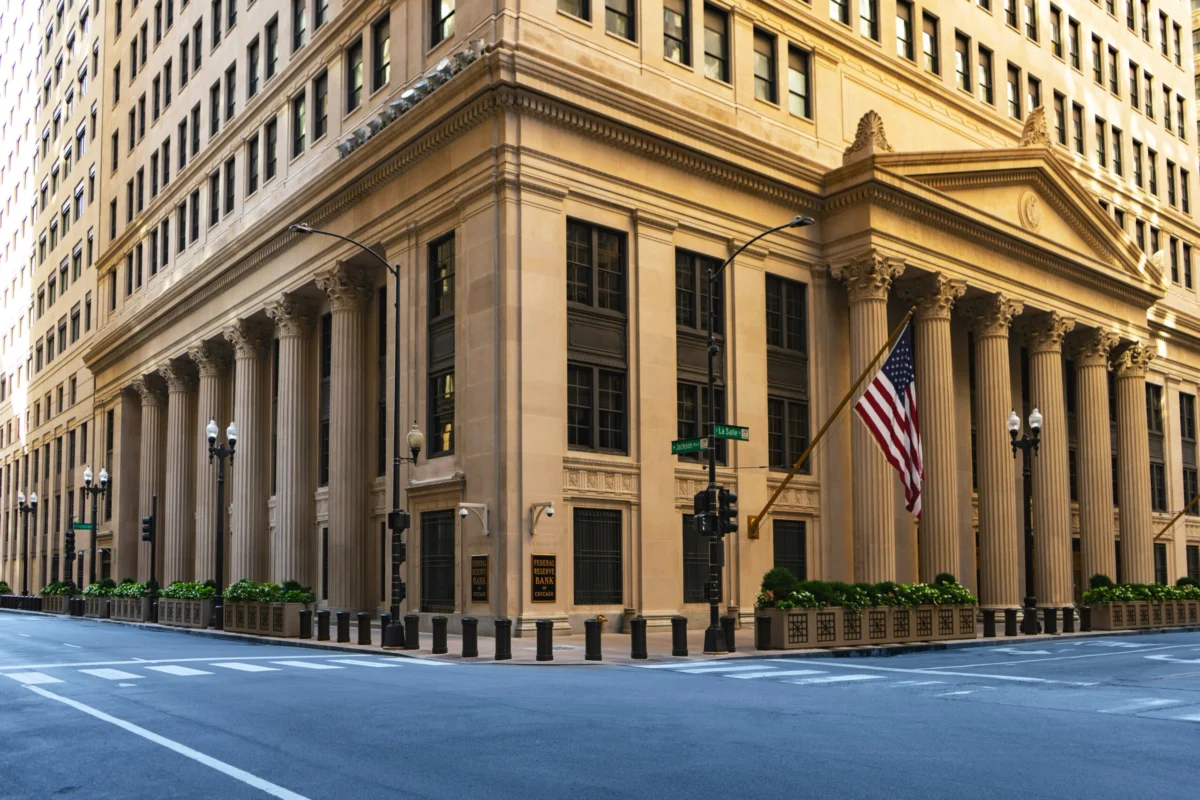
WASHINGTON, D.C. — In a high-stakes regulatory battle that could redefine the boundaries of American consumer protection, a broad-based coalition of over 60 organizations—spanning the spectrum of civil rights, labor unions, legal advocacy groups, and small business associations—has issued an urgent demand to the Federal Reserve Board of Governors.
The coalition is calling for full transparency, public hearings, and a formal vote by the Board of Governors regarding the applications of two prominent fintech lenders, Enova International and Opportunity Financial (OppFi), to acquire national banks. Should these applications be approved, critics argue, it would signal a watershed moment in the financial sector: the birth of the first national banks whose primary business model is built upon high-cost, predatory lending.
The Core Conflict: Fintech Aspirations vs. Consumer Protections
At the heart of the controversy is a fundamental dispute over the role of fintech companies in the national banking system. Enova International, which operates well-known brands such as CashNetUSA, NetCredit, and OnDeck, has filed an application to acquire Grasshopper Bank. Simultaneously, the Federal Reserve is bracing for a similar application from OppFi, which seeks to acquire BNC Bank.
For these companies, acquiring a national bank charter is a strategic move to leverage federal preemption. Under current regulatory frameworks, national banks are generally exempt from the interest rate caps imposed by individual states. For lenders like Enova and OppFi, whose APRs on loans often range from 100% to 160%—and sometimes higher—this acquisition would effectively render state-level usury laws unenforceable against their products.
"These applications are not merely routine corporate expansions," the coalition stated in a formal letter to the Federal Reserve. "They represent a systemic attempt to bypass the democratic protections that states have established to shield their citizens from predatory debt cycles."
Chronology of the Dispute
The escalation of this regulatory battle follows months of mounting tension between fintech lenders and consumer advocacy groups.
- Early 2026: Reports surfaced regarding Enova’s pursuit of Grasshopper Bank, triggering alarm bells among consumer protection agencies.
- Spring 2026: A wave of grassroots opposition began to coalesce, with over 100 diverse organizations signing letters of protest directed at the Federal Reserve.
- June 22, 2026: The formal request for public hearings and a full Board vote was issued, marking a significant intensification of the public campaign.
- The Immediate Future: The Federal Reserve is currently in the deliberation phase regarding Enova’s application and is expected to receive the OppFi filing shortly. The coalition’s demand is that these matters not be delegated to regional Federal Reserve banks, but instead be handled at the highest level of oversight.
The Argument for Public Scrutiny
The coalition’s demand for a public hearing is grounded in the "unprecedented nature" of the applications. Traditionally, national bank charters are granted to institutions that serve a broad range of banking needs—such as deposit-taking, small business lending, and mortgage services. The coalition argues that Enova and OppFi do not fit this mold.
"We are looking at a fundamental shift in what a national bank is," said one policy analyst involved in the coalition. "If the Fed grants these charters, it will be validating a business model that relies on high-interest, short-term debt as a core product. This is a departure from the traditional banking mandate of promoting financial stability."
The groups argue that the Federal Reserve has a responsibility to the public to explain how these entities would be supervised. If a bank is essentially a front for a high-cost lender, how will the Fed ensure that the bank remains safe and sound? How will it protect vulnerable consumers from the same predatory practices that led to the creation of state interest rate caps in the first place?
Supporting Data: The Impact of High-APR Lending
The coalition’s opposition is not based solely on ideological grounds but is supported by decades of data regarding the "debt trap" nature of high-cost, small-dollar loans.
According to financial researchers, loans with APRs exceeding 100% often do not solve financial emergencies for the borrower; rather, they exacerbate them. The cycle typically involves a borrower taking out a loan to cover a short-term deficit, only to find themselves unable to repay the principal due to the rapid accumulation of interest. This leads to "re-borrowing," where the consumer takes out a second loan to pay off the first, eventually resulting in a long-term debt spiral.
Small business advocates have also joined the fray. OnDeck, an Enova brand, specializes in small business financing, but critics point out that these loans can be equally punitive for struggling entrepreneurs. By providing high-cost capital, these lenders may stifle, rather than foster, small business growth in the long term.
The Risks to the Regulatory Architecture
If the Federal Reserve permits these acquisitions, it could set a dangerous precedent for the banking industry. The "rent-a-bank" model—where non-bank lenders partner with banks to avoid state interest rate limits—has already been a subject of intense litigation. If a fintech company simply becomes the bank, the regulatory barriers that prevented this in the past may crumble entirely.
The coalition warns that this could lead to:
- A Race to the Bottom: Traditional banks might feel pressured to adopt similarly predatory products to compete with the high-yield, high-risk portfolios of fintech-owned banks.
- Erosion of Federalism: The ability of states to protect their residents from predatory lending would be severely weakened, as federal authority would override state-level interest rate caps.
- Financial Instability: By integrating volatile, high-cost lending into the core of the national banking system, the Fed could be introducing new risks to the financial ecosystem.
Official Responses and the Stance of the Federal Reserve
As of mid-2026, the Federal Reserve Board of Governors has maintained a stance of quiet deliberation. While the Board has not yet issued a formal public response to the specific request for hearings, the pressure is mounting.
Industry representatives for Enova and OppFi have historically argued that their services provide necessary credit to "underbanked" populations who have been excluded from the traditional banking system. They assert that their fintech platforms offer speed, accessibility, and technology that traditional banks lack. They contend that their expansion into banking is a natural evolution that will allow them to offer a more robust suite of products to their customers.
However, the coalition rejects this narrative. "The ‘underbanked’ are not helped by 160% interest rates," the coalition argued in their letter. "They are being targeted. The regulatory system should be focused on expanding access to affordable credit, not facilitating the expansion of debt traps."
Implications for Future Financial Regulation
The outcome of this standoff will likely serve as a litmus test for the Biden-Harris administration’s approach to fintech regulation. The Federal Reserve, traditionally an independent and conservative institution, faces a rare public challenge that forces it to choose between the efficiency of digital financial services and the long-standing mandate of consumer protection.
Should the Board of Governors agree to hold public hearings, it would be a tacit admission that the current application process is insufficient for the challenges posed by modern fintech. It would also empower community groups and academics to present their evidence directly to policymakers, potentially shifting the tide of the applications.
If the Fed proceeds to approve the applications without significant public debate, it will likely invite further litigation and congressional scrutiny. Members of Congress have already begun to take note, with several lawmakers expressing skepticism about the role of predatory lenders in the national banking system.
Conclusion: A Call for Accountability
The message from the coalition of 60-plus organizations is clear: the Federal Reserve cannot act in a vacuum. As the primary gatekeeper of the U.S. banking system, the Fed’s decisions have long-lasting consequences for the economic health of the nation.
"The decision to grant a national bank charter is a privilege, not a right," the coalition stated in their closing remarks. "It comes with a responsibility to the public interest. Before the Board takes a step that could fundamentally alter the financial landscape for the worse, they must listen to those who will be forced to live with the consequences."
The coming months will be a critical period for both the fintech industry and the regulatory agencies tasked with overseeing it. Whether the Federal Reserve chooses to embrace a more transparent, public-facing approach or continues its traditional, behind-closed-doors review process will dictate the future of consumer finance in the United States. For now, the eyes of the public, the legal community, and the banking sector remain fixed on Washington, waiting to see if the gatekeepers will uphold the protections that have guarded the American consumer for generations.