








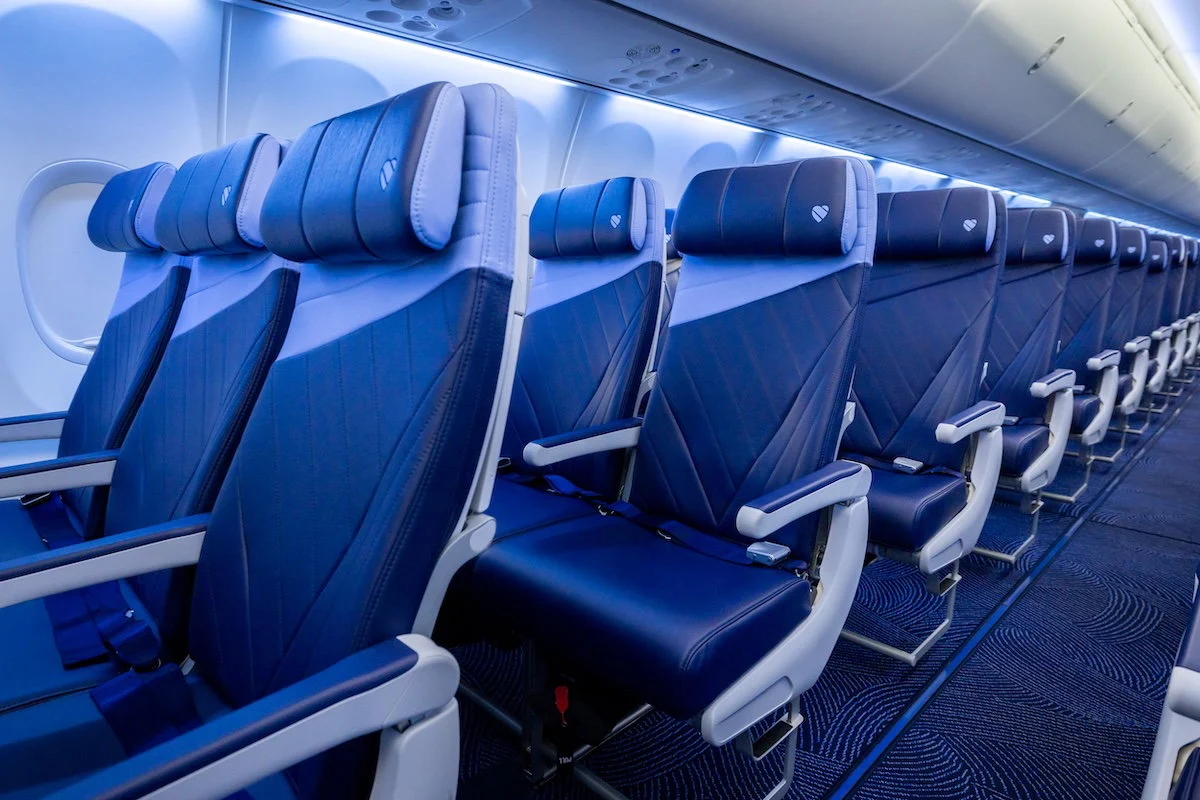
In a significant leap for the American aviation industry, Southwest Airlines has officially commenced its ambitious rollout of SpaceX’s Starlink satellite internet across its fleet. Following an initial announcement in February 2026, the carrier has successfully deployed its first Boeing 737 aircraft equipped with the high-speed, low-latency broadband service. As of today, passengers aboard aircraft N8543Z are among the first to experience the next generation of inflight connectivity, marking the beginning of a transformative era for the airline’s passenger experience.
This initiative is not merely an incremental upgrade; it represents a strategic overhaul of Southwest’s digital capabilities. By integrating Starlink’s advanced satellite constellation, the airline aims to provide gate-to-gate internet speeds that rival those found in terrestrial homes and offices. With plans to outfit more than 300 aircraft by the end of 2026, Southwest is positioning itself to lead in inflight entertainment and connectivity, addressing long-standing criticisms regarding the reliability of its legacy Wi-Fi systems.
The Chronology of Connectivity: From Lagging to Leading
To understand the magnitude of this shift, one must look at the recent history of Southwest’s digital infrastructure. For years, the carrier faced mounting pressure from passengers who found its existing inflight Wi-Fi systems—often plagued by slow speeds and unreliable connections—to be insufficient for the demands of modern travelers.
- October 2025: Southwest took the first major step in its digital strategy by introducing free Wi-Fi for all Rapid Rewards members. This move brought the airline into alignment with major competitors such as Delta Air Lines, JetBlue, and American Airlines, which had already moved toward democratizing inflight access.
- February 2026: The airline announced its formal partnership with SpaceX to implement Starlink. This announcement served as a signal to the market that Southwest was no longer content with "good enough" connectivity but was instead aiming for a technological edge.
- Mid-2026: Following months of engineering and regulatory certification, the first commercial flight featuring Starlink-enabled hardware took to the skies. This milestone serves as the catalyst for the fleet-wide installation process.
- Late 2026 and Beyond: Southwest has committed to an aggressive installation schedule, targeting over 300 aircraft by the close of the current year. Industry analysts expect the vast majority of the fleet to be fully transitioned by the end of 2027.
Technical Superiority: Why Starlink Matters
The shift to Starlink is fundamentally different from traditional air-to-ground (ATG) Wi-Fi systems. Traditional systems rely on towers on the ground, which are limited by geographic terrain and line-of-sight requirements. In contrast, Starlink uses a massive constellation of Low Earth Orbit (LEO) satellites.
For the average Southwest passenger, this translates into several tangible benefits:
- Low Latency: Latency—the delay in data transmission—is the enemy of smooth internet browsing. Starlink’s proximity to Earth ensures that video calls, gaming, and real-time cloud computing functions are possible at 35,000 feet.
- Bandwidth Consistency: Unlike legacy systems that often struggle when multiple passengers stream high-definition content simultaneously, Starlink provides high-capacity throughput, allowing for multiple simultaneous users without significant degradation in speed.
- Gate-to-Gate Functionality: While many systems require the aircraft to reach a certain altitude before engaging, Starlink is designed to function from the moment the boarding doors close until the moment the plane reaches the gate at the destination.
These capabilities allow for a seamless transition between working in the office and working in the air. For business travelers, this is a productivity multiplier; for leisure travelers, it opens the door to high-definition streaming and real-time communication that was previously impossible.
A Transformation of the Southwest Identity
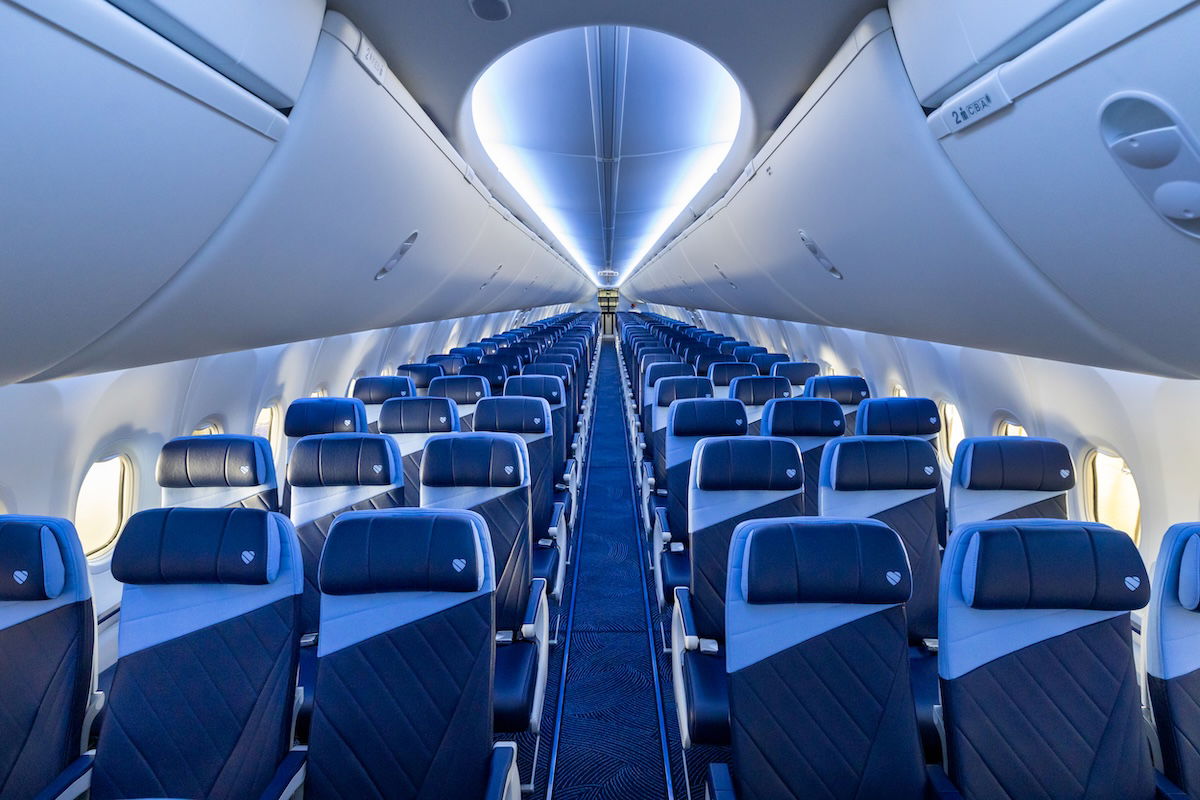
The deployment of Starlink is part of a broader, more aggressive transformation currently reshaping Southwest Airlines. Historically, the airline was defined by its "unique" business model: open seating, a lack of assigned seats, and a "no-frills" approach to ancillary fees. However, the post-pandemic era has forced the carrier to pivot toward a model that more closely aligns with the "big four" U.S. carriers.
In recent months, Southwest has introduced several fundamental changes:
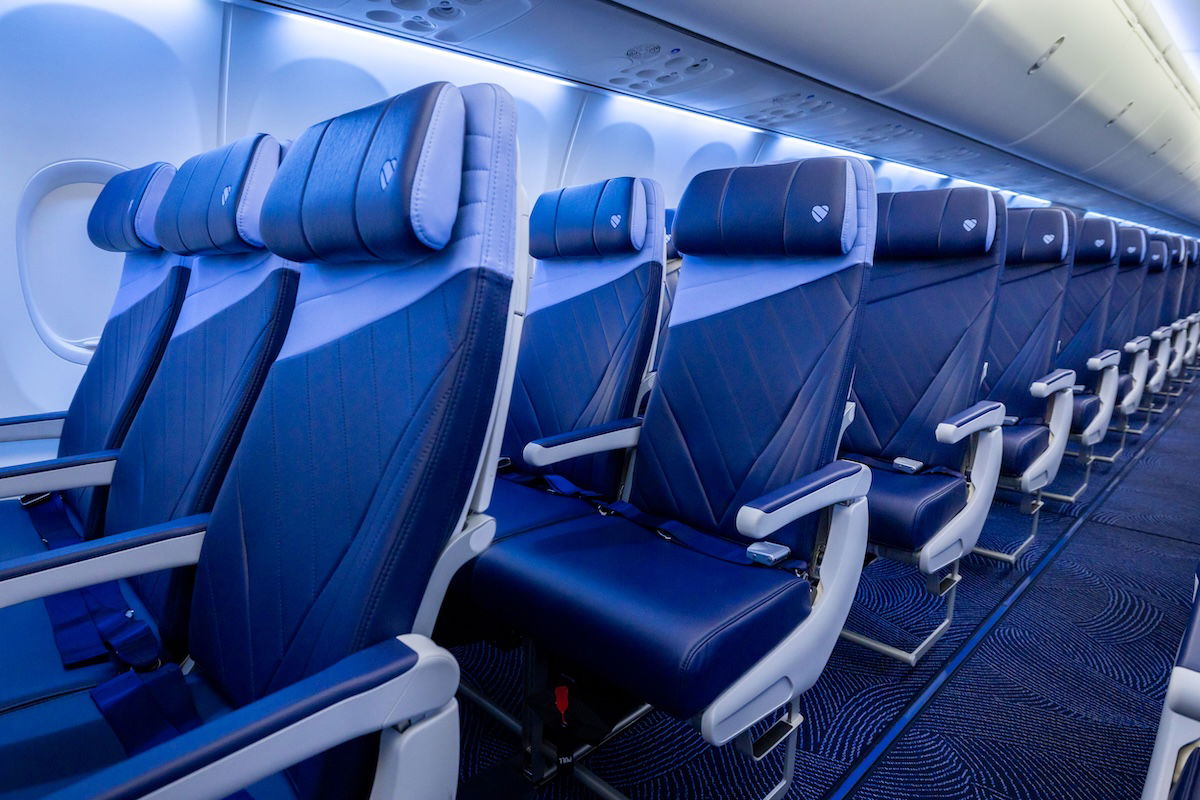
- The End of Open Seating: The airline has moved toward assigned seating, responding to customer demand for more predictability in the boarding process.
- Basic Economy and Premium Options: By introducing tiered fare classes and extra-legroom economy seating, the airline is attempting to capture revenue from diverse customer segments.
- Ancillary Revenue: Changes to checked baggage policies have signaled a departure from the "bags fly free" era, as the airline seeks to optimize its financial health.
Against this backdrop of rapid corporate restructuring, the Starlink rollout serves as the "positive anchor." While passengers may be adjusting to the end of open seating or new fare structures, the promise of free, ultra-fast, and reliable Wi-Fi is a significant value-add that can mitigate customer frustration and increase overall Net Promoter Scores (NPS).
Official Perspectives and Industry Implications
Tony Roach, Southwest Airlines’ Chief Customer & Brand Officer, emphasized the significance of the move during the announcement of the first live aircraft. "Starlink delivers a new era of inflight connectivity to Southwest," Roach noted. "This ultra-fast Wi-Fi brings an at-home experience to the air and redefines how Customers can stay connected, be productive, and make the most of their time while flying at 35,000 feet."
Industry experts view this development as a benchmark for the rest of the industry. As high-speed connectivity becomes a standard expectation rather than a premium amenity, airlines that fail to modernize their inflight networks risk being marginalized.
Furthermore, the partnership between a major commercial carrier and a satellite internet giant like SpaceX creates a competitive ripple effect. If Southwest can offer free, high-speed internet across its massive fleet, competitors will be under increased pressure to either match the speed and accessibility of the service or face a decline in customer satisfaction.
Future Outlook: The Digital Horizon
The road ahead for Southwest involves a logistical challenge of massive proportions. With a fleet of over 800 Boeing 737s and more than 500 aircraft currently on order, the integration of Starlink is a multi-year project that requires careful coordination with maintenance schedules and regulatory authorities.
However, the benefits of this investment are likely to extend far beyond passenger satisfaction. High-speed connectivity allows for:
- Enhanced Operational Efficiency: Real-time data transmission between the flight deck and ground operations can optimize flight paths, weather monitoring, and fuel management.
- Personalized In-Flight Services: With robust bandwidth, the airline can push personalized offers, entertainment, and real-time flight updates directly to passenger devices.
- Future-Proofing: As the nature of work and entertainment shifts toward cloud-based models, having a "future-proof" connectivity system ensures that the airline remains relevant for the next decade of travelers.
Conclusion: A New Standard for Southwest
The introduction of Starlink on Southwest flights is more than a technical upgrade; it is a declaration of intent. By choosing to invest heavily in the most advanced satellite internet system available, Southwest is signaling that it intends to compete on quality and user experience.
For the passenger, the outcome is clear: the days of struggling to load a webpage at 30,000 feet are coming to an end. As the fleet-wide rollout continues through 2026 and 2027, the "at-home experience" in the sky will become the new standard for the carrier. Whether this technology will be enough to offset the other structural changes within the airline remains to be seen, but one thing is certain—when it comes to digital connectivity, Southwest has successfully pivoted from a laggard to a leader, setting a high bar for the entire aviation sector.