






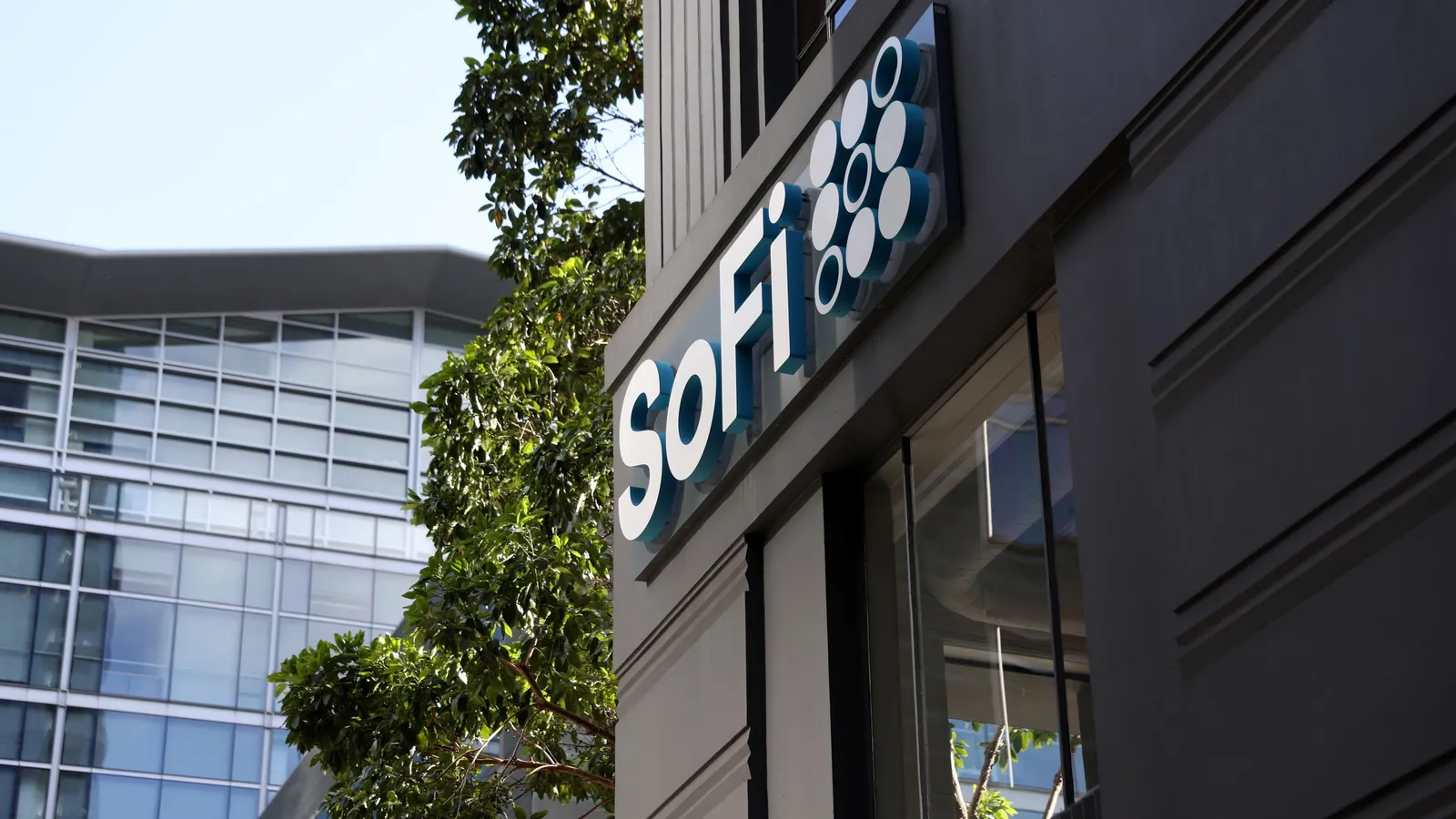
SAN FRANCISCO – In a move that signals a significant evolution of its "one-stop-shop" financial strategy, SoFi Technologies announced on Tuesday the official launch of its small-business lending vertical. The digital-first bank, which rose to prominence as a student loan refinancer, is now pivoting to capture a larger share of the entrepreneurial market at a time when traditional lending institutions are tightening their belts.
The announcement comes on the heels of a robust first quarter for the company and follows a series of aggressive expansions into digital assets and blockchain infrastructure. By bridging the gap between personal finance and commercial capital, SoFi aims to deepen its relationship with its "members"—the term it uses for its customers—many of whom are moving from the gig economy into formal small-business ownership.
Main Facts: The Architecture of SoFi’s Small-Business Pivot
SoFi’s entry into small-business lending is characterized by a "frictionless" digital experience designed to compete directly with both legacy banks and established fintech rivals like Square (Block) and PayPal.
Loan Specifications and Terms
The new product suite offers fixed-rate business loans ranging from a minimum of $2,500 to a maximum of $250,000. In a move that challenges industry norms, SoFi has eliminated several traditional barriers to entry:
- Zero Fees: The loans carry no application fees, no origination fees, and no prepayment penalties.
- Rapid Funding: Leveraging its proprietary technology stack, SoFi claims that approved loans can be funded in as little as 24 hours.
- Digital Integration: The lending platform is integrated directly into the existing SoFi app, allowing users to toggle between personal savings, investments, and business liabilities.
Strategic Sector Targeting
While the loans are available across various industries, SoFi identified three specific sectors where they have already observed high demand:
- Construction: Addressing the need for bridge financing and equipment procurement.
- Healthcare: Supporting private practices with working capital for medical supplies and staffing.
- Professional Services: Assisting consultants, legal firms, and creative agencies with operational expansion.
Chronology: From Student Loans to a Financial Super-App
To understand the significance of this launch, one must look at the rapid-fire trajectory of SoFi Technologies over the last five years.
The Foundation (2021–2022)
SoFi’s journey toward becoming a full-service bank reached a milestone in early 2022 when it received its national bank charter. This allowed the company to hold deposits and use its own capital for lending, rather than relying solely on third-party warehouse lines. This shift significantly improved the company’s margins and set the stage for diversified lending products.
The 2025 Expansion
The year 2025 was a transformative period for the firm. In late 2025, SoFi relaunched its cryptocurrency trading platform with enhanced regulatory compliance features. Shortly thereafter, it introduced stablecoin infrastructure, allowing institutional and retail clients to utilize blockchain-based settlement layers. These moves were seen by analysts as a play to capture the "tech-forward" demographic that often overlaps with small-business owners.
The Q1 2026 Momentum
The small-business loan launch follows a record-breaking first quarter in 2026. According to internal financial reports, SoFi saw total loan originations jump to $12.2 billion, a $1.7 billion increase from the final quarter of 2025.
- Personal Loans: Reached $8.3 billion.
- Student Loans: Saw a 2.2-times year-over-year increase, totaling $2.6 billion.
- Home Loans: Grew 2.4 times over the same period to $1.2 billion.
By July 2026, the company determined that the infrastructure was sufficiently scaled to support a dedicated commercial lending arm.
Supporting Data: The Widening Capital Gap
SoFi’s decision to enter the small-business space is backed by macro-economic data suggesting a growing disconnect between business needs and traditional bank appetite.
The Shift Toward Small Banks and Fintechs
According to a report released by the Kansas City Fed in December 2025, small-business lending across the United States increased by 13.4% year-over-year from Q3 2024 to Q3 2025. However, the data revealed a striking divergence: while loan demand and approval rates plummeted at "Big Banks" (those with assets over $100 billion), they surged at smaller community banks and digital lenders.
This suggests that while the appetite for capital is high, the largest financial institutions are de-risking their portfolios, leaving a vacuum that digital-first entities like SoFi are eager to fill.
The "Affordability" Crisis in Small Business
The demand for SoFi’s product is further underscored by a Goldman Sachs poll conducted in October 2025. The survey found:

- Access Concerns: 73% of small-business owners expressed anxiety regarding their continued access to capital.
- Barriers to Entry: 75% of those who applied for a loan or line of credit in the previous year described finding affordable capital as a significant challenge.
By offering a fee-free structure and rapid approval, SoFi is positioning itself as the "relief valve" for entrepreneurs who are currently being priced out or ignored by the legacy banking sector.
Official Responses: The Leadership Vision
SoFi CEO Anthony Noto has been vocal about the company’s mission to provide a seamless financial life for its members. In a prepared statement accompanying the launch, Noto emphasized the blurred lines between personal and professional finance in the modern economy.
“For many of our members, their financial lives do not stop at personal goals; they also include the businesses they are building,” Noto said. “With SoFi Small Business Loans, we are expanding our ability to serve members in more of the moments that matter, giving them access to business financing through the same digital-first platform they already use to manage their personal finances.”
Noto’s comments reflect a broader "Super-App" strategy—the idea that a customer who uses SoFi for their mortgage, their child’s student loans, and their retirement account is far more likely to trust the same platform for their business’s working capital.
While the CEO’s statement was comprehensive, some questions remain regarding the risk-weighting of these new loans. A SoFi spokesperson did not immediately respond to requests for comment regarding the specific credit score requirements for the new business loans or the projected default rates the bank is anticipating in the current economic climate.
Implications: A New Battlefield in Digital Banking
The entry of SoFi into the small-business lending market has several long-term implications for the financial services industry, the competitive landscape, and the broader economy.
1. The Erosion of the Commercial Banking Moat
Historically, small-business lending was the "moat" that protected traditional community and regional banks. It required local knowledge and relationship-based underwriting. SoFi is betting that data-driven underwriting—using a member’s personal financial history and real-time cash flow data—can replace the need for a local branch manager. If successful, this could further accelerate the decline of traditional brick-and-mortar commercial banking.

2. The "Fintech Convergence"
We are witnessing a convergence where personal finance apps (SoFi, Robinhood) are moving into business banking, while business tools (Square, Shopify) are moving into personal finance. This creates a hyper-competitive environment where the winner is the platform that can offer the lowest "cost of switching." By housing both personal and business data, SoFi makes it incredibly difficult for a member to leave their ecosystem.
3. Economic Resilience and Risk
By targeting sectors like healthcare and professional services, SoFi is aiming for "recession-resistant" businesses. However, small-business lending is inherently riskier than student or home lending. In an era of fluctuating interest rates and economic uncertainty, the performance of this $2.5 billion to $250,000 loan portfolio will be a litmus test for SoFi’s AI-driven credit models.
4. Regulatory Scrutiny
As SoFi grows its commercial book, it will likely face increased scrutiny from the Office of the Comptroller of the Currency (OCC) and the Federal Reserve. Regulators are increasingly concerned about the speed of automated lending and whether fintech banks are maintaining adequate capital reserves to weather a sudden spike in business defaults.
Conclusion
SoFi’s launch of small-business loans is more than just a product expansion; it is a declaration of intent to become the primary financial partner for the modern professional class. By leveraging its existing member base and a high-tech, low-fee model, SoFi is taking a direct shot at the "Big Four" banks.
As the lines between the "office" and "home" continue to blur for millions of Americans, SoFi is betting that their banking should follow suit. Whether the company can maintain its Q1 momentum while navigating the complexities of commercial credit remains to be seen, but for now, the digital bank has successfully opened a new front in the war for the future of finance.