







For the frequent traveler, the world is a blur of time zones, climate shifts, and the relentless fog of jet lag. While seasoned travelers rely on noise-canceling headphones, comfortable seating, and elite status to navigate the rigors of the road, there is one unsung hero that remains the cornerstone of the travel experience: the morning coffee.

Far from being a mere caffeine delivery system, the morning cup is a ritual. For many, it is the anchor of productivity and the small, domestic joy that bridges the gap between a sterile hotel room and the demands of a new city. Yet, as any road warrior knows, the quality of coffee in the travel industry is famously inconsistent. In this report, we examine the state of hotel and airline coffee, analyzing why this often-overlooked amenity serves as a litmus test for genuine hospitality.
The Ritual of the Road: Why Coffee Matters
For the early riser or the business traveler struggling with a six-hour time difference, coffee is not a beverage—it is a survival mechanism. Psychologically, the ritual of brewing or ordering that first cup creates a sense of normalcy in an alien environment.
When a traveler wakes up at 4:00 AM in a foreign hotel, the ability to procure a high-quality cup of coffee can fundamentally alter their perception of the property. When hospitality groups prioritize this, they signal to the guest that their comfort and routine are valued. When they neglect it, they inadvertently communicate that the traveler’s morning experience is an afterthought.
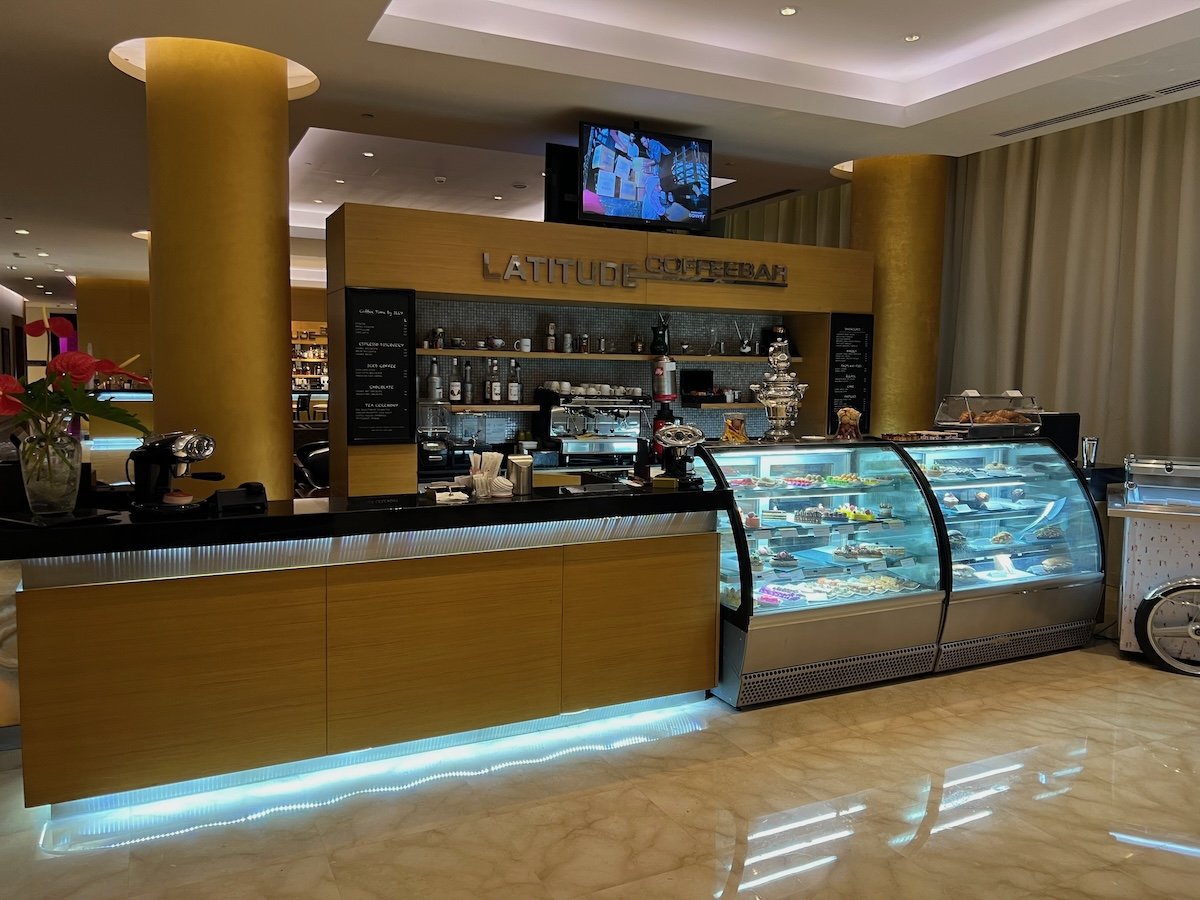
The Hotel Experience: From In-Room Machines to Lobby Baristas
The landscape of hotel coffee is a spectrum ranging from the dreaded, pod-based in-room machine to the high-end, barista-staffed lobby café.
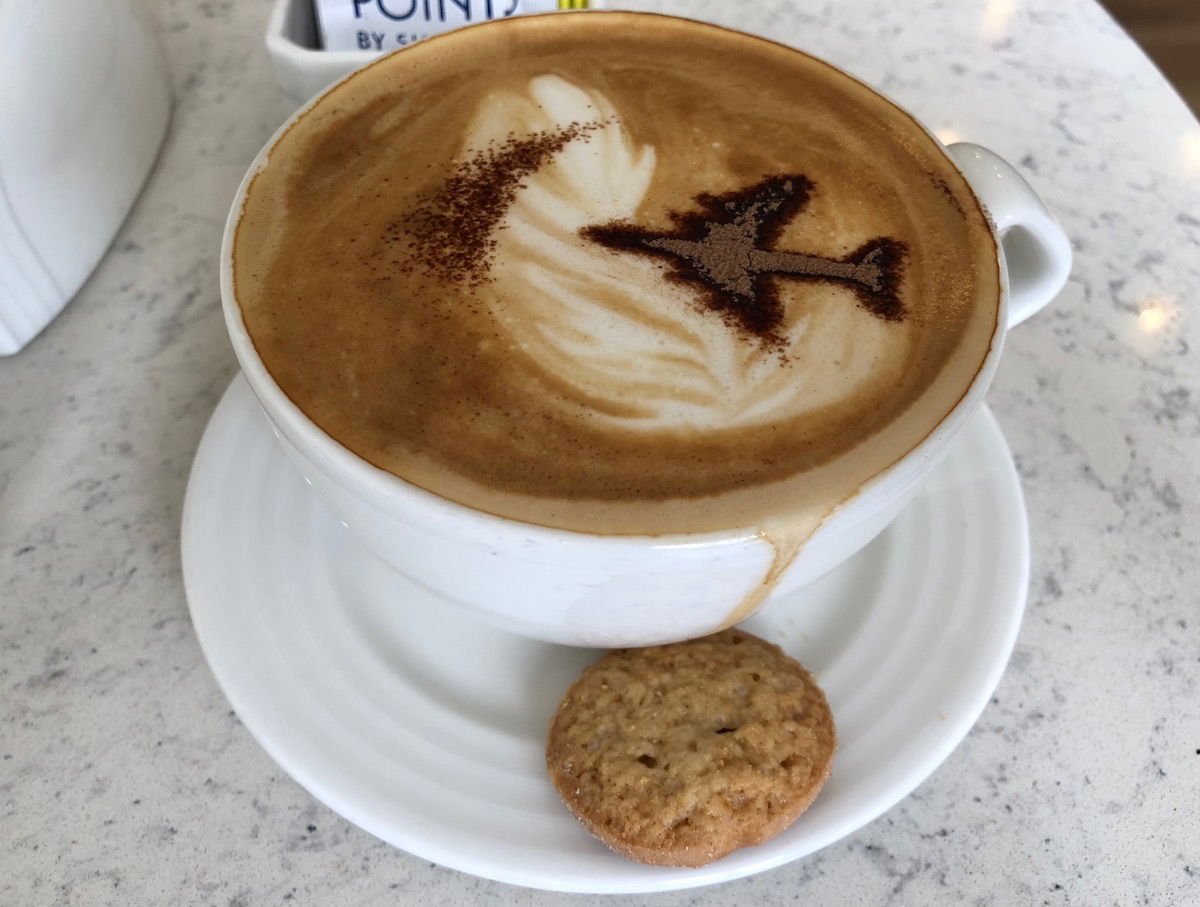
The In-Room Dilemma
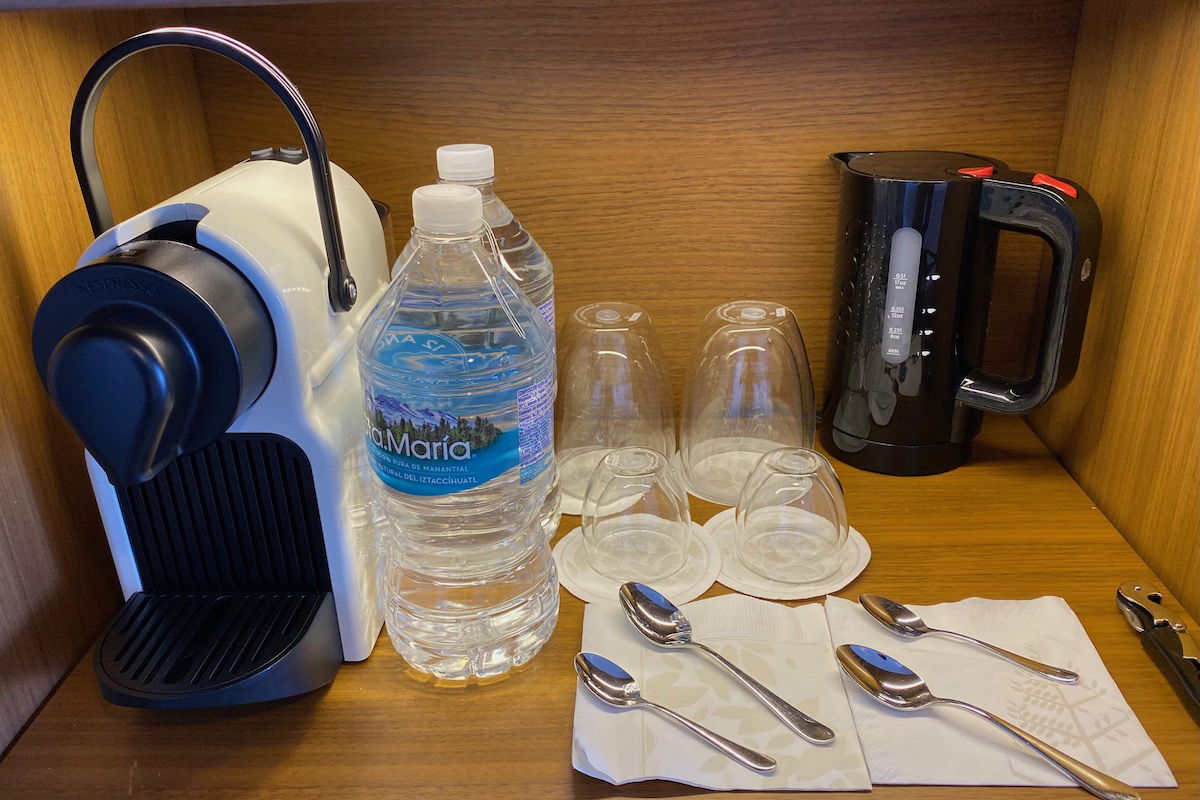
Most luxury hotels provide in-room coffee machines. While convenient, these machines are often plagued by issues: they are frequently difficult to operate, lack the necessary water filtration to provide a clean taste, or offer limited, lackluster coffee pod selections. A "luxury" experience should not involve a guest struggling with a plastic interface at dawn.
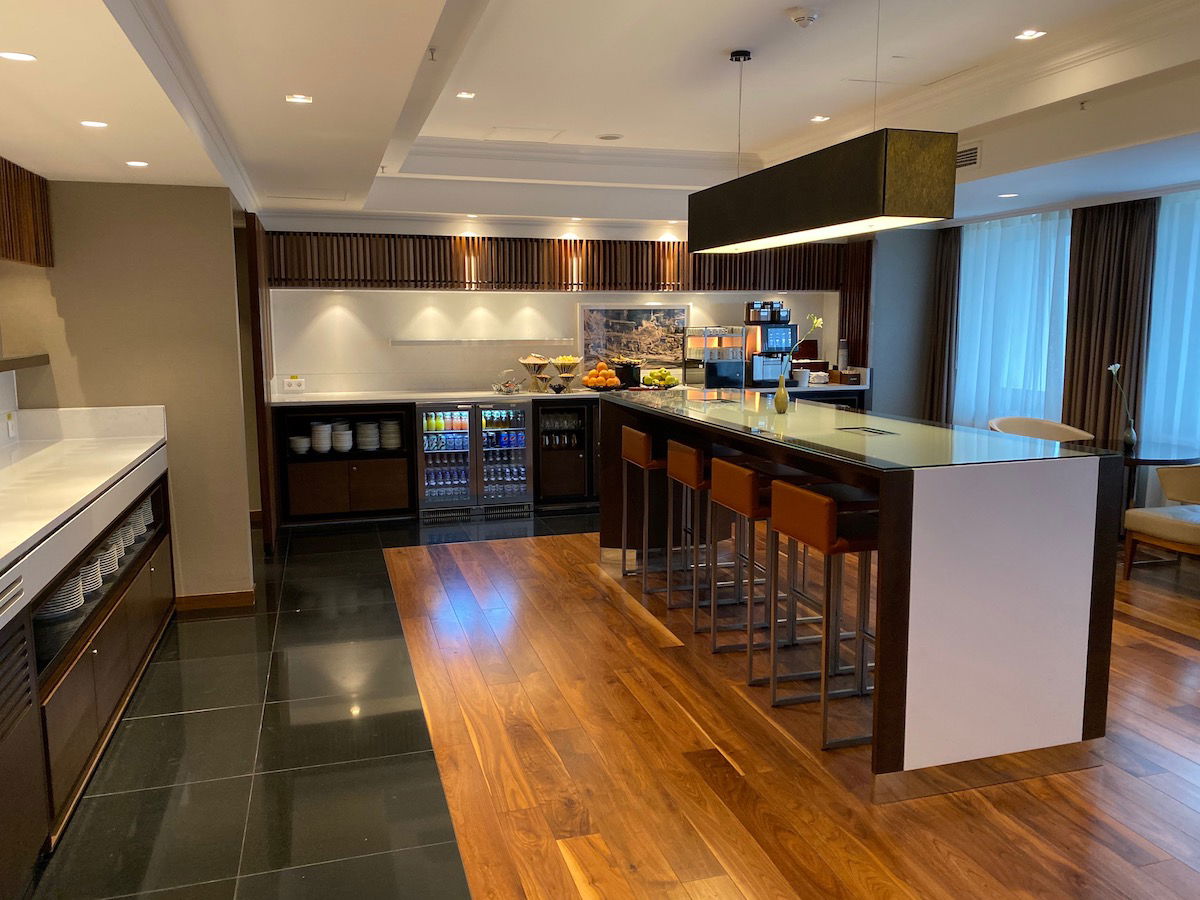
The Gold Standard: Accessibility and Craft
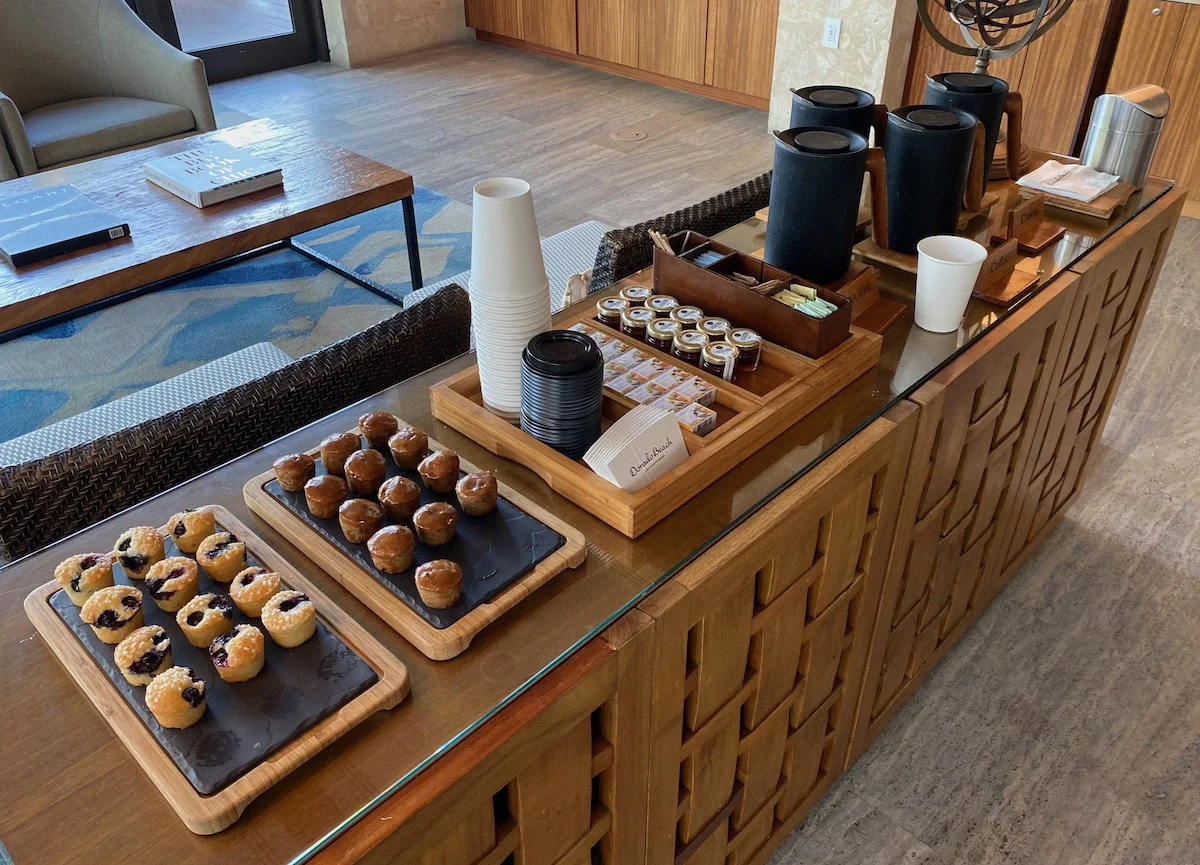
The most successful hotels are those that understand "hospitality at the margins." Providing coffee in the lobby is a small capital investment that yields massive dividends in guest satisfaction.
- The Four Seasons Model: Consistently cited as a leader in this space, the Four Seasons often provides complimentary, high-quality coffee in the lobby for early risers. This accessibility is a rarity and serves as a significant differentiator.
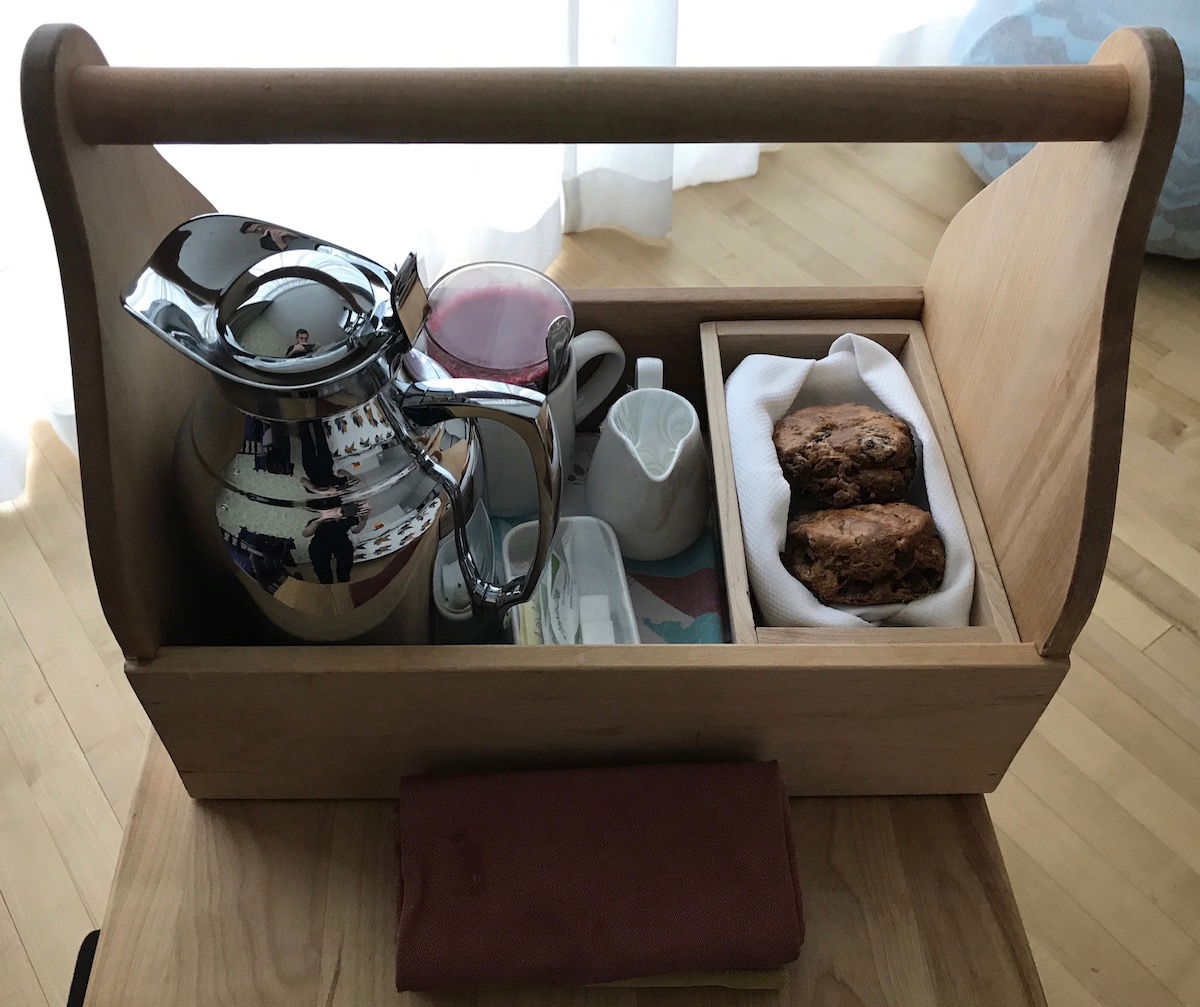
- The "Daybreak" Experience: The Fogo Island Inn in Canada has set a benchmark for excellence with its "daybreak basket." By delivering a fresh pot of coffee, juice, and warm scones directly to the guest’s door, they transform a mundane morning into a memorable event. This illustrates a key principle: small, thoughtful gestures are often what guests remember most vividly long after check-out.
- Barista-Led Programs: As luxury expectations evolve, the presence of a professional barista—rather than an automated bean-to-cup machine—has become a signifier of a truly high-end property. A properly pulled espresso or a textured cappuccino provides a tactile, sensory experience that mass-produced alternatives cannot replicate.
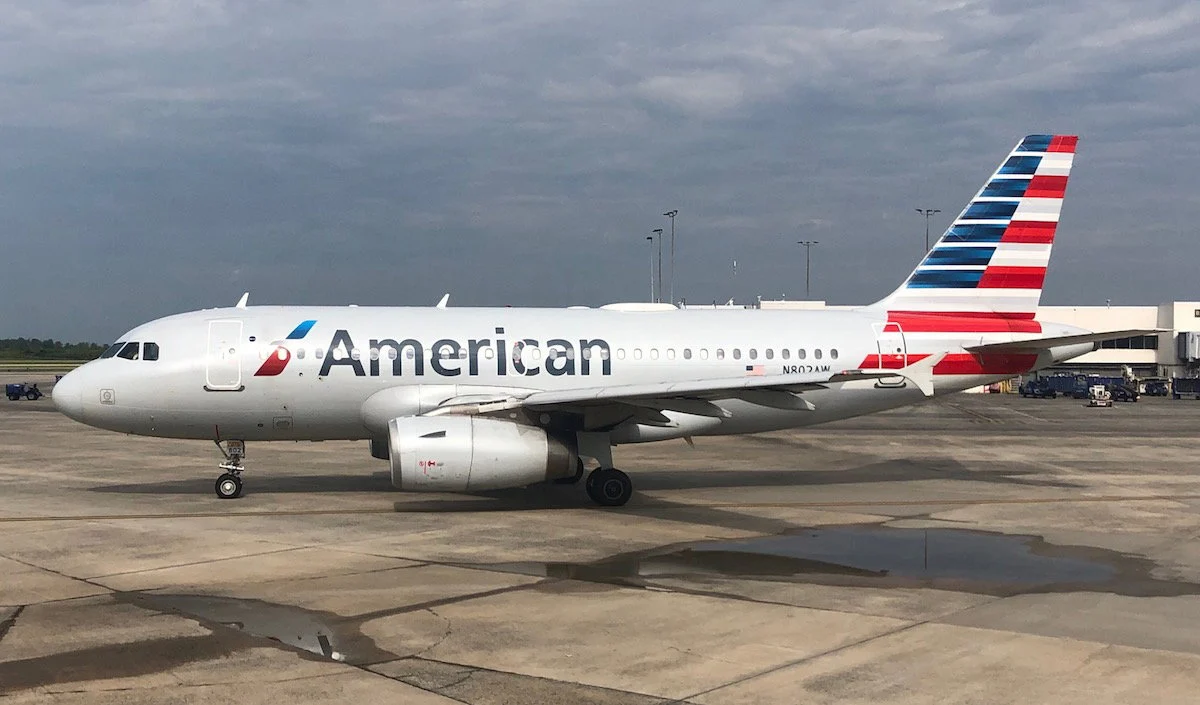
The Airline Conundrum: Balancing Logistics and Quality
If hotel coffee is inconsistent, airline coffee is notoriously difficult. The challenges are logistical: space constraints, the limitations of pressurized cabin water tanks, and the sheer volume of passengers.
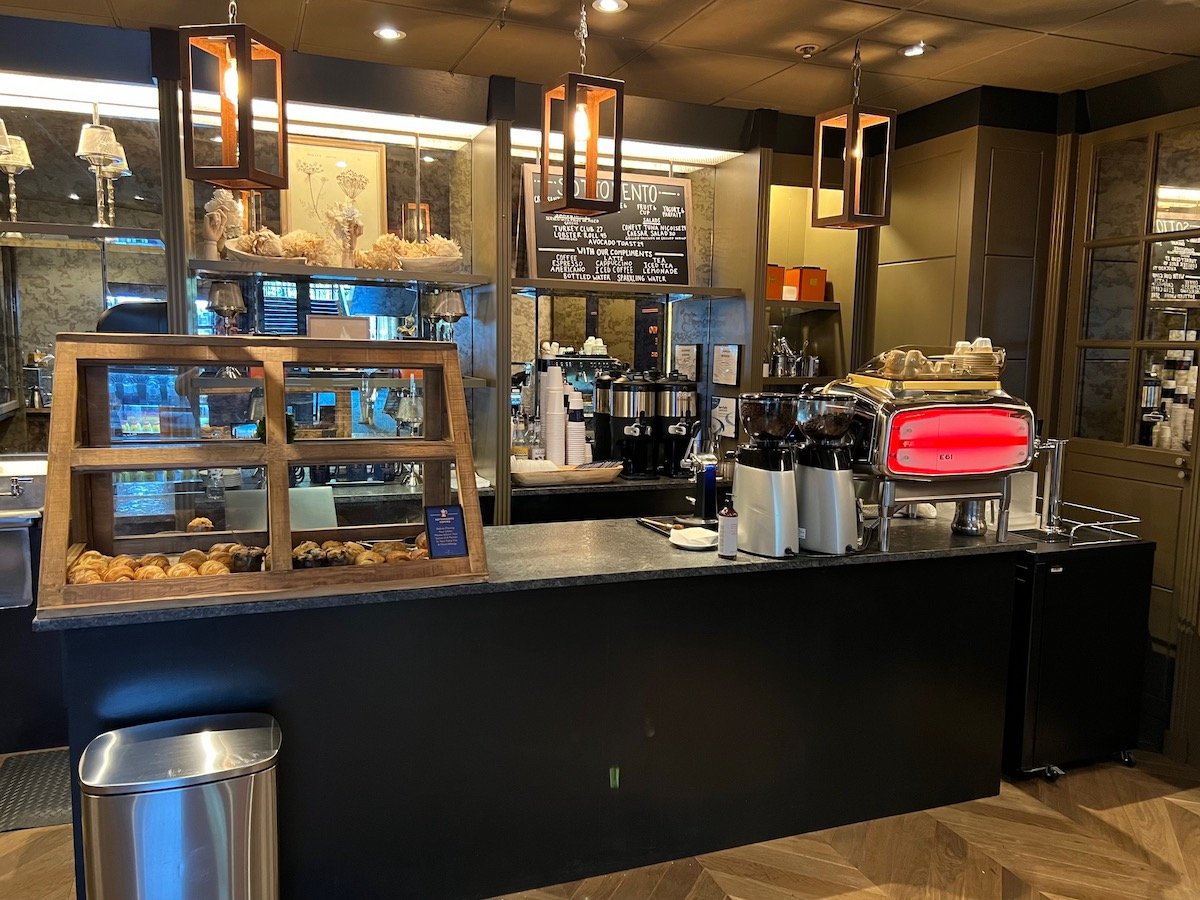
The Physics of Airplane Coffee
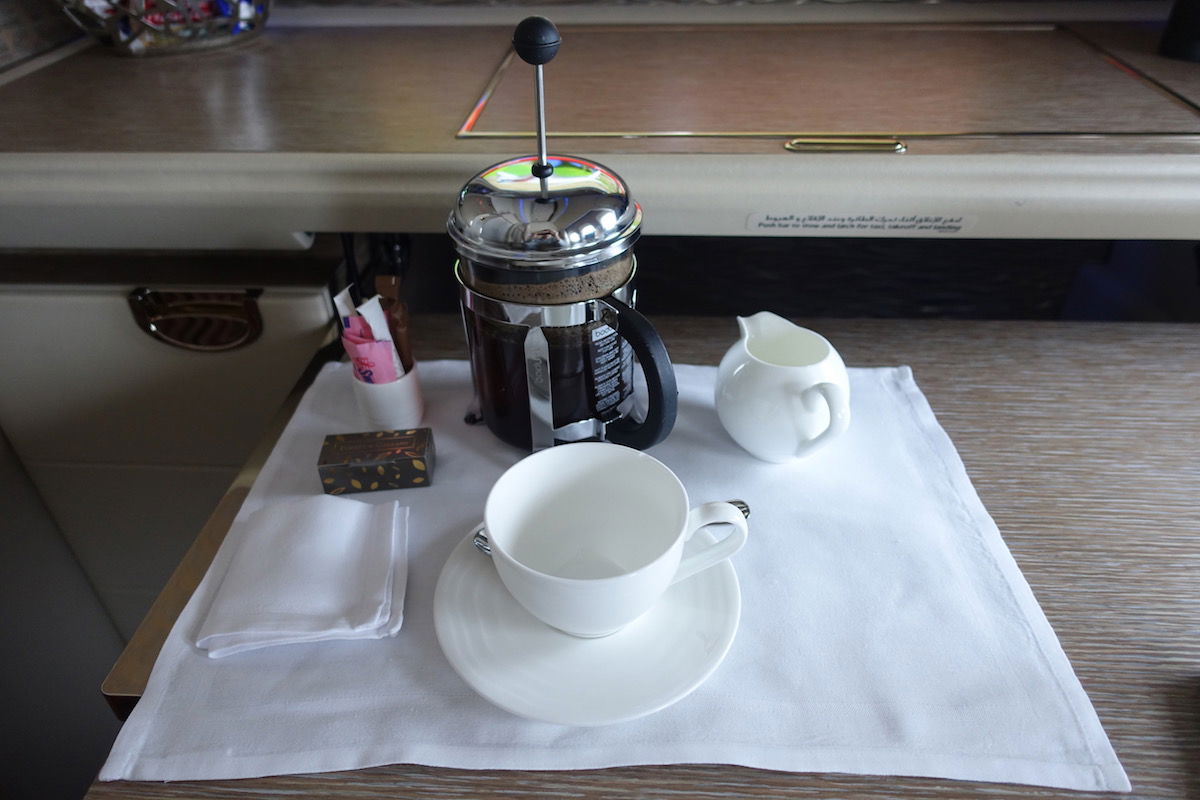
Most airlines rely on drip-brew systems using water from onboard tanks. Because these tanks are rarely pristine and the brewing process is standardized for speed, the result is frequently acidic, bitter, or "watery."
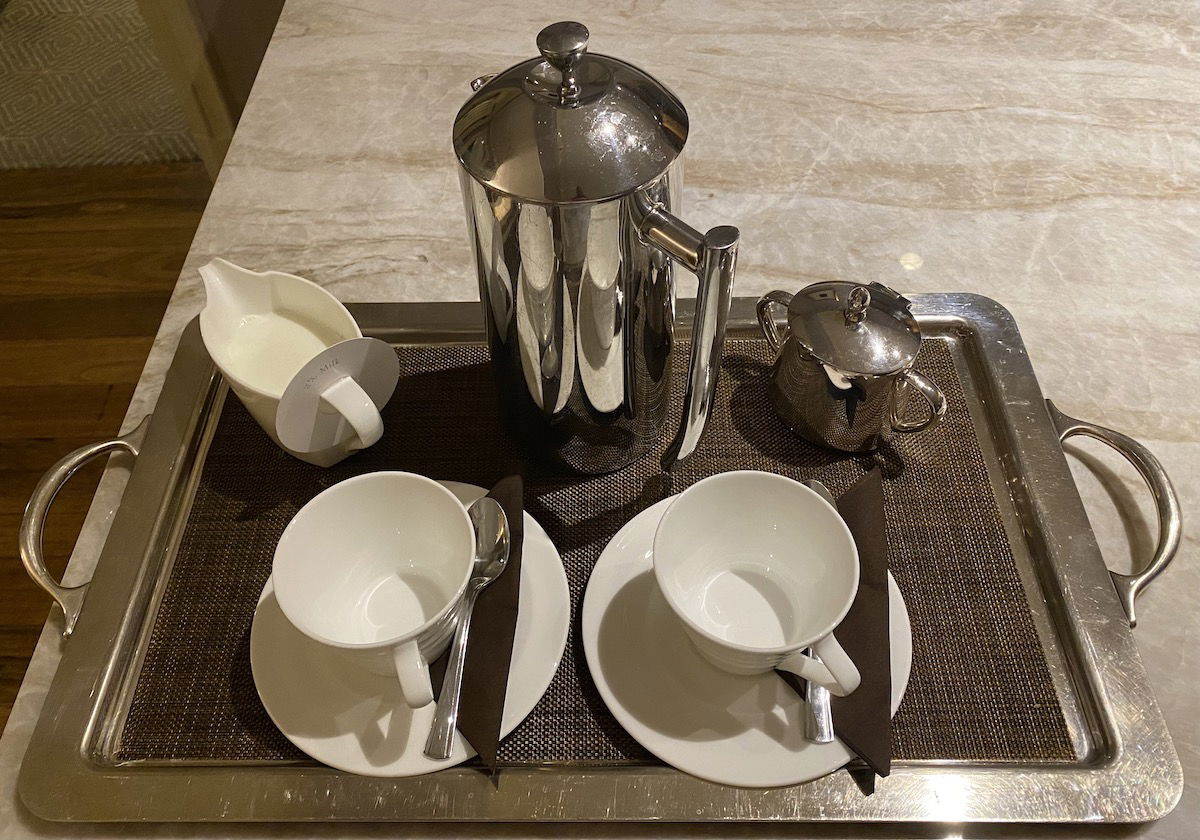
Innovations in the Sky
Despite these challenges, several carriers have begun to invest heavily in the coffee experience to distinguish their premium cabins:
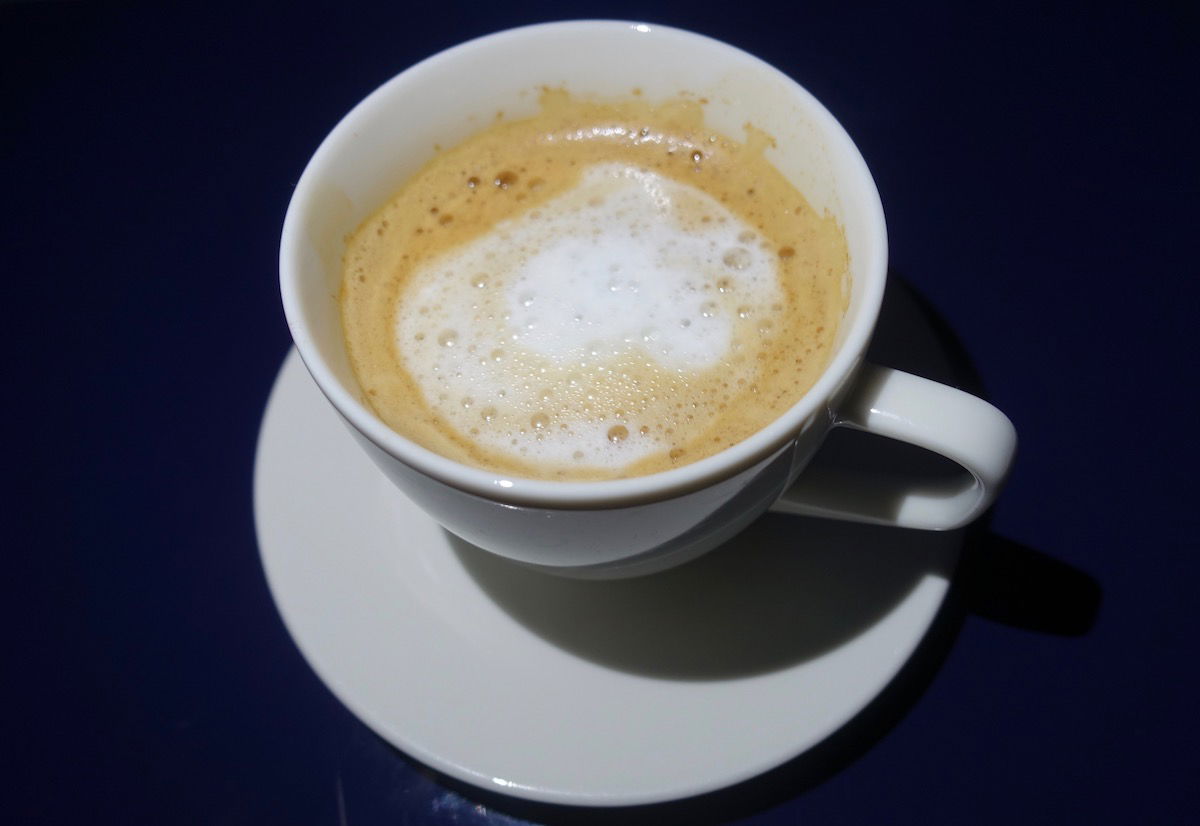
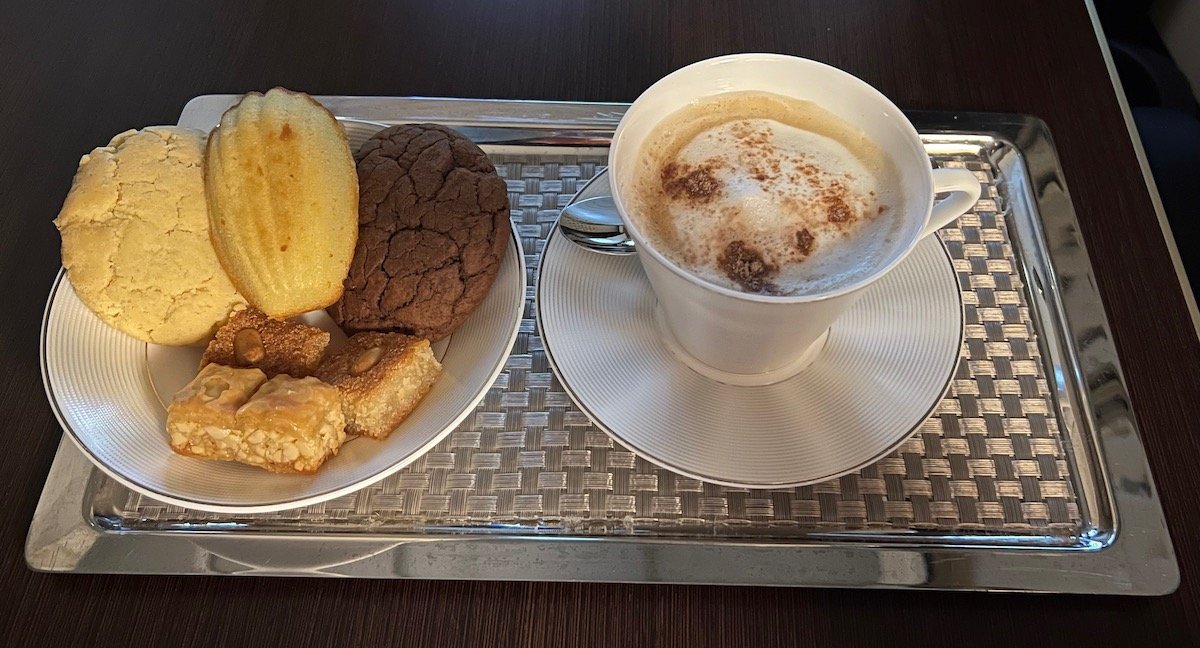
- Espresso and Cappuccino Programs: Carriers like Qatar Airways have demonstrated that it is possible to serve high-quality espresso-based drinks in the air. While the quality varies, the effort to provide a café-style beverage is highly regarded by passengers.
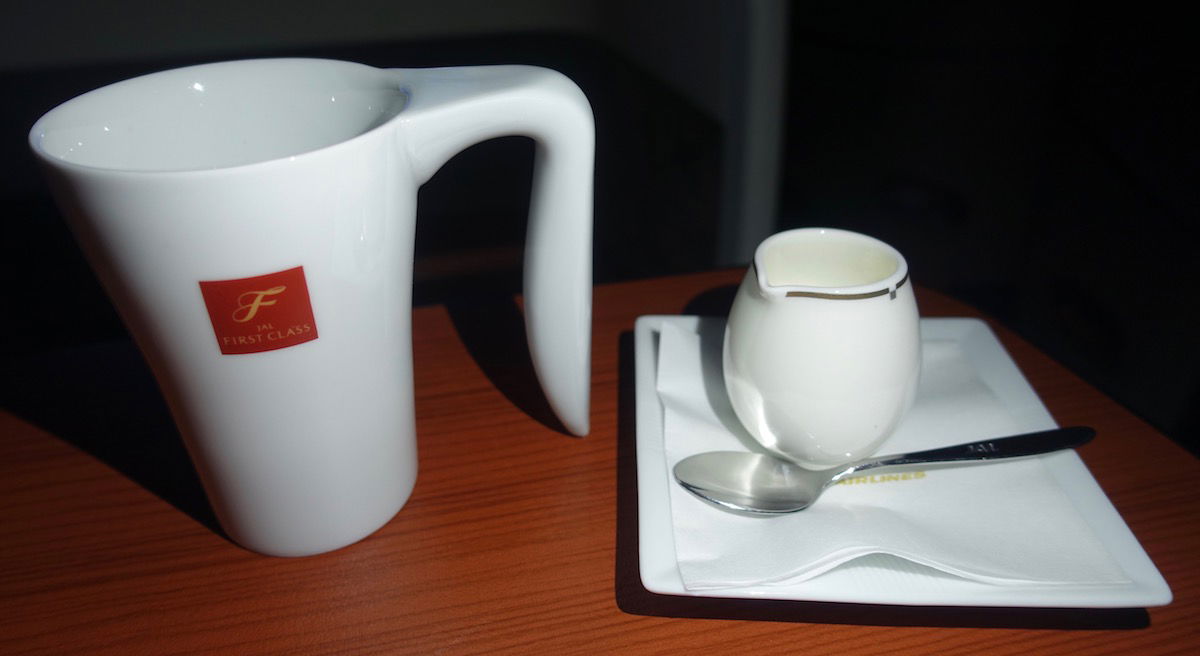
- Unique Presentation: Presentation matters. The silver-tray service utilized by Etihad in First Class demonstrates that the "ceremony" of coffee is as important as the liquid itself. It elevates the drink from a beverage to an experience.
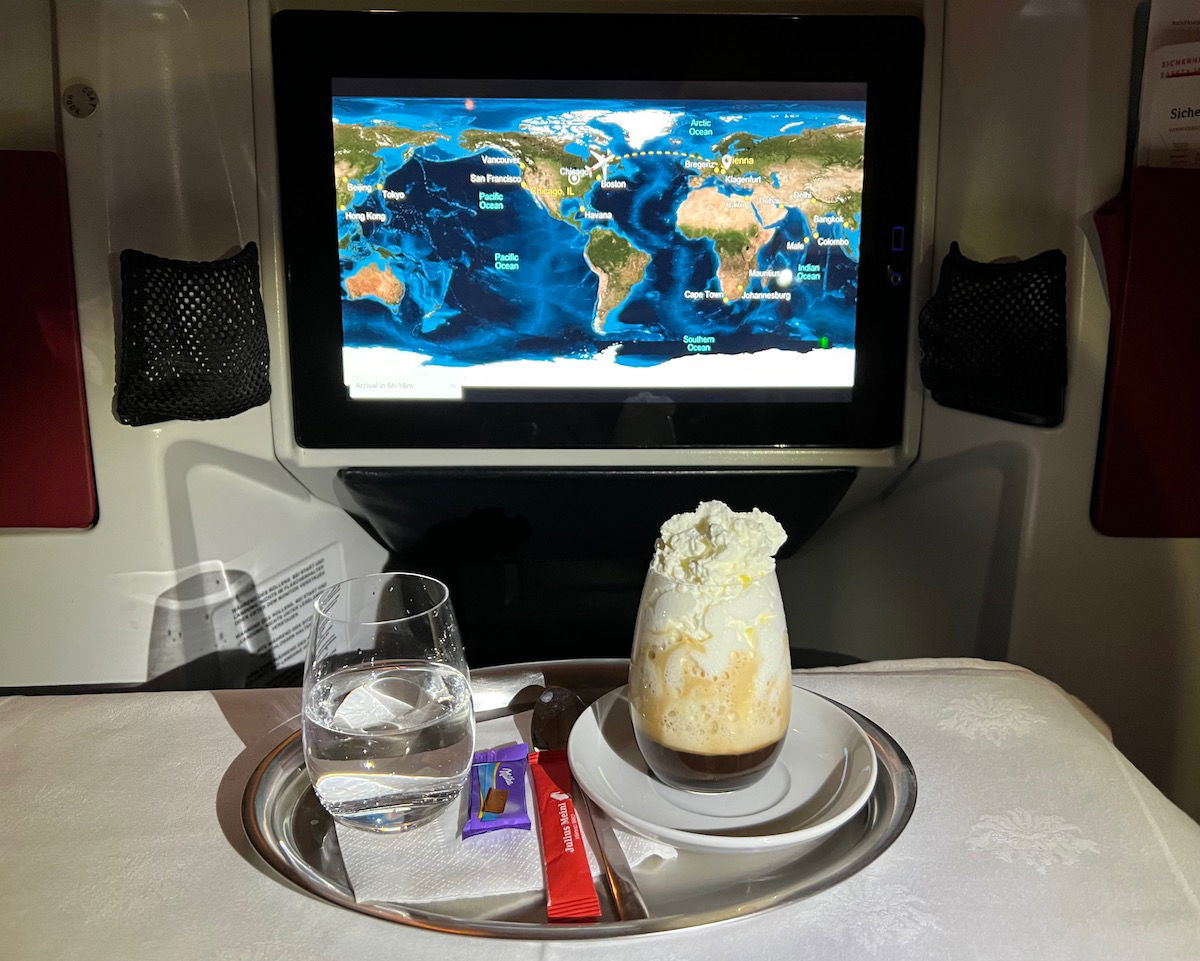
- Specialty Offerings: Innovations such as JetBlue’s iced cappuccino with oat milk or United’s introduction of Illy cold brew in premium cabins represent a shift toward meeting modern consumer preferences. These airlines recognize that the "one-size-fits-all" approach to coffee is rapidly becoming obsolete.
Supporting Data: The Disconnect Between Luxury and Utility
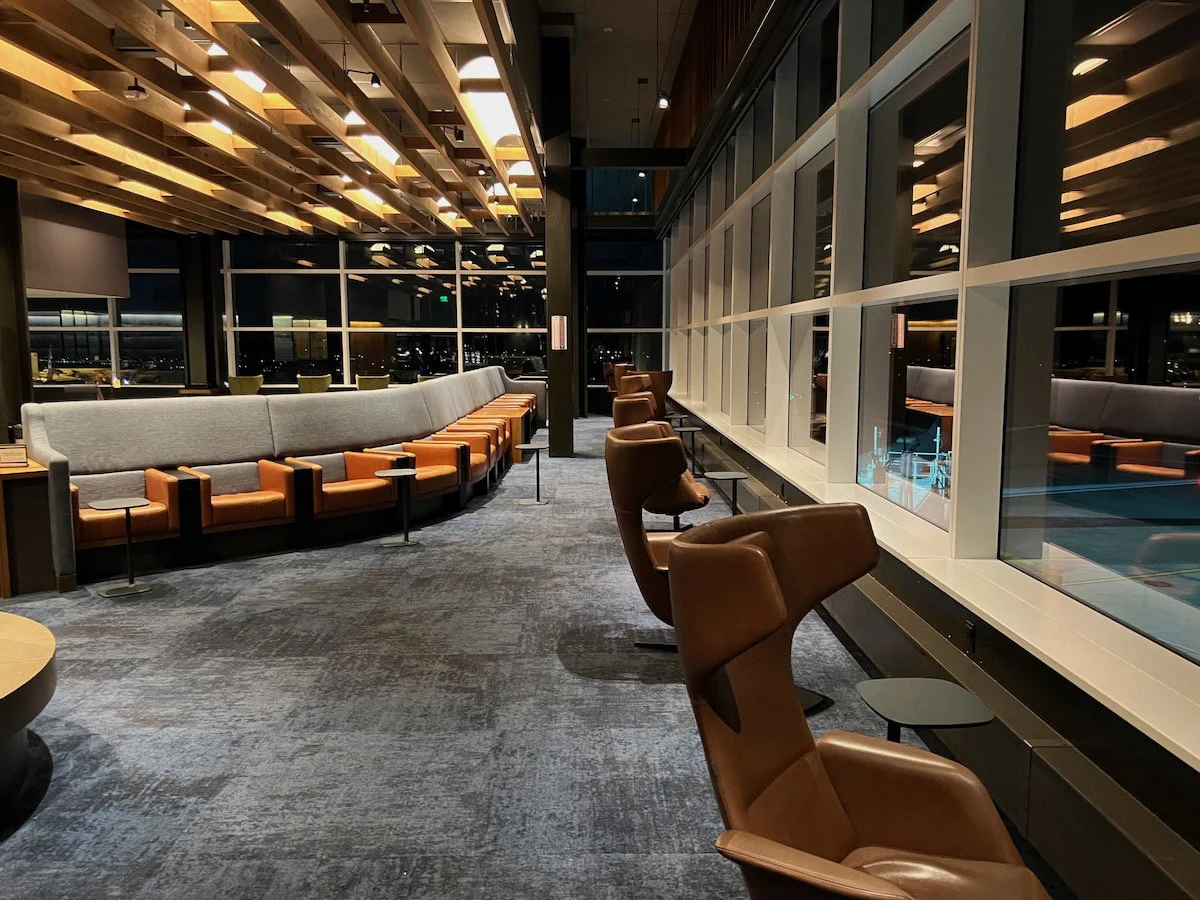
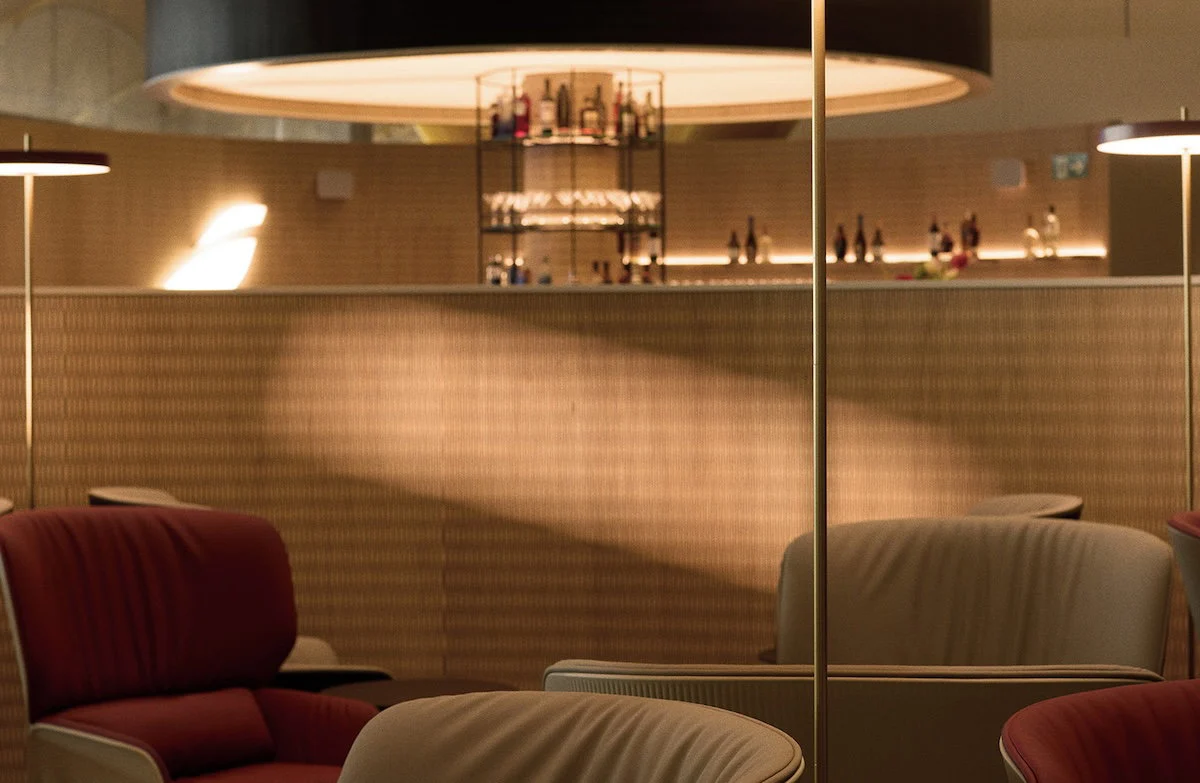
A recurring frustration among frequent flyers is the disparity between a brand’s prestige and its amenities. It is a common, if jarring, occurrence to be served vintage Champagne in a world-class lounge, only to find that the coffee station is limited to a low-grade, automated machine.
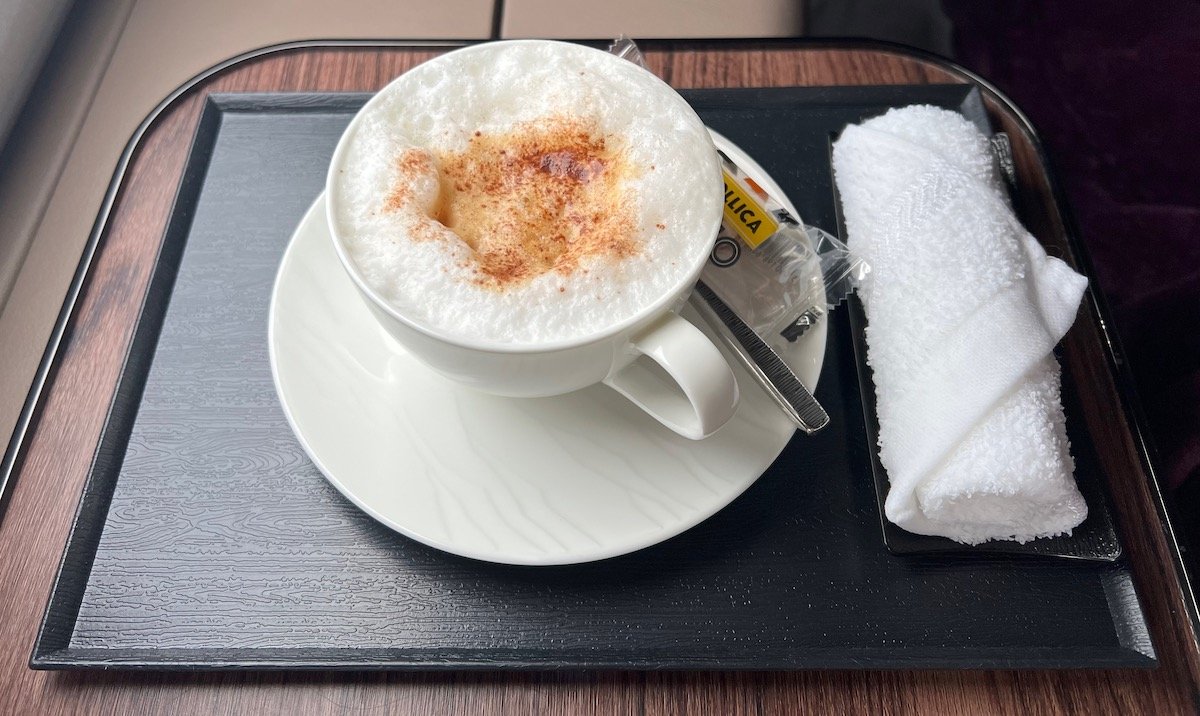
This suggests a "hospitality blind spot." While airlines and hotels have spent millions upgrading cabin seats and hotel room interiors, the "simple" pleasure of a barista-grade cup of coffee is often ignored. The data—both in terms of guest feedback and social media sentiment—suggests that guests are far more likely to complain about a bad cup of coffee than they are to praise a standard one, highlighting the necessity of consistency.
Implications for the Future of Travel
The hospitality industry is currently undergoing a shift where "authentic" and "personalized" experiences are the new luxury. As travelers become more educated about coffee culture—moving from standard drip coffee to an appreciation for single-origin beans and craft brewing—their expectations for hotels and airlines are rising accordingly.
Recommendations for Hospitality Leaders:
- Prioritize 24/7 Accessibility: For airport hotels, a 24-hour coffee shop or a dedicated early-morning lobby station is no longer an amenity; it is a necessity.
- Invest in Training: If a hotel or lounge offers an espresso machine, staff must be trained to use it. A machine is only as good as the operator.
- Embrace Variety: The success of cold brew, iced coffee, and non-dairy milk options in premium cabins shows that travelers want choices. The "one-black-coffee" era is over.
- Communicate the Offering: Whether it is a St. Regis butler-delivered service or a lobby amenity, proactive communication is key. Guests should not have to hunt for their morning coffee.
Conclusion: The Lasting Impression
Ultimately, coffee serves as a proxy for the level of care a brand provides. When an airline or hotel gets the coffee right, they are demonstrating an attention to detail that permeates other areas of their service.
As we look toward the future of travel, it is clear that the brands that win will be those that sweat the small stuff. A cup of coffee might seem like a minor item in the grand scheme of global travel, but for the person waking up at 4:00 AM, thousands of miles from home, it is the most important thing in the world. It is time for the industry to move beyond the "oxymoron" of airline coffee and treat the morning brew as a focal point of the passenger and guest experience.
For the traveler, a good coffee is not just a wake-up call—it is a welcome home.