







May 28, 2026 — As the financial landscape undergoes a rapid transformation driven by digital integration, a high-stakes regulatory battle is brewing that could reshape the protection of American consumers. At the center of this controversy are two major fintech players, Enova and OppFi, and their strategic bids to acquire national bank charters.
In a recent op-ed published by Payments Dive, Lauren Saunders, Senior Attorney at the National Consumer Law Center (NCLC), issued a stark warning: if the current administration is serious about alleviating the burden of high-interest debt for American families, it must block these acquisition bids. The outcome of these regulatory reviews, Saunders argues, will serve as a litmus test for whether the government prioritizes corporate expansion or the financial stability of the average household.
Main Facts: The "Rent-a-Bank" Loophole
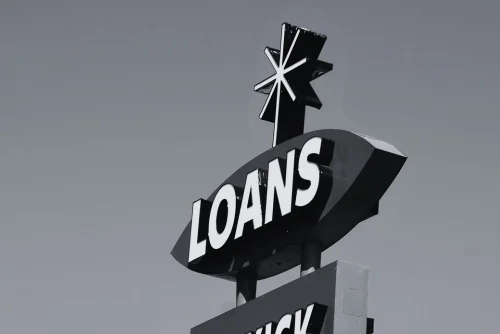
At the heart of the dispute is the "true lender" doctrine and the ability of non-bank lenders to bypass state-level interest rate caps. Currently, many states enforce usury laws that prevent lenders from charging exorbitant interest rates—often capping them at 36% APR—to protect consumers from debt traps.
However, federal law grants national banks the authority to "export" the interest rates allowed in their home state to borrowers across the country, regardless of local state laws. This creates a regulatory arbitrage opportunity often referred to as "rent-a-bank" schemes. Fintech companies like Enova and OppFi, which operate as non-bank entities, have historically been subject to state-by-state compliance. By acquiring national banks, these firms could effectively cloak their high-cost lending products under the federal preemption afforded to national banks, allowing them to issue loans with triple-digit APRs nationwide.
"If Trump-appointed regulators approve Enova’s and OppFi’s applications to purchase small national banks," Saunders writes, "both could charge 100% APRs, or higher, without fear of being sued for evading state usury laws."
A Chronology of Fintech Expansion
The trend toward bank-fintech consolidation has been building for several years, creating a complex timeline of regulatory maneuvering:
- 2023–2024: Fintech lenders face increasing pressure from state attorneys general and the Consumer Financial Protection Bureau (CFPB) regarding the legality of their partnerships with "partner banks" that act as conduits for high-interest loans.
- Early 2026: OppFi announces a definitive agreement to acquire BNC National Bank, marking a pivot from operating as a service provider to becoming a chartered institution.
- May 2026: As the applications for the BNC National Bank acquisition and Enova’s expansion efforts move toward final review, consumer advocacy groups begin an intensive campaign to highlight the risks to financial stability.
- May 28, 2026: Lauren Saunders publishes her op-ed in Payments Dive, framing the regulatory decision as a defining moment for the current administration’s stance on "predatory" financial practices.
Supporting Data: The Cycle of Debt
The core of the criticism against these fintech models is not just the cost of credit, but the systemic nature of the defaults associated with these products. Critics argue that these companies rely on a business model that assumes a high rate of borrower failure.
According to data cited by the Pew Charitable Trusts, loan loss rates for this category of high-interest lending consistently exceed 50%. This metric serves as a chilling indictment of the underwriting standards used by these firms. If a lender expects more than half of its borrowers to default, the loan was never designed to be affordable or sustainable for the borrower.
"Loan loss rates that consistently exceed 50% make clear a majority of these loans were never going to be affordable," Saunders notes. The profit, in these cases, is not derived from the successful repayment of principal and interest, but from the initial fees and the interest gathered before the inevitable default, trapping the borrower in a cycle of debt that often requires taking out new loans to cover the old ones.
Official Responses and Stakeholder Perspectives
The industry perspective remains focused on financial inclusion and the modernization of banking. Fintech firms argue that they provide essential liquidity to "underbanked" populations—individuals who may have thin credit files and are unable to access traditional bank loans. Proponents of the acquisitions argue that by becoming national banks, these companies would be under the direct supervision of federal regulators, thereby increasing transparency and compliance.
However, the NCLC and other consumer advocates strongly disagree. They argue that "regulation" in this context is a misnomer. They contend that by greenlighting these acquisitions, the government would be providing a federal seal of approval to business practices that are fundamentally extractive.
"Approving these applications for national bank charters would greenlight these loans nationwide and expose borrowers in every state to online loan sharks, leaving consumers in despair," the NCLC statement emphasizes. The call to action is directed squarely at the White House: regulators should reject the applications to avoid rewarding companies with documented histories of dragging borrowers into financial ruin.
Implications: The Future of Consumer Protection
The decision to approve or deny these bank charters will have profound implications for the American financial landscape.
1. Erosion of State Sovereignty
If the federal government approves these charters, state-level consumer protection laws will be effectively neutralized. States that have worked hard to implement interest rate caps will find their protections bypassed by the federal "exportation" doctrine, shifting the power balance significantly toward federal regulators and away from state legislatures.
2. The "Precedent" Problem
Approval would likely trigger a gold rush. If Enova and OppFi successfully navigate the regulatory hurdles to gain national bank status, other high-interest lenders will undoubtedly follow suit. The industry could see a massive consolidation wave where fintechs absorb smaller, struggling banks solely to gain the legal protection of a charter.
3. Impact on Economic Justice
The economic reality for low-to-moderate-income (LMI) borrowers is the most critical implication. If high-cost, high-default credit becomes the standardized "mainstream" product via national bank charters, the wealth gap may widen. Instead of building credit, borrowers may find themselves in a permanent state of indebtedness, hindering their ability to participate in the broader economy, such as securing housing or building long-term savings.
Conclusion: A Call for Oversight
The NCLC’s plea to the administration is clear: regulatory oversight must serve the public interest. While fintech innovation can be a powerful tool for economic growth, it should not come at the expense of the most vulnerable consumers.
As the review process continues, the eyes of the consumer advocacy community remain fixed on the regulators. The question remains whether the administration will choose to uphold the integrity of state usury laws and protect consumers from high-cost debt, or whether it will facilitate a shift that allows for the widespread nationalization of predatory lending practices.
For those who believe in a more equitable financial system, the message from the NCLC is a reminder that economic justice is not just a policy goal—it is a result of active, vigilant regulation. The decision on Enova and OppFi will be the ultimate signal of where the current administration stands in that struggle.
For more information on consumer rights and to support the work of the National Consumer Law Center, please visit their official donation page.