









In the high-stakes world of commercial aviation, leadership is often defined by quarterly earnings, operational reliability, and labor relations. However, United Airlines CEO Scott Kirby has carved out a distinct—and increasingly polarizing—niche for himself: he is a leader who trades as much in nationalistic branding as he does in logistics. In a recently released internal video message to mark the July 4th holiday, Kirby offered a rhetoric-heavy tribute to the United States that has ignited debate among industry analysts and frequent travelers alike.
While Kirby’s message was ostensibly designed to boost employee morale during the industry’s busiest travel season, his bold claims regarding both the status of his airline and the comparative standing of the United States have drawn scrutiny. By positioning United Airlines as a "cultural ambassador" for the "greatest nation on earth," Kirby has once again blurred the line between corporate leadership and political advocacy.
The Chronology: A Pattern of Unabashed Promotion
Scott Kirby’s July 4th message arrives at a time of significant transition for United Airlines. The airline is currently navigating the complexities of the 2025 summer travel surge, managing historical passenger volumes while contending with the perennial challenges of summer weather disruptions and air traffic control constraints.
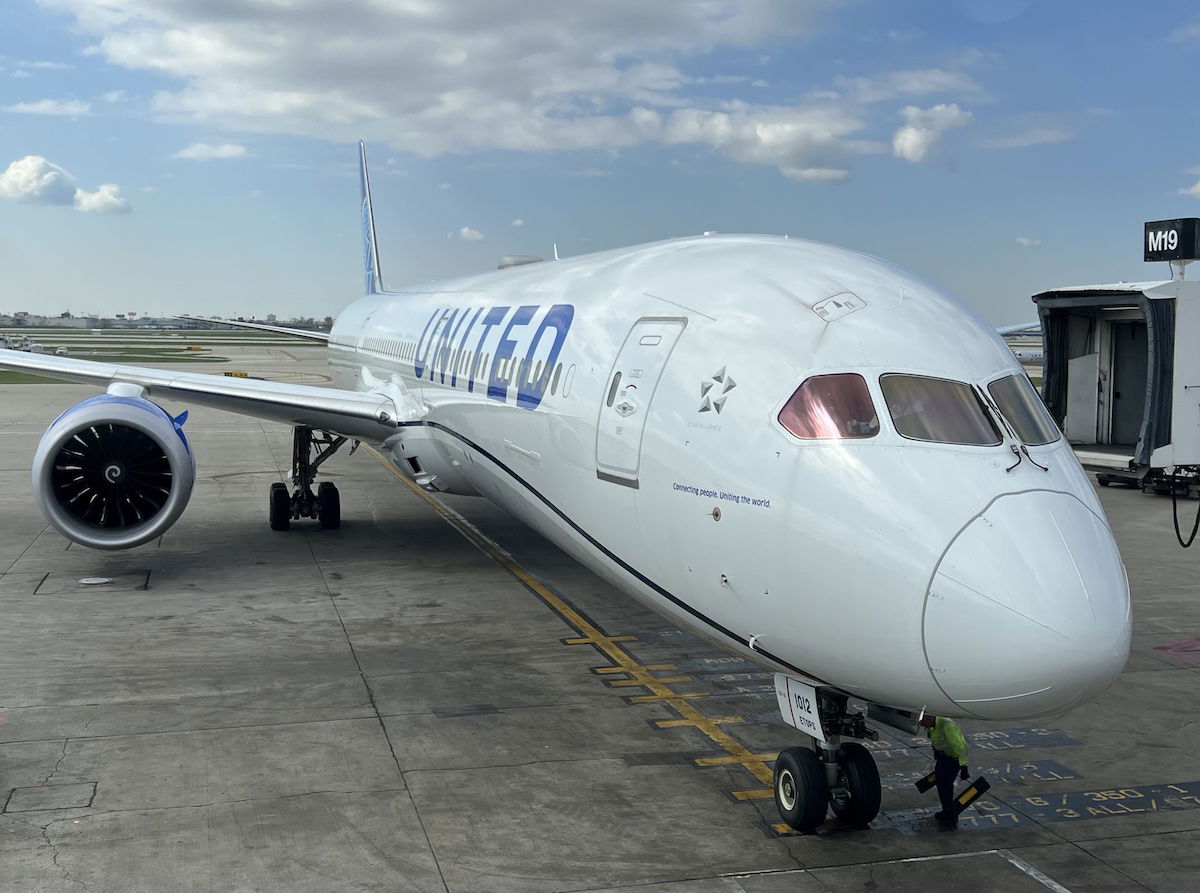
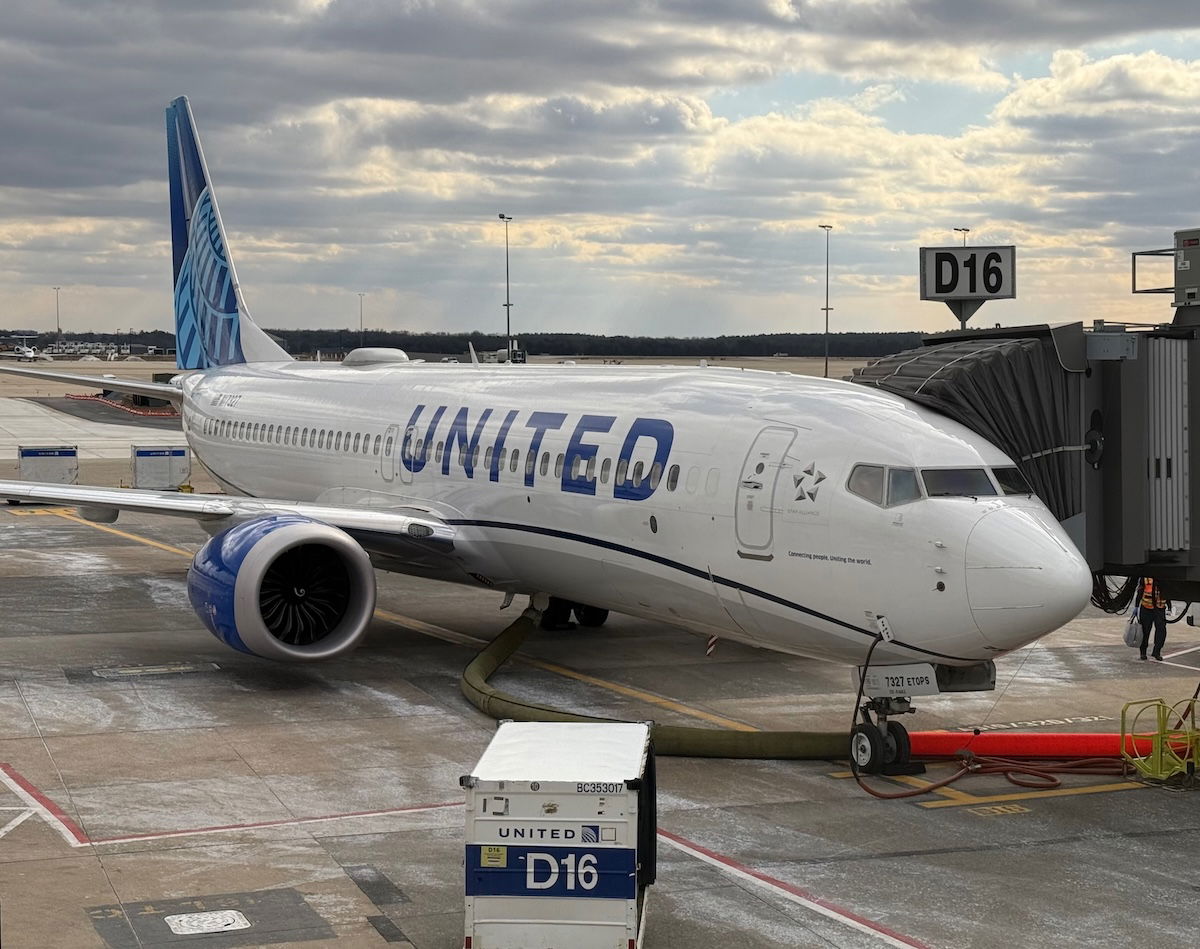
The timing of the message, released on the 250th anniversary of the United States, was clearly calculated to resonate with the workforce. In the video, Kirby, standing before a United aircraft, articulated his view of the airline’s mission:
"We talk about connecting people and uniting the world… what we’re doing at United Airlines isn’t just flying people around the globe, it really is spreading the culture and values that have made this the greatest nation on earth."
This is not an isolated incident of hyperbole from the CEO. Over the past several years, Kirby has consistently utilized internal and public forums to push the narrative that United is not merely a major carrier, but "the best airline in the history of aviation." This consistent branding strategy serves two purposes: it rallies the internal base during times of operational stress, but it also invites external skepticism regarding the metrics used to justify such an absolute claim.
The Data: Measuring "The Best" and "The Freest"
Kirby’s rhetoric rests on two pillars: the supremacy of United Airlines as a commercial entity and the supremacy of the United States as a global beacon of freedom. When scrutinized through the lens of data, both claims encounter significant headwinds.
The Metrics of Aviation Supremacy
When a CEO labels his company "the best in the history of aviation," the lack of a standardized metric makes the statement both irrefutable and highly subjective. If the criteria are based on profitability, United is a top-tier performer. If the criteria shift to customer satisfaction, on-time performance, or network diversity, the debate becomes significantly more nuanced. Critics point out that "the best" is often a moving target; in the history of aviation, carriers like the pre-deregulation Pan Am, or modern industry leaders in service like Singapore Airlines or Emirates, often occupy the top spots in the global imagination. By declaring United the winner, Kirby risks alienating industry purists who prioritize passenger experience over corporate scale.
The Human Freedom Index and Global Standing
Kirby’s assertion that the United States possesses "unprecedented" freedom compared to the rest of the world is a recurring theme in his public messaging. However, empirical studies often present a more complex picture. According to the 2025 Human Freedom Index, which aggregates data on personal, civil, and economic freedom, the United States currently ranks 15th globally. Countries such as Switzerland, Denmark, and New Zealand frequently outperform the U.S. in these indices.
While the U.S. undeniably provides a robust framework of civil liberties, the declaration that it is "the" freest nation is not supported by the consensus of international human rights and governance researchers. Kirby’s insistence on this point suggests a perspective that, according to some observers, prioritizes a nationalist narrative over a global understanding of governance and liberty.
Official Responses and Internal Sentiment
Within United Airlines, the reaction to Kirby’s leadership style is as varied as the company’s workforce. To his credit, Kirby is widely viewed as a CEO who excels at connecting employees to a high-level mission. He is articulate, visible, and deeply committed to his vision for the company. In an industry where top leadership often feels distant or disconnected from the rank-and-file, Kirby’s ability to frame the work of a gate agent or a pilot as a contribution to "spreading American values" can be a powerful motivator.
However, this approach stands in stark contrast to the leadership void often criticized at competing carriers, such as American Airlines. While some employees find Kirby’s patriotism inspiring, others find it distracting. The internal discourse suggests a divide between those who view the CEO’s role as that of a corporate manager and those who accept the modern "CEO-as-philosopher-king" model.
The Implications of "Corporate Patriotism"
The implications of Kirby’s rhetoric extend far beyond the hangar or the boardroom. By tethering the brand identity of United Airlines so tightly to a specific vision of American exceptionalism, the company is making a strategic choice that carries both benefits and risks.
The Risk of Alienation
In an era of globalization, the world’s largest airlines rely on international partnerships and diverse passenger bases. When a CEO declares his country the "greatest on earth" in such an absolute manner, it can be perceived as tone-deaf by the millions of foreign nationals who fly on United every year. A brand that prides itself on "uniting the world" may find its message diluted if it is seen as favoring one national narrative to the exclusion of the global community it serves.
The "Traveler’s Perspective"
Critics of Kirby’s worldview, including seasoned travelers and industry analysts, argue that travel is the ultimate antidote to provincialism. The experience of visiting foreign nations, engaging with different cultures, and witnessing how other democracies function often leads to a more nuanced view of the world. By doubling down on the idea that the U.S. is the center of the world in every regard, Kirby’s comments appear to many as a rejection of the very perspective that travel—and the airline industry—is supposed to foster.
The Future of Airline Branding
The Kirby approach represents a broader trend in American corporate leadership: the move toward "values-based" branding. In this model, the product (the flight) is secondary to the ideology of the company. Whether this strategy will lead to sustained growth or eventual backlash remains to be seen. If the airline continues to perform well operationally, the CEO’s rhetoric may be dismissed as mere "branding noise." However, if operational challenges arise, the intensity of his claims may become a liability, providing critics with a clearer target for frustration.
Conclusion: A Visionary or a Populist?
Scott Kirby is undoubtedly one of the most consequential figures in modern aviation. His commitment to United Airlines is unquestionable, and his ability to define a clear, albeit bold, mission for his organization is a skill few CEOs possess. Yet, the July 4th address serves as a reminder of the hazards of mixing corporate strategy with nationalistic fervor.
While it is entirely appropriate for a CEO to celebrate his country on Independence Day, the conflation of airline excellence with a specific, and often debated, ranking of global freedom reflects a particular, and some might argue, limited worldview. As the industry moves forward, the question for United Airlines will be whether its passengers—a global, diverse, and discerning group—are looking for a carrier that "unites the world," or one that insists on reminding them which part of the world is "the best."
For now, Kirby remains steadfast. He has chosen his path, and he is walking it with the same conviction that he applies to his airline’s growth strategy. Whether history remembers him as a visionary who built the best airline in the world, or as a leader who let his passion for a narrative obscure the complexities of the global marketplace, is a story that is still being written in the skies above.