








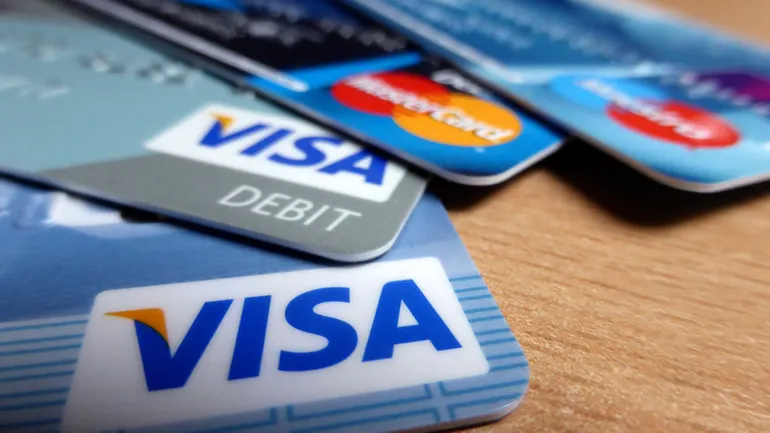
The landscape of American consumer finance is undergoing a fundamental shift as the humble debit card—once a simple tool for accessing existing deposits—transforms into the latest battleground for installment lending. For decades, the line between debit and credit was clear: one used the money you had, and the other used the money you borrowed. Today, that line is blurring as traditional banking giants and nimble fintech disruptors compete to offer "Buy Now, Pay Later" (BNPL) functionality directly tied to primary checking accounts.
What began as a niche offering at digital checkout counters has matured into a multi-billion dollar industry. As fintech leaders like Klarna and Affirm move deeper into the traditional banking ecosystem by offering high-yield savings accounts and sophisticated loan products, the nation’s largest financial institutions are striking back. This counter-offensive is no longer limited to credit cards; it has moved to the core of the consumer’s daily financial life: the debit card.
Main Facts: The Convergence of Credit and Liquidity
The current skirmish in the payments industry is defined by several key developments. First, four of the five largest U.S. banks have now integrated installment lending into their credit card ecosystems. However, the true innovation is the migration of these features to debit accounts. JPMorgan Chase, the largest bank in the United States, has already established a foothold in this space with its "Pay in 4" plan, specifically designed for debit card purchases.
Meanwhile, Bank of America recently intensified the competition by introducing a flexible-payment option for its credit accounts. This feature allows cardholders to bypass traditional interest payments in favor of a fixed monthly fee, providing a level of predictability that mirrors the transparency of fintech BNPL models.
The competitive pressure is also forcing a transformation in how smaller financial institutions operate. Affirm, a pioneer of the BNPL movement, is pivoting from being a direct competitor to becoming a service provider for the banking industry. By partnering with infrastructure giants like Fiserv and Fidelity National Information Services (FIS), Affirm is offering its technology to mid-sized and smaller banks, allowing them to provide BNPL services on their own debit cards without the technical burden of building the software from scratch.
Chronology: From Retail Disruption to Banking Integration
The trajectory of BNPL in the United States has been one of explosive growth, moving from a retail novelty to a systemic financial tool in less than five years.
- 2019: The First Volleys: As fintechs gained traction at online checkouts, traditional banks began to take notice. Citi was among the first major players to respond, introducing a flexible payment option for its credit cards in 2019. At this stage, the focus remained firmly on credit card holders.
- 2021: Chase Enters the Debit Space: Recognizing that a significant portion of younger consumers were "debit-first," JPMorgan Chase launched its debit-based "Pay in 4" plan. This allowed users to split purchases between $50 and $400 into four installments, marking a significant departure from traditional overdraft or personal loan models.
- 2023: The Year of Massive Scaling: According to the Consumer Financial Protection Bureau (CFPB), BNPL loan originations surged from approximately 20 million in 2019 to a staggering 336 million in 2023. This year also saw U.S. Bank debut a specialized credit card that allowed holders to split any purchase into three equal payments for a 1.5% fee.
- 2024–2025: The Infrastructure Pivot: Affirm began formalizing its partnerships with Fiserv and FIS. These "frenemy" collaborations signaled a new era where fintechs provide the "plumbing" for the very banks they once sought to disrupt.
- June 2026: The Current Landscape: Bank of America launched its newest flexible-payment features, and market data confirmed that over half of consumers under 40 had used a BNPL product within the previous 90 days.
Supporting Data: Mapping the BNPL Explosion
The data provided by federal regulators and market analysts paints a picture of a permanent change in consumer behavior. The CFPB’s December 2025 report, which analyzed data from industry leaders including Affirm, Afterpay, Klarna, PayPal, Sezzle, and Zip, highlighted the scale of the market.
Approximately 54 million Americans utilized a BNPL product in 2023. While the average loan size remains relatively small at $135, the sheer volume of transactions—336 million—indicates that BNPL is being used for everyday expenses, not just high-ticket luxury items. This trend has been exacerbated by persistent inflation and affordability pressures, which have driven consumers to seek structured repayment plans to manage their monthly cash flow.
Consumer sentiment is also shifting in favor of established institutions. A March 2026 study by JD Power, surveying approximately 3,900 consumers, found that 37% of U.S. adults had used BNPL recently. Critically, the study revealed that users expressed higher satisfaction with BNPL products offered by their banks than those from independent fintech providers. This "trust dividend" is the primary catalyst for banks to accelerate their product launches.
Affirm’s internal projections further underscore the untapped potential. The company estimates that there are 130 million "debit-first" consumers in the U.S. who largely avoid credit cards. This demographic represents an estimated $140 billion in annual spending. Affirm believes that by integrating BNPL into debit cards, banks could unlock an additional $2,000 in annual spending per consumer.
Official Responses: Strategies for a New Era
The leaders of these financial institutions are vocal about why they are moving into the installment space.
Wayne Pommen, Chief Revenue Officer at Affirm, views the bank-debit integration as a unique evolution. "This debit card-based offering is sort of new and unique, and we haven’t really seen that much anywhere," Pommen noted. He emphasized that Affirm’s new B2B service offers banks a "minimal technical lift," allowing them to participate in the economics of BNPL without the risk of building their own credit-scoring models.
Lora Monfared, Head of Consumer Credit Card Products at Bank of America, explained that their recent flexible-payment launch was a direct response to customer feedback. Consumers, she noted, are "looking for more structure on knowing what their monthly payment and terms would be." By replacing variable interest with a fixed fee, the bank is providing the transparency that consumers have come to expect from fintech apps.
However, not every bank is rushing to the front lines. Josh Miller, who oversees product development for KeyBank, expressed a more cautious "wait-and-see" approach. While acknowledging that KeyBank is constantly scanning the landscape, Miller indicated that a BNPL product is not an immediate priority—though he admitted that if the "entire herd" launches such products, it would influence a shift in their strategy.
Implications: The Future of Consumer Debt and Banking
The migration of BNPL to the debit card has profound implications for the future of the financial services industry, consumer habits, and regulatory oversight.
1. The Erosion of the Credit Card Model
For decades, banks relied on the "revolving door" of credit card interest. BNPL, with its fixed fees and set end dates, offers a more disciplined alternative. If debit cards become the primary vehicle for short-term lending, the traditional credit card—with its complex interest calculations and potential for long-term debt traps—may see a decline in relevance among Gen Z and Millennial cohorts.
2. The "Trust Advantage" and Fintech Survival
The JD Power data suggests that while fintechs invented the BNPL category, banks may ultimately own it. If consumers prefer to use these services through institutions where they already have a checking account and a mortgage, fintechs like Klarna and Affirm must evolve. Affirm’s move to become a technology provider for smaller banks is a survival strategy, acknowledging that the "ecosystem" advantage of a traditional bank is difficult to overcome.
3. Financial Inclusion vs. Over-Extension
The ease of splitting a $50 purchase on a debit card lowers the barrier to credit. While this provides liquidity to those who might not qualify for a traditional credit card, it also raises concerns about "loan stacking." Because BNPL loans are often not reported to traditional credit bureaus in real-time, a consumer could theoretically take out multiple small loans across different platforms, leading to a debt burden that is invisible to any single lender.
4. The Rise of the Regional Bank
Through partnerships with Affirm and Fiserv, regional and community banks (like Old National) can now offer "big bank" tech. This levels the playing field, allowing smaller institutions to retain younger customers who might otherwise have defected to digital-only neobanks for better features.
As the battle for the "top of wallet" continues, the debit card is no longer just a way to spend money—it is a way to manage it. The coming years will determine whether this integration of lending and liquidity leads to a more stable financial consumer or a new era of fragmented debt. For now, the message from the banking industry is clear: the installment revolution is no longer a threat from the outside; it is being welcomed into the heart of the vault.