





September 24, 2026
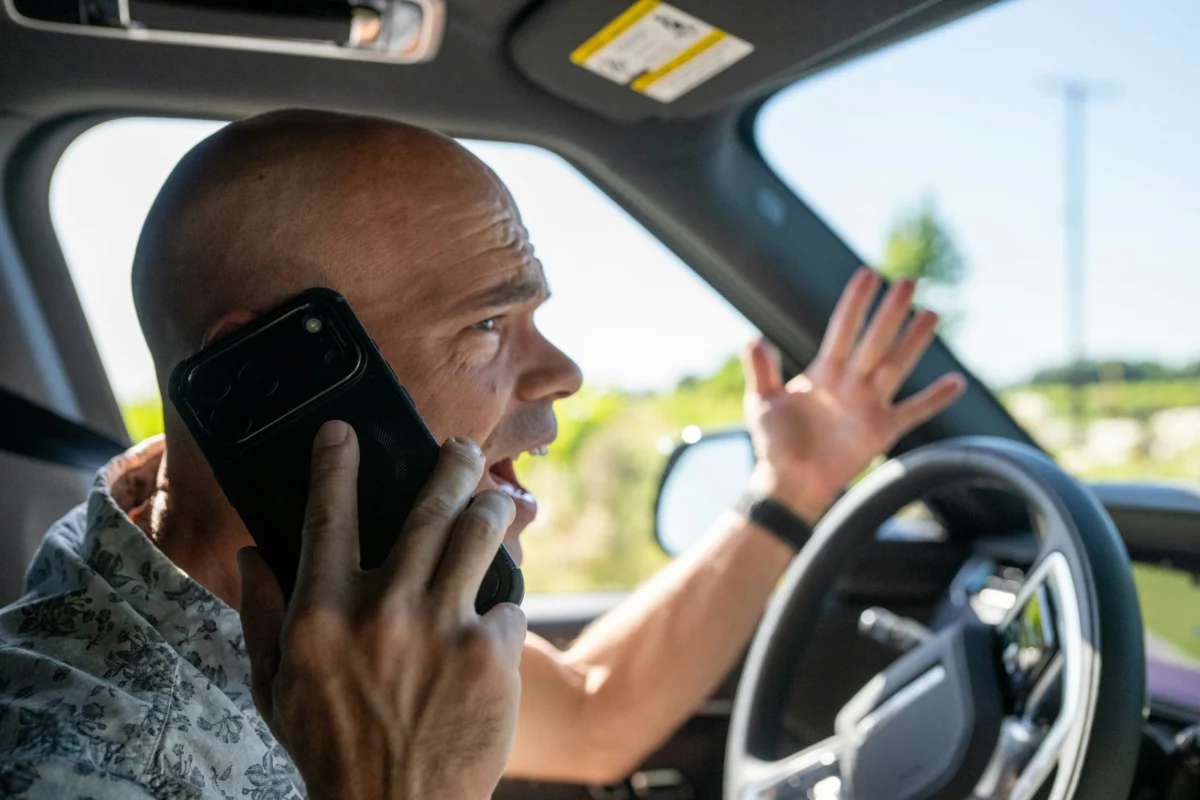
As the 2026 midterm elections approach, the sanctity of the American electoral process faces an unexpected technological threat. The Federal Communications Commission (FCC) is currently weighing a high-stakes petition filed by the conservative advocacy group Club for Growth—a request that, if granted, would fundamentally alter the rules governing political communication. At its core, the petition seeks to bypass long-standing federal protections against unwanted robocalls, specifically those powered by Artificial Intelligence (AI).
Critics argue that approval of this proposal would effectively open the floodgates for a barrage of AI-generated misinformation, deepfake audio, and intrusive automated outreach, threatening to undermine voter trust and personal privacy in the final, volatile stretch of the election cycle.
The Core Conflict: Eroding the Telephone Consumer Protection Act (TCPA)
The battleground for this regulatory dispute is the Telephone Consumer Protection Act (TCPA), a landmark 1991 federal statute designed to protect consumers from the scourge of invasive, automated telemarketing. Under current law, political entities—like all other commercial callers—are strictly prohibited from placing automated or prerecorded calls to cellphones without obtaining express, prior consent from the recipient. This consent requirement serves as a vital firewall, preventing a total collapse of the utility and privacy of the American telephone network.
The Club for Growth’s petition argues for a specific carve-out from these regulations. They propose a regulatory environment where political organizations would be permitted to place AI-generated calls to mobile devices, provided they adhere to two conditions: a cap of three calls per 30-day period and a requirement to cease contact within 10 days of a consumer’s "opt-out" or "stop" request.
Public interest advocates and cybersecurity experts have already mobilized, labeling these proposed limitations as "illusory" and "practically unenforceable." Because the political ecosystem is comprised of thousands of disparate political action committees (PACs), Super PACs, candidate campaigns, and non-profit advocacy groups, the "three-call limit" would be impossible to monitor or enforce. If every entity in the political sphere were to make three calls, a voter could theoretically be subjected to hundreds of unwanted, AI-generated interactions per month, rendering the restriction meaningless.
Chronology of a Regulatory Push
The push for this policy shift did not emerge in a vacuum. The trajectory of this development highlights a growing intersection between rapid AI development and the regulatory lag of federal oversight:
- Early 2026: As generative AI became more sophisticated and cheaper to implement, political consultants began experimenting with "voice-cloning" technology to personalize outreach.
- Summer 2026: Following several high-profile incidents involving AI-generated misinformation in local elections, the FCC signaled its intention to crack down on AI-enhanced fraud.
- Late Summer 2026: The Club for Growth filed its formal petition with the FCC, arguing that current TCPA restrictions inhibit the ability of political groups to engage with the electorate.
- September 24, 2026: The FCC officially announced the opening of a public comment period, inviting stakeholders to weigh in on the proposal under the docket number 02-278.
This chronology reflects a desperate scramble by political entities to leverage new technology before the window for the midterms closes, and a reactive federal agency struggling to maintain order in an increasingly digitized political arena.
Supporting Data: The Risks of AI in Political Communication
The danger of AI-generated robocalls extends far beyond mere annoyance. Research into Large Language Models (LLMs) and voice-synthesis software has documented several critical vulnerabilities that could be exploited in a political context.
The "Hallucination" Factor
AI chatbots and voice generators are prone to "hallucinations"—the tendency of these models to state falsehoods with absolute confidence. If a political robocall, using a high-fidelity AI voice, provides incorrect information about polling locations, election dates, or a candidate’s platform, the damage could be irreversible. Unlike a written email, which can be easily flagged or fact-checked, a phone call is a transient, ephemeral medium.
The Problem of Deepfakes
Voice-cloning technology has reached a level of sophistication where a computer can replicate the cadence, tone, and accent of a candidate or a trusted community figure with only seconds of source audio. This allows for the creation of "deepfake" robocalls that can trick voters into believing a candidate has changed their position, endorsed a scandal, or issued a last-minute withdrawal. The capacity for bad actors to weaponize this technology to suppress voter turnout is, according to election integrity experts, unprecedented.
Sycophancy and Manipulation
AI models are often trained to be "sycophantic," meaning they are programmed to mirror the perceived opinions of the user to build rapport. In a robocall scenario, this could be used to manipulate voters by having the AI "adjust" its policy positions in real-time based on the tone or responses of the voter, creating a deeply personal but entirely fabricated political persona.
Official Responses and Public Sentiment
The FCC’s request for public comment has triggered a deluge of responses from privacy advocates, civil liberties groups, and concerned citizens.
A spokesperson for the FCC noted that the commission is "committed to protecting the American public from harmful and fraudulent communications, while simultaneously considering the First Amendment implications of political speech." However, the agency has yet to take a definitive stance on the petition, choosing instead to allow the public record to grow before rendering a decision.
Conversely, the Club for Growth maintains that their petition is about "modernizing political engagement." They argue that restrictive TCPA rules are outdated and prevent candidates from reaching younger, mobile-first voters who rarely answer calls from unknown numbers unless they are targeted and relevant.
Opposition groups, including the Electronic Frontier Foundation and various consumer watchdog organizations, have argued that the FCC must reject the petition to prevent a "tsunami of spam" that would destroy the integrity of the telephone system. They emphasize that the 10-day waiting period for a "stop" request is a massive loophole; in the context of a two-week election sprint, a 10-day delay effectively grants callers immunity for the duration of the campaign.
Implications: A Threat to Democratic Integrity
The implications of the FCC approving this petition are severe. If the Commission grants this exemption, it sets a dangerous precedent that could permanently weaken the TCPA.
The Erosion of Consent
The bedrock of the TCPA is the principle of consent. By allowing political actors to bypass this, the FCC would signal that political speech is exempt from the privacy rights enjoyed by the general public. This creates a two-tiered system where individual privacy is subordinate to the political machinery.
The "Noise" Problem
In an era of deep polarization, the constant bombardment of AI-voiced calls could lead to total voter burnout. When the telephone becomes a source of stress and misinformation, voters are less likely to engage with legitimate political discourse, potentially driving down voter participation—a direct threat to the democratic process.
The Accountability Gap
If an AI robocall spreads a defamatory lie, who is held responsible? The candidate? The PAC? The AI vendor? The software developer? The nature of AI-generated content creates a "diffusion of responsibility" that makes it incredibly difficult for law enforcement or aggrieved parties to seek redress. By the time an investigation identifies the source of a fraudulent call, the election will have already concluded.
Call to Action: Safeguarding the System
The window for the public to voice their opposition is rapidly closing. The FCC is currently soliciting input, and the weight of public opinion will be a significant factor in their final determination.
To ensure the integrity of the U.S. telephone system and protect the upcoming midterm elections from an AI-driven disinformation crisis, citizens are encouraged to submit their formal comments to the Commission.
How to File a Comment:
- Navigate to the FCC Express Filing system.
- In the "Proceeding(s)" line, type: 02-278.
- Enter your personal information as required.
- In the comment section, clearly state your opposition to the Club for Growth petition. Emphasize the risks of misinformation, the invasiveness of AI-generated voice calls, and the inadequacy of the proposed 10-day opt-out period.
- Review your information for accuracy and submit.
As technology continues to outpace legislation, the FCC finds itself at a crossroads. Will it prioritize the convenience of political machinery, or will it safeguard the privacy and the informed participation of the American voter? The outcome of the decision on docket 02-278 will serve as a bellwether for the future of digital democracy in the United States.