








In a landmark operation that has sent shockwaves through the global cybersecurity community, the Australian Federal Police (AFP) have dismantled a notorious cybercrime syndicate known as TeamPCP. The group, responsible for what experts describe as the most persistent and sophisticated software supply chain attack spree in history, was neutralized following a joint investigation involving the FBI and Western Australian authorities.
Two men, aged 21 and 23, were arrested in Perth this week, marking the end of a chaotic, nine-month reign of terror that saw thousands of businesses compromised. While the AFP has maintained confidentiality regarding the suspects’ identities, multiple sources and investigative reports have confirmed the primary target as Ruben Ian Thomson, a 21-year-old developer from the affluent Perth suburb of Cottesloe. The second suspect, 23-year-old Michael Gaebler, is alleged to be the group’s key collaborator, operating under the alias "@pcpcasper."

The Mechanics of Chaos: How TeamPCP Operated
TeamPCP emerged in late 2025, distinguishing itself not through traditional ransomware, but through a diabolical "cyclical exploitation" model. Their weapon of choice was a self-propagating worm dubbed "Shai-Hulud."
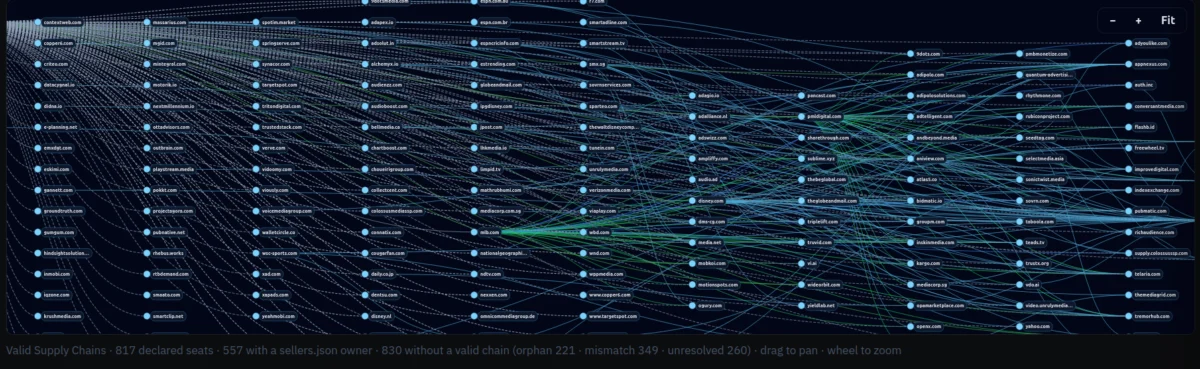
Unlike static malware, Shai-Hulud was designed to hunt for the weakest link in the modern software development lifecycle: the developer. By phishing for credentials on public repositories like GitHub and NPM, the group gained unauthorized access to legitimate software development networks. Once inside, they injected malicious code into popular open-source tools.

When other developers downloaded these "updated" tools, the infection spread to their machines, granting TeamPCP access to their credentials and proprietary code. This created a recursive loop of compromise: the malware stole credentials, which were then used to publish further malicious versions of software, which in turn infected more developers. The cycle allowed TeamPCP’s influence to grow exponentially, eventually compromising over 3,800 GitHub repositories in a single month.
A Chronology of Escalation
The group’s trajectory from opportunistic hackers to a systemic threat was rapid and alarming:

- September 2025: TeamPCP begins building infrastructure, with the leader (operating as "BulkDMT") peddling virtual private servers on DarkForums.
- March 2026: The syndicate executes a high-impact strike against the AI infrastructure provider LiteLLM. The breach allowed the group to harvest cloud service keys from over 2,500 organizations, including major technology firms.
- May 2026: The group’s "Shai-Hulud 3.0" code is released publicly. To scale their reach, they launch a "hacking contest," incentivizing participants with Monero (XMR) to compromise the most popular code libraries.
- June 2026: Investigative journalists and security researchers begin connecting the dots, identifying the group’s "center of gravity" through poor operational security (OPSEC) failures.
- August 2026: The AFP and FBI execute coordinated raids in Western Australia, leading to the arrest of the two primary suspects.
The "Cybercats" Collective: A Loose Amalgamation
Security analysts from Google and other top firms characterize TeamPCP not as a monolithic criminal organization, but as a "center of gravity" for a broader, informal community of actors known as the "Cybercats."
This community operated out of a Matrix chat server, where members shared exploits and boasted about victims. The roster included high-profile data brokers like "Boxturtle" (@xpl0itrsturtle), linked to breaches at major automotive giants including BMW, Audi, and Toyota, and "SeesawSec," the operator of the Fulcrumsec group, responsible for extorting firms like Novo Nordisk and LexisNexis.

The group’s hubris was their undoing. By using their cyber-handles to discuss victims on X (formerly Twitter) before official reports were even filed, they left a digital trail that eventually led investigators to their doorstep.
The Anatomy of an OPSEC Failure
The downfall of Ruben Thomson serves as a masterclass in why even technically gifted hackers often fail in the "real world." Despite his technical prowess in PHP development and Linux administration, Thomson engaged in behavior that made his identification almost inevitable.

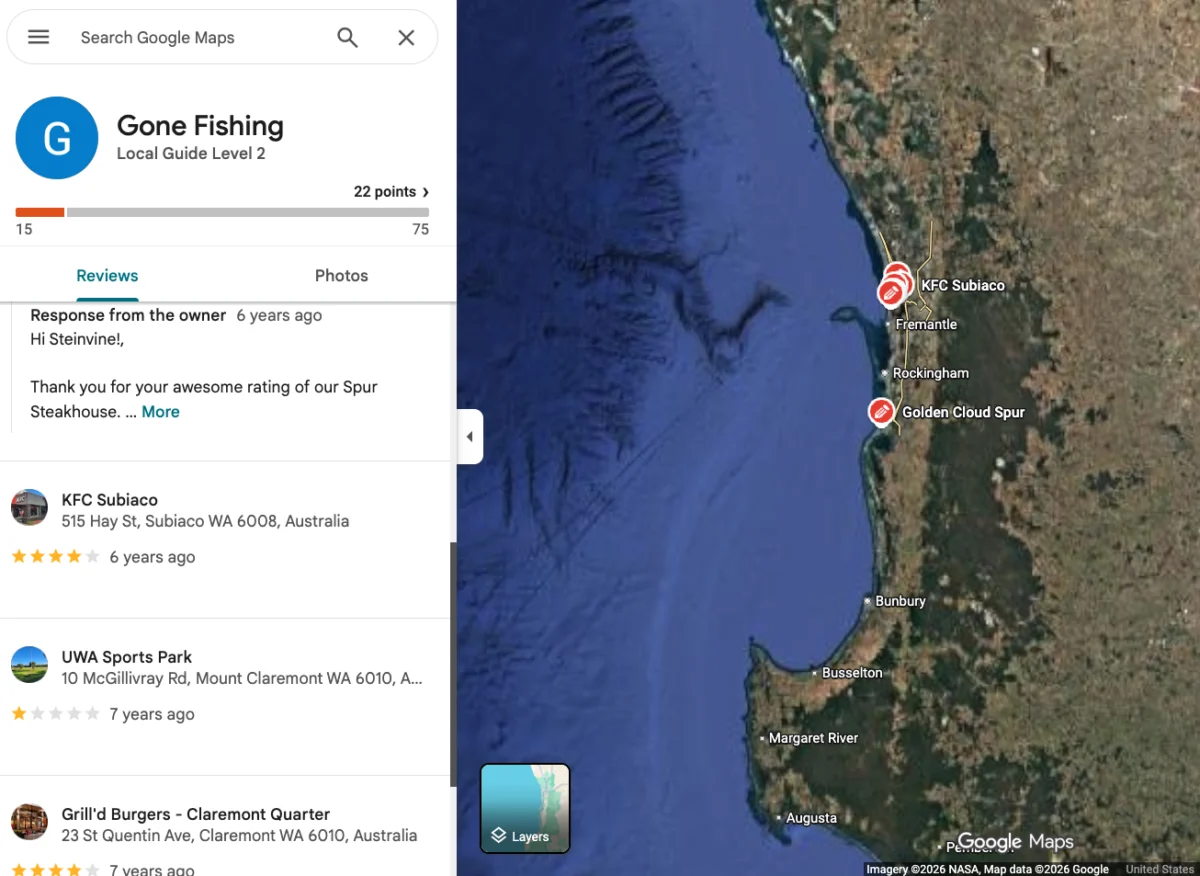
Investigations by firms like SpyCloud and Constella Intelligence revealed that the email address [email protected]—used for forum registrations—was linked to a variety of Perth-based ISPs and a private Synology server registered to the Thomson family. Further, the use of the handle "Deadcatx3" on the HackerOne bug bounty platform provided a direct link between a real-world identity and a known TeamPCP alias.
Thomson’s vanity also played a role. He incorporated several companies in Australia—including "Secure Computing Solutions" and "OPSEC Express"—using the very handles he used to commit crimes. The term "OPSEC" (Operational Security) is intended to protect an operator’s identity; by naming a company "OPSEC Express," Thomson demonstrated a fatal lack of understanding of the very concept he was attempting to mock.

Official Responses and Legal Fallout
In the wake of the arrests, the AFP has remained stoic, emphasizing the severity of the charges. The two men face a combined 14 cybercrime offenses. During a recent court hearing in Perth, Thomson was denied bail, reflecting the serious nature of the infrastructure-level threats he allegedly facilitated.
The arrests have been welcomed by the international intelligence community. "TeamPCP represented a unique, hybrid threat," noted one researcher. "They weren’t state-sponsored, yet they possessed state-level capabilities to disrupt global supply chains. Their arrest is a critical win for the stability of open-source ecosystems."

Implications: A New Era of Supply Chain Security
The legacy of TeamPCP is paradoxically positive. Their aggressive, broad-spectrum attacks forced a long-overdue reckoning within the software industry.
Before TeamPCP, the concept of a "cooldown period" for software updates was a niche proposal. Today, it is a standard. In late July, following the massive GitHub breaches, the platform introduced a mandatory three-day cooldown for Dependabot updates, effectively creating a "safety buffer" to allow security teams to vet patches before they reach production environments.

Charlie Eriksen of Aikido Security argues that TeamPCP acted as a "stress test" for the internet. "They humiliated Microsoft and other repository giants into taking supply chain security seriously," he said. "They achieved in months what the security community had been begging for for years."
Furthermore, the rise of TeamPCP highlights the dangerous intersection of Artificial Intelligence and cybercrime. By utilizing LLMs, the group was able to compress the research-to-exploitation gap, allowing individuals with limited professional experience to operate at a scale previously reserved for intelligence services.

Conclusion: The Vulnerability of Youth
The interviews conducted with "Ellis" (Thomson) prior to his arrest reveal a disturbing portrait of a young man caught between genuine technical brilliance and deep-seated personal instability. His struggles with substance abuse, combined with a lack of formal pathways into legitimate cybersecurity work, created a vacuum filled by the allure of the "blackhat" lifestyle.
"If I had the funds to study different parts of the field and closer guidance, this would have turned out differently," Thomson told reporters. It is a haunting sentiment that underscores a broader societal failure: the inability to channel the prodigious, albeit misdirected, talent of young hackers into constructive, legal avenues.

As the court proceedings move forward, the global tech industry remains on high alert. TeamPCP may have been dismantled, but the blueprint they created—the use of LLMs to automate supply chain attacks—remains. The arrests in Perth are a significant victory, but they are only one chapter in an ongoing, high-stakes battle to secure the digital foundations of the modern world. The "Cybercats" may be scattered, but the vulnerabilities they exposed will require years of diligent, systemic remediation to fully repair.