








In the hyper-competitive landscape of American banking, regional institutions often find themselves caught in a strategic pincer movement. On one side, "money center" behemoths like JPMorgan Chase and Bank of America command multi-billion-dollar technology budgets that allow them to pioneer cutting-edge features. On the other, agile fintech startups, unburdened by legacy systems, offer frictionless, data-driven experiences that appeal to younger demographics.
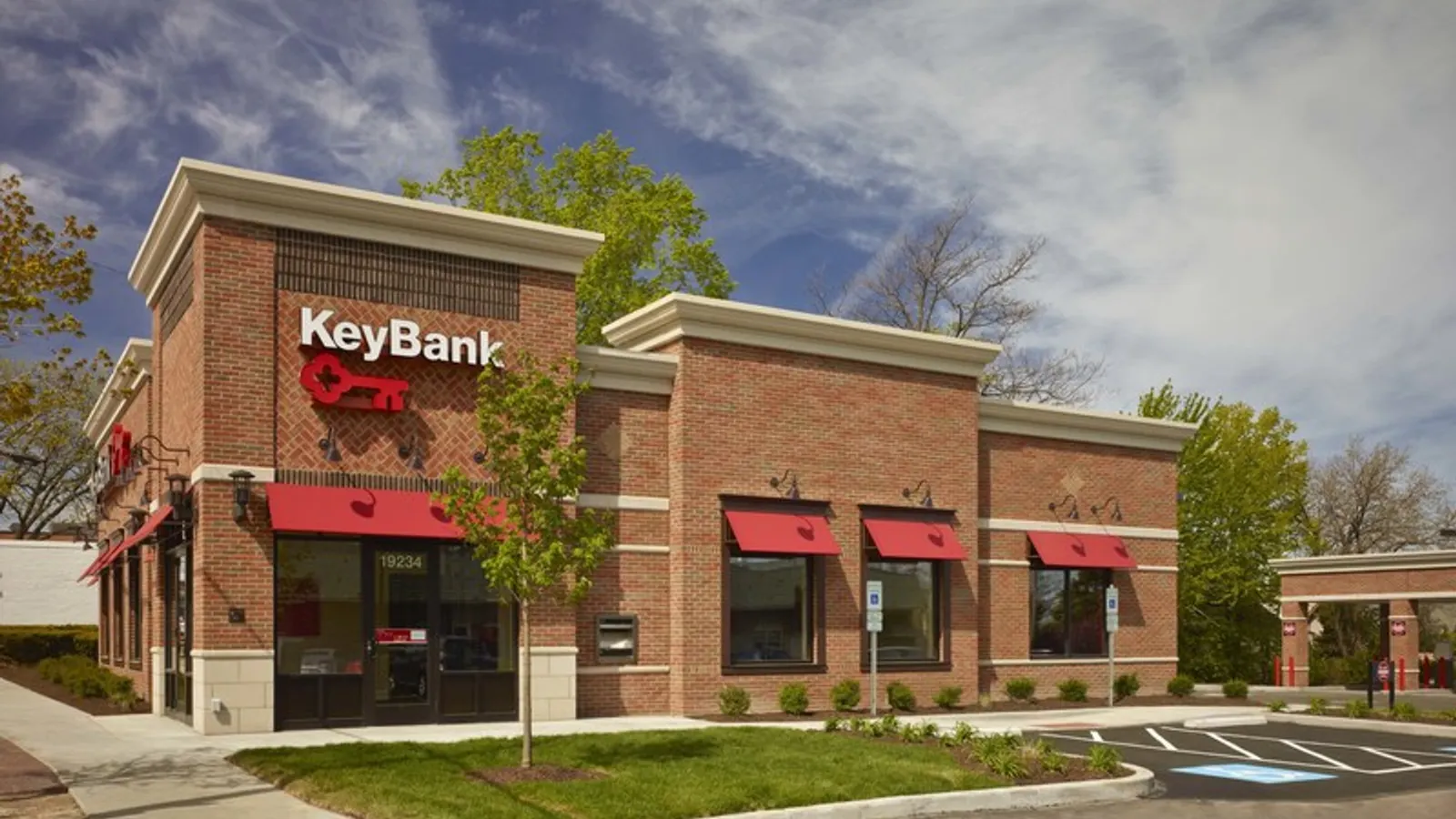
For Cleveland-based KeyBank, a regional lender with $189 billion in assets, navigating this "regional squeeze" has required a nuanced approach to digital transformation. Traditionally, the bank has operated as a "fast follower"—a strategy that involves observing the successes and failures of early adopters before refining and deploying optimized versions of those technologies. However, as consumer expectations evolve at a breakneck pace, KeyBank is signaling a shift toward a more "progressive" stance.
At the heart of this transition is Emily Gessner, the outgoing head of consumer digital, who is poised to take over the bank’s commercial digital operations. Her strategy is built on a central premise: leveraging the bank’s 200-year history of trust while layering on intuitive, modern digital experiences that satisfy the "continuous improvement" demands of the modern client.
Main Facts: A Strategic Pivot Toward Proactive Digitalization
KeyBank’s current digital strategy is defined by three primary pillars: modernization of legacy infrastructure, the "consumerization" of commercial banking, and the deployment of hyper-personalized, AI-driven insights.
The bank is currently moving away from its "fast follower" label to take what Gessner describes as "larger steps forward." This is exemplified by the forthcoming launch of a personalized insights feature, which will be positioned "front-and-center" within the bank’s mobile application. Unlike previous iterations of digital banking that focused on simple transactional functionality, this new direction aims to provide advisory value directly to the user’s smartphone.
Key statistics regarding the bank’s reach and performance provide the context for this digital push:
- Asset Size: $189 billion.
- Geographic Footprint: Operations in 15 states with approximately 950 branches.
- Deposit Growth: Consumer deposits have grown by roughly $14 billion over the past seven years.
- Revenue Mix: The consumer bank accounts for approximately 32% of loans and 60% of deposits.
Gessner’s move to the commercial side next month underscores a broader industry trend: the expectation that business banking should feel as seamless as personal banking. By bringing a "consumer mentality" to the commercial space, KeyBank aims to streamline payments and servicing for small to medium-sized businesses (SMBs) that have historically dealt with more cumbersome digital interfaces.
Chronology: Three Years of Rapid Modernization
The current state of KeyBank’s digital platform is the result of a concentrated three-year effort to overhaul the back-end systems that drive the customer experience.
2022–2024: Consolidating the Foundation
Three years ago, KeyBank operated eight separate origination platforms—a fragmented landscape that often led to inconsistent customer experiences and operational inefficiencies. Over the subsequent 36 months, the bank consolidated these into four primary platforms, replacing legacy front- and back-end technology in the process.
This consolidation yielded immediate dividends in terms of speed. The bank successfully shaved 15 minutes off the consumer account opening process and reduced the application time for SMB deposits by 30 minutes. These improvements were not merely about speed; they were about reducing friction and abandonment rates in an era where consumers expect "one-click" simplicity.
March 2025: The Personetics Partnership
A pivotal moment in the bank’s data strategy occurred in March 2025, when KeyBank struck a partnership with Personetics, a leading provider of financial data-driven engagement platforms. This partnership was designed to "clean" and "enrich" transaction data—turning cryptic bank statement strings into recognizable merchant names and logos.
April 2026: Enriched Transactions Launch
Building on the Personetics partnership, KeyBank rolled out "enriched transactions" in April 2026. This feature addressed the number one driver of call center volume: transaction inquiries. By providing customers with clearer details about where and when they spent their money, the bank simultaneously improved the user experience and reduced operational costs.
The Near Future: Q3 2026 and Beyond
Looking ahead, the bank is currently piloting personalized insights, with a full rollout scheduled for the third quarter of 2026. This feature will use AI-powered models to analyze enriched transaction data, prompting customers with budget opportunities or spending trends. Furthermore, as the bank begins its 2027 technology funding conversations, the focus is shifting toward conversational AI and sophisticated AI assistants.
Supporting Data: The ROI of Digital Efficiency
The move toward digitalization is driven by both defensive and offensive financial logic. For a regional bank like Key, efficiency is paramount.
In the servicing sector, KeyBank has focused on enabling "do-it-yourself" interactions. By building mobile app capabilities that allow customers to complete tasks like adding beneficiaries, managing disputes, or adding co-owners within a single session, the bank has significantly reduced the need for human intervention in routine tasks.
The data suggests this strategy is working:
- Call Center Impact: Transaction inquiries, previously the top reason for calls, are being mitigated by enriched digital data.
- Time Savings: The 30-minute reduction in SMB deposit applications represents a significant competitive advantage in the fight for small business loyalty.
- Deposit Stability: With consumer deposits representing 60% of the bank’s total deposit base, maintaining a high-quality mobile experience is essential for retaining low-cost funding in a high-interest-rate environment.
Official Responses: Leadership Perspectives on the "Regional Squeeze"
The leadership at KeyBank and industry analysts agree that the status quo is no longer viable for regional lenders.
"Throwing a tablestakes capability out there, and then just letting it run, so to speak, is no longer reasonable, nor is it acceptable from a client perspective," Emily Gessner noted in a recent interview. She emphasized that continuous improvement must be "baked into" every capability.
Gessner also addressed the inherent tension in being a mid-sized player. "It can be a sweet spot or a sore spot, depending upon the topic of the day," she said. While larger banks have bigger tech budgets, Gessner believes KeyBank’s history is its greatest asset. "The advantage regional banks still have is that trust and human advantage. I’m not sure I’d want to necessarily be on the other side of that, where you have the great tools but you’re trying to gain loyalty in a very commoditized, transactional type of space."
Brett Mastalli, the banking lead at consulting firm West Monroe, echoes this sentiment. He notes that regional banks—particularly those with assets between $30 billion and $100 billion—are being squeezed by the need for AI and legacy modernization.
"Regionals don’t have to be cutting-edge on their technology," Mastalli said. "They need to be competitive, and they need to think about how they want to manage and provide support to that customer relationship." He suggests that the "need to get more aggressive" with AI is no longer optional for banks looking to survive the next decade of industry consolidation.
Implications: The Future of the Regional Banking Model
The evolution of KeyBank serves as a blueprint for how regional lenders might survive and thrive in a digital-first world. The implications of this strategy are three-fold:
1. The Death of "Set It and Forget It"
The era of launching a mobile app and updating it once a year is over. Gessner’s insistence on "continuous improvement" suggests that regional banks must now operate more like software companies, with agile development cycles and constant feature iterations. This requires a cultural shift within traditional banking institutions that are often risk-averse and slow to change.
2. The Convergence of Consumer and Commercial UX
As Gessner moves to the commercial side, the "consumerization" of business banking will likely accelerate. Business owners, who are also consumer banking customers, no longer tolerate a "dual-standard" where their personal banking app is intuitive but their business portal feels like it was designed in the 1990s. Banks that can unify these experiences will have a significant advantage in capturing the lucrative SMB market.
3. AI as a Relationship Tool, Not Just a Cost-Cutter
While initial AI implementations (like chatbots) were primarily about reducing call center costs, KeyBank’s move toward "personalized insights" and "conversational AI assistants" represents a shift toward AI as a relationship-building tool. If a bank can use AI to nudge a customer about a maturing CD or a budget opportunity, it is performing the role of a digital advisor. This allows the bank to scale the "human advantage" of a local branch manager to hundreds of thousands of digital users.
Conclusion
KeyBank’s journey from a "fast follower" to a progressive digital competitor highlights the critical inflection point facing regional banks today. By modernizing their core systems, embracing AI-driven personalization, and maintaining their focus on the "human advantage," institutions like KeyBank are attempting to prove that size isn’t the only determinant of success in the digital age. As 2027 approaches, the success of their AI-powered assistant and their ability to bridge the gap between consumer and commercial digital experiences will likely decide their standing in an increasingly crowded financial landscape.