








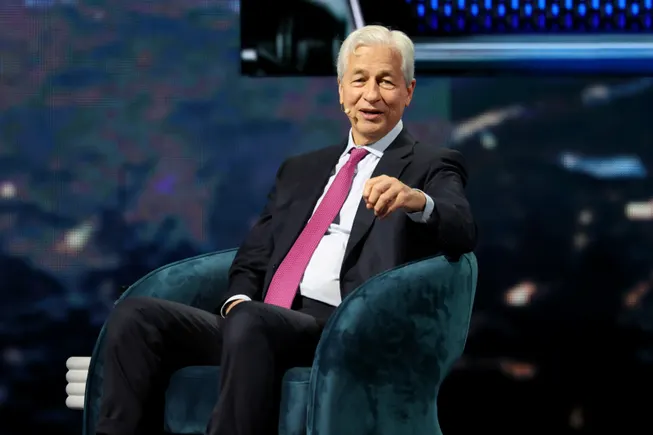
NEW YORK — For nearly two decades, Jamie Dimon has been the face of global banking, steering JPMorgan Chase & Co. through the Great Recession, a global pandemic, and the subsequent era of volatile interest rates. However, the internal architecture of the world’s most powerful bank is beginning to shift. Following a series of strategic executive reshuffles and Dimon’s own candid reflections on his retirement timeline, the financial world is witnessing the most significant transition period in the firm’s modern history.
With the recent appointment of Doug Petno and Troy Rohrbaugh as co-presidents and the strategic cross-training of top executives, JPMorgan is signaling that its "post-Dimon" future is no longer a distant theoretical exercise, but an active, multi-year operational plan.
I. Main Facts: The New Guard and the Retirement Timeline
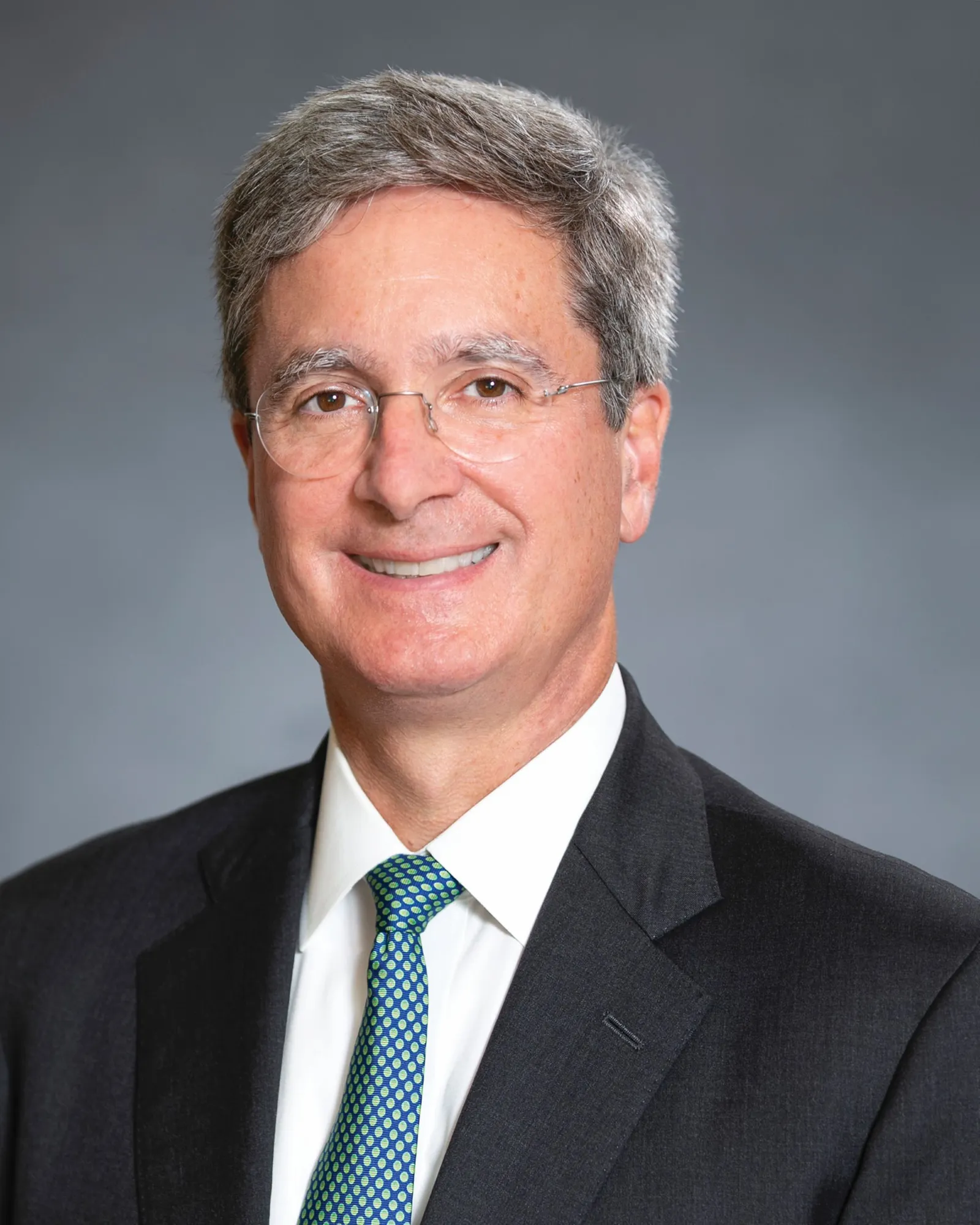
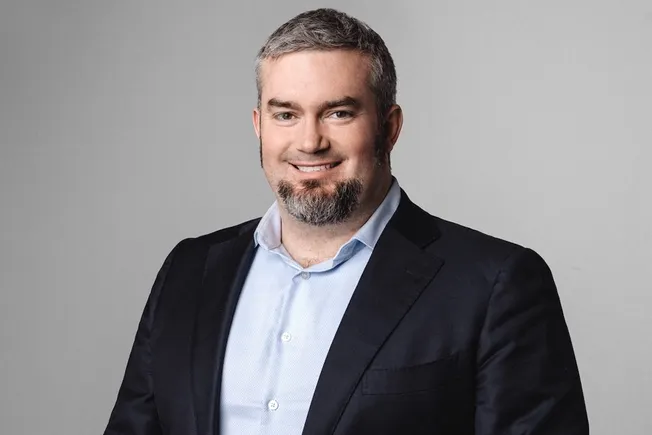
At the heart of the recent developments is a fundamental change in the bank’s top-tier management structure. On June 25, JPMorgan Chase announced a significant management reshuffle designed to broaden the experience of its most senior leaders. The most notable aspect of this move was the elevation of Doug Petno and Troy Rohrbaugh to the roles of co-presidents of the entire corporation.
The New Roles
Under the new structure, Petno has assumed the role of sole CEO of the Commercial and Investment Bank (CIB). Meanwhile, Rohrbaugh has taken on a pivotal new challenge as the CEO of Consumer and Community Banking (CCB). This move is particularly noteworthy because Rohrbaugh’s background is rooted in markets and investment banking; his transition to the consumer side is a deliberate attempt by the board to create "well-rounded" successors who understand every facet of the $4 trillion balance sheet.
Dimon’s Horizon
Jamie Dimon, now 70, has long joked that his retirement was always "five years away." However, during the bank’s second-quarter earnings discussions and previous investor updates, that timeline has finally become concrete. Dimon reiterated that he expects to remain at the helm for a few more years—"plus or minus"—before potentially transitioning into a role as executive chairman, pending the board’s approval.
This clarity has provided a degree of stability to shareholders who have long feared "key person risk" regarding Dimon’s eventual departure. The bank is now operating under a visible succession framework rather than a vague promise of continuity.
II. Chronology: The Road to the Reshuffle
The path to this current management structure has been paved over several years of strategic planning and occasional urgency.
- The Early 2020s: As Dimon reached his mid-60s, the board began intensifying its focus on "bench strength." Key figures like Jennifer Piepszak and Marianne Lake were moved into co-leadership roles within the consumer division to test their ability to manage the bank’s largest headcount.
- February 2024: During the bank’s annual company update, Dimon offered his most specific timeline to date, stating he would remain CEO for a "few years" and then likely serve as executive chairman. This set the stage for the administrative changes that would follow.
- June 25, 2024: The bank officially announced the management reshuffle. Petno and Rohrbaugh, who had previously served as co-CEOs of the Commercial and Investment Bank, were split to cover different territories.
- July 2024: During the Q2 earnings call, Dimon defended these moves to analysts, explaining the philosophical necessity of moving investment bankers into consumer roles to prevent "franchise silos."
- The Retention Strategy: Simultaneously with the June reshuffle, the bank awarded $20 million retention bonuses to Chief Operating Officer Jennifer Piepszak and Asset and Wealth Management CEO Mary Erdoes. These "continuity awards" were designed to ensure that the top-tier talent not selected for the co-presidency remained committed to the firm during the transition.
III. Supporting Data: The Financial Foundation of a Giant
The urgency and care with which JPMorgan is handling its succession are underscored by the sheer scale of the institution. A leadership vacuum at a firm of this size would not just affect shareholders; it would vibrate through the global economy.
Record-Breaking Performance
In its most recent quarterly report, JPMorgan Chase posted a profit of $16.9 billion (excluding specific gains related to Visa shares and equity investments). This performance highlights why the board is keen on a "natural change" rather than a radical overhaul.
Key financial metrics from the latest quarter include:
- Net Revenue: $57.3 billion, a 28% increase year-over-year.
- Equity Markets Revenue: $6 billion, representing a staggering 86% jump.
- Investment Banking Fees: Saw a significant resurgence as capital markets began to thaw after a period of high-interest-rate stagnation.
The Scale of Responsibility
The executives currently being "cross-trained" are managing units that would be Fortune 50 companies on their own. The Consumer and Community Banking (CCB) division, now under Rohrbaugh, serves over 80 million consumers and six million small businesses. The Commercial and Investment Bank (CIB), under Petno, is a global leader in M&A advisory and debt underwriting.
The complexity of these units explains why Dimon and the board are prioritizing "experience across the company" over specialized expertise.
IV. Official Responses: Dimon’s Philosophy on Leadership
When questioned by analysts about the logic of placing Troy Rohrbaugh—a markets expert—at the head of the consumer division, Dimon was emphatic about the board’s strategy. He argued that the most dangerous thing for a large bank is a CEO who only understands one side of the business.
Avoiding the "Investment Bank Bias"
"It’s very important that people have experience across the company," Dimon stated. He warned that when big banks appoint a leader who "only cares about the investment bank," the "rest of the franchise can suffer." By moving Rohrbaugh to the consumer side, the board is forcing a "markets-first" mind to appreciate the nuances of retail deposits, credit card portfolios, and branch operations.
The "Culture Carrier" Requirement
Dimon also outlined a specific rubric that the board uses to evaluate potential successors. He noted that the board prioritizes a blend of hard and soft skills that are rarely found in a single individual:
- Analytical Mindset: The ability to parse complex global data.
- Emotional Intelligence (EQ): Necessary for managing a global workforce of nearly 300,000.
- Culture Carrier: A leader who embodies the firm’s "First-Class Business in a First-Class Way" mantra.
- Global Interaction: The ability to speak with both a branch teller in Ohio and a head of state in Europe.
"No one has all those things in the perfect way," Dimon admitted. "But you know it when you see it, and we have two exceptional co-presidents. We have other people at the company who are great culture carriers."
V. Implications: What This Means for Wall Street
The implications of JPMorgan’s leadership evolution extend far beyond the walls of its 270 Park Avenue headquarters.
1. The "Bake-Off" Model
By naming co-presidents and awarding retention bonuses to other top executives, JPMorgan has created a "bake-off." This is a classic corporate strategy where multiple high-performers are given different, high-stakes challenges to see who emerges as the natural heir. While Petno and Rohrbaugh currently hold the titles, the retention awards for Piepszak and Erdoes suggest the board wants to keep its options—and its talent—diversified.
2. Market Stability and Key Person Risk
For years, investors have traded JPMorgan stock with a "Dimon Premium"—the idea that the bank is worth more specifically because he is at the helm. By establishing a clear, multi-year transition and proving that the bank can generate record profits ($16.9 billion in a single quarter) while reshuffling its C-suite, the bank is successfully de-risking the eventual departure of its long-time leader.
3. A Shift in Banking Strategy
The move of Rohrbaugh to the consumer sector suggests that the future of JPMorgan Chase will be defined by technological integration. Dimon praised Rohrbaugh’s expertise in "operations, back-office, and technology functions." As banking becomes increasingly digital, the board believes that a leader who understands the "plumbing" of the markets can apply those efficiencies to the consumer experience.
4. Competitor Pressure
JPMorgan’s proactive succession planning puts pressure on other major lenders like Goldman Sachs, Morgan Stanley, and Citigroup. While Morgan Stanley recently completed a smooth transition from James Gorman to Ted Pick, other institutions continue to struggle with the optics of leadership longevity. JPMorgan is setting the gold standard for how a "G-SIB" (Global Systemically Important Bank) should telegraph its future.
Conclusion: The End of an Era, the Start of a Legacy
Jamie Dimon’s tenure has been defined by his ability to dominate the financial landscape through sheer force of will and intellectual rigor. As he prepares to pass the baton, his final act appears to be the construction of a management machine that can function without him.
The appointment of Petno and Rohrbaugh, the cross-training of executives, and the record-breaking financial performance all point toward a bank that is at the peak of its powers. However, the true test of the "Dimon Era" will not be the profits made while he was in the room, but the stability of the institution once he finally steps out of it. For now, the "plus or minus" few years remaining on his clock serve as a countdown for the next generation of Wall Street leaders to prove they are ready for the throne.