







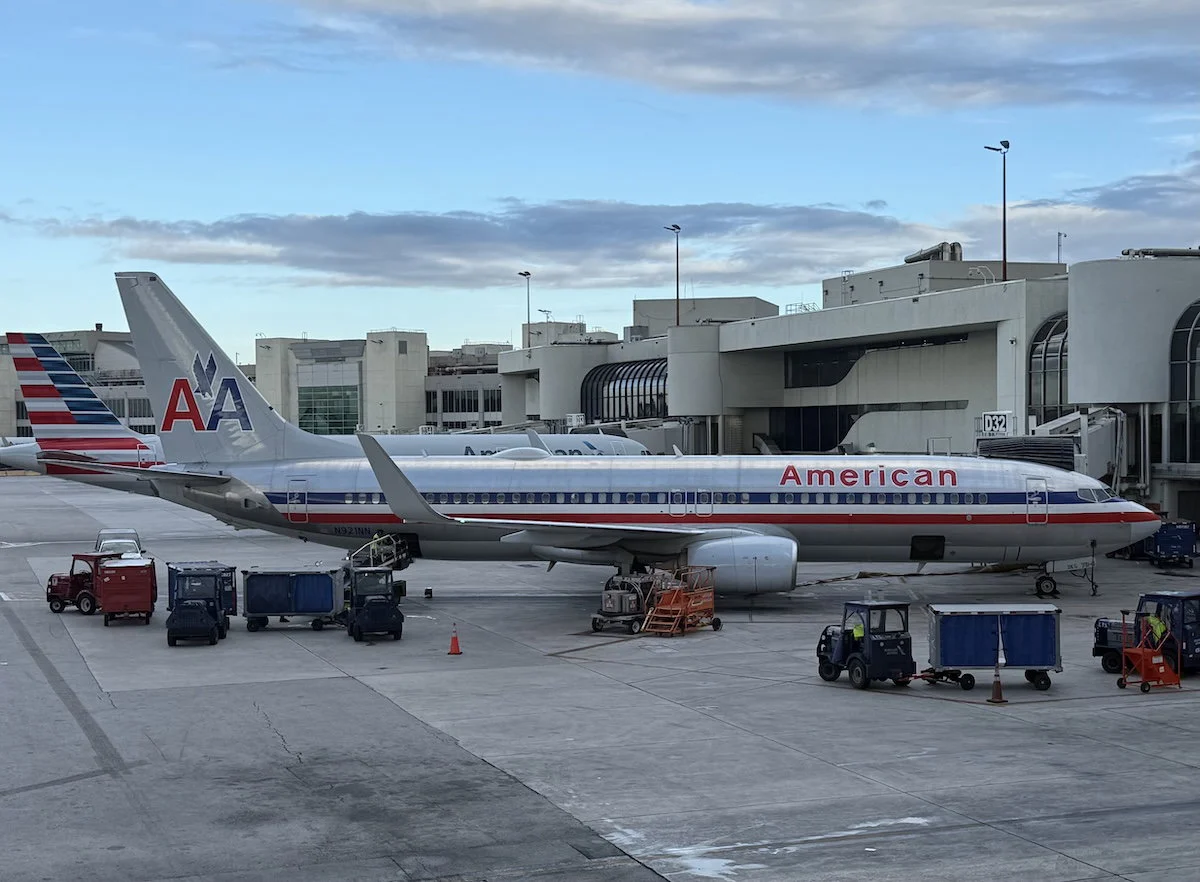
In the high-stakes, hyper-competitive world of commercial aviation, corporate loyalty is usually a non-negotiable currency. Airline CEOs are expected to be the ultimate brand ambassadors, flying their own metal, utilizing their own lounges, and championing the culture of the company they lead. Yet, Scott Kirby, the CEO of United Airlines, has become a regular fixture in a place one might least expect: the cabins of American Airlines.
For observers of the industry, this has become a source of endless fascination. Kirby, a man who has famously declared that American Airlines is “cooked” and who has occasionally floated the idea of United acquiring its struggling rival, seems to be living a double life. To understand why the head of one of the world’s largest airlines frequently chooses the competition, one must look beyond the boardroom rhetoric and into the logistics of his personal life, the unique perks of executive severance, and the strategic advantages of observing one’s rival from within.
The Geography of a Commute
The primary driver behind Kirby’s travel habits is a logistical reality that transcends corporate rivalry: geography. While United Airlines is headquartered in the Willis Tower in Chicago, Kirby has maintained his primary residence in Dallas, Texas.
This arrangement is not uncommon for C-suite executives who value family continuity, but it creates a specific challenge for a CEO whose primary office is in a different major hub. The Dallas-Fort Worth (DFW) to Chicago (ORD) corridor is one of the most heavily trafficked routes in the United States. It serves as a vital artery for business and leisure travel, and both American and United fight aggressively for market share on this path.
However, the frequency of service heavily favors American. American Airlines uses DFW as its largest global hub, operating roughly 14 flights per day on this route. In contrast, United offers approximately seven. For a CEO whose time is his most valuable asset, the flexibility of American’s schedule—which provides an exit or arrival window for nearly every hour of the day—often makes it the more pragmatic choice, regardless of which airline happens to sign his paycheck.
A Legacy of Perks: The "Positive Space" Advantage
The curiosity surrounding Kirby’s travel habits often ignores the fine print of executive compensation packages. Before taking the helm at United, Scott Kirby served as the president of American Airlines. He was widely considered the heir apparent to the CEO throne there, only to be passed over in a corporate shakeup that ultimately led to his departure and subsequent move to United in 2016.
As part of his departure from American, Kirby secured—and likely retains—significant travel privileges. In the airline industry, "positive space" travel is the gold standard of non-revenue flight benefits. Unlike standard "standby" travel, which subjects employees to the whims of seat availability, positive space allows an executive to confirm a seat in any cabin as long as that seat is being offered for sale.
This means that for his personal commutes between Dallas and Chicago, Kirby can effectively occupy a seat on an American flight without paying a fare, provided the plane isn’t sold out. It is a classic example of an executive perk that persists long after the employment contract has been signed. While Kirby earns an eight-figure salary—totaling over $32 million in 2025—the utility of these perks, combined with the sheer volume of American’s flights, makes the choice logical from a pure efficiency standpoint.
The Psychology of the Rivalry: Spite or Strategy?
While the logistical explanation is robust, industry analysts and frequent flyers have often speculated that there is a deeper, more psychological motivation for Kirby’s choices. Kirby is known for his sharp, often combative, public persona. His commentary regarding American Airlines has been nothing short of scathing, yet he has also suggested that United might consider buying the airline to "save" it—a comment that many in the industry interpreted as a masterclass in corporate gaslighting.
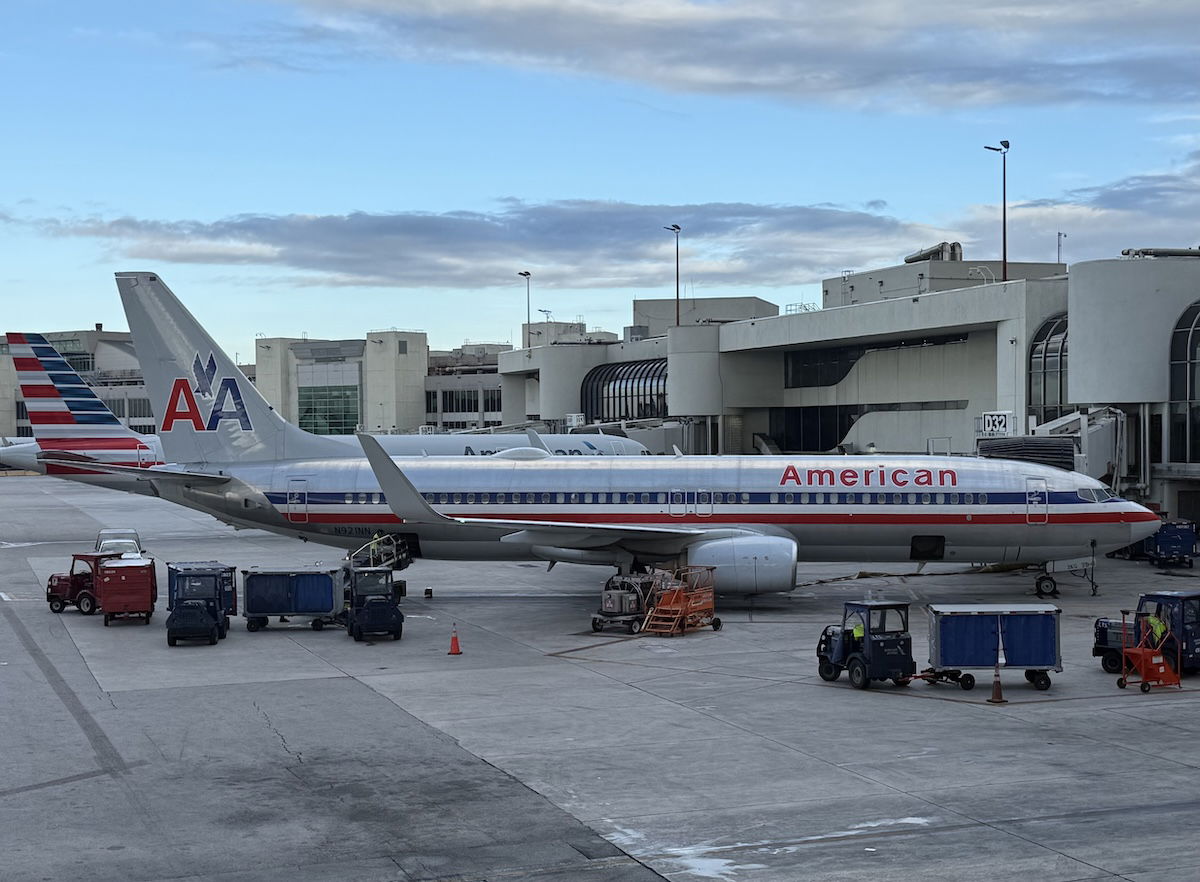
By flying American, Kirby is effectively engaging in a form of "corporate espionage" that is legal, sanctioned, and highly visible. There is an undeniable irony in a CEO traveling on his competitor’s aircraft, potentially occupying a first-class seat that could have been sold to a high-paying customer. For a man who has openly expressed a desire to see American lose its competitive edge, the act of "taking" a seat on an American flight is a subtle, petty, and highly effective way to occupy the rival’s space.
Furthermore, there is the matter of anonymity. When a CEO flies on his own airline, he is rarely just a passenger. He is a magnet for employee feedback, passenger complaints, and the inevitable "celebrity" treatment that makes it impossible to focus on work. By flying American, Kirby gains a degree of separation. He is just another passenger in a suit, free to read, analyze, or simply rest without the performative nature of his own brand’s spotlight.
Implications for Corporate Culture
The phenomenon of the "CEO as a passenger" raises interesting questions about the culture of modern airlines. In an era where many executives have become disconnected from the reality of the air travel experience, Kirby’s willingness to fly—even on a competitor—is arguably a net positive for his own strategic awareness.
By experiencing the product of his primary rival, Kirby gains first-hand knowledge of American’s operational strengths and weaknesses. He sees how their crews interact with passengers, how their app functions in the real world, and how their lounges are managed. This intelligence is invaluable. If an executive only flies on their own fleet, they are prone to a "bubble effect," where they only see the best of what their own airline chooses to show them.
However, this also creates a tension within the United workforce. Some employees have expressed frustration that their CEO appears to prefer the competition. In an industry where "company pride" is marketed to customers as a core value, seeing the boss on an American 737 can send mixed signals. Yet, for a realist like Kirby, the internal optics likely matter far less than the external competitive edge he gains by keeping his thumb on the pulse of the market.
Chronology of a Career Move
- Pre-2016: Scott Kirby serves as President of American Airlines, playing a pivotal role in the airline’s operations and strategy.
- 2016: Following the decision by American’s board to go in a different direction for the CEO role, Kirby departs and joins United Airlines.
- 2016–2020: Kirby ascends to the role of CEO at United, initiating a radical restructuring of the airline’s network and brand identity.
- 2020–Present: Kirby gains notoriety for his outspoken, often aggressive commentary regarding the state of American Airlines, while simultaneously being spotted by passengers on American flights between Dallas and Chicago.
- 2025: Reports confirm Kirby’s compensation exceeds $32 million, reinforcing the fact that his travel choices are driven by preference and logistics rather than financial necessity.
Official Responses and Public Perception
Neither United Airlines nor American Airlines has issued formal statements regarding Kirby’s travel habits. From American’s perspective, the policy is clear: if an individual holds the travel benefits, they are entitled to use them, regardless of their current employment. For United, as long as Kirby is effectively managing the airline, his personal commute is viewed as a private matter.
Public reaction, however, remains split. Frequent flyers on forums like FlyerTalk often applaud the move, noting that a CEO who understands the competition is a CEO who is better equipped to win. Others view it as a distraction or a bizarre quirk of executive power. Regardless, the image of the United CEO sitting in an American Airlines seat has become one of the most enduring and ironic symbols of the modern airline industry.
Final Thoughts: The Competitive Edge
Ultimately, Scott Kirby’s decision to fly American is a microcosm of his leadership style: calculated, efficient, and unapologetically bold. Whether he is motivated by the convenience of the flight schedule, the utility of his executive perks, or a genuine desire to monitor his rival from the inside, the outcome remains the same. He is a man who prioritizes utility over optics.
In the cutthroat environment of the US aviation market, where margins are thin and loyalty is fickle, perhaps the most dangerous thing a CEO can do is get comfortable. By choosing to commute on the very airline he publicly critiques, Kirby ensures that he never becomes complacent. He remains a passenger, an observer, and, in his own way, a constant reminder that in the airline industry, the competition is always sitting just a few rows away.