







For most travelers, the intersection of loyalty programs and hotel economics is a black box. Guests accumulate points, redeem them for a "free" night, and rarely pause to consider the behind-the-scenes financial transaction that occurs between the hotel property and the global parent corporation. However, a recent whistleblower claim circulating on Reddit has pulled back the curtain on a deceptive practice known as "occupancy gaming," where hotels allegedly inflate their occupancy rates to maximize reimbursement payouts from corporate headquarters.
This revelation highlights a systemic tension within the hospitality industry: the struggle between individual franchise owners attempting to bolster thin margins and the rigid, data-driven policies of global brands like Hilton, Marriott, and Hyatt.
The Mechanics of Award Reimbursement
To understand why a hotel would risk its franchise agreement to manufacture fake guests, one must first understand how hotel chains pay their properties for loyalty points redemptions. When a traveler uses points for a stay, the hotel does not simply receive the "standard" nightly rate. Instead, the reimbursement is often pegged to a formula that fluctuates based on the hotel’s occupancy levels during the period of the stay.
Typically, hotel chains implement "thresholds"—specific occupancy percentages that trigger higher reimbursement tiers. For example, a hotel might receive a base rate for award stays when occupancy is at 70%. However, if the hotel hits a threshold of 95% occupancy, the corporate office may significantly increase the reimbursement rate for every room occupied by a loyalty member.
This creates a perverse incentive. In a 100-room hotel, the difference between 94% occupancy and 95% occupancy might be worth thousands of dollars in incremental revenue. If a property is just shy of that magic number during a peak season, the temptation to "bridge the gap" becomes immense.
A Whistleblower’s Allegation: The "Ghost Guest" Strategy
The current controversy stems from a Reddit thread where a user claiming to be a Hilton employee detailed a years-long scheme at their property. According to the whistleblower, the hotel management has been systematically entering fake reservations during the summer months—the peak travel season—to artificially inflate occupancy data.
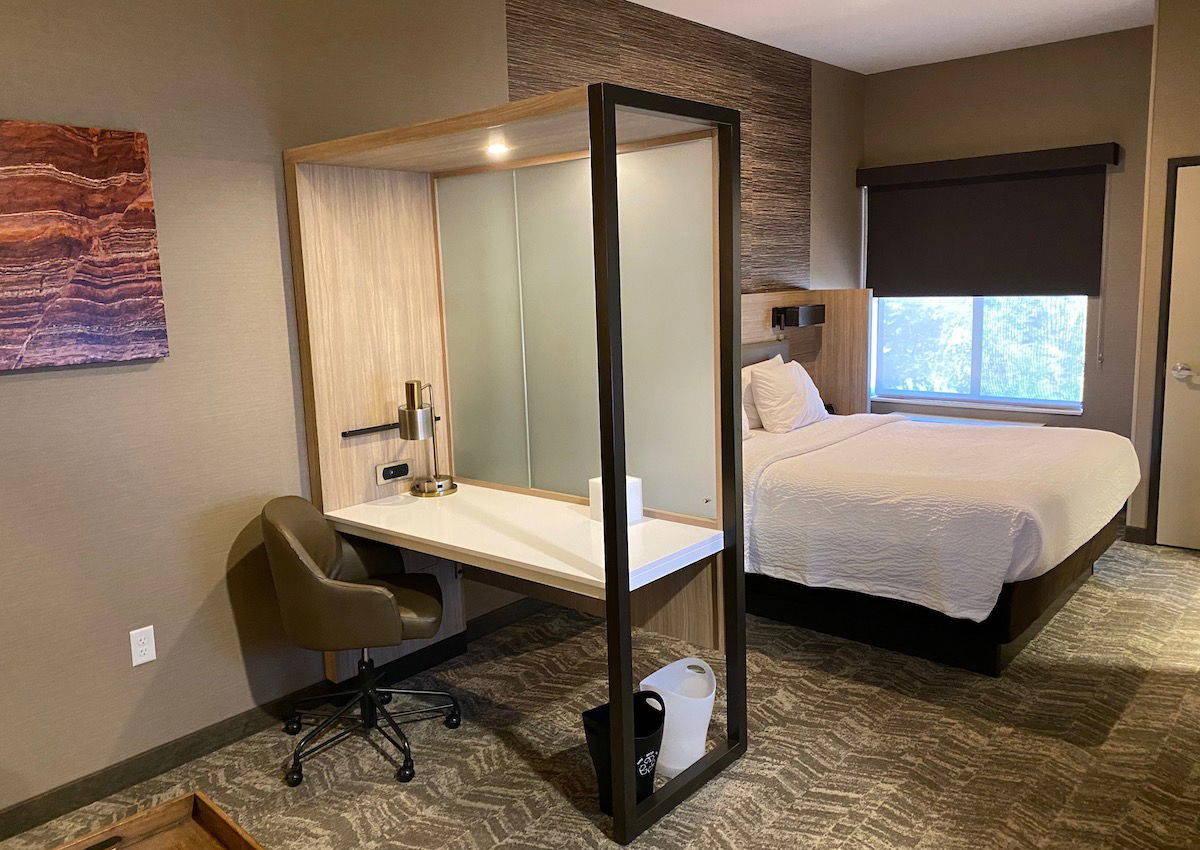
The process, as described, is chillingly clinical:
- The Setup: When the hotel approaches the end of the day and finds itself just shy of the 95% occupancy threshold, staff members are instructed to create "ghost" reservations.
- The Execution: Night audit staff are tasked with checking these non-existent guests into the system.
- The Clean-up: Once the audit is complete and the occupancy threshold is officially registered in the corporate system, the rates for these fake rooms are set to zero, and the "guests" are checked out.
This practice is not merely an accounting error; it is a deliberate falsification of business records designed to extract higher payments from the corporate parent, effectively defrauding the loyalty program and, by extension, the broader network of franchise owners who play by the rules.
Chronology of Occupancy Gaming
Occupancy gaming is not a new phenomenon, nor is it exclusive to any single brand. The industry has been plagued by variations of this behavior for decades.
- The Early 2010s: As loyalty programs grew in sophistication, so did the "games" played by property managers. During this era, hotels began experimenting with last-minute discounting to hit thresholds—a practice that is often legal but borders on predatory if done purely to trigger corporate payouts.
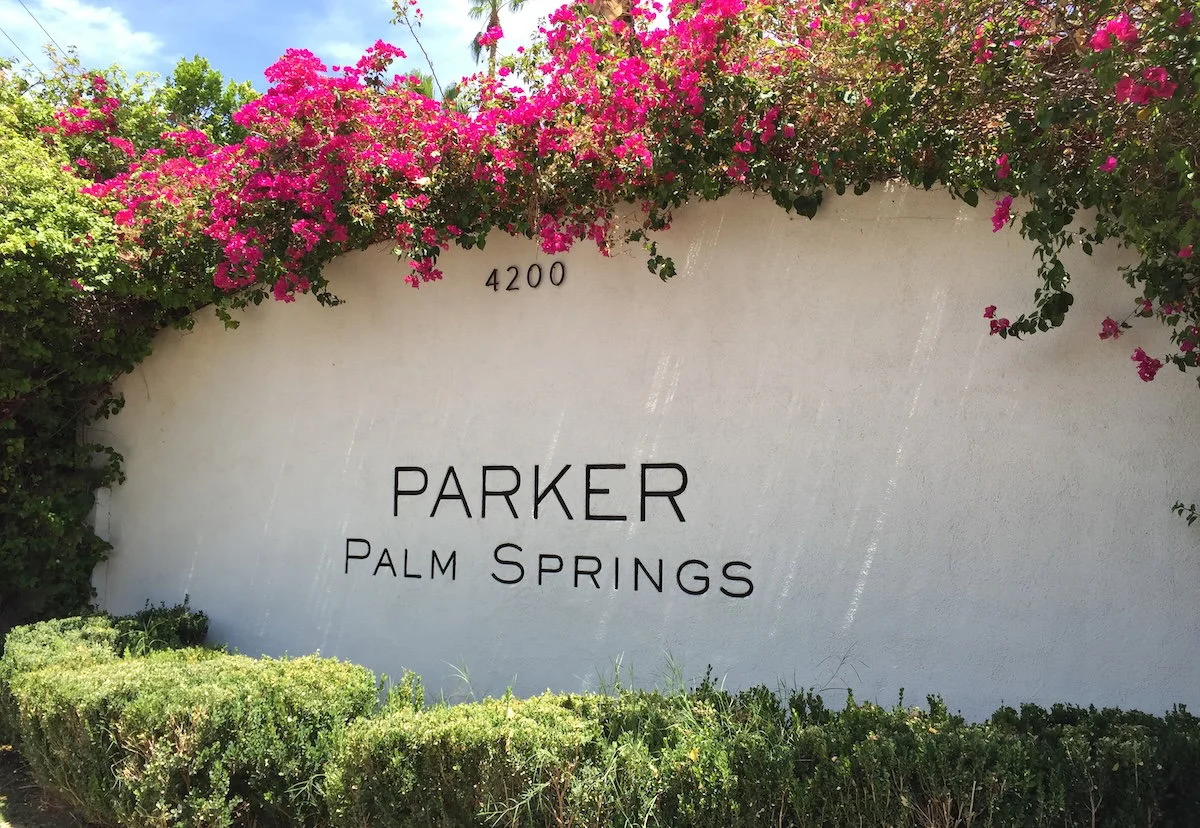
- The 2013 Starwood Litigation: The most significant flashpoint in this history occurred when Starwood Hotels & Resorts sued the Le Parker Meridien Palm Springs. Starwood alleged the hotel had engaged in a fraudulent scheme to claim over $1 million in improper award reimbursements. The case exposed the lack of oversight in legacy systems.
- The 2017 Fallout: The bad blood resulting from the Starwood lawsuit led to a decoupling of the brand. The Le Parker Meridien properties left the Starwood network, illustrating the severe consequences that can arise when the trust between a brand and its franchisees is irrevocably broken.
- The Present Day: In the current environment, the rise of digital-first operations and automated auditing has made these schemes easier to track, yet the incentive structure remains unchanged. The Reddit revelation serves as a modern reminder that wherever there is a formula-based payout, there is a risk of manipulation.
Supporting Data: Why Hotels Feel Pressured
The frustration among hotel owners is palpable. In recent years, loyalty programs have evolved from simple "frequent stayer" incentives into complex financial engines. Hotels are now competing against corporate initiatives where points are sold to credit card companies and travel partners at massive volumes.
Individual hotel owners often feel they are at a disadvantage. They are forced to accommodate "free" guests who use points, often at reimbursement rates that do not cover the labor, cleaning, and amenity costs of a full-service room. When a hotel is already operating on razor-thin margins, the pressure to hit that 95% threshold can feel like a matter of survival. However, experts argue that this does not justify fraudulent activity, as it distorts the market value of points and can lead to increased redemption costs for all members.
Official Responses and Corporate Oversight
When confronted with such allegations, major brands like Hilton typically maintain a strict stance on data integrity. While Hilton has not issued a specific statement regarding this singular Reddit post, their corporate policies regarding "franchise compliance" are ironclad.
Industry analysts suggest that the major chains possess the data analytics capabilities to identify these patterns easily. By flagging hotels that consistently hit exactly 95.1% occupancy, or those that show a pattern of "zero-dollar" room check-outs immediately following an audit, corporate offices could theoretically eradicate this behavior overnight. The fact that it continues suggests either a lack of desire to aggressively police franchisees or a reliance on legacy reporting systems that are not yet fully integrated with real-time analytics.
Implications for the Consumer
What does this mean for the average traveler? First, it highlights the volatility of award chart pricing. Because the cost of a hotel room in points is largely determined by the cost the program pays to the hotel, fraudulent inflation of these costs can contribute to the "devaluation" of points over time. When hotels "game" the system to get paid more, the program eventually passes those costs on to the consumer in the form of higher point requirements for future stays.
Furthermore, it creates a lack of parity. Travelers who pay cash for their rooms are effectively subsidizing the loyalty system, while those using points are part of a complex financial web that is currently under scrutiny for potential systemic abuse.
The Path Forward: Ethics vs. Economics
The debate currently playing out on social media platforms serves as a warning to the hospitality industry. As long as reward programs remain centrally managed but locally operated, the temptation to manipulate the numbers will persist.
The solution likely lies in transparency. If major hotel groups move toward more dynamic, transparent reimbursement models that don’t rely on "cliff-edge" thresholds, the incentive for fraud will evaporate. Until then, the burden falls on corporate auditors to utilize the immense datasets at their disposal to ensure that when a guest checks in—whether with cash or points—the transaction is based on reality, not a fabricated number entered by a night auditor under pressure.
Ultimately, the integrity of a loyalty program is its most valuable asset. If members believe that the system is being rigged—either by the brand or the individual properties—the entire value proposition of loyalty begins to crumble. For now, the industry awaits to see if Hilton and its peers will launch a crackdown on these "ghost guest" operations or continue to look the other way in the name of occupancy statistics.