








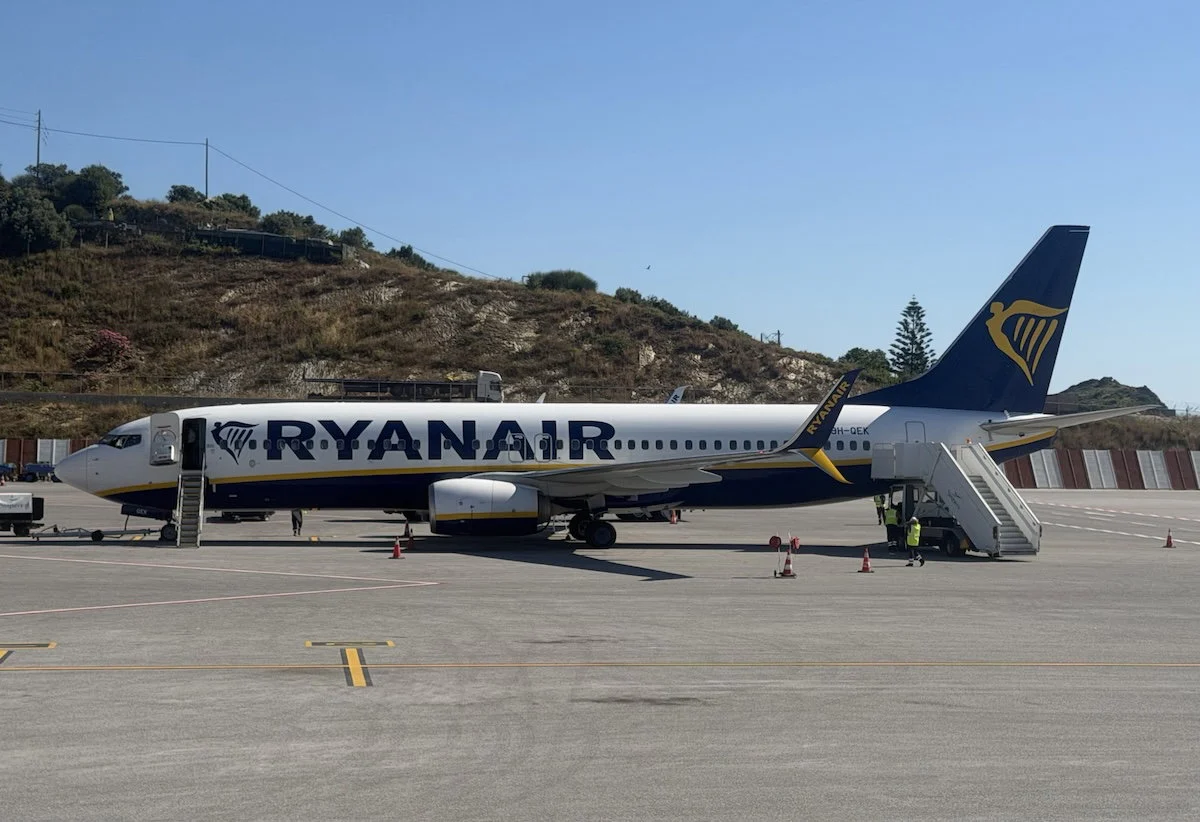
European aviation giant Ryanair, long celebrated for democratizing air travel through rock-bottom base fares and notorious for its complex web of ancillary fees, is facing one of the most significant legal challenges in its history. In a ruling that could send shockwaves throughout the European budget airline sector, the Austrian Supreme Court (Oberster Gerichtshof) has declared a series of the airline’s core terms and conditions unlawful.
This decision, prompted by a prolonged legal battle with the Austrian Consumer Information Association (VKI), mandates that the carrier must overhaul its pricing and penalty structure within three months for all flights operating within or from Austria. As regulatory bodies across the European Union increasingly target the "unbundling" business model, this verdict represents a potential paradigm shift in how ultra-low-cost carriers (ULCCs) interact with passengers.
The Core Facts: A Ruling Against "Gross Disadvantage"
The Austrian Supreme Court’s decision centers on a rigid interpretation of Section 879(3) of the Austrian Civil Code (ABGB). This statute stipulates that any contractual provision—specifically within "General Terms and Conditions"—that creates a "gross disadvantage" for a consumer, without being essential to the primary obligation of the contract, is legally void.
The VKI successfully argued that 14 specific clauses in Ryanair’s standard contract meet this threshold of unfairness. Among the most contentious fees struck down by the court are:
- The €55 Airport Check-in Fee: Often criticized as a punitive measure for those unable to navigate the digital-only check-in process.
- The €15 Boarding Pass Fee: Levied on passengers who arrive at the gate without a pre-printed or mobile-ready boarding pass.
- The €25 Infant Fee: A charge applied per flight, which critics argue targets families in a predatory manner.
- The €70 Oversized Hand Baggage Fee: Frequently a source of friction at the boarding gate.
- The €100 Rebooking Fee: Applied to passengers attempting to modify flights after missing their original departure.
The court determined that these fees are not merely "ancillary services" but are structured in a way that traps consumers, lacks transparency, and imposes costs disproportionate to the actual administrative burden incurred by the airline.
A Chronology of Conflict
The path to this Supreme Court ruling was neither short nor simple. It reflects a years-long escalation between consumer protection agencies and the Dublin-based carrier.
Phase 1: The Regulatory Squeeze (2020–2022)
As Ryanair’s post-pandemic recovery surged, so did complaints from passenger advocacy groups. The VKI began meticulously documenting "hidden" costs that passengers were incurring, noting that while base fares appeared low, the "total cost of ownership" for a flight was often opaque until the final stages of the booking process.
Phase 2: The Lower Court Battles (2023)
The VKI took the case to lower Austrian courts, arguing that Ryanair’s business model relied on "trap fees." Ryanair, known for its litigious and combative approach to regulation, argued that its business model was clearly disclosed and that consumers had the autonomy to choose other carriers if they disagreed with the terms.
Phase 3: The Supreme Court Intervention (2024–2025)
The case ascended to the Austrian Supreme Court, which took a broader view than the lower courts. By focusing on the "gross disadvantage" clause of the Austrian Civil Code, the judges moved beyond mere transparency and into the realm of contractual equity. The ruling was finalized in mid-2025, setting a three-month ticking clock for implementation.
Supporting Data: The Economics of Ancillaries
To understand why this ruling is so damaging to Ryanair, one must look at the airline’s financial architecture. In the fiscal year preceding this ruling, Ryanair’s ancillary revenue—the money made from baggage, seat selection, priority boarding, and penalty fees—accounted for a staggering portion of their operating profit.

- Ancillary Dependence: Approximately 30% to 35% of Ryanair’s total revenue is derived from non-ticket sources.
- The "Penalty" Revenue Stream: Fees like the €100 rebooking charge are not designed to cover costs; they are designed to discourage behavior. When a passenger is forced to pay these fees, the profit margin on that specific transaction reaches near 100%.
- Market Penetration: With millions of passengers traveling through Austrian hubs, the potential for lost revenue—and the mandatory cost of refunding past "unlawful" fees—could reach into the tens of millions of euros if a class-action approach is permitted.
Official Responses and Corporate Strategy
Ryanair has historically adopted a strategy of defiance against national regulators, often labeling them as "out of touch" with the needs of the modern, budget-conscious traveler. In response to the Austrian ruling, the airline has maintained a position of cautious obfuscation.
A spokesperson for the airline noted that Ryanair remains "fully compliant with EU consumer law," essentially arguing that the Austrian court’s interpretation of the national civil code conflicts with broader European Union aviation regulations. However, legal experts suggest that if Ryanair refuses to comply, they risk being banned from operating in the country or facing massive daily fines.
The VKI, conversely, has hailed the decision as a "victory for the common traveler." Their legal team has begun suggesting that past passengers who paid these specific fees should be eligible for a refund, creating a secondary front of litigation that could potentially see the airline tied up in courts for years to come.
Implications: A New Era for Low-Cost Travel?
The implications of this ruling extend far beyond the borders of Austria. If this precedent is adopted by other EU member states—a trend that is already gaining momentum—the very foundation of the "Ultra-Low-Cost" model is at risk.
1. The Death of the "Gotcha" Fee
If courts across Europe begin to rule that high penalty fees for check-ins and rebookings are "unlawful," airlines will be forced to roll these costs into the base fare. This will inevitably lead to an increase in advertised ticket prices, potentially harming the competitive advantage Ryanair holds over legacy carriers like Lufthansa or Air France.
2. Regulatory Harmonization
The European Union is currently pushing for updated rules that would require airlines to include a carry-on bag in their base advertised fare. Combined with the Austrian ruling, this signals a coordinated effort by regulators to shift the burden of "transparency" onto the airlines. The era of the €9.99 flight—which actually costs €80 after fees—may be coming to an end.
3. Operational Hurdles
Ryanair must now decide whether to create "Austria-specific" terms and conditions—which is an operational nightmare for a unified fleet—or to adopt these changes across its entire European network to avoid further litigation. The latter is more likely, as it reduces legal exposure, though it will certainly lead to a decrease in ancillary revenue across the board.
Conclusion: The Road Ahead
Ryanair stands at a crossroads. For decades, the airline has thrived by pushing the boundaries of what is acceptable in a consumer-contractual relationship. By prioritizing "unbundled" pricing, they have offered millions of Europeans the ability to fly at prices previously unimaginable. However, the Austrian Supreme Court has signaled that this convenience cannot come at the expense of fairness.
The next three months will be critical. If Ryanair fails to modernize its terms, the legal consequences could lead to a reduction in service, leaving Austrian travelers with fewer options. If, however, the airline chooses to comply, it may well serve as the blueprint for a more transparent, albeit more expensive, European travel market.
As regulators in Brussels watch the fallout from Vienna, one thing is clear: the "Wild West" era of airline fees is closing. Passengers may soon see higher upfront costs, but they will likely benefit from a clearer, more predictable, and arguably more honest relationship with the airlines that carry them. The question remains: can the ultra-low-cost model survive in a world where "gross disadvantage" is no longer a viable business strategy?