








In the shadowy, high-stakes world of airline loyalty programs, travelers are accustomed to warnings about phishing scams, account takeovers, and the illicit secondary market for reward points. However, a bizarre and unprecedented case of "mileage hijacking" has surfaced, leaving both industry experts and security analysts baffled.
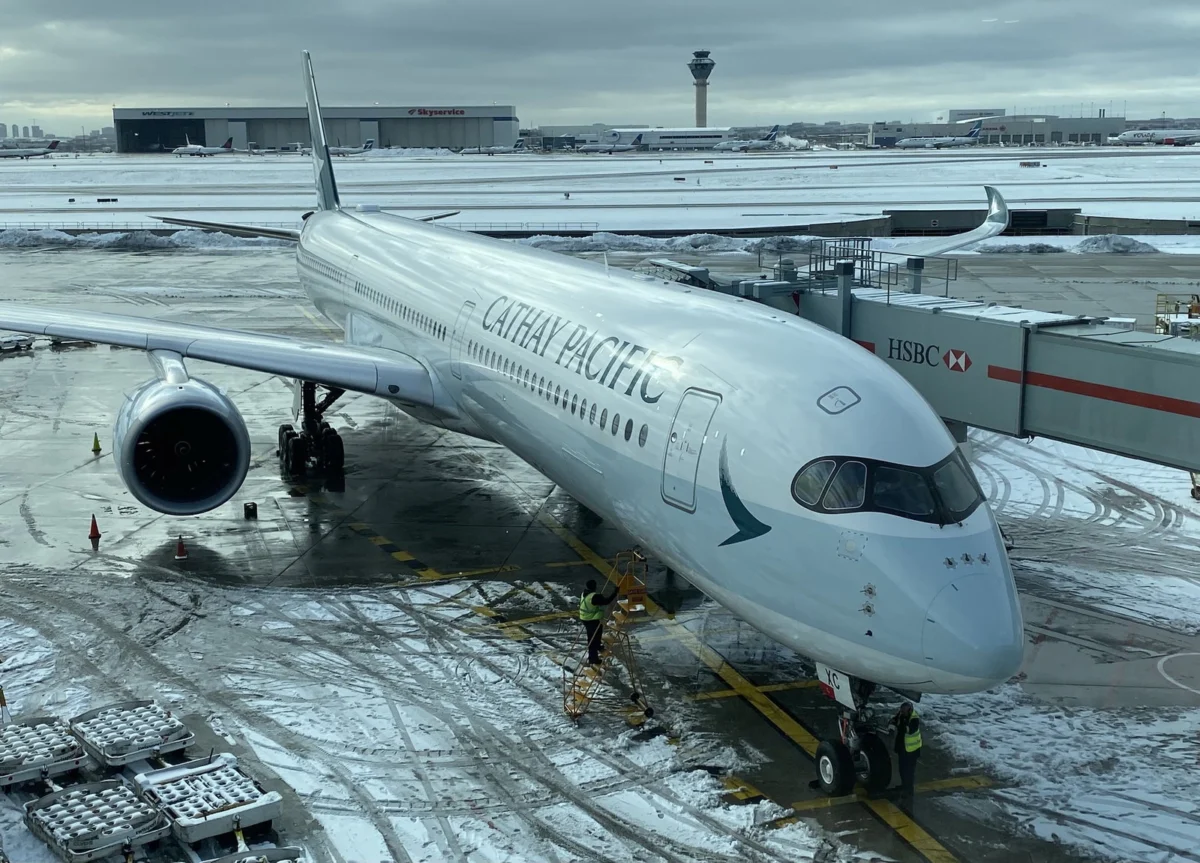
A traveler recently discovered that their Cathay Pacific business class flights—which they had dutifully attached to their own frequent flyer account—were surreptitiously diverted to an entirely different American Airlines AAdvantage account. The account in question was not only unknown to the passenger but was registered to a suspicious domain linked to Beijing, China. This incident suggests a potential vulnerability in the interconnected systems of global airline alliances, raising alarms about how data integrity is maintained when passenger information is transmitted between partners.
The Anatomy of an Unprecedented Fraud
The incident, brought to light by an OMAAT reader, involves a traveler who took several long-haul business class flights on Cathay Pacific. At the time of booking and during the check-in process, the passenger explicitly provided their own Cathay Pacific frequent flyer number. Despite this, the miles never appeared in their account.
Months later, while auditing their past travel, the passenger contacted Cathay Pacific’s customer service via WhatsApp to file a retroactive claim. The response was shocking: the flights had been successfully credited, but not to the passenger’s account. Instead, the points had been funneled into an American Airlines (AA) AAdvantage account.

What followed was a digital detective story. Upon attempting to investigate the American Airlines account, the passenger discovered that their own credentials for the program had been compromised and the account locked since 2022. By navigating through American Airlines’ password reset protocols, the passenger discovered that the miles had been deposited into an account registered under their own name but associated with a bizarre email domain: @qmdfcd.com. A quick WHOIS search of this domain revealed it had been registered in Beijing, China, during the previous year.
Chronology of the Breach
The timeline of this incident highlights the persistent and stealthy nature of modern cyber-criminals:
- 2022: The passenger’s personal American Airlines account was subjected to an unauthorized login attempt, resulting in the account being locked. The traveler, having rarely used the program, failed to notice the security notifications, leaving the account dormant and compromised.
- Previous Year: The mysterious domain
@qmdfcd.comwas registered in Beijing, serving as the base for the fraudulent account creation. - Last Year: The traveler booked and flew long-haul business class segments on Cathay Pacific. During both the booking and check-in phases, they presented their valid Cathay Pacific membership details.
- Post-Flight: Through unknown technical manipulation, the frequent flyer information on the reservation was altered after the flights were completed. The loyalty credit was routed to the fraudulent American Airlines account rather than the passenger’s intended destination.
- Recent Weeks: The passenger attempted to reconcile their missing miles, leading to the discovery of the fraudulent activity and the subsequent involvement of American Airlines’ fraud department.
A Breach of Data Integrity: How Is This Possible?
The technical question at the heart of this mystery is how an airline’s system can allow the modification of a frequent flyer number after a flight has been completed, especially when the passenger has already verified their credentials at the gate.
The Inter-Alliance Vulnerability
Cathay Pacific and American Airlines are both members of the oneworld alliance. This partnership allows for seamless data sharing between airlines to ensure miles are credited correctly. However, this interoperability is a double-edged sword. If an unauthorized actor gains access to a passenger’s PNR (Passenger Name Record) or if there is a systemic leak within the alliance’s data transmission protocol, a third party might be able to inject or replace loyalty credentials.

The "Inside Job" Hypothesis
Security analysts often look for the simplest explanation: an inside job. It is possible that an individual with access to internal Global Distribution Systems (GDS) or airline back-end databases modified the booking. If the perpetrator had access to the passenger’s personal details (which they clearly did, given they opened an account in the passenger’s name), they could potentially override the existing loyalty program entry.
Implications for the Loyalty Ecosystem
This incident is not merely an isolated case of stolen points; it represents a significant shift in how fraud is perpetrated. Historically, hackers have focused on "brute force" attacks—cracking passwords to drain existing point balances. This case, however, involves the "interception" of assets before they even reach the owner.
The Low-Reward, High-Risk Paradox
One of the most perplexing aspects of this scheme is the effort-to-reward ratio. Extracting a few thousand miles from a single business class flight is a high-effort operation. The perpetrator had to monitor the booking, gain access to the account, and create a fake identity linked to a specific, burner domain.
Experts speculate that this may be part of a "bulk" operation. If a criminal group is harvesting thousands of PNRs from travel agency leaks or dark-web databases, they may have automated scripts that attempt to credit flight segments to "sleeper" accounts they have created. While one flight might yield only 10,000 miles, an operation scaling across thousands of compromised bookings could result in a massive, liquid inventory of airline miles that can be sold on the black market.

Official Responses and Industry Stance
When the victim contacted American Airlines, the response was one of confusion. Representatives admitted they had never seen a case where a flight was "hijacked" and redirected to an account with a different email address but the same name.
The airline has since opened a formal fraud investigation. However, the process is hampered by the fact that the victim’s own account was locked, requiring a two-step recovery process: first, restoring the victim’s legitimate access, and second, auditing the activity of the unauthorized account. Cathay Pacific’s response, as described by the victim, was notably dismissive, highlighting a potential breakdown in accountability when fraud occurs across international airline partnerships.
Protecting Your Rewards in an Age of Digital Theft
For the average traveler, this story serves as a stark reminder that frequent flyer accounts are essentially digital bank accounts. To mitigate the risk of similar breaches, consider the following best practices:
- Monitor Your PNRs: If you notice that your loyalty number is missing from a boarding pass or a digital itinerary, investigate immediately. Do not assume it is a simple system glitch.
- Audit Your Accounts Regularly: Do not wait for a major trip to check your balances. Set a monthly reminder to log into all your loyalty programs.
- Use Unique Credentials: Ensure that your airline loyalty accounts have unique, complex passwords that are not shared with your email or banking logins.
- Enable Multi-Factor Authentication (MFA): If an airline offers MFA, enable it immediately. It remains the most effective deterrent against account takeovers.
- Watch for "Lockout" Emails: If you receive an email stating your account is locked due to multiple failed login attempts, treat it with the same urgency as a bank security alert.
Conclusion
The case of the hijacked Cathay Pacific miles is a sobering evolution in cyber-fraud. It suggests that our loyalty programs are no longer just targets for direct theft, but are becoming part of a more complex, automated supply chain of illicit data. As airlines continue to integrate their systems for the sake of "seamless travel," they must also prioritize the security of the data flowing through these channels. Until the industry addresses the vulnerabilities in how loyalty information is updated and transferred, travelers must remain the first line of defense in protecting their hard-earned miles.