









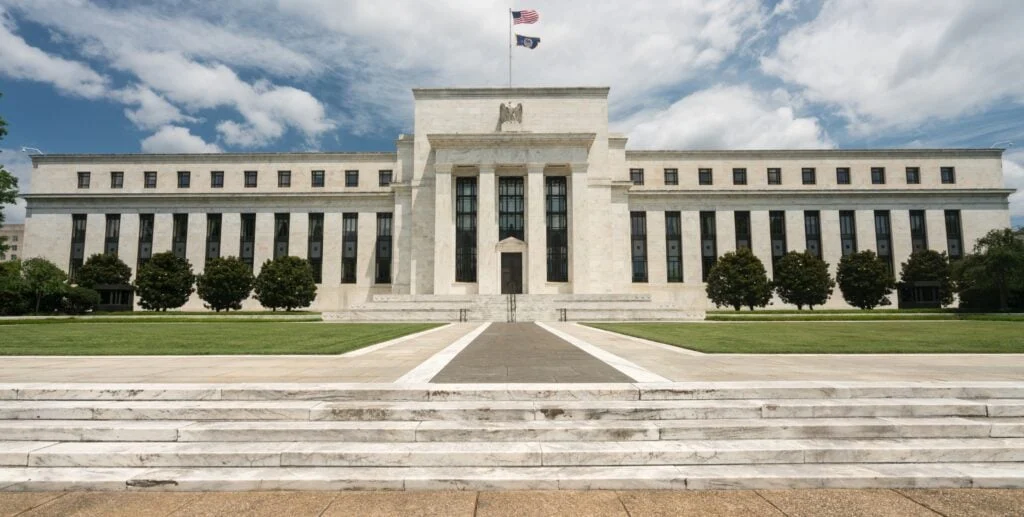
For real estate investors, the transition to a new Federal Reserve chair often sparks hope for a shift in monetary policy. When Kevin Warsh ascended to the role, many in the property sector anticipated a pivot—a "magic wand" moment that would see interest rates slashed to reignite market activity. However, those hopes have been met with a sobering reality.
As geopolitical instability persists in the Middle East and inflationary pressures remain stubbornly entrenched, Warsh has pivoted away from his earlier, more accommodative rhetoric. The "pivot" investors craved has been replaced by a hawkish commitment to price stability, leaving small landlords and property developers to navigate a "higher for longer" interest rate environment that shows no signs of relenting.
The Chronology of a Policy Pivot
The current economic climate is defined by a stark disconnect between political expectation and fiscal reality. During his tenure as a prospective candidate and critic, Kevin Warsh had been vocal about the need for more flexible monetary policy. Yet, upon taking the helm, the gravity of the economic data forced a 180-degree turn.
- Pre-Appointment Phase: Warsh signaled a potential departure from the aggressive tightening cycle established by his predecessor, Jerome Powell. Markets interpreted this as a bullish signal for real estate.
- The June Reality Check: In his inaugural press conference, Warsh adopted a tone reminiscent of the Powell era. "Persistently high prices are a burden for the American people, but the recent past need not be prologue," Warsh stated. "This committee will deliver price stability."
- The Hawkish Signals: By the conclusion of the most recent Fed meeting, the central bank opted to hold rates steady, yet the accompanying commentary—and the specter of future hikes—sent shockwaves through the mortgage market.
This policy trajectory suggests that the Fed is no longer merely watching inflation; it is actively positioning itself to combat it with a degree of aggression that market analysts at Bank of America and Deutsche Bank now suggest could include additional hikes throughout the remainder of 2026.
Supporting Data: A Market in Transition
The current housing market is a study in contradictions. While interest rates remain at their highest levels in years, home values are beginning to yield to the pressure of declining affordability.
According to Realtor.com’s housing data for May 2026, the national median listing price has experienced seven consecutive months of decline, falling 2.4% year-over-year to approximately $429,500. This marks the sharpest annual decline since 2017. The data highlights a critical juncture: sellers are finally beginning to accept that the era of pandemic-era valuation peaks has ended.
However, lower prices do not automatically equate to higher profitability for investors. When the cost of debt service is factored into a deal, the "spread" between rental income and mortgage payments is thinner than it has been in decades. Chen Zhao, head of economics research at Redfin, notes that the committee’s singular focus on inflation means that mortgage rates are unlikely to retreat in the near term, forcing investors to recalibrate their internal rates of return (IRR) models.
Official Responses and Institutional Outlook
The consensus among major financial institutions is that the Federal Reserve’s reaction function is significantly more hawkish than initially anticipated. Reuters reports that analysts at Bank of America have characterized the June Summary of Projections as a signal that the central bank is prepared to prioritize the war on inflation over the short-term health of the housing sector.
"The Fed is willing to accept a period of stagnation in housing turnover if it means achieving their 2% inflation target," says one senior analyst. This stance puts them at odds with many in the real estate industry who advocate for a "soft landing" that includes easing credit conditions. For the average investor, this means that the Federal Reserve is effectively taking a "wait-and-see" approach to the labor market and inflation, with any potential rate cuts pushed further down the horizon—perhaps not until late 2026 or beyond.
Implications for Small Landlords and Investors
The "old playbook"—the mantra of "date the rate and marry the house"—is effectively dead. In a high-interest environment where the potential for a refinance is not guaranteed, investors who rely on future rate cuts to "bail out" a cash-flow-negative property are playing a dangerous game.
The Shift in Strategy
For small landlords, the implications are profound:
- Cash is King: Investors with high liquidity are currently the only ones with a significant competitive advantage. As sellers grow desperate to offload properties in a cooling market, cash buyers can negotiate deep discounts that offset the lack of cheap leverage.
- The Rental Floor: While the purchase side of the business is fraught with risk, the rental side remains a silver lining. As prospective homebuyers are priced out of the market by high mortgage rates, they are staying in the rental pool longer. A 2-10 Home Buyers Warranty survey indicates that 44% of renters now view their status as a long-term lifestyle choice, with 34% citing affordability as the primary barrier to homeownership.
- Geographic Discipline: Investors are moving toward the Midwest and other tertiary markets where the rent-to-price ratio is more favorable. These markets offer a buffer against the higher cost of capital that coastal markets cannot provide.
The Dangers of Leverage
The most significant danger facing investors today is the "refinance trap." If an investor purchases a property with a short-term or variable-rate loan, assuming that they will be able to refinance into a lower-rate mortgage in 18 to 24 months, they risk a financial crisis if rates remain elevated. The current Fed trajectory suggests that refinancing may remain expensive for the foreseeable future.
Navigating the New Normal
Investors must adopt a more conservative posture to survive this cycle. This involves several fundamental shifts in how deals are underwritten:
- Stress Testing: Every deal must be stress-tested against a scenario where interest rates remain at or above current levels for three to five years. If the deal doesn’t cash flow under these conditions, it is not a viable investment.
- Operational Efficiency: With property insurance, taxes, and maintenance costs all rising, the "fat" in rental portfolios must be trimmed. Investors need to be more aggressive in contesting property tax assessments and shopping for insurance policies to maintain margins.
- Ample Reserves: Maintaining high cash reserves is no longer optional. It is the primary hedge against the volatility of the current market. Unexpected capital expenditures combined with a potential vacancy could be catastrophic for an under-capitalized landlord.
Conclusion: A Cautionary Tale
As the classic Dickens quote suggests, we are living through a period that is simultaneously the "best of times" and the "worst of times" for real estate. It is the best of times for those who have the capital and the patience to negotiate in a buyer’s market. It is the worst of times for those who rely on cheap debt and the assumption that the Federal Reserve will return to a policy of easy money.
The lesson of 2026 is clear: the Federal Reserve is no longer the investor’s silent partner. By choosing to prioritize the fight against inflation, the Fed has signaled that it is willing to let the market correct itself, even if that means pain for property owners.
If you are currently looking to grow your portfolio, do so with your eyes wide open. Focus on cash flow, avoid the trap of speculative refinancing, and remember that in a high-rate environment, the most successful investors are those who prioritize sustainability over growth. If the math doesn’t work today, don’t count on the Fed to fix it for you tomorrow. Stick to the fundamentals, keep your reserves high, and wait for the right, rather than the "fast," deal.