






Introduction: A Symbolic Shift in Aviation Policy
In a move that marks the end of a near four-decade prohibition, the United States government has officially lifted the long-standing ban on American airlines operating flights to Lebanon. The directive, announced following a high-level meeting between President Donald Trump and Lebanese President Joseph Aoun, signals a significant shift in diplomatic policy. However, while the regulatory barrier has been removed, industry analysts and aviation experts remain profoundly skeptical that the skies over Beirut will see the return of American-flagged carriers anytime soon.
The policy change rescinds a restriction that had been a fixture of U.S. aviation security protocol since 1985. While the administrative "green light" is now in effect, the decision stands in stark contrast to the current, volatile security environment in the Middle East.
The Historical Context: The Shadow of TWA Flight 847
To understand the gravity of this reversal, one must look back to the mid-1980s. The ban was implemented in the wake of the harrowing hijacking of TWA Flight 847 in June 1985.
The incident began when the flight, en route from Athens to Rome, was commandeered by militants. The aircraft was forced to land in Beirut, Lebanon, multiple times during a 17-day ordeal that gripped the world. The crisis resulted in the brutal murder of Robert Stethem, a U.S. Navy diver who was on board. The trauma of that event forced the Federal Aviation Administration (FAA) to impose a blanket ban on U.S. carriers entering Lebanese airspace, a policy that remained largely unchallenged for 39 years. For nearly four decades, the absence of direct U.S. flights served as both a practical security measure and a symbol of the deep-seated instability that characterized the region during and after the Lebanese Civil War.
Official Responses and Regulatory Frameworks
Following the announcement, the Federal Aviation Administration issued a formal statement acknowledging the policy shift. The agency noted that it "looks forward to working with airlines and our interagency partners to implement the President’s directive and support the safe return of flights to Lebanon."
Despite this bureaucratic readiness, the FAA’s role is strictly regulatory. While the agency provides the safety standards and security oversight necessary to authorize routes, it cannot compel private airlines to operate them. For an airline to initiate service, it must conduct an exhaustive independent risk assessment, negotiate with labor unions regarding pilot and crew safety, and demonstrate the financial viability of the route. Currently, the FAA and the State Department continue to maintain a "Do Not Travel" advisory for Lebanon, citing extreme security concerns, civil unrest, and the potential for armed conflict. These warnings act as a formidable deterrent, essentially making the "permission" to fly a theoretical exercise rather than a commercial opportunity.
The Operational Reality: Why Airlines Remain Cautious
The commercial aviation industry operates on razor-thin margins and relies heavily on insurance and risk management. Even with the government’s permission, the hurdles to resuming service are immense.
1. The Security Calculus
The primary obstacle is the current security landscape. Even in times of relative regional calm, Beirut-Rafic Hariri International Airport presents unique logistical and security challenges. With U.S. carriers currently avoiding Israeli airspace and suspending services to Tel Aviv due to ongoing regional hostilities, the prospect of extending those operations into a neighboring country with its own deep-seated security vulnerabilities is viewed by airline executives as a massive liability.
2. Insurance and Liability
The cost of insuring an aircraft flying into a high-risk zone is astronomical. Without a clear path to profitability—and with the constant threat of airspace closure or sudden security incidents—most U.S. carriers, including major players like United, American, and Delta, are unlikely to allocate resources to a Beirut route. The capital expenditure required to set up ground operations in a volatile market, coupled with the potential for sudden service suspensions, creates a business model that few corporate boards would approve.
3. Union and Crew Safety
American airline unions are notoriously protective of their members. The Air Line Pilots Association (ALPA) and other labor groups have historically pushed back against operating in regions they deem unsafe. Getting union approval to resume flights to a destination that carries a Level 4 "Do Not Travel" advisory from the State Department would be an uphill battle, potentially leading to labor disputes that airlines are keen to avoid.
Geopolitical Implications and Future Prospects
There is a segment of the aviation industry that views this policy change through a political lens rather than a commercial one. Some analysts speculate that the move was intended to bolster the diplomatic narrative between the Trump administration and the Lebanese government. However, aviation is ultimately a business, not a diplomatic tool.
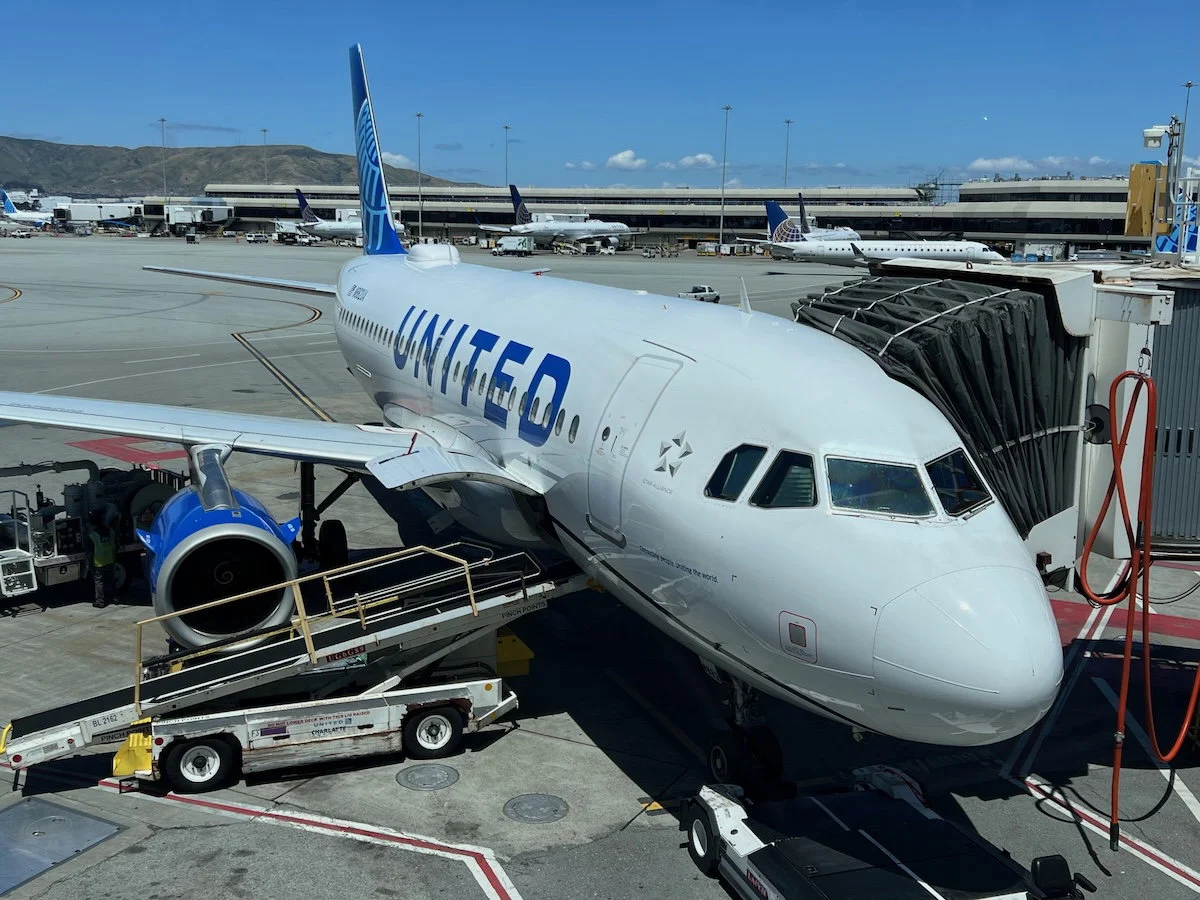
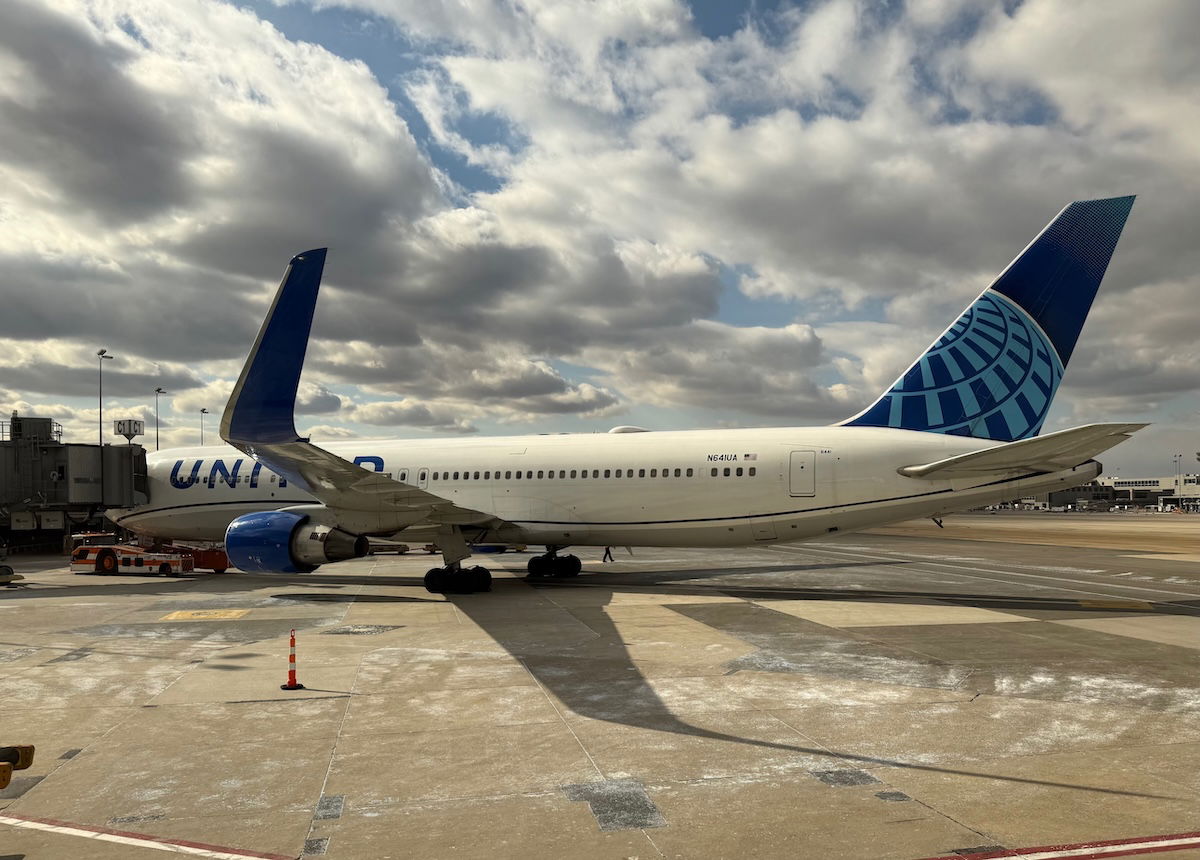
If any airline were to eventually test the waters, it would likely be a carrier with a massive global footprint, such as United Airlines, which historically maintains a broader international network. Yet, even then, the carrier would likely look to the actions of regional peers. Middle East Airlines (MEA), the national carrier of Lebanon, has continued to operate through decades of conflict, maintaining the necessary infrastructure and security protocols that foreign carriers lack.
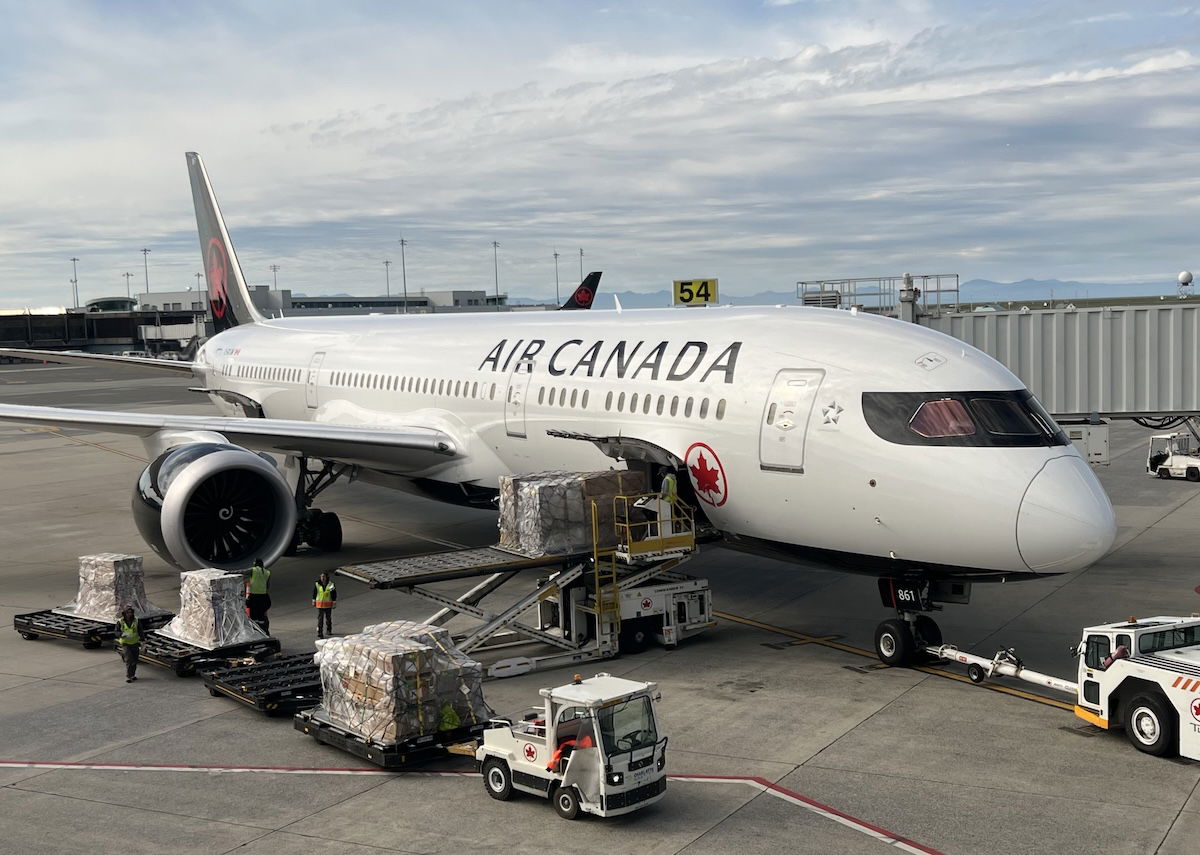
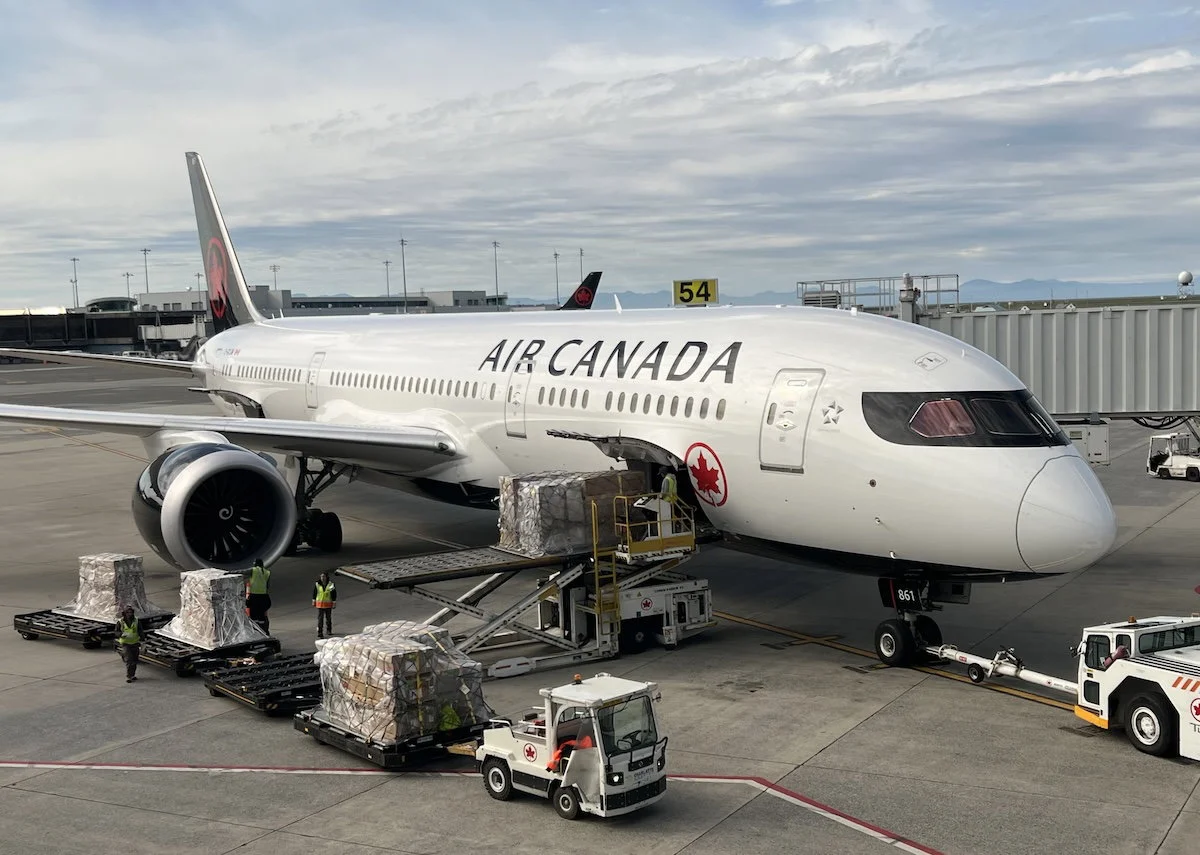
Furthermore, observers note that if a direct connection between North America and Beirut were to emerge, it might more logically come from a carrier like Air Canada, which has a different strategic approach to regional connectivity and international partnerships compared to its U.S. counterparts.
The Long-Term Outlook
While the lifting of the ban is a significant historical footnote, it is unlikely to result in a rush of bookings or new routes in the near future. The "Do Not Travel" advisory, the regional instability involving neighboring Israel, and the internal economic and political pressures within Lebanon create a climate where the risk-to-reward ratio for U.S. airlines is heavily skewed toward risk.
If we are to see the return of the American flag to the tarmac in Beirut, it will require more than a presidential decree. It will require a sustained period of regional peace, a downgrading of State Department travel advisories, and a robust economic case that justifies the insurance premiums and operational headaches associated with the route.
For now, the policy remains a "theoretical" victory—a sign that the diplomatic doors are open, even if the commercial reality dictates that they remain firmly shut. Whether this changes in the coming years remains a matter of intense debate. For the aviation industry, the lesson of 1985 remains etched in memory: security is the prerequisite for all other operations, and in the current climate, that security remains, at best, uncertain.
Conclusion: A Step Toward Normalization, Or A Hollow Gesture?
The decision to lift the ban on U.S. airlines flying to Lebanon serves as a symbolic gesture of normalization. It reflects a desire to move past the trauma of the 1980s and integrate Lebanon back into the global aviation network. However, the juxtaposition of this policy with the reality of the U.S. State Department’s travel advisories highlights the disconnect between political ambition and the grounded reality of aviation security.
For the traveling public, this change will likely have zero impact in the short term. Travelers looking to reach Beirut will continue to rely on international carriers that have historically serviced the route. For the industry, the focus remains on navigating a complex, high-stakes environment where safety remains the absolute priority. The lifting of the ban is a necessary first step toward future normalization, but it is by no means the final word. Until the regional security situation stabilizes, the skies between the U.S. and Lebanon will remain, for all intents and purposes, empty of American-flagged aircraft.