








The retail landscape is undergoing a metamorphosis. As we move further into 2026, the traditional boundaries between physical storefronts and digital interfaces have not just blurred—they have dissolved. For business owners and retail executives, the challenge is no longer merely about selling products; it is about orchestrating a cohesive, personalized, and ethical ecosystem that meets the modern consumer where they live, work, and browse.
To stay ahead of the curve, retailers must master five critical pillars: AI-driven personalization, value-based consumer engagement, omnichannel integration, supply chain resilience, and sustainability.
The Core Transformation: Five Trends Shaping 2026
The retail sector is currently defined by a "hyper-connected" consumer who demands efficiency, empathy, and environmental responsibility. Understanding these trends is the difference between stagnation and growth.

- AI-Powered Personalization: Moving beyond basic recommendations to predictive, real-time engagement.
- Value-Driven Behavior: Recognizing that customers are inflation-weary and prioritize quality-to-cost ratios.
- Omnichannel Seamlessness: Eliminating the friction between a brand’s website and its brick-and-mortar locations.
- Supply Chain Resilience: Leveraging data to mitigate global disruptions.
- Sustainable Stewardship: Integrating the circular economy into the core business model.
The Rise of AI-Powered Personalization
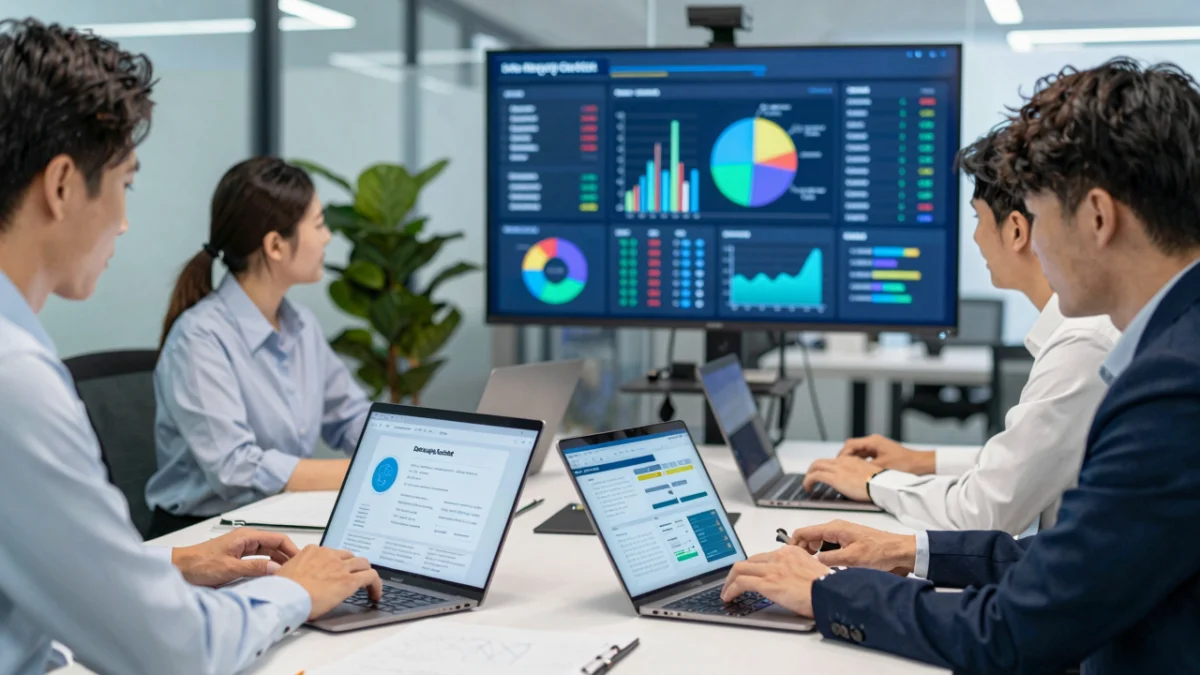
Artificial Intelligence has transitioned from a buzzword to the backbone of modern retail operations. By 2026, approximately 67% of retailers are projected to have fully implemented AI-driven personalization engines.
Predictive vs. Reactive Personalization
Historically, retailers relied on reactive data—what a customer bought yesterday. Today, AI allows for predictive modeling. By analyzing browsing habits, social media interactions, and past purchasing cycles, retailers can now anticipate needs before the customer expresses them.
Data-Driven Implementation
With global AI spending eclipsing the $2 trillion mark, the barrier to entry is lowering. Retailers are deploying task-specific AI agents that act as virtual concierges. Whether through high-level chatbots that handle complex returns or personalized email campaigns that feature dynamically generated content based on user preference, the goal is to make every customer feel like the only customer.

Adapting to Value-Driven Consumer Behavior
The economic climate of 2026 has recalibrated consumer priorities. When household budgets are under pressure, the "value" proposition becomes paramount. However, value does not mean "cheap." It means providing high-quality goods that justify the price point.
The Loyalty Loop
To maintain market share, retailers are pivoting toward sophisticated loyalty programs. Unlike legacy point-collection systems, modern programs offer experiential rewards, early access to new inventory, and personalized discounts that cater to a shopper’s specific taste.
Bridging the Quality Gap
Retailers are finding that by integrating customer feedback loops directly into the procurement process, they can refine their product mix to focus on the items that matter most to their core demographic. By streamlining operations to reduce overhead, companies are finding more room to pass savings—or value-added services—to the consumer.

Omnichannel: The Unified Commerce Mandate
The most significant friction point in modern retail remains the disconnect between digital platforms and physical stores. While 88% of retailers acknowledge the importance of "unified commerce," only 15% have achieved a truly seamless integration.
The Starbucks Model
The industry gold standard remains the mobile-first integration seen in companies like Starbucks, where the app, the physical order, and the loyalty program exist as a single, frictionless experience.
The Infrastructure of Unity
To achieve this, retailers are investing heavily in:

- Real-time Inventory Visibility: Ensuring that what a customer sees online is exactly what is available on the shelf.
- Unified Data Architecture: Breaking down silos so that a store clerk has access to a customer’s online purchase history, allowing for superior in-store service.
Supply Chain Innovations: Building Resilience
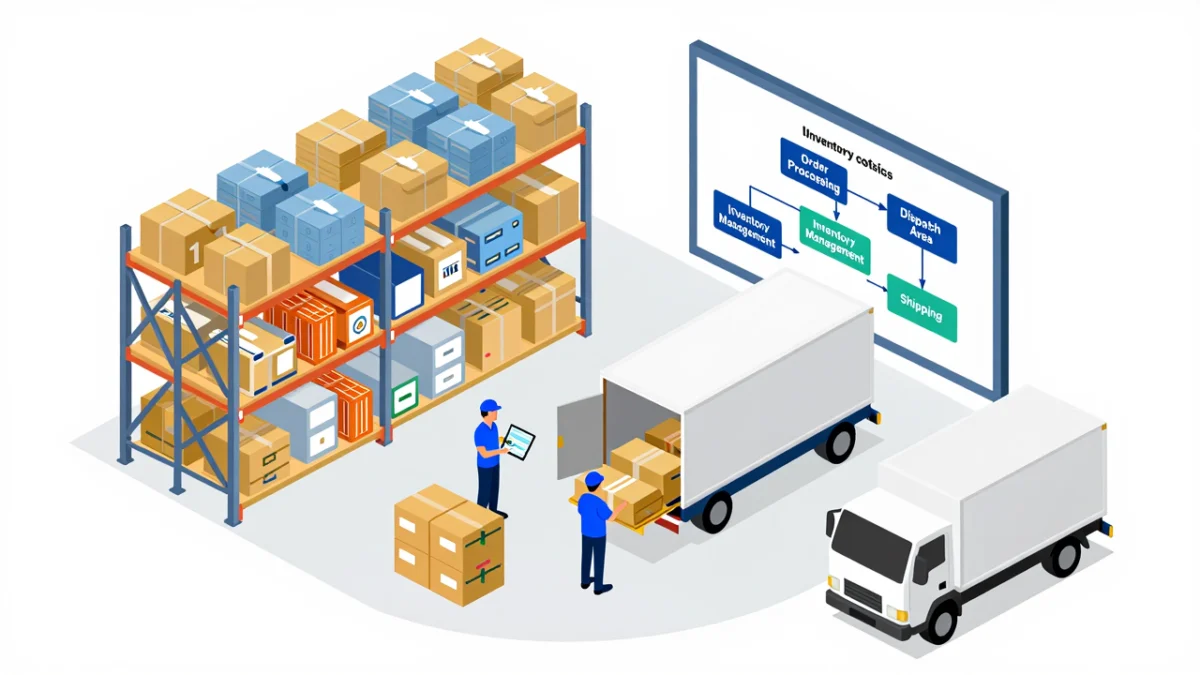
Global trade volatility and fluctuating logistics costs have made supply chain innovation a necessity rather than an operational back-office function. Resilience in 2026 is defined by agility.
Data-Driven Forecasting
Retailers are moving away from "just-in-time" inventory models toward "just-in-case" strategies supported by AI-driven predictive analytics. By identifying potential bottlenecks in the supply chain weeks in advance, companies can diversify their vendor bases and optimize shipping routes, effectively insulating themselves from localized disruptions.
The Sustainability Mandate: Ethics as a Competitive Advantage
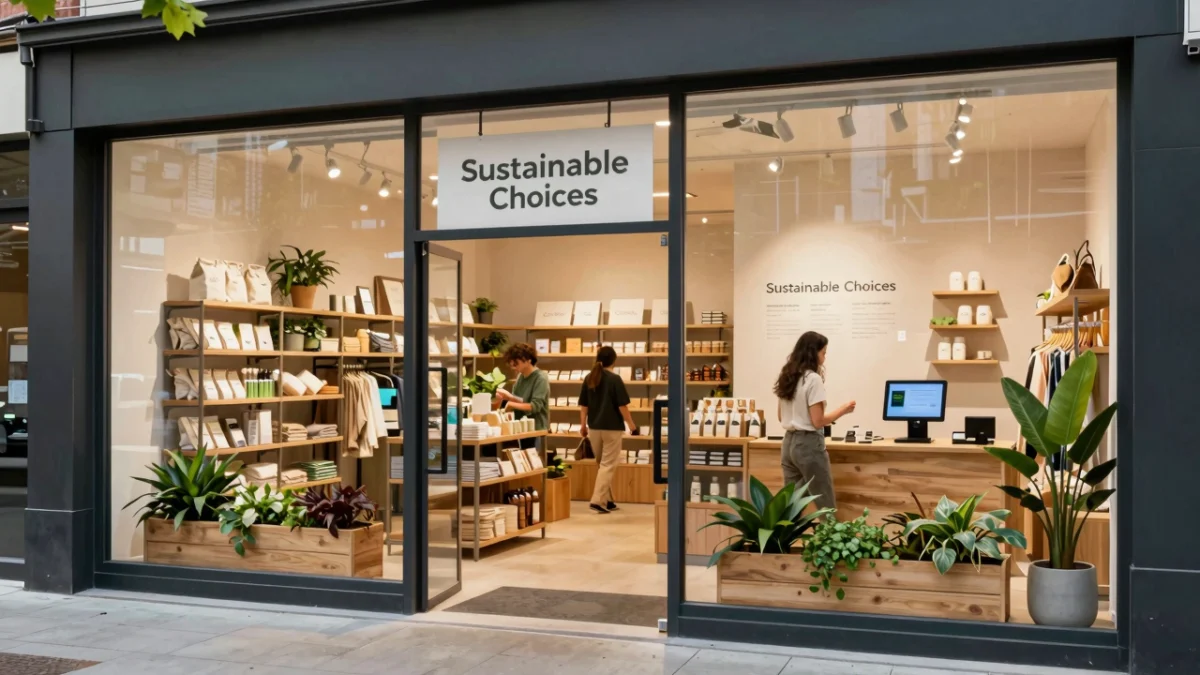
Sustainability has evolved from a marketing gimmick to a foundational expectation, particularly for Gen Z and Millennial demographics.

The Circular Economy
Retailers are increasingly adopting circular business models, such as in-store resale sections or trade-in programs. This not only appeals to the eco-conscious consumer but also creates a new revenue stream.
Responsible Sourcing and Transparency
Modern consumers are conducting "deep-dives" into brand ethics. Companies that utilize transparent storytelling to highlight their carbon-neutral supply chains and fair-wage practices are winning the war for brand loyalty. Surveys indicate that 40% of consumers now actively favor brands that demonstrate concrete ethical commitments.
Chronology of Retail Evolution
- 2020-2022: The "Digital Pivot." Retailers forced to move online due to pandemic-era restrictions.
- 2023-2024: The "Data Consolidation" phase. Firms began centralizing customer data across channels.
- 2025: The "AI Integration" era. AI agents become standard in customer service and inventory management.
- 2026 and Beyond: The "Unified Retail" era. Brands operate as seamless, eco-conscious ecosystems where the line between digital and physical is invisible.
Supporting Data and Industry Insights
The shift is quantifiable. Recent market analysis shows:

- 67% of executives are prioritizing responsible sourcing as a top-three business objective.
- AI spending is projected to surpass $2 trillion, with retail being a primary driver of this growth.
- Omnichannel shoppers have a 30% higher lifetime value than single-channel shoppers, providing a clear ROI for the high costs of infrastructure integration.
Official Industry Responses
Trade organizations and retail analysts have emphasized that "technological adoption is no longer a luxury but a survival requirement." In recent symposiums, industry leaders have noted that the biggest hurdle is not the cost of technology, but the "cultural debt"—the difficulty of retraining staff and changing internal processes to align with these digital-first strategies.
Implications for Small and Medium Enterprises (SMEs)
Small retailers often feel alienated by these trends, assuming they require massive capital expenditure. However, the current landscape offers democratization:
- AI on a Budget: SMEs can utilize pay-as-you-go, low-code AI tools for inventory and customer interaction.
- Community as a Strategy: Smaller brands have an advantage in "brand storytelling" and authentic engagement on social media, where local community building often beats corporate, faceless advertising.
- Targeted Feedback: Unlike large corporations, SMEs can pivot based on individual customer feedback, creating a level of hyper-personalized service that big-box stores struggle to replicate.
Conclusion: Preparing for the Next Decade
The retail landscape of 2026 is demanding, yet rich with opportunity. Success will belong to the retailers who treat technology as a tool to humanize, not automate, the customer experience. By embracing AI, focusing on genuine value, unifying the shopping journey, securing the supply chain, and acting with ecological integrity, businesses can move beyond mere survival and into a new era of retail prosperity.

The path forward requires constant evaluation. Start by auditing your current tech stack, gathering direct customer feedback, and implementing incremental, data-backed changes. The future of retail isn’t about being the biggest; it’s about being the most relevant to the person on the other side of the screen.