








For real estate investors, the roof over a property is more than just a structural necessity—it is a critical line of defense against the volatility of the market. However, a significant shift in federal policy has quietly rewritten the rules of property ownership. As the Federal Housing Finance Agency (FHFA) adjusts requirements for mortgage-backed securities, the financial burden of roof damage is increasingly shifting from insurance carriers to the shoulders of property owners.
For landlords and investors, this transition represents more than just a regulatory update; it is a fundamental change in risk management. Opting for cheaper, less comprehensive coverage—now permitted under new Fannie Mae and Freddie Mac guidelines—could result in five-figure repair bills that threaten the very solvency of a rental portfolio.
The New Reality: From Replacement Cost to Actual Cash Value
The core of this policy shift lies in the FHFA’s decision to allow Fannie Mae and Freddie Mac to accept homeowner insurance policies that provide only Actual Cash Value (ACV) coverage for roofs. Previously, lenders generally required "Replacement Cost Value" (RCV) policies, which ensured that if a roof was destroyed by a covered peril, the insurance company would pay to replace it with a new one of similar quality, regardless of the old roof’s age.
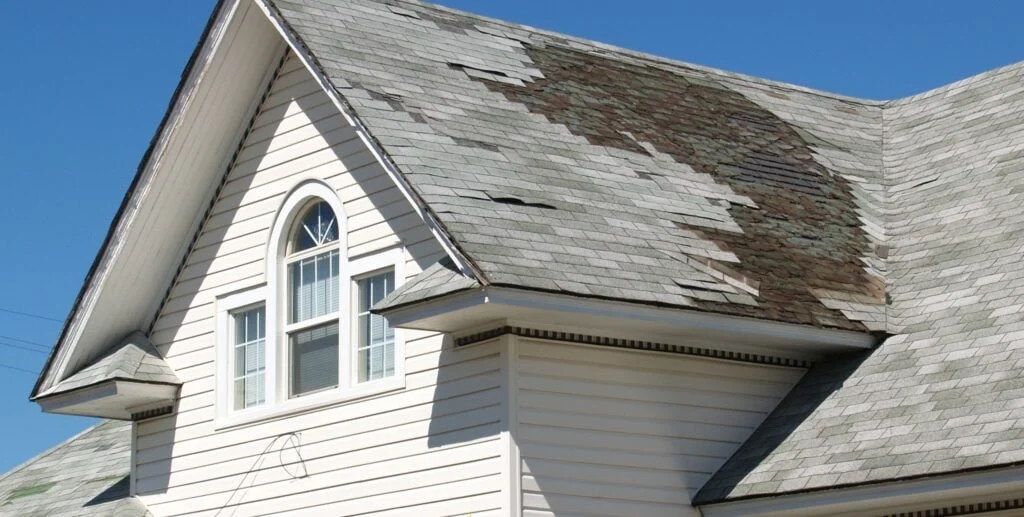
Under the new ACV framework, the payout is based on the depreciated value of the roof at the time of the loss. If your roof is 15 years old and sustains storm damage, the insurer is no longer required to cover the cost of a brand-new roof. Instead, they will calculate the current value of the existing roof—accounting for wear, tear, and age—and write a check for that diminished amount.
Why This Matters for Investors
The gap between the "depreciated payout" and the actual cost of a new roof is the investor’s responsibility. In a high-inflation environment where labor and material costs have soared, this gap can easily reach $10,000 to $20,000. For an investor relying on slim margins, a sudden, unbudgeted expenditure of this magnitude can effectively wipe out a year’s worth of cash flow from a single unit.
Chronology of the Policy Shift
The change did not happen in a vacuum. It follows years of mounting pressure on the insurance industry, driven by catastrophic weather events and the subsequent rise in loss ratios for major carriers.
- Early 2020–2023: Insurance companies faced unprecedented losses due to a series of high-impact hurricanes, wildfires, and severe convective storms. As claim payouts skyrocketed, carriers began raising premiums and tightening underwriting guidelines, often targeting roof conditions as a primary risk factor.
- March 2025: The FHFA announced the policy update, framing it as a move to provide flexibility and cost relief to borrowers in a high-interest-rate environment.
- Mid-2025: The implementation phase began, with lenders across the country updating their mortgage requirements to align with the new, more permissive standards regarding ACV policies.
- Present Day: Investors are currently entering a "buyer beware" landscape, where the choice of insurance policy is no longer just a checkbox on a mortgage application, but a high-stakes financial decision.
Supporting Data: The "Band-Aid on a Bullet Wound"
The primary argument for the shift is the potential for lower monthly premiums. According to industry estimates, ACV policies can be 10% to 20% cheaper than traditional RCV policies. While this provides immediate relief for debt-to-income (DTI) ratios, experts are sounding the alarm that this is a classic case of short-term gain for long-term ruin.
Lindsay Frangie, a branch partner at Alcova Mortgage, famously characterized this approach as "a Band-Aid on a bullet wound." The data supports her skepticism. A study by the Wall Street Journal revealed that the nation’s five largest home insurers denied more than 44% of claims last year—a significant increase from 36% a decade ago.
This trend is not merely about the policy type (ACV vs. RCV) but about the increasingly adversarial nature of claims departments. If an investor is insured under an ACV policy, the "denial" rate is functionally irrelevant because the payout is inherently capped at a fraction of the actual cost. When a hailstorm strikes, the investor is left with a check that barely covers the cost of the raw materials, leaving them to fund the expensive labor and disposal costs out of pocket.
Official Responses and Political Context
The government’s stance on this policy has been heavily politicized. During the announcement of the change, FHFA leadership emphasized the need to reduce barriers to homeownership.
In a press release, officials stated: "Thanks to the current administration’s push to cut red tape, we are replacing a disruptive and expensive insurance mandate with common-sense policies for today’s market. Lower insurance costs and mortgage rates shrink the monthly payment, giving new homebuyers confidence that they can afford the American dream."
However, consumer advocacy groups, such as United Policyholders, warn that the "common-sense" label masks a dangerous reduction in consumer protection. Amy Bach, director of United Policyholders, suggests that many insurance agents are incentivized to sell the cheaper policy to close a deal, often glossing over the long-term ramifications of selecting ACV coverage.
Implications for Real Estate Portfolios
For the professional investor, the implications of this policy shift extend far beyond a single residential unit.
1. The Portfolio Effect
Investors holding multiple properties face compounding risks. If a portfolio is insured under a mix of policies, a single regional weather event could result in disparate outcomes. If half the properties are ACV-insured and half are RCV-insured, the financial predictability of the business model is compromised. SES Risk Solutions has noted that institutional investors are now reevaluating their yields specifically because of these volatile operating expenses.
2. The "Hidden" Policy Trap
Insurance policies are notoriously complex. Some carriers offer "guaranteed replacement cost" endorsements, even on otherwise ACV-based policies. Investors must conduct a granular review of their declarations page. Relying on an agent’s verbal assurance is no longer sufficient; the legal language within the policy document itself dictates the outcome of a claim.
3. Increased Scrutiny and Drone Monitoring
As insurance carriers look for ways to mitigate their own risk, they have turned to high-tech surveillance. Many companies now utilize satellite imagery and drones to monitor roof conditions. If an investor attempts to "patch" a roof to save money rather than replacing it, they risk being flagged by automated systems. As Al Brooks of J.P. Morgan noted, "If they drone your property and see tarps, you’re probably getting dropped."
Strategic Recommendations for Investors
Given the new landscape, how should investors protect their cash flow?
- Prioritize RCV: Whenever possible, insist on Replacement Cost Value policies. The 10–20% premium savings from an ACV policy is rarely worth the catastrophic risk of a five-figure shortfall.
- Consult Independent Brokers: Large-portfolio owners should move away from standard consumer policies and toward commercial or specialized real estate insurance structures. These brokers are better equipped to negotiate consistent terms across a portfolio.
- Budget for Maintenance: If you choose to accept higher insurance risk, you must increase your capital expenditure (CapEx) reserves. You should be setting aside funds specifically for roof replacement to ensure you are not caught off guard by a storm.
- Read the "Four Corners": Do not sign a policy without understanding how the company defines "damage" and "replacement." As seen in the ongoing litigation against major carriers, vague definitions are often used to justify claim denials.
Final Thoughts
The shift toward Actual Cash Value insurance is a symptom of a larger, systemic strain on the U.S. property insurance market. As extreme weather events become more frequent and the costs of rebuilding continue to climb, the insurance industry is effectively transferring risk to the consumer to keep the math of the mortgage market working.
For the real estate investor, this is a clarion call to stop viewing insurance as a commodity to be shopped for based on the lowest price. It is a fundamental component of your investment’s viability. As Mark Cuban pointed out regarding the future of housing affordability, insurance is becoming the number one issue in real estate. By prioritizing comprehensive coverage and maintaining properties with a "fix-it-immediately" mindset, investors can navigate this new, treacherous landscape and ensure their portfolios remain resilient against the inevitable storms ahead.