








For the modern traveler, the transition from a long-haul flight or an early-morning train to a hotel lobby is often fraught with uncertainty. While booking engines and confirmation emails provide precise check-in and check-out times, the reality of travel—marked by red-eye flights, varying time zones, and logistical hurdles—often forces guests to arrive long before the standard 3:00 PM or 4:00 PM check-in window.
The question of "how early is too early" remains one of the most common points of friction in the hospitality industry. Can you reasonably expect a room at 6:00 AM? Is it worth paying for an extra night just to secure a bed upon arrival? This report explores the nuanced reality of early check-in, the operational constraints faced by hotels, and the strategic decision-making process required for a seamless travel experience.
The Operational Reality: Why Check-In Times Exist
To understand the flexibility—or lack thereof—regarding early check-in, one must first understand the operational cycle of a hotel. Most properties operate on a 24-hour cycle, but the "Night Audit" is the pivot point. During this period, the hotel’s property management system rolls over to the next business date.
From a management perspective, a room is considered occupied until the official check-out time (typically 11:00 AM or 12:00 PM). Housekeeping teams are then tasked with a rigorous cleaning process, which often involves stripping linens, sanitizing surfaces, and restocking amenities. Consequently, the standard afternoon check-in time is not an arbitrary rule; it is a buffer designed to ensure that the previous guest has departed and the room has been returned to a sellable state.
The Myth of the 12:01 AM Arrival
Travelers often wonder if they can check in immediately after midnight if they have a reservation for that calendar day. In practice, this is rarely possible. A hotel is not obligated to provide a room for a night that has not been paid for. If you arrive at 1:00 AM for a stay beginning later that day, the hotel is legally and operationally justified in denying entry until the standard check-in time, as the room is likely occupied by a guest who is still entitled to stay until later that morning.
Chronology of the Early Check-In Request
For those seeking an early room, timing is the single most important variable.
- The "Pre-Arrival" Phase (48-24 hours prior): This is the ideal window to communicate with the property. Emailing the front office manager or using a mobile app to request an early check-in can allow the hotel to prioritize your room during the housekeeping schedule.
- The "Night Audit" Boundary (3:00 AM – 6:00 AM): This is generally considered the "dead zone." Housekeeping staff are off-duty, and the front desk is typically staffed by a skeleton crew. Expecting a room during these hours is unrealistic unless you have booked the previous night.
- The "Morning Shift" Threshold (6:00 AM – 10:00 AM): At 6:00 AM, the morning shift begins, and the day’s housekeeping assignments are finalized. This is the earliest point at which an inquiry about a room becomes reasonable. By 9:00 or 10:00 AM, some guests begin to check out early, creating the first potential inventory of "ready" rooms.
- The "Turnover" Period (11:00 AM – 2:00 PM): This is the peak window for housekeeping. While inventory is technically expanding as guests depart, the rooms are not yet ready for occupancy.
Strategic Decision-Making: The "Buy the Night" Calculus
When faced with a 4:00 AM arrival, the traveler faces a binary choice: gamble on the hotel’s vacancy or pay for an extra night. To make this decision, one must evaluate three core pillars:
1. The Value of Certainty
If you are traveling for a high-stakes business meeting or are arriving with young children, the value of a guaranteed room far outweighs the cost of an additional night. The "stress tax" of sitting in a hotel lobby with luggage, unable to shower or rest, can negatively impact your productivity or enjoyment for the rest of the trip.

2. Market Saturation and Room Inventory
High-occupancy environments—such as a city hosting a major conference, a festival, or a holiday weekend—drastically reduce the odds of a complimentary early check-in. If the hotel is at 95% occupancy, the likelihood that a room will be vacated and cleaned by 8:00 AM is statistically slim. In such cases, purchasing the previous night is the only way to guarantee a bed.
3. The Cost-Benefit Ratio
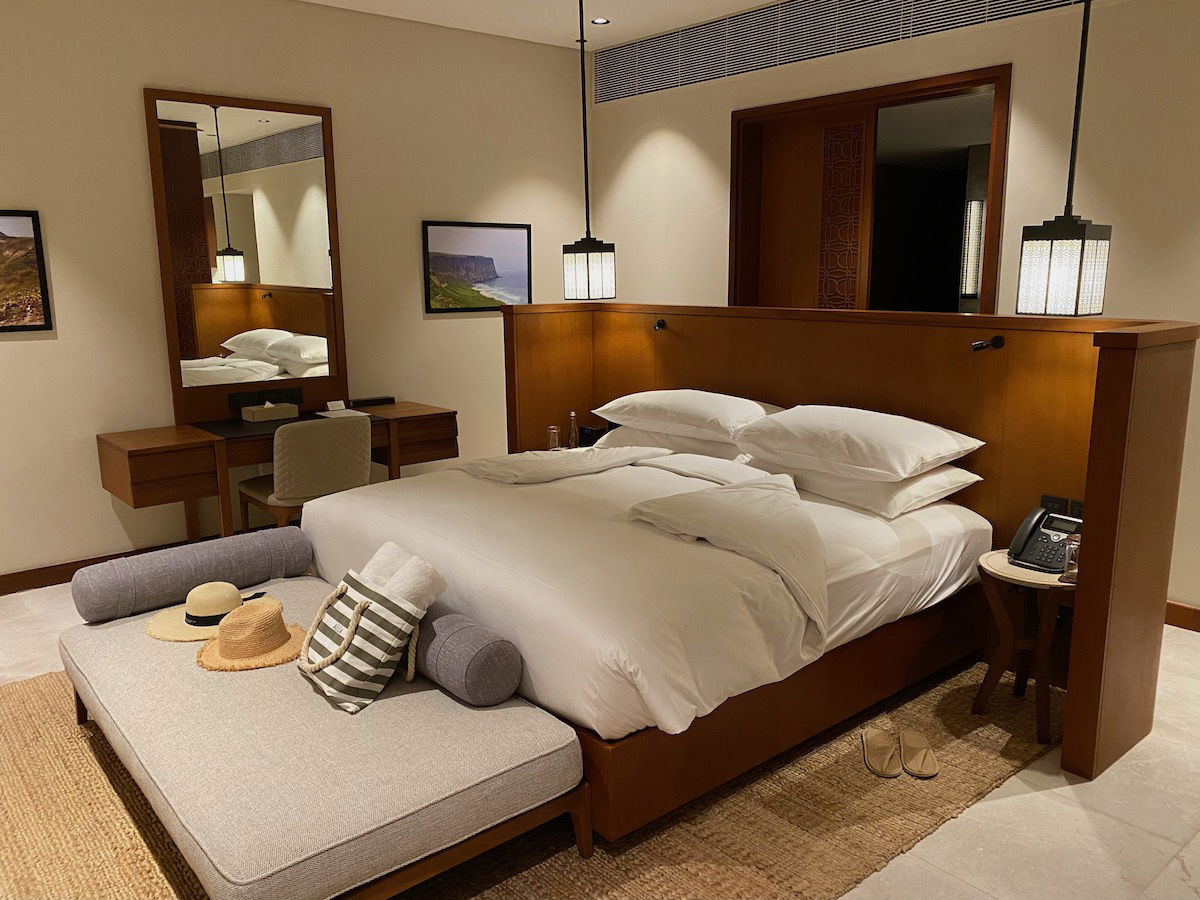
Using the example of a 2022 trip to Alila Hinu Bay in Oman, where an arrival was scheduled for 6:00 AM, the $300 cost for the previous night served as an "insurance policy." While it may seem expensive, the ability to check in immediately, sleep for four hours, and wake up refreshed transformed a potentially grueling arrival into a comfortable start to the vacation.
Industry Perspectives: The View from the Front Desk
Hotel staff, including front office managers and concierge teams, generally strive to be accommodating. In the hospitality industry, "delighting the guest" is a primary performance metric. However, staff are constrained by the physical reality of room turnover.
"We want you in the room as much as you want to be in it," notes one veteran front-desk manager. "But if the previous guest hasn’t left, or if our housekeeping team is short-staffed, there is simply no physical way to force a room to be ready. When guests arrive at 7:00 AM and demand a room, it creates an adversarial relationship that we try hard to avoid. We are much more inclined to move mountains for a guest who approaches the desk with patience and an understanding of our limitations."

Many high-end brands, such as The Peninsula, have distinguished themselves by offering flexible check-in and check-out times as a core brand pillar. These properties invest in higher housekeeping staffing levels to facilitate this flexibility, proving that while early check-in is an "extra," it is also a logistical service that can be bought.
Implications for Future Travel
As the travel industry continues to evolve, the concept of "check-in" may become more fluid. Some boutique hotels are experimenting with automated keyless entry systems that allow for "virtual" check-ins, provided the room status is updated in real-time by housekeeping apps.
However, for the foreseeable future, the following best practices remain the gold standard for travelers:
- Always communicate in advance: Never assume the front desk knows you are arriving early.
- Understand your status: If you hold elite status with a hotel loyalty program, you are statistically more likely to be granted early check-in, as hotels prioritize these guests when distributing early-availability rooms.
- Pack a "Go-Bag": Regardless of your plans, always keep essential toiletries, a change of clothes, and electronics in your carry-on luggage. If you cannot get into your room, you should still be able to freshen up in a fitness center or public restroom, or at least be comfortable while waiting.
- Know when to pay: If you are arriving before 7:00 AM, treat it as a near-certainty that you will need to book the previous night to get immediate access.
Final Thoughts
Early hotel check-in is a courtesy, not a contractual obligation, unless explicitly stated in your booking. While most hotels will do their best to accommodate a weary traveler, the intersection of limited inventory and labor constraints means that flexibility is never guaranteed. By balancing the cost of an extra night against the value of rest and the probability of availability, travelers can navigate these arrival windows with confidence, turning a potential travel headache into a well-managed logistical win.