







For real estate investors, the roof is more than just a structural necessity; it is a critical line item in a property’s long-term financial health. However, a significant policy shift from the Federal Housing Finance Agency (FHFA) has quietly altered the landscape of property insurance, potentially leaving landlords exposed to massive, unexpected capital expenditures.
As of this year, Fannie Mae and Freddie Mac have updated their guidelines to permit homeowner insurance policies that provide only Actual Cash Value (ACV) coverage for roofs, moving away from the industry standard of Replacement Cost Value (RCV). While this change is being marketed as a way to lower monthly mortgage costs for homeowners, for the savvy real estate investor, it represents a fundamental shift in risk allocation that could jeopardize cash flow in the event of a natural disaster.
The Evolution of Insurance Requirements: A Chronology of Change
To understand the weight of this shift, one must look at the recent history of the insurance-mortgage nexus. For decades, the mortgage industry operated under a protective umbrella: lenders mandated that properties be insured at their full replacement cost. This ensured that if a storm destroyed a roof, the insurer—not the borrower—would cover the labor and materials required to install a new one, regardless of the age of the old roof.
In March, the FHFA announced a pivot. By allowing Fannie Mae and Freddie Mac to accept ACV policies, the agency effectively signaled that lenders no longer need to enforce full-replacement standards. This policy change was framed by government officials as a response to the "disruptive and expensive" insurance landscape, aiming to reduce premiums and lower the monthly cost of homeownership.
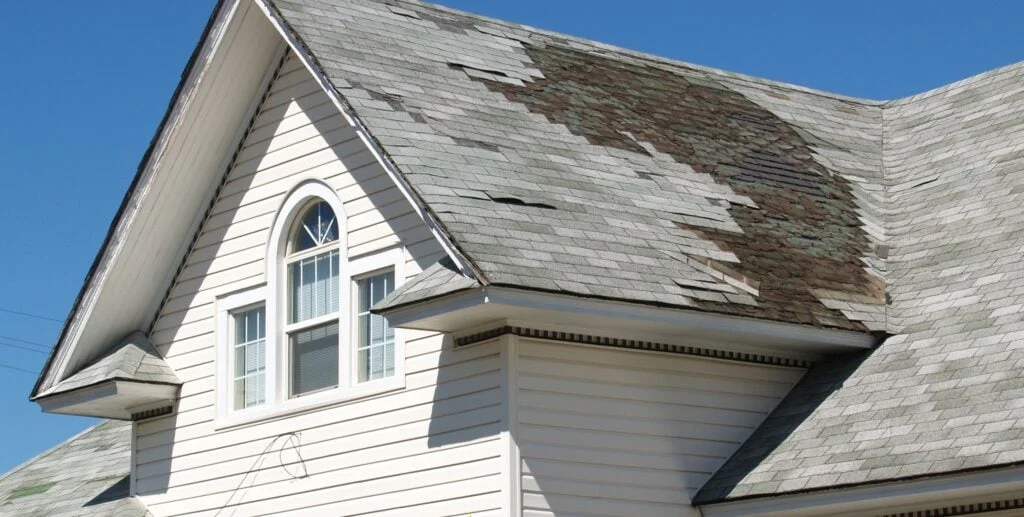
However, the transition from RCV to ACV is not merely a technicality; it is a fundamental shift in the definition of "protection." Under an ACV policy, the insurer calculates the payout based on the current depreciated value of the roof. If an investor’s roof is 15 years old, the insurance company will deduct the value of those 15 years of wear and tear from the settlement check. In many cases, this leaves the property owner responsible for the difference—a gap that can easily run into the tens of thousands of dollars.
Decoding the Financial Mechanics: ACV vs. RCV
To grasp the implications for an investment portfolio, investors must distinguish between the two types of coverage:
- Replacement Cost Value (RCV): This coverage pays the actual cost to repair or replace the damaged roof with materials of like kind and quality, without a deduction for depreciation. It is the "gold standard" for asset protection.
- Actual Cash Value (ACV): This coverage pays the cost to replace the roof minus depreciation. Because roof materials have a finite lifespan, the depreciation calculation can be severe.
For a landlord, the math is sobering. If a major hailstorm strikes and a roof with a $20,000 replacement cost is damaged, an RCV policy covers the full amount. Under an ACV policy, if that roof is considered to be 50% through its useful life, the insurer might only pay $10,000. For an investor operating on thin margins, that $10,000 shortfall isn’t just a minor inconvenience—it is a direct strike against the property’s annual cash flow.
Official Perspectives and Political Context
The FHFA’s decision to allow ACV policies has been met with both praise and skepticism. FHFA director William J. Pulte characterized the move as a return to "common-sense policies" that provide relief in a high-cost environment. The administration’s narrative suggests that by relaxing insurance mandates, the barrier to entry for prospective homebuyers is lowered, effectively shrinking monthly payments and fostering a more accessible housing market.
However, industry experts view this as a "Band-Aid on a bullet wound." Lindsay Frangie, a Georgia-based branch partner at Alcova Mortgage, notes that many property owners may not realize they have signed up for a liability trap until it is too late. "If they aren’t prepared and they get a hailstorm or tornado, they are going to be in for the surprise of their life when they get that bill from the roofer," Frangie warned.
The Data: Why Investors Are at Risk
The move toward ACV is occurring against a backdrop of increasing volatility in the insurance sector. According to a Wall Street Journal analysis, the five largest home insurers in the U.S. failed to pay out on over 44% of claims resolved last year—an increase from 36% a decade ago.
This trend is leading to aggressive litigation. In Oklahoma, hundreds of residents have filed suit against State Farm, alleging that the company utilizes "vague definitions" to deny claims. Plaintiffs argue that these policies, which include clauses that lead to unexpected claim denials, are often hidden from the policyholder until the moment of loss. Attorney Jeff Marr, who represents plaintiffs in these cases, described these tactics as a "secret playbook" designed to minimize roof replacement payouts.
Implications for the Real Estate Investor
For the individual investor, the temptation to switch to an ACV policy to lower premiums by 10% to 20% is understandable. In a high-interest-rate environment, every dollar saved on operating expenses is precious. However, the operational risk far outweighs the marginal savings.
1. Operational and Financial Risk
Insurance is no longer just a "check-the-box" requirement for a loan; it has become a primary driver of real estate investment viability. As noted by SES Risk Solutions, insurance costs are now influencing real estate decisions in ways previously reserved for mortgage rates. Investors are being forced to reevaluate yields based on the reality that operating expenses—specifically insurance premiums and potential out-of-pocket repair costs—are becoming increasingly volatile.
2. Portfolio-Wide Vulnerabilities
For investors with multiple properties, the challenge compounds. Inconsistent coverage terms across a portfolio create a "patchwork" of risk. If an investor holds ten properties, each with different insurance structures, a localized weather event could simultaneously trigger massive, unbudgeted capital requirements across the entire portfolio, potentially leading to insolvency or the need for emergency liquidity.
3. The "Drone" Surveillance Factor
The era of manual inspections is waning. Insurance companies are increasingly utilizing drone technology to monitor properties for maintenance issues. Al Brooks of J.P. Morgan warns that if an insurance provider drones a property and spots a tarp on a roof—a common "fix" for a leak—it could lead to immediate policy cancellation. "Do not go up there and throw a tarp over it," Brooks advised. "Get it fixed immediately."
Strategic Recommendations for Investors
Navigating this new environment requires a departure from "set it and forget it" insurance management.
- Review Your Declarations Page: Do not rely on your insurance agent’s summary. Request your full policy documents and verify whether you are carrying RCV or ACV coverage.
- Seek Out Endorsements: Even if your base policy is ACV, many carriers offer a "guaranteed replacement cost" endorsement for roofs. This is often the most cost-effective way to bridge the gap between affordability and protection.
- Professional Consultation: For portfolios of any significant scale, working with a specialized commercial insurance broker is essential. A broker who understands the specific nuances of real estate investment can structure policies that cover the entire portfolio, ensuring that coverage terms are consistent and that risks are properly mitigated.
- Prioritize Proactive Maintenance: In an environment where insurers are looking for any reason to deny claims or drop coverage, keeping your properties in peak condition is a defensive strategy. A well-maintained roof is less likely to be the subject of a disputed claim.
Final Thoughts: Protecting the Long Game
The FHFA’s decision to allow ACV-based insurance is a systemic shift that transfers the risk of extreme weather from the insurer to the property owner. While the short-term goal of lower premiums is appealing, the long-term reality is that the cost of homeownership—and real estate investment—is increasingly tied to the unpredictability of climate risk.
Investors must recognize that the "American Dream" or the "Investor’s Return" is not just about the monthly mortgage payment; it is about the security of the asset. Sacrificing the quality of your insurance coverage for the sake of immediate cash flow is a short-sighted strategy that risks turning a profitable asset into a major financial liability. In the current market, the best insurance policy is one that assumes the worst-case scenario and provides the coverage necessary to weather the storm—literally and figuratively.