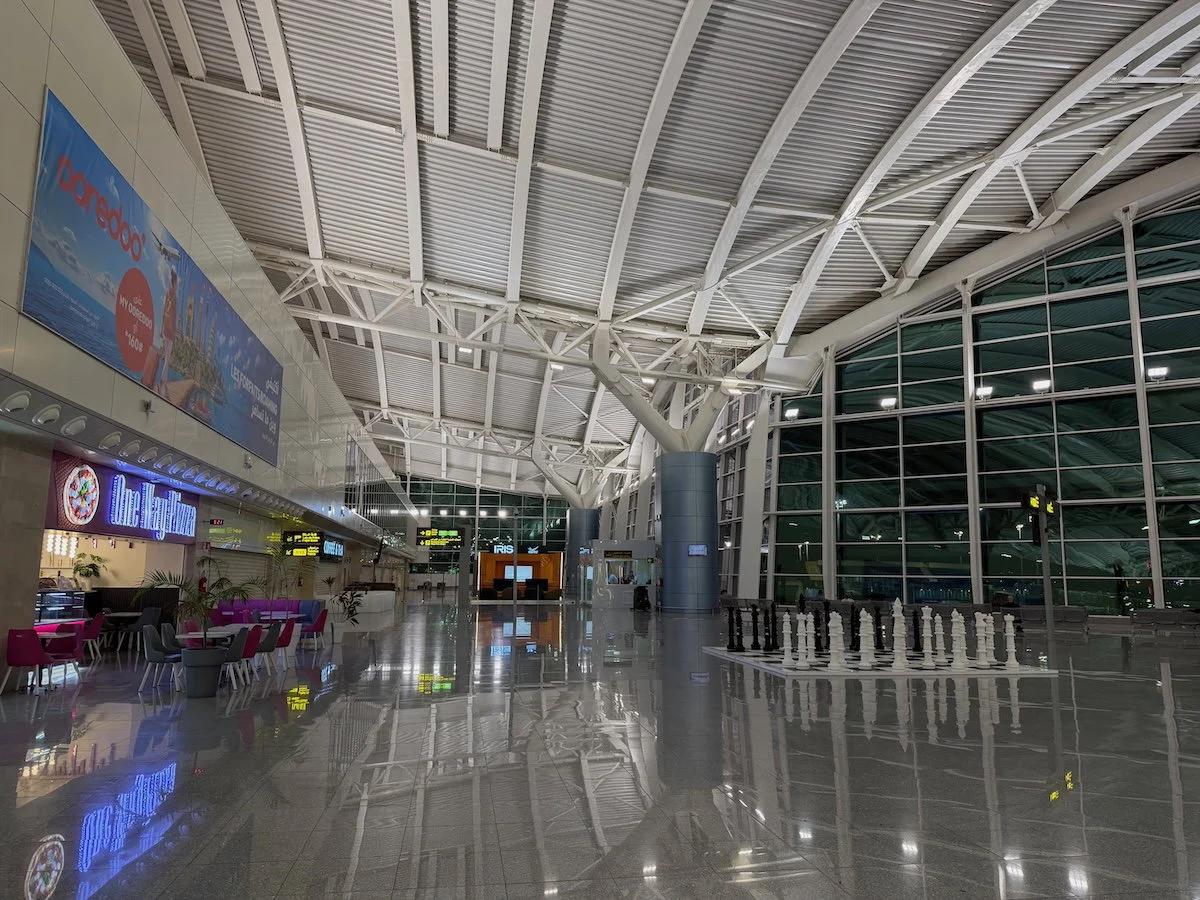










For the average traveler, an airport is merely a sterile transit hub—a necessary waypoint between the vacation and the departure lounge. However, for those who find romance in the mechanics of flight, Gustaf III Airport (SBH) on the Caribbean island of St. Barts is a destination in its own right. Often cited as one of the most exhilarating and visually dramatic airports on the planet, it represents a unique intersection of extreme geography and aviation precision.
Main Facts: The Anatomy of a Challenging Runway
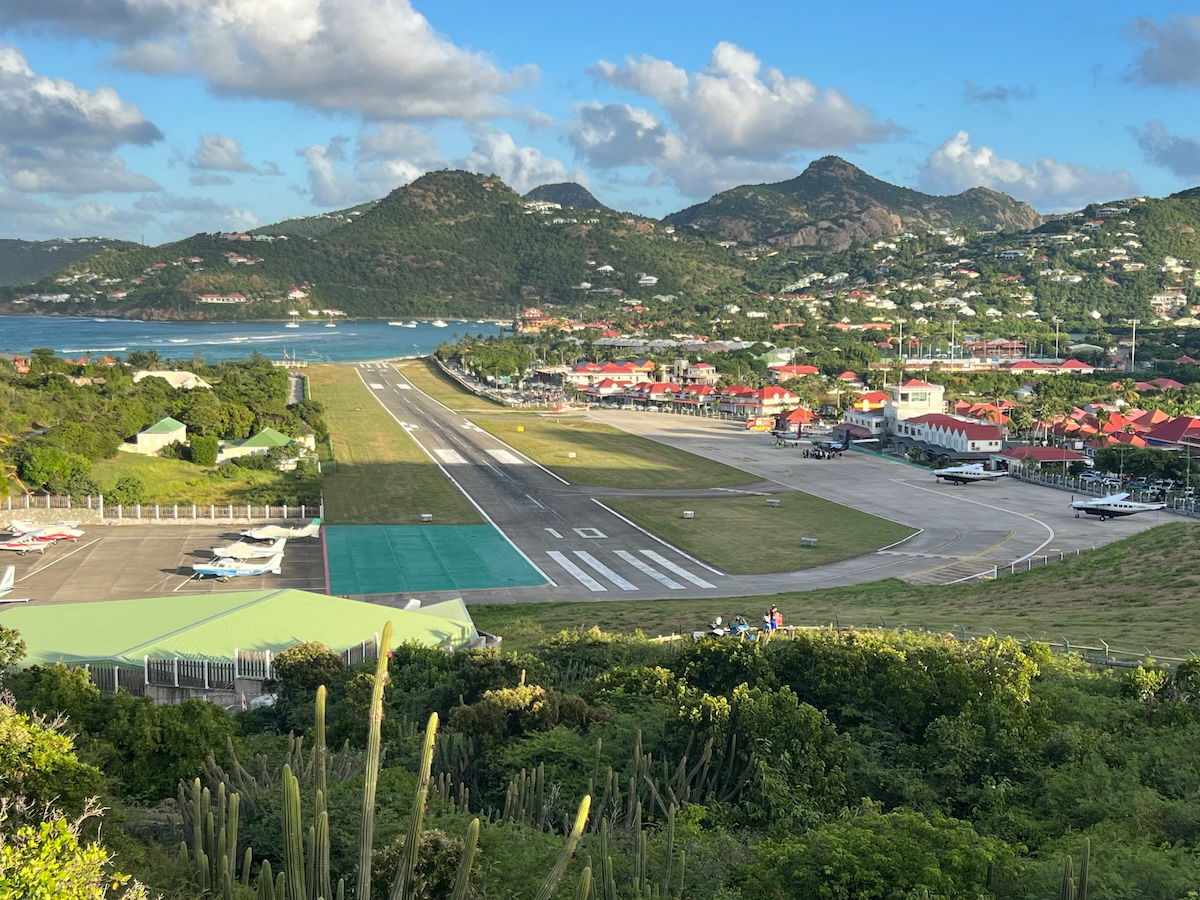
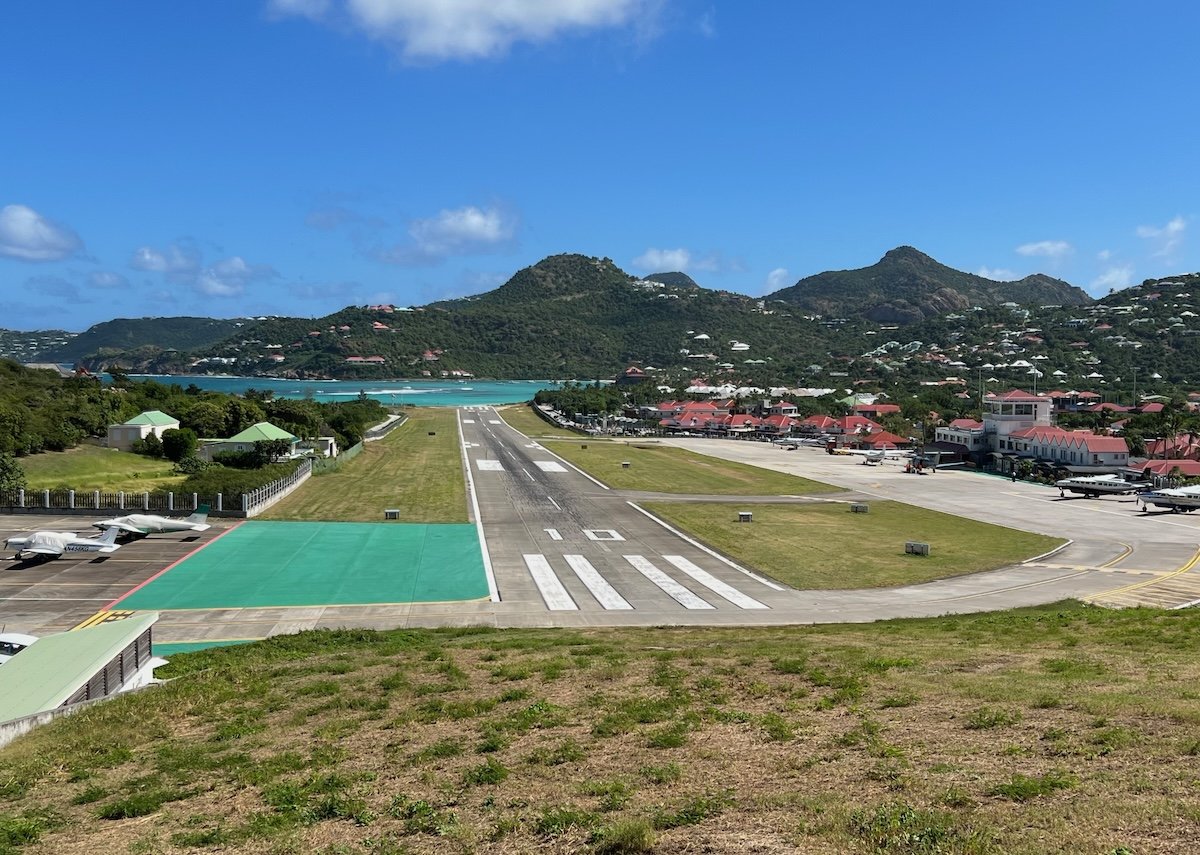
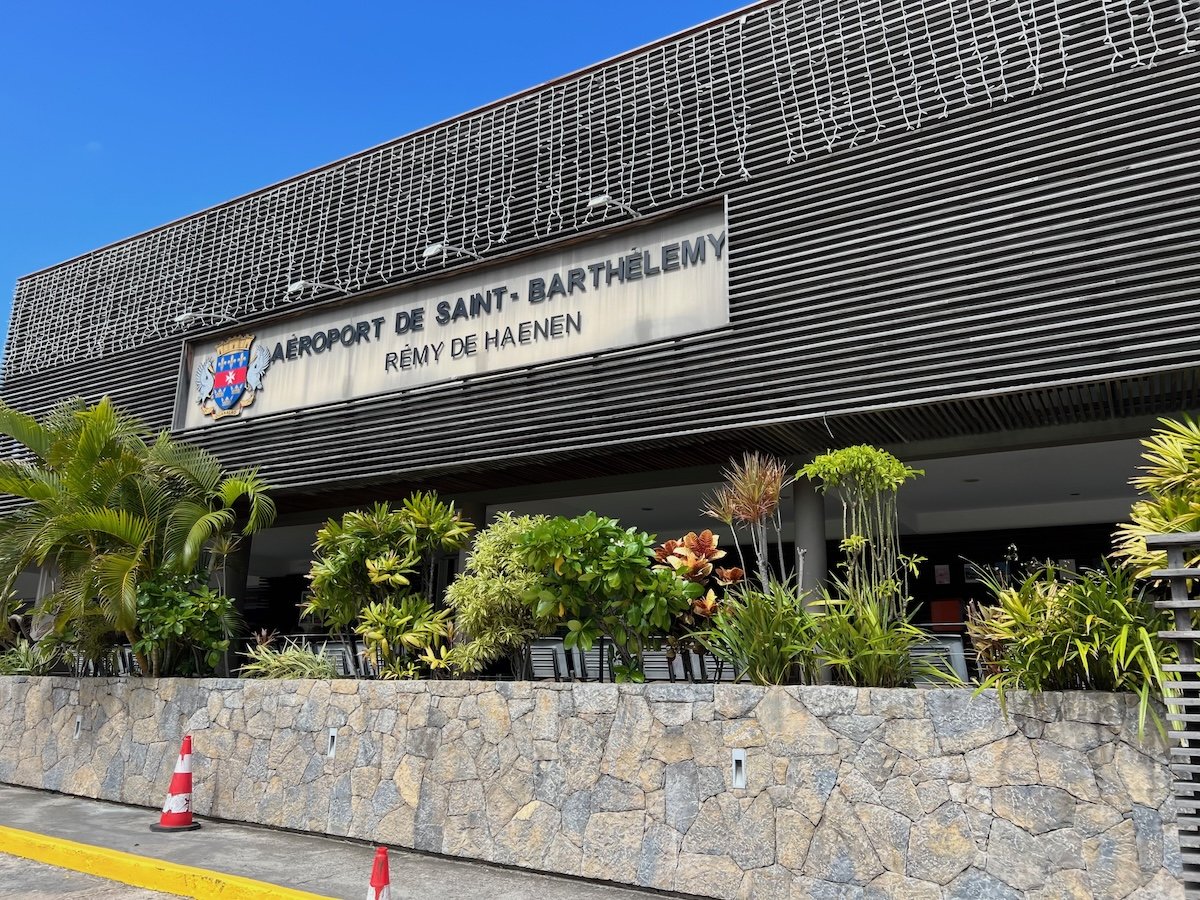
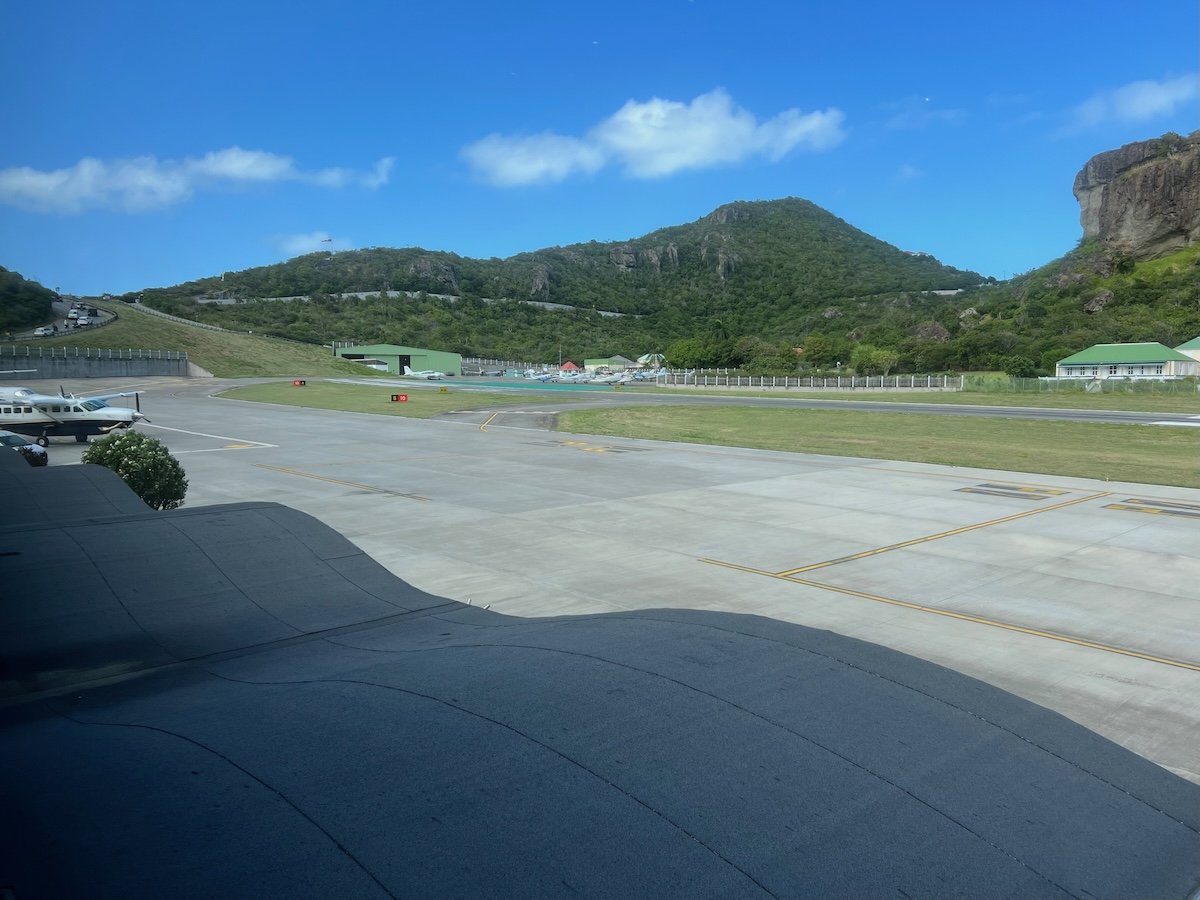
Gustaf III Airport, situated in the village of St. Jean, serves as the primary gateway to the French overseas collectivity of St. Barts. The airport is defined by its extreme constraints: it is hemmed in by steep, mountainous terrain on one side and the azure waters of the Caribbean Sea on the other.
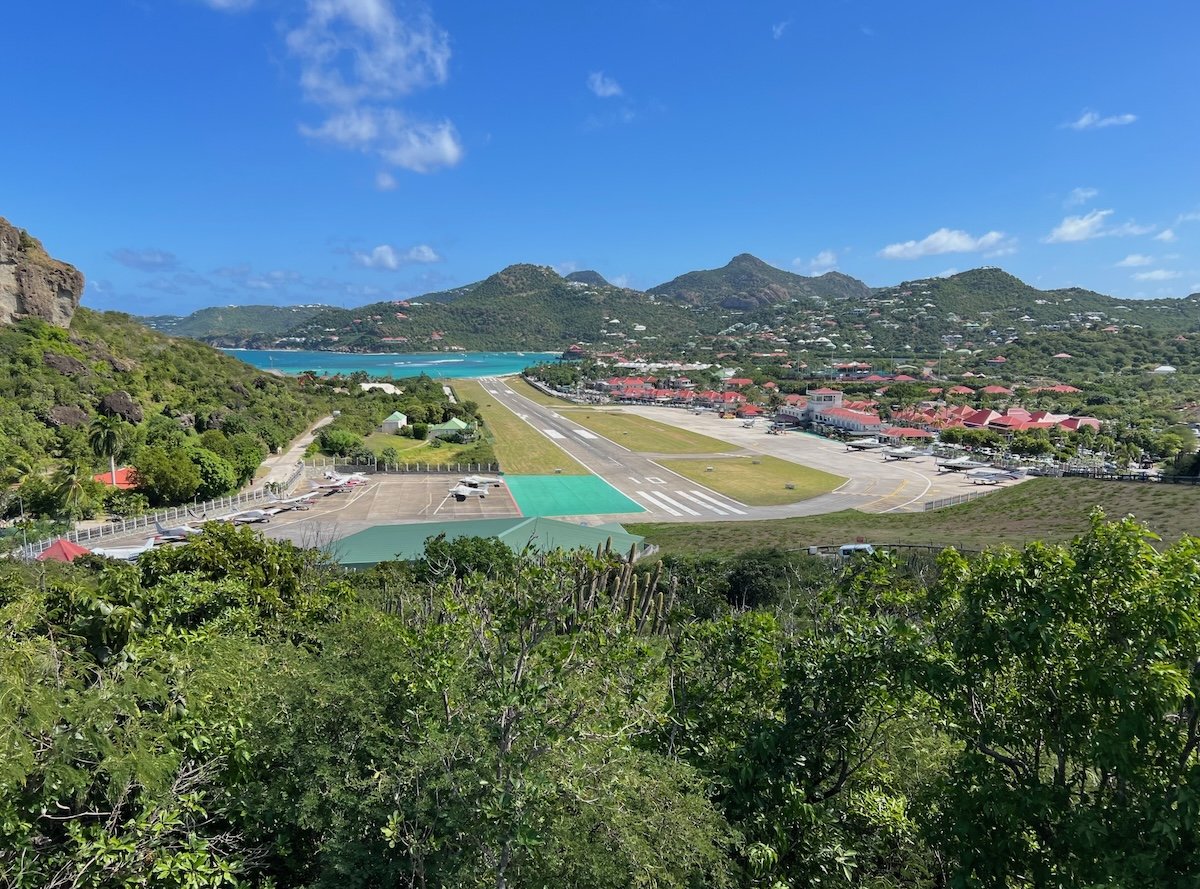
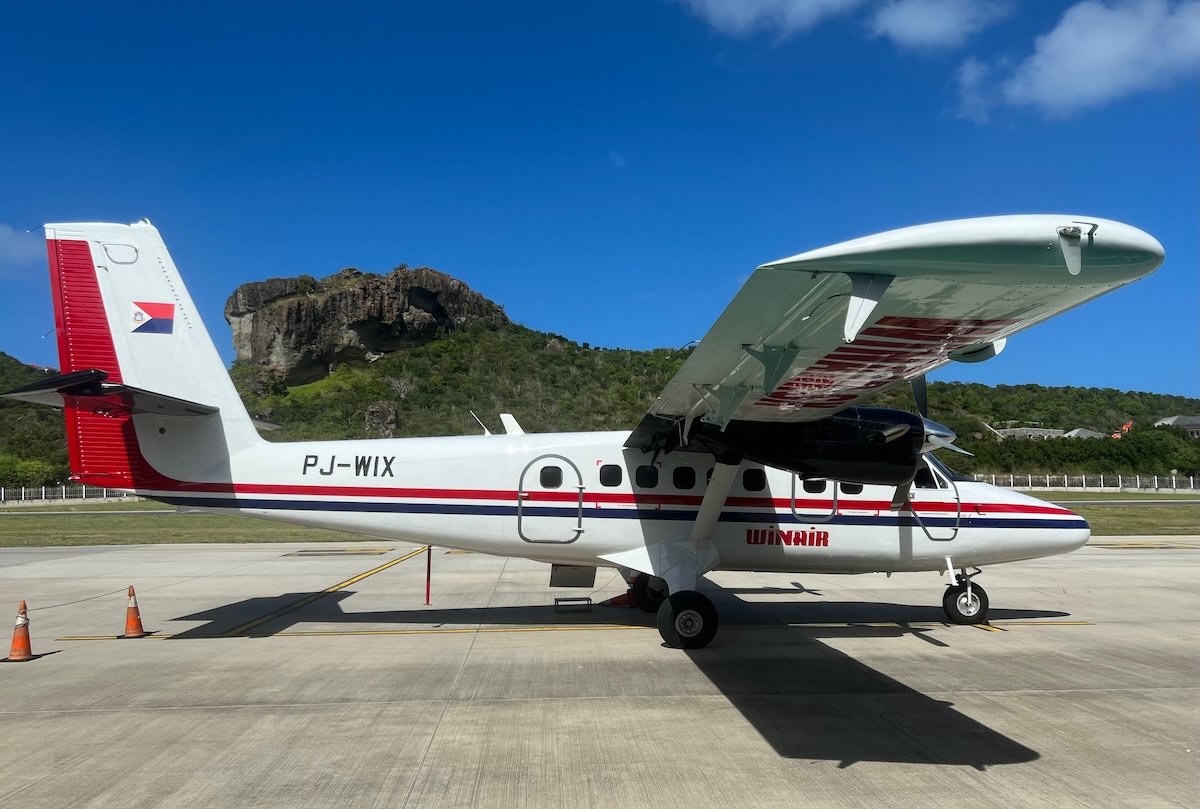
The runway itself is a modest 2,133 feet (650 meters) in length. Because of this restricted space, jet aircraft are strictly prohibited from landing. Instead, the airport handles a consistent flow of propeller-driven aircraft, such as the de Havilland Canada DHC-6 Twin Otter and the Pilatus PC-12. These aircraft are chosen for their Short Takeoff and Landing (STOL) capabilities, allowing them to navigate the steep descent required to clear the ridge at the end of the runway before touching down with pinpoint accuracy.
Chronology: A History of Precision and Safety
The reputation of St. Barts as a "dangerous" airport has been a subject of aviation lore for decades. However, historical data suggests that the "danger" label is largely a product of perception rather than systemic failure.
The last major, fatal incident at the airport occurred in 2001, when Air Caraïbes Flight 1501 crashed during its approach. Investigations concluded that the primary cause was pilot error, specifically an improper handling of thrust asymmetry during the descent. In the quarter-century since that tragedy, the airport has maintained an remarkably stable safety record, despite handling dozens of arrivals and departures daily.

In 2023, a minor runway excursion occurred, but it resulted in no fatalities and was unrelated to the typical mountainous approach path. These events serve as a reminder that while the terrain is unforgiving, modern aviation safety protocols and the high skill level of the pilots operating in this region ensure that the airport remains a viable, albeit intense, logistical node.

Supporting Data: The Logistics of Caribbean Connectivity
The daily rhythm of Gustaf III is dictated by a handful of regional carriers that act as the island’s lifeline. Winair remains the dominant operator, running a high-frequency shuttle service to St. Martin (SXM), which serves as a major hub for international connections. Other key players include Tradewind Aviation—which offers a more premium, seamless connection from San Juan (SJU)—as well as St. Barth Commuter and Cape Air.
The frequency of these flights is striking. During peak travel hours, arrivals can occur in rapid succession, sometimes only minutes apart. The connectivity is essential for the island’s tourism-based economy, as most visitors prefer the convenience of an air bridge over the slower, less consistent ferry services from neighboring islands.
The Aviation Enthusiast’s Perspective: A Global Hotspot
St. Barts is arguably the world’s most accessible "plane spotting" destination. Unlike major international airports where enthusiasts are relegated to perimeter fences or distant parking lots, the layout of St. Jean allows for an immersive experience.

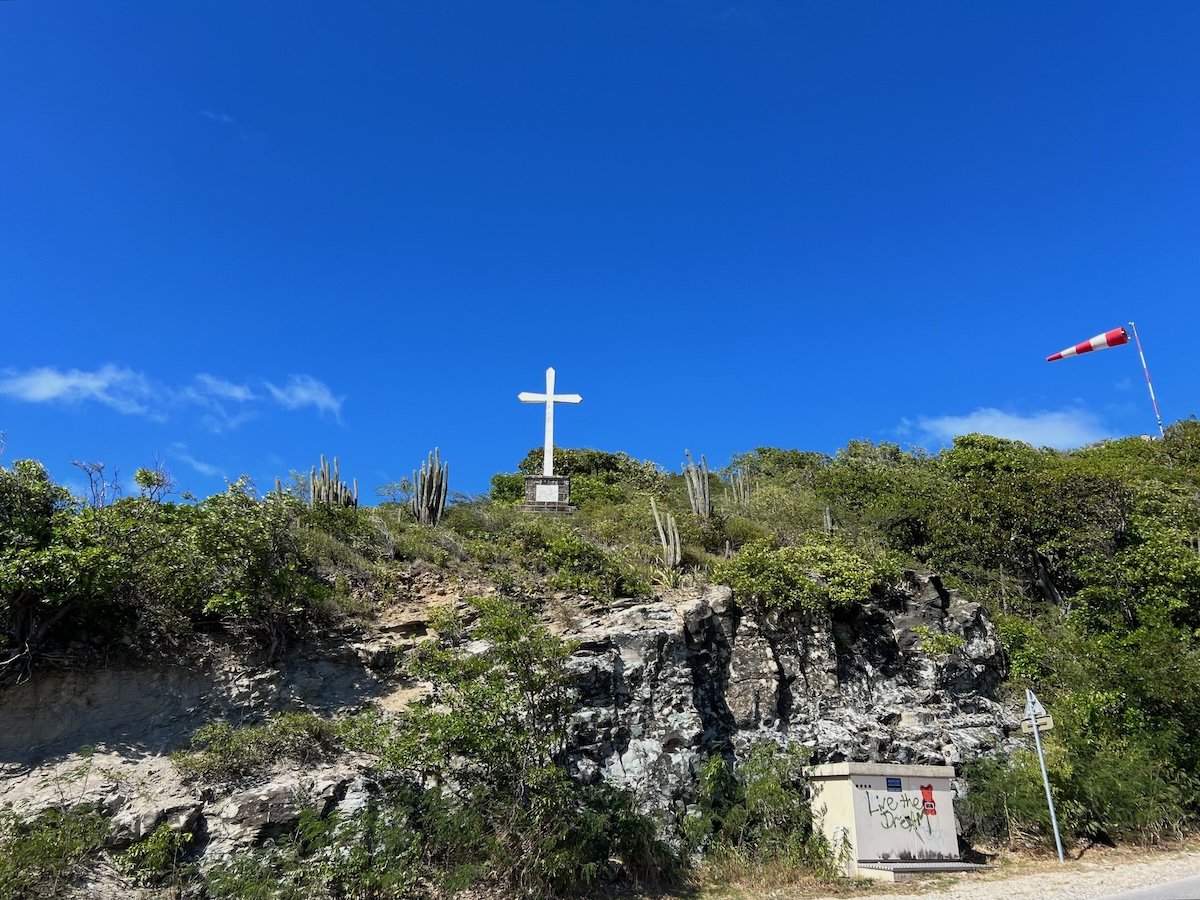
The approach path is situated directly over a primary road on the hillside. It is standard practice for motorists to pull over to watch the aircraft "drop" over the crest of the hill. For the observer, the visual is jarring: planes appear to dive toward the runway with a speed and angle that defies the casual observer’s intuition. This has turned the area surrounding the airport into a communal space where locals and tourists alike gather to film the spectacular landings.
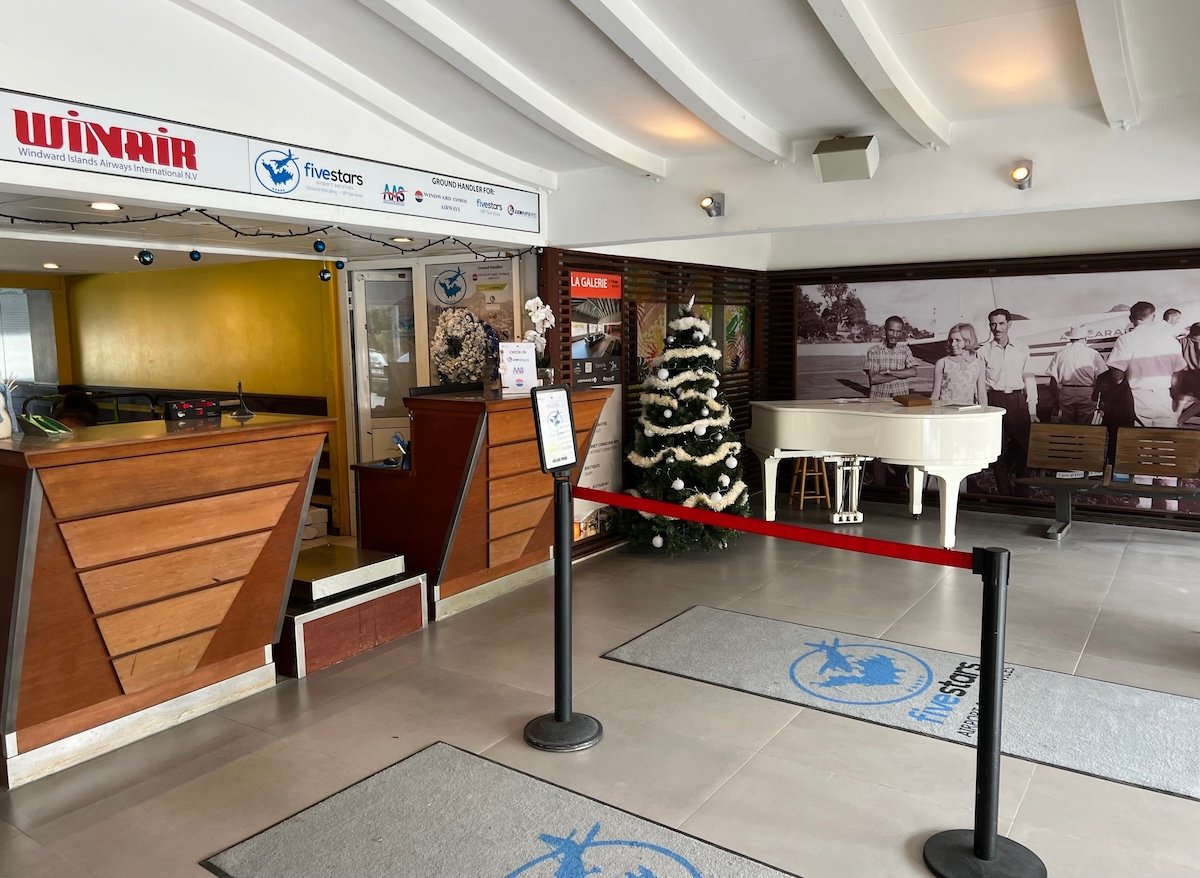
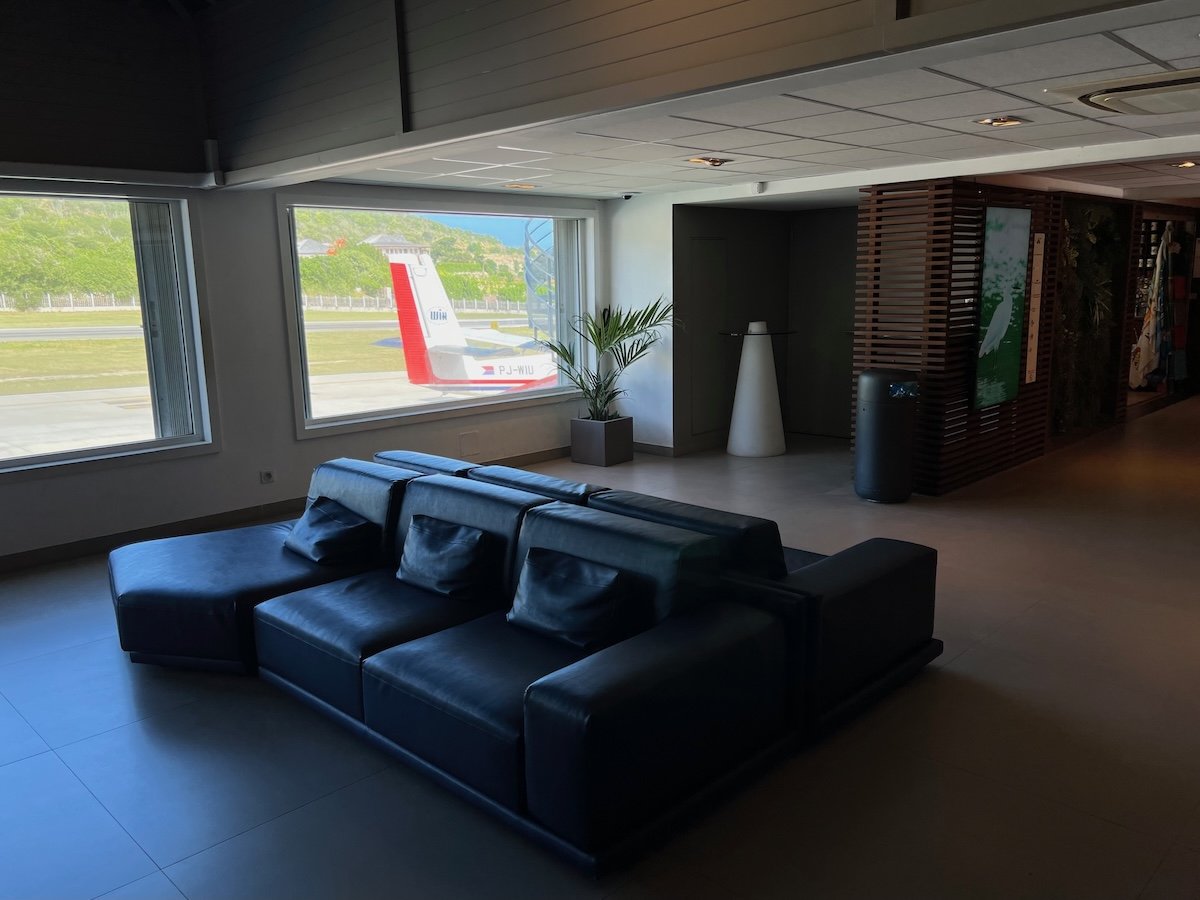
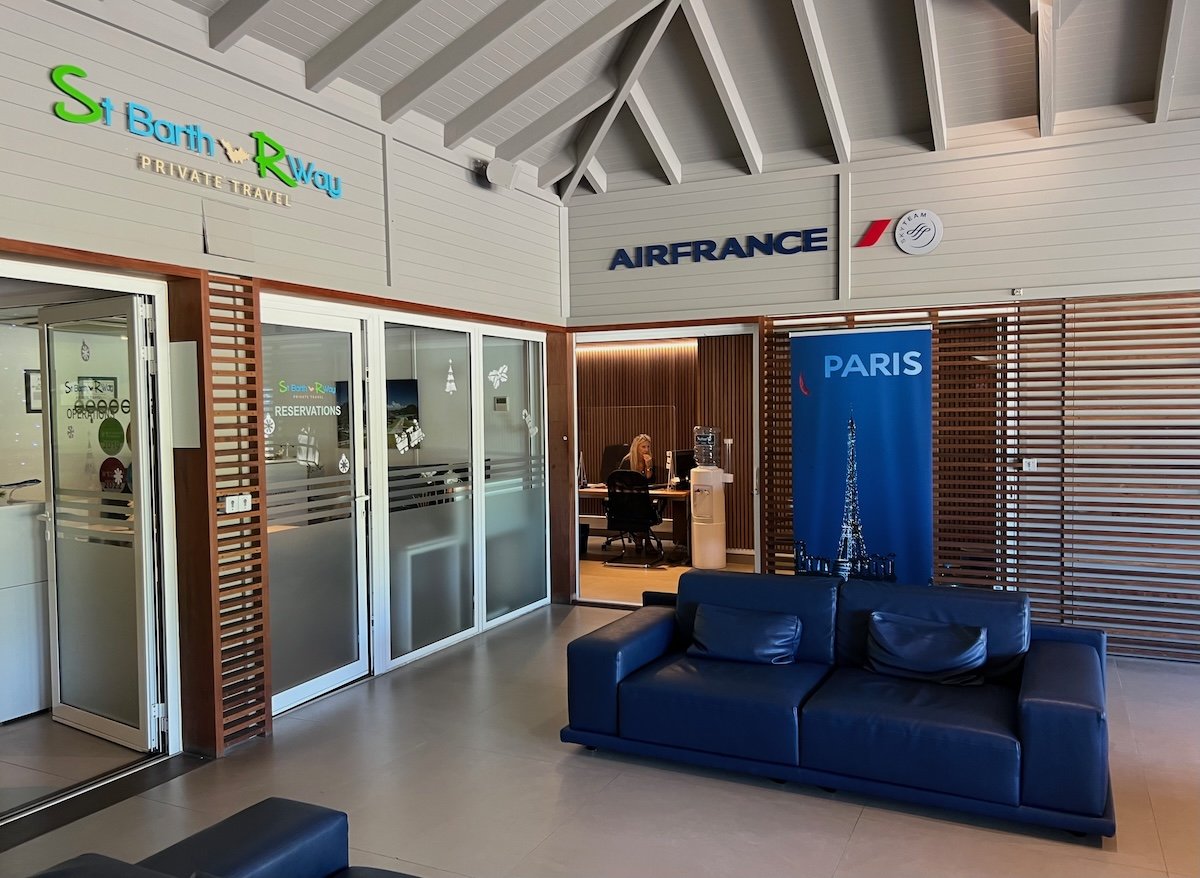
Inside the terminal, the experience remains uniquely charming. The facility is largely open-air, embracing the tropical climate. It features a public-access lounge area where travelers can sit on comfortable sofas while monitoring the apron through floor-to-ceiling windows. There is a total absence of the stressful, high-security bottlenecks found at major global hubs. Passengers can arrive just as boarding begins, pass through a streamlined immigration check, and walk directly onto the tarmac to their waiting aircraft.

Official Responses and Operational Standards
Aviation authorities emphasize that while the runway at Gustaf III is short, it is exceptionally well-maintained. The pilots who fly into St. Barts are often subject to specialized training modules that cover the specific wind patterns and downdrafts created by the surrounding hills.
The "dangerous" reputation is frequently addressed by industry experts who argue that safety is not about the length of a runway, but the adherence to operational envelopes. When pilots respect the strict weight limits and speed requirements of the DHC-6 or the PC-12, the airport functions within a well-defined margin of safety. The use of Flightradar24 and other real-time tracking tools has further democratized this information, allowing both pilots and ground crews to better coordinate movements in the busy airspace.
Implications for Future Travel
As St. Barts continues to grow as a luxury destination, the infrastructure of the airport remains a topic of interest. There is a delicate balance between maintaining the airport’s "vintage" charm and ensuring it can handle the increasing demand for high-end, seamless travel.

For the passenger, the experience of landing in St. Barts is an integral part of the vacation. The "sinking feeling" one gets as the plane dips over the hill is an adrenaline-inducing introduction to the island’s topography. Whether arriving via a short, ten-minute hop from St. Martin or a more comfortable hour-long flight from San Juan, the landing is an event that forces travelers to put down their phones and look out the window.
Conclusion
Gustaf III Airport is a triumph of engineering and pilot skill. It proves that aviation does not always have to be about massive, sterile hubs; sometimes, it is about the grit and beauty of a small strip of asphalt carved into a mountain. For the aviation geek, it is a bucket-list pilgrimage. For the average traveler, it is an unforgettable welcome to the French West Indies.

The airport stands as a testament to the idea that some of the world’s most exciting travel experiences aren’t found in the terminal’s duty-free shops, but in the final seconds of a descent—when the pilot, the machine, and the mountains come together in a singular, perfect moment of flight. If you have the opportunity to visit, take the time to watch the planes. It is, quite simply, one of the most spectacular shows in the Caribbean.