









In the high-stakes world of digital extortion, few groups have risen as meteorically—or as aggressively—as the ransomware collective known as "The Gentlemen." Emerging from the shadows in mid-2025, this Ransomware-as-a-Service (RaaS) operation has rapidly ascended to the second position globally by victim count. By disrupting the industry status quo and offering unprecedented financial incentives, The Gentlemen have transformed from a fringe nuisance into a systemic threat to global enterprise security.
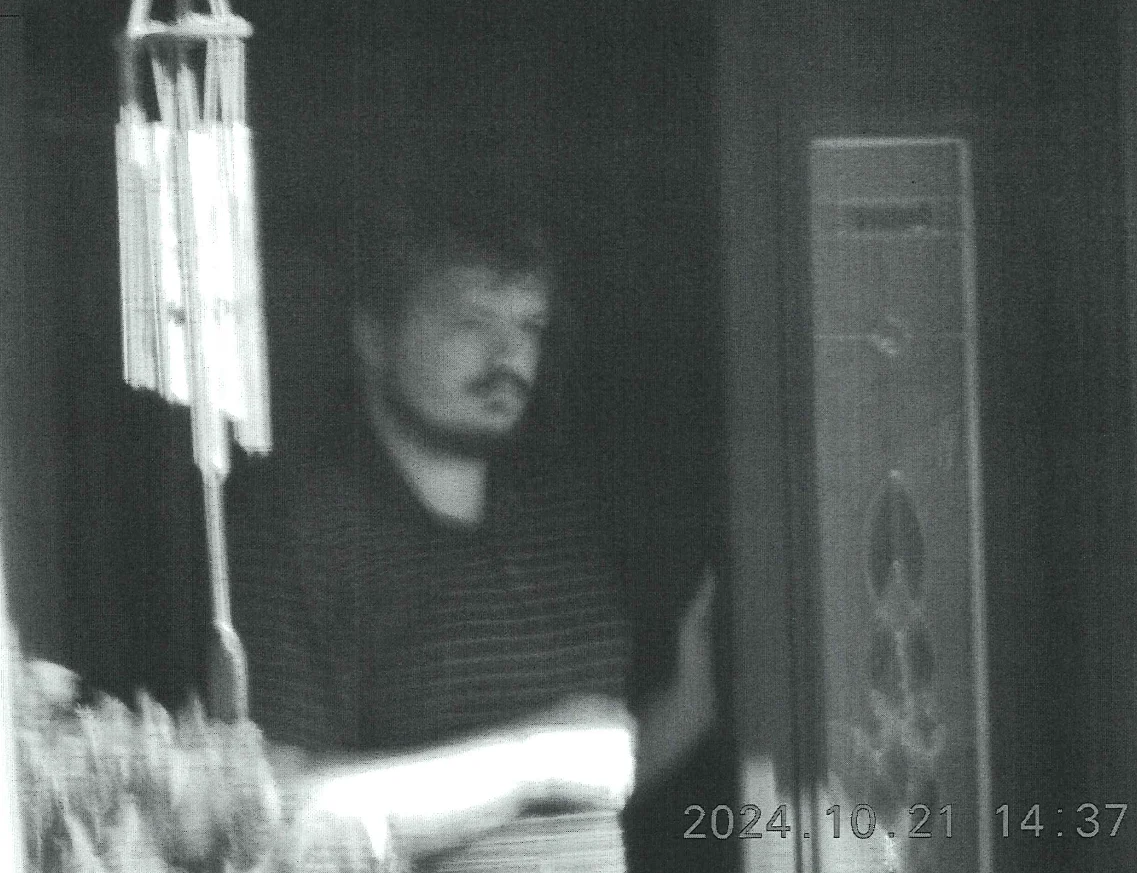
However, the group’s rapid growth has come with a cost: a trail of digital breadcrumbs that has finally led investigators to the doorstep of the individual behind the curtain. Through a combination of infrastructure leaks, OSINT (Open Source Intelligence) investigations, and historical account analysis, security researchers have peeled back the layers of anonymity, pointing to a single individual: Alexander Andreevich Yapaev, a 36-year-old marketing professional based in Izhevsk, Russia.
The Business Model: Disrupting the RaaS Economy
The success of The Gentlemen is not rooted solely in technological sophistication, but in a radical shift in criminal economics. Traditionally, RaaS syndicates operate on an 80/20 revenue split, where the administrator—the person managing the ransomware code, payment portal, and negotiations—retains 20 percent of the ransom, while the affiliate who breaches the network takes 80 percent.
The Gentlemen, however, flipped this model by offering a 90/10 split. This "loss-leader" strategy proved devastatingly effective. It attracted a cadre of highly skilled, battle-hardened hackers from rival programs, incentivizing them to prioritize The Gentlemen’s malware over competing payloads.
According to researchers at Check Point Software, this aggressive recruitment strategy has facilitated at least 332 confirmed attacks since the group’s inception, with over 240 incidents occurring in 2026 alone. The group’s modus operandi is terrifyingly efficient: they focus on exploiting vulnerabilities in internet-facing infrastructure—specifically VPN gateways and firewalls—allowing them to gain a foothold and fully encrypt entire corporate networks within mere hours.
Chronology of an Identity: From Novice to Kingpin
The investigation into the identity of The Gentlemen’s administrator, known by the handles "Zeta88" and "Hastalamuerte," reveals a transition from an amateur enthusiast to a sophisticated cyber-syndicate leader.
2019–2020: The Formative Years
Intelligence gathered by firms such as Intel 471 and Flashpoint indicates that the persona "Hastalamuerte" began appearing on various Russian and English-language cybercrime forums, including Exploit, Breachforums, and Nulled, as early as 2019. During this period, the user was far from a master criminal. Records from a penetration testing training group (@pntst) show the individual struggling to grasp the fundamentals of basic hacking tools, a far cry from the sophisticated operator seen today.
2022: Establishing the Persona
In August 2022, the user "Zeta88" registered on the English-language forum Breached. Forensic analysis of the registration data places the IP address in Izhevsk, Russia—the same geographic footprint associated with the earlier Hastalamuerte accounts.
2025–2026: The Rise of The Gentlemen
By early 2025, the persona solidified its role as an administrator. Following a breach of the group’s internal backend infrastructure, analysts confirmed that Zeta88/Hastalamuerte was responsible for assembling the locker, maintaining the RaaS panel, and managing payment distributions. This role, while lucrative, required constant management and oversight, which ultimately provided the investigative leads that would lead to his unmasking.
The Breadcrumb Trail: Connecting the Dots
The identification of Alexander Yapaev was not the result of a single "smoking gun," but rather the accumulation of hundreds of disparate data points spanning years of online activity.
The Email and Telegram Connection
The email address [email protected] became a central anchor in the investigation. Security service Epieos connected this address to an Apple account and a phone number ending in "04." Simultaneously, the Telegram account associated with the group was tied to the unique ID number 30907522. When investigators at Constella Intelligence pivoted on these identifiers, they unearthed a link to the Russian phone number +79127650004.
The Real-World Identity
This specific phone number serves as the bridge between the digital and physical worlds. It appears in multiple leaked Russian government databases, linked directly to Alexander Andreevich Yapaev. The connection is further reinforced by Yapaev’s social media activity; the phone number was used to register an account on the Russian platform Pikabu under the handle "4apai18," a clear phonetic play on the name "Chapaev."
Most damningly, the email address [email protected], which is linked to the same phone number, leads directly to a public LinkedIn profile. The profile identifies Alexander Yapaev as the head of B2B marketing for Uralenergo Udmurtia, a prominent supplier of electrotechnical equipment in Russia.
The Role of AI in Modern Ransomware
A report from the threat research group PRODAFT, released in June 2026, adds a modern twist to this narrative. The researchers confirmed with "high confidence" that Zeta88/Hastalamuerte has been leveraging artificial intelligence to automate his operations. The AI is reportedly used not only to develop and maintain the ransomware code and auxiliary tooling but also to assist affiliates with post-exploitation tasks, such as drafting extortion emails and navigating corporate network structures. This integration of AI signals a new era in ransomware, where a single administrator can manage a massive, global operation with minimal human support.
Why Russian Cybercriminals Often Remain Exposed
Observers often ask why individuals like Yapaev, who possess the technical acumen to deploy advanced ransomware, would be so careless with their digital footprints. The answer is rooted in a mix of cultural, political, and historical factors.
The "Co-optation" Dynamic
For many Russian hackers, the transition into cybercrime is a gradual process. They start as teenagers or young adults seeking community and status on forums, and over time, they find themselves deeply embedded in a criminal economy that is largely ignored—or even implicitly protected—by the Russian state, provided they do not target domestic entities. This creates a false sense of security. As long as they remain within the borders of the Russian Federation and refrain from attacking the homeland, they often feel insulated from international law enforcement.
The "Early Days" Fallacy
Most cybercriminals do not begin their careers as masterminds. They start as learners, using their real names, personal emails, and home IP addresses to join forums and ask for help. By the time they reach a level of criminal sophistication where operational security (OPSEC) becomes critical, they have often left a permanent, unerasable trail of data that links their professional identities to their criminal ones.
Implications for the Future of Cybersecurity
The case of The Gentlemen and Alexander Yapaev serves as a stark reminder of the limitations of anonymity. While the "ransomware-as-a-service" model allows criminals to scale their operations with ease, it also creates a massive, vulnerable backend infrastructure that is susceptible to leaks.
For the cybersecurity industry, the implications are twofold:
- Attribution is Accelerating: The ability of firms like Check Point, Intel 471, and PRODAFT to synthesize data from across the web means that the "cloak of anonymity" is becoming increasingly thin.
- The Professionalization of Crime: The move by groups like The Gentlemen to adopt corporate-style management, including marketing roles and AI-driven operations, confirms that ransomware is no longer just a hacking problem—it is a business problem.
As of mid-2026, Mr. Yapaev remains at his post at Uralenergo Udmurtia, having declined to comment on the allegations. Whether he will face consequences remains an open question, dependent on the shifting winds of international geopolitics. However, his unmasking proves that in the digital age, even the most "gentlemanly" of criminals cannot outrun their own history.