








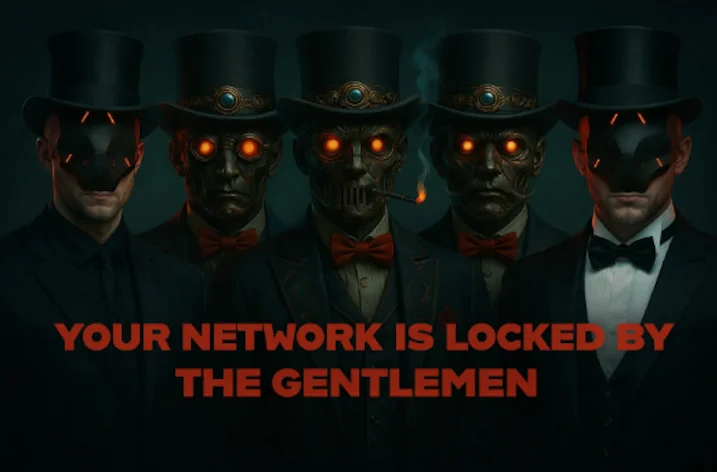
In the shadow-filled landscape of the dark web, few entities have risen with the meteoric speed and predatory efficiency of "The Gentlemen." Emerging as a formidable Ransomware-as-a-Service (RaaS) operation in mid-2025, the group has quickly cemented itself as the second most active ransomware syndicate globally. By rewriting the traditional rules of affiliate economics and leveraging AI-driven development, the group has become a masterclass in modern cybercrime.
However, the veil of anonymity protecting its mastermind has finally been lifted. Through an exhaustive trail of digital breadcrumbs, security researchers have linked the administrator of The Gentlemen—known by the handles "Zeta88" and "Hastalamuerte"—to a seemingly mundane life as a corporate marketing executive in Izhevsk, Russia.
The Economic Engine of ‘The Gentlemen’
The rapid proliferation of The Gentlemen is not merely a product of technical prowess; it is a result of aggressive market disruption. In an industry where the standard revenue split between an RaaS administrator and their affiliates typically hovers around 80/20, The Gentlemen have opted for a "disruptor" model. By offering affiliates a staggering 90 percent of all ransom payments, they have successfully poached top-tier talent from competing criminal enterprises.
Security analysts at Check Point Software, who have been monitoring the group’s operations since its inception, note that this incentive structure has fueled a surge in recruitment. Since mid-2025, the group has claimed at least 332 published victims, with over 240 incidents recorded in 2026 alone.
The modus operandi of the group is characterized by speed and precision. They primarily target internet-facing infrastructure—specifically VPN gateways and firewalls. Once they gain a foothold, their automated toolkits allow them to traverse and encrypt entire corporate networks within a matter of hours, often leaving IT departments scrambling before the breach is even fully detected.
A Chronology of Digital Identity
The deconstruction of the group’s leadership began with the discovery of the administrator’s dual persona: Zeta88 and Hastalamuerte. Intelligence firm Intel 471 and breach-tracking service Constella Intelligence provided the crucial data points that allowed researchers to trace these monikers back to a singular physical entity.
2019–2020: The Formative Years
The journey of the individual behind these handles began in the low-level forums of the Russian cyber-underground. Between 2019 and 2020, "Hastalamuerte" was not an elite threat actor, but rather an aspiring hacker struggling to gain credibility. Records indicate that in June 2020, the user enrolled in an entry-level penetration testing training program on Telegram, where they were documented asking novice-level questions about basic security tools.
2022–2025: The Shift to Sophistication
By August 2022, the user had adopted the handle "Zeta88," registering on English-language forums from an IP address in Izhevsk. During this period, the persona began to harden. The use of the email address [email protected]—incorporating a numeric white supremacist dog whistle—linked the account to an Apple ID and a specific mobile number ending in "04."
2026: The Rise of the RaaS Administrator
Following a breach of the group’s internal backend infrastructure, the correlation between the administrator’s administrative panel and the historical records of "Hastalamuerte" became undeniable. The administrator was found to be the sole architect of the ransomware locker, the primary manager of the affiliate payment system, and the beneficiary of the remaining 10 percent of ransom proceeds—a position that provided significant financial incentive to maintain the operation.
The Identity Behind the Screen: Alexander Yapaev
The breakthrough in identifying the individual came from cross-referencing telecommunications data with social media footprints. The Telegram ID associated with the "Hastalamuerte" account (30907522) was tied to a Russian phone number: +79127650004.
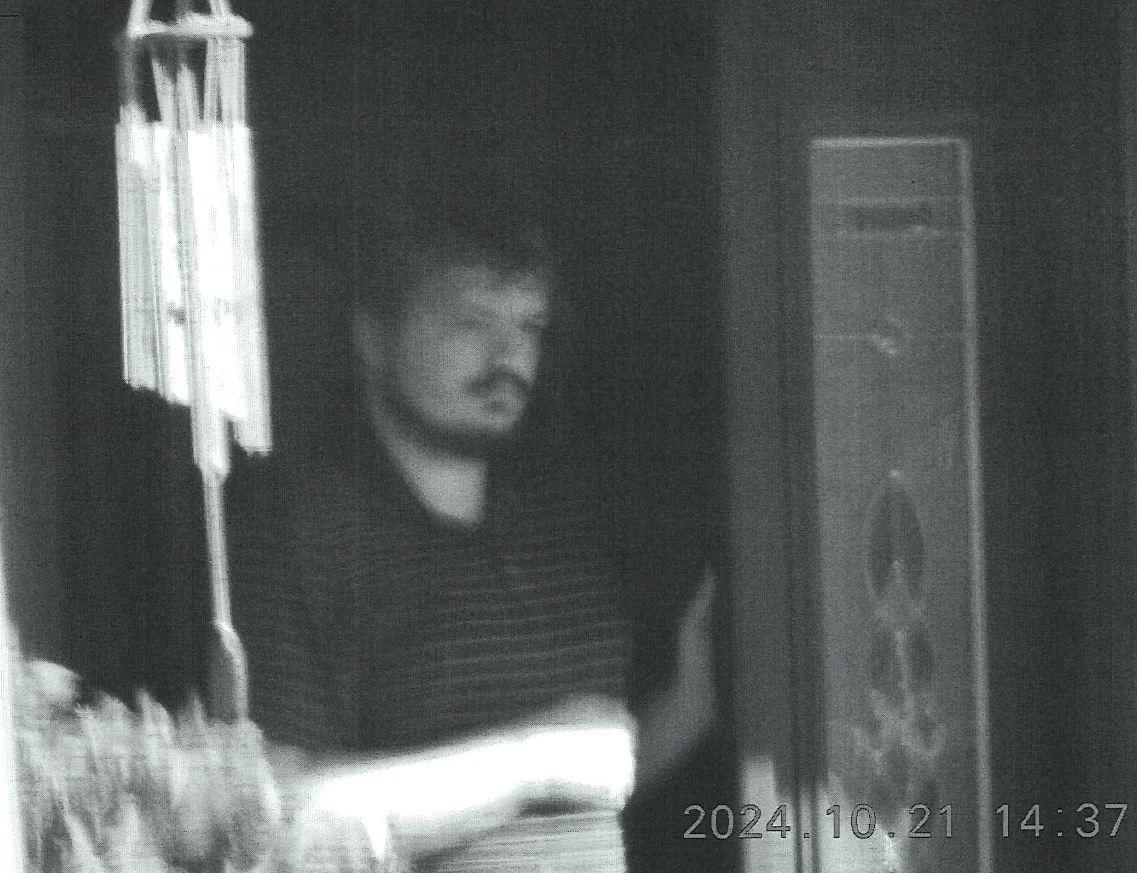
Pivoting on this number, investigators unearthed registration records in leaked Russian government databases identifying the owner as Alexander Andreevich Yapaev, a 36-year-old resident of Izhevsk. The trail further solidified when researchers discovered:
- Social Media Footprints: The phone number was used to register an account on the Russian platform Pikabu under the handle "4apai18," a phonetic play on the name "Chapaev."
- Professional Parallels: Public records linked the email [email protected]—frequently used by the suspect—to a LinkedIn profile for an Alexander Yapaev. The profile lists him as the Head of B2B Marketing for Uralenergo Udmurtia, a prominent industrial supplier in the Udmurt Republic.
- Historical Consistency: Older forum posts from 2020 on the Codeby hacking forum showed the user originally registering as "Alexandr 4apaev," confirming the long-term use of the name that would eventually be linked to his legitimate professional career.
The Role of AI in Modern Ransomware
A critical update provided by the threat research group PRODAFT reveals that The Gentlemen are at the forefront of the AI arms race. The administrator (Zeta88/Hastalamuerte) has reportedly integrated artificial intelligence into the group’s workflow.
This AI utilization is two-fold:
- Code Development: The administrator uses AI to write and refine malicious scripts, ensuring that their ransomware remains elusive to signature-based detection software.
- Operational Efficiency: AI is being used to assist in post-exploitation activities, helping the group analyze stolen data and prioritize high-value targets within a compromised network.
This evolution confirms that the group is not merely a collection of digital vandals, but a sophisticated, technologically advanced organization capable of adapting to modern cyber-defenses in real-time.
Official Responses and Inquiries
As of this publication, Alexander Yapaev has not responded to multiple requests for comment regarding his alleged double life. The companies linked to his digital identity, including his current employer, have yet to issue a statement.
The lack of response is not unexpected in the current climate of Russian cybercrime. Historically, the Russian government has adopted a policy of "controlled impunity." So long as hackers do not target domestic Russian infrastructure, they often operate with a degree of insulation from international law enforcement, provided they remain within the country’s borders.
Implications for Global Cybersecurity
The unmasking of the leader of The Gentlemen serves as a sobering reminder of the "normalization" of cybercrime. The transition of an individual from a marketing executive into one of the world’s most prolific ransomware administrators highlights a troubling trend: the democratization of high-level cyber-attack capabilities.
1. The "Marketing" of Malware
The Gentlemen’s success proves that ransomware is now treated like a traditional SaaS business. By treating hackers as "affiliates" and providing them with superior compensation and technical support, they have professionalized the ransomware supply chain.
2. Operational Security (OPSEC) Failures
The case also demonstrates that even the most "successful" criminals are prone to catastrophic OPSEC failures. By using personal email addresses, real phone numbers, and cross-pollinating pseudonyms across a six-year period, the individual now identified as Yapaev left a trail that would be visible to any intelligence agency or persistent security researcher.
3. The Future of Attribution
This case study is likely to influence how security firms approach attribution in the future. As AI becomes a standard tool for both attackers and defenders, the "cat and mouse" game will shift toward behavioral analysis and deep-dive digital forensics.
While the "Gentlemen" may continue their operations, the exposure of their administrator signals that the days of total anonymity for high-level RaaS operators are numbered. For businesses worldwide, the takeaway is clear: the threat is not just a faceless code-bot—it is a human operator with a job, a life, and a digital history that can, and will, be traced.