







Across the United States, the skyline is increasingly dominated by glass-paneled luxury high-rises and master-planned "built-to-rent" communities. While these developments capture headlines and investment capital, a critical piece of the American housing ecosystem is quietly evaporating: the "starter rental."
For decades, modest one-to-three-bedroom ranch houses, studio apartments, and rooms in shared dwellings served as the essential first rung on the housing ladder. These affordable units provided college graduates, new arrivals, and entry-level workers with the stability needed to build savings and establish credit. Today, that rung is broken. As rents climb and entry-level inventory is squeezed out of the market, the consequences are rippling through the economy, forcing a record number of young adults back into their parents’ homes.
However, a new opportunity is emerging for "mom-and-pop" landlords—the small-scale investors who still own the vast majority of the nation’s single-family rentals. By pivoting to creative, density-focused strategies, these investors are not only filling a massive supply gap but are also discovering new avenues for robust cash flow in a high-cost environment.
The Quiet Demise of the Starter Rental: A Chronology of Decline
To understand the current crisis, one must look at the historical trajectory of low-cost housing. The decline of the starter rental is not a sudden phenomenon but a trend decades in the making.
1970–1990: The Loss of Density
The erosion of low-cost, flexible housing began in the late 20th century. According to data from Pew Research, nearly one million Single Room Occupancy (SRO) units—historically the most affordable form of housing for single, low-income urban dwellers—were destroyed or converted between 1970 and 1980. This was largely driven by city-level initiatives that prioritized "urban renewal" over the preservation of existing, albeit aging, housing stock.
2014–2024: The Great Reset
The last decade marked the most aggressive shift in the rental landscape. According to a 2026 report from Harvard’s Joint Center for Housing Studies, the number of rental units priced under $1,400 per month plummeted by 9.3 million units between 2014 and 2024. Simultaneously, the inventory of units priced at $1,400 or higher expanded by 11.8 million.
This statistical swap confirms a painful reality: the market has not necessarily "lost" housing, but it has systematically replaced affordable, entry-level residences with high-end, luxury-priced inventory.
2025–Present: The "Boomerang" Generation
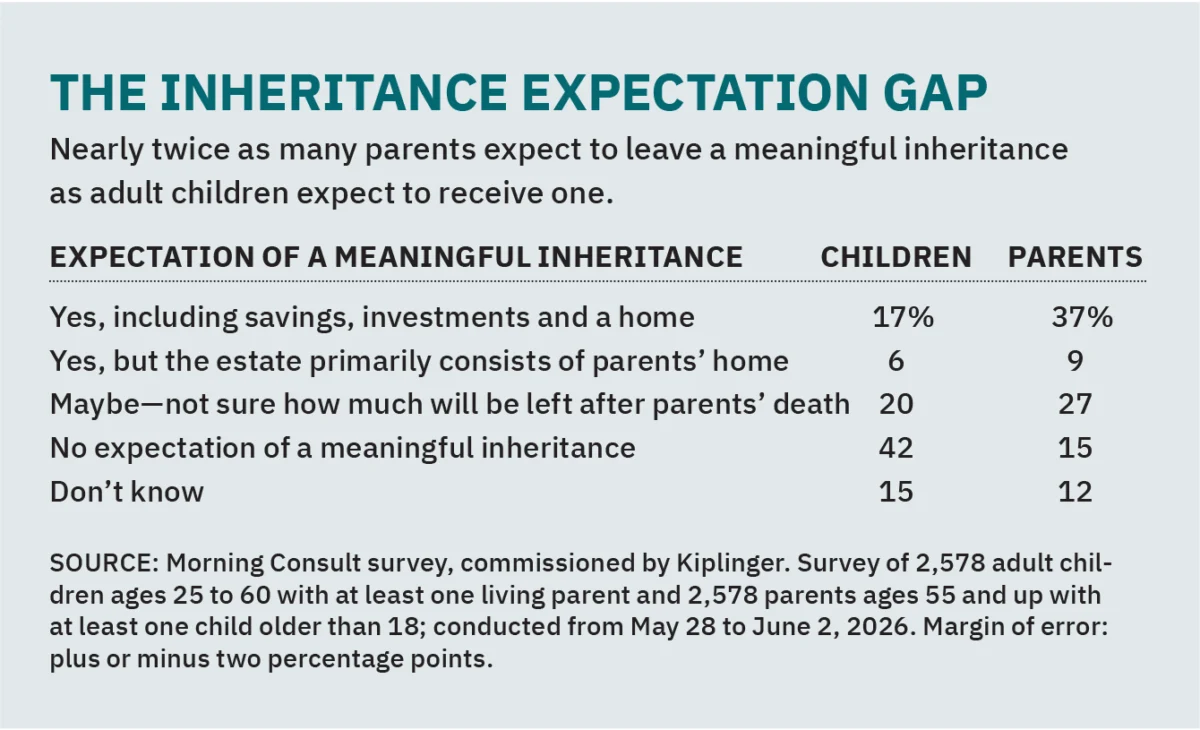
The current moment is defined by the consequences of this supply shift. With affordable options essentially priced out of reach for the median earner, the "starter" market has moved from the private rental sector back into the family home. Current surveys suggest that nearly 60% of young adults who initially moved out of their parents’ homes have since moved back, citing affordability as the primary driver.
Supporting Data: The Math of the Affordability Gap
The decline in affordability is stark when adjusted for inflation. In 1990, roughly 50% of all U.S. rental units were priced under $600 a month in today’s dollars. By 2017, that share had fallen to 25%, and it has continued a downward trajectory ever since.
The economic impact is best summarized by the displacement of the "middle-renter." As Jiayi Xu, an economist at Realtor.com, notes: "An affordable entry-level rental gives a young household the financial breathing room to build savings, establish credit, and accumulate the down payment that makes homeownership possible."
When that breathing room is removed, the entire lifecycle of housing wealth creation is disrupted. The reliance on parental housing, while a necessary stopgap, prevents young adults from entering the labor market with the mobility they need, often forcing them to remain in geographic areas that may not offer the best long-term economic prospects.
Official Responses and Policy Shifts
The deepening housing crisis has forced a dramatic pivot in legislative thinking. After years of restrictive zoning that favored single-family detached homes, municipal governments are now scrambling to re-legalize density.
Legislators at both the state and local levels are increasingly viewing the deregulation of "missing middle" housing as a public health and economic necessity. Key policy shifts currently gaining momentum include:
- ADU Legislation: Many states are moving to preempt local zoning laws that historically banned Accessory Dwelling Units (ADUs), making it easier for homeowners to build backyard cottages or garage apartments.
- Basement and Attic Conversions: Cities like New York and others are launching pilot programs to streamline the legalization of basement apartments, provided they meet modern safety codes.
- SRO Revitalization: Recognizing that the destruction of SROs was a policy error, urban planners are now discussing "modern SROs"—micro-units with shared kitchen and bathroom facilities—as a legitimate solution for workforce housing.
- Commercial-to-Residential Conversions: With the office market struggling post-pandemic, many jurisdictions are offering tax incentives for investors who convert outdated commercial spaces into high-density residential micro-units.
The Mom-and-Pop Advantage: Why Small Landlords Are Key
Despite the noise surrounding large, institutional "built-to-rent" firms, the backbone of the American rental market remains the individual investor. Roughly 90% of single-family rentals are owned by individuals or small entities holding fewer than 10 units.
Brandon Roberts, co-owner of Signature Real Estate Group and a prominent voice in the Nevada real estate community, emphasizes that these small-scale owners are the true providers of the most affordable housing in the country. "The vast majority of rental housing in this country isn’t owned by large institutions," Roberts noted in a recent op-ed. "It’s owned by individuals, our friends, family, and neighbors. These landlords provide roughly 40% of all U.S. rental housing."
Because these landlords are closer to the ground, they have a unique ability to adapt to local demand in ways that large institutional portfolios cannot.
Strategic Implications: How to Profit While Filling the Gap
For the savvy investor, the disappearance of the starter rental is not a sign to exit the market, but a signal to change strategies. The following methods offer a roadmap for maintaining cash flow while providing the lower-cost housing the market desperately needs.
1. The "Rent-by-the-Room" Model
Moving away from the traditional 12-month lease for a single family, investors can shift to renting by the room. This can take the form of formal co-living spaces or workforce housing. While this approach increases the management intensity—requiring more frequent tenant turnover and property maintenance—the gross income potential is significantly higher than a traditional single-family rental.
2. The ADU Expansion
For investors with sufficient lot size, building an ADU is arguably the most efficient way to increase yield. By utilizing "special mortgages" designed for property improvements, landlords can add a second income stream to an existing property without needing to purchase new land. The rent from an ADU can often cover a significant portion of the primary mortgage, effectively insulating the investor from market volatility.
3. Interior Partitioning and Adaptive Reuse
Investors are increasingly looking at underutilized spaces within their existing portfolios. Converting a basement or a garage into a legal, safe living space allows for the creation of an additional unit. The key here is adherence to local building codes; by investing in fire safety and proper egress, landlords can turn "dead" square footage into a premium revenue generator.
4. Capitalizing on Zoning Reform
The most successful investors in the coming years will be those who track zoning changes in their local municipalities. In cities where ground-floor retail is being rezoned for residential use, investors can acquire and convert spaces into micro-units or live-work setups. These units are highly attractive to the demographic currently being priced out of the luxury market, ensuring high occupancy rates and long-term stability.
Final Thoughts: The Path Forward
The "starter rental" may be disappearing in its traditional form, but its function is being reinvented. The transition from the era of the "single-family starter home" to a more flexible, high-density rental market is an inevitable response to the modern economic landscape.
For landlords, this is an era of opportunity. By aligning their portfolios with the urgent need for affordable, accessible housing, investors can secure their own financial futures while contributing to the stability of the housing market. Whether through ADUs, room rentals, or the adaptive reuse of commercial space, the potential to turn a profit while solving the housing crisis has never been greater.
The market is currently rewarding those who can pivot. For those willing to embrace the change, the rewards—in both cash flow and community impact—are substantial. The first rung of the housing ladder may look different than it did in 1990, but it is being rebuilt, one small-scale investment at a time.