








For frequent flyers and aviation enthusiasts, the long-awaited debut of American Airlines’ Airbus A321XLR fleet has been a study in both excitement and frustration. While the aircraft—a cutting-edge, long-range, narrow-body marvel—began gracing the skies in late 2025, a key promised feature remained conspicuously absent: the privacy doors on the new business-class suites.
After months of regulatory limbo, the Federal Aviation Administration (FAA) has finally granted the necessary certification for these doors to be operational. However, in a move that highlights the complexities of modern aviation maintenance and regulatory compliance, the transition to "full privacy" mode will be a slow, phased rollout rather than an overnight fleet-wide update.
The Core Developments: What Has Changed?
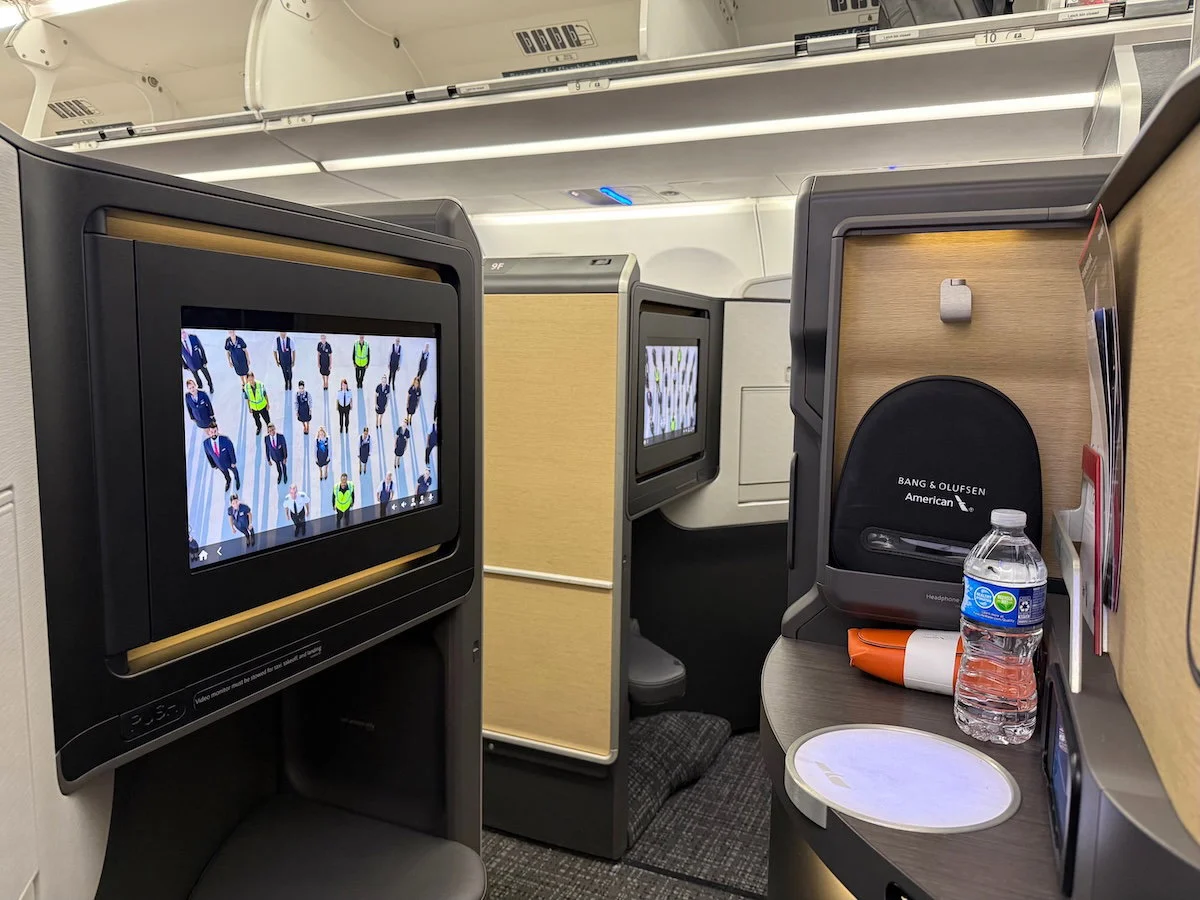
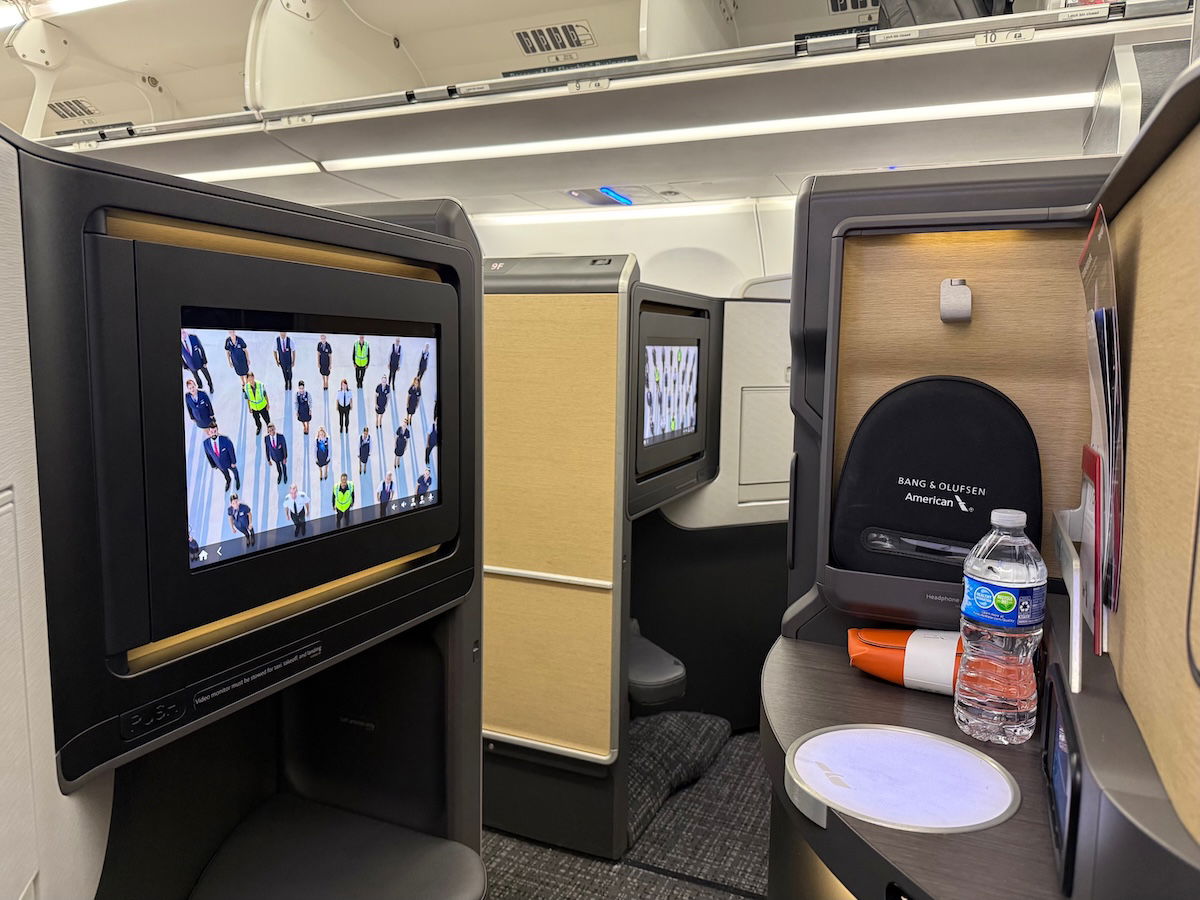
For the first time since the aircraft entered service, passengers will be able to enjoy the full functionality of their business-class suites. Previously, the doors were physically present but electronically or mechanically locked, rendering them essentially decorative.
According to reports, the FAA has officially cleared the design for use, meaning the hardware is now considered compliant with safety and emergency egress standards. The first aircraft to receive the "unlock" treatment is N302NY, the newest addition to American’s A321XLR fleet.
This certification marks a significant milestone for American Airlines, which has been under pressure to deliver the premium experience it marketed for its transcontinental and select long-haul routes. While the doors are not a structural necessity for flight safety, they are a primary selling point for the airline’s premium cabin strategy, aiming to compete with the high-end, private-suite products offered by global competitors.
A Chronology of Compliance: From Delivery to Certification
The path to this moment has been anything but straightforward. The timeline of the A321XLR’s entry into service has been marred by the typical "teething issues" associated with new aircraft platforms, compounded by stringent modern seat certification requirements.
- Late 2025: American Airlines begins taking delivery of its first A321XLR units. Expectations are high, as the airline markets the aircraft as the future of its premium transcontinental product.
- Post-Delivery Phase: Passengers board the aircraft to find that while the suites are spacious and modern, the advertised privacy doors are secured in a fixed position. Reports from passengers and crew confirm that the airline is prohibited from operating the doors during flight.
- The Regulatory Lull: Throughout the winter of 2025 and early 2026, the industry observes a period of silence regarding the certification status. Aviation experts note that seat certification has become a major bottleneck in the aviation industry, with manufacturers and airlines struggling to meet the FAA’s evolving standards for passenger safety and rapid evacuation.
- February 2026: Confirmation emerges that the FAA has cleared the design. American Airlines begins the technical process of unlocking the doors, starting with the most recently delivered airframe.
- The "Fall" Rollout: The airline confirms a phased approach, where the remaining five aircraft in the current A321XLR fleet will have their doors activated incrementally through the autumn of 2026.
The Regulatory Hurdles: Why Seat Certification Is a "Pain"
To understand why a door—a relatively simple mechanical component—requires months of certification, one must look at the rigorous requirements set by the FAA. In the wake of high-profile aviation safety reviews, the agency has tightened its scrutiny of cabin interiors.
The primary concern is not privacy, but emergency egress. In the event of a rapid decompression or an emergency landing, every second counts. The FAA must ensure that if a passenger is in a "suite" with a closed door, that door will either automatically retract, break away, or be easily overridden by a flight attendant during an evacuation.
Because the A321XLR is a narrow-body aircraft, the cabin layout is tighter than on wide-body jets. This creates a more complex environment for the FAA to certify, as they must account for how these doors might impede the flow of passengers during an emergency. If the door mechanism fails in the "closed" position, it could theoretically trap a passenger, leading to the stringent testing protocols that delayed the rollout.
Staffing Implications: The Hidden Cost of Privacy
One of the most interesting revelations regarding these suites is the impact they have on cabin crew staffing. Under federal regulations, the presence of private suites with doors requires a higher level of oversight.
Generally, an airline is required to have one flight attendant for every 50 passengers. However, the presence of partitions or doors that can segment the cabin creates additional requirements. American Airlines currently staffs these A321XLR flights with five flight attendants. While this number happens to meet the regulatory minimum for a plane with 155 seats and door-equipped suites, it highlights the operational overhead associated with premium features.
If American were to increase capacity or change the configuration in the future, the cost of staffing would rise proportionally because of the "privacy" factor. It is a classic aviation trade-off: luxury amenities often come with a hidden "tax" in terms of labor requirements and regulatory scrutiny.
The Broader Industry Context
American Airlines is not alone in its struggle with seat certification. In fact, compared to some of its rivals, American has arguably had a smoother path.
- United Airlines: The carrier has faced significant, ongoing delays in getting its new Dreamliner business-class seat doors certified. The frustration among frequent flyers has been palpable, as the aircraft fly with "locked" or "inactive" premium hardware for extended periods.
- Delta Air Lines: Perhaps the most dramatic case, Delta recently faced such significant hurdles with its new A321neo seats that it reportedly considered abandoning its current seat manufacturer entirely. This signals a systemic issue in the industry where cabin interior suppliers are struggling to keep pace with the FAA’s current standards for certification.
These struggles demonstrate that the bottleneck is not just at the airline level, but at the manufacturer level. The complexity of modern business-class seats—which include high-tech entertainment systems, complex mechanical hinges, and fire-retardant materials—makes every minor design change a potential multi-month regulatory project.
The Path Forward: What Passengers Can Expect
For passengers booking American Airlines in the coming months, there is a degree of "luck of the draw." Because the rollout is phased, travelers cannot be entirely certain if their specific flight will feature an "unlocked" door experience until the entire fleet is fully activated in the fall.
The airline’s decision to involve "Tech Ops" (Technical Operations) for every aircraft indicates that this is not a simple software toggle. It involves physical maintenance, inspections, and potentially minor hardware adjustments to ensure the doors comply with the final FAA-approved operational procedures.
Summary of Implications
- For the Passenger: The long-promised privacy is finally arriving, but it will be a gradual arrival. Those flying on newer A321XLR deliveries are more likely to have the feature enabled.
- For the Airline: The activation process represents the end of a logistical headache, but the phased rollout ensures that service levels remain consistent while maintenance teams work through the fleet.
- For the Industry: The ordeal underscores a broader trend of "certification fatigue." Airlines may become more conservative in their future seat designs, favoring simpler, non-door configurations to avoid the massive delays and regulatory costs currently associated with private suites.
Ultimately, while privacy doors may not be a complete "game changer" for the average transcontinental flyer, they are an essential component of the modern premium experience. As American Airlines moves through its phased activation, the A321XLR is finally beginning to live up to the promise it made to the flying public: a long-range, narrow-body plane that offers the same comfort and seclusion as its larger, long-haul counterparts.
For now, travelers are advised to temper their expectations until the fall of 2026, when the entire fleet is expected to reach full operational status. Until then, the "unlocked" door will be a welcome, if slightly sporadic, bonus for those lucky enough to be flying on the carrier’s most modern iron.