









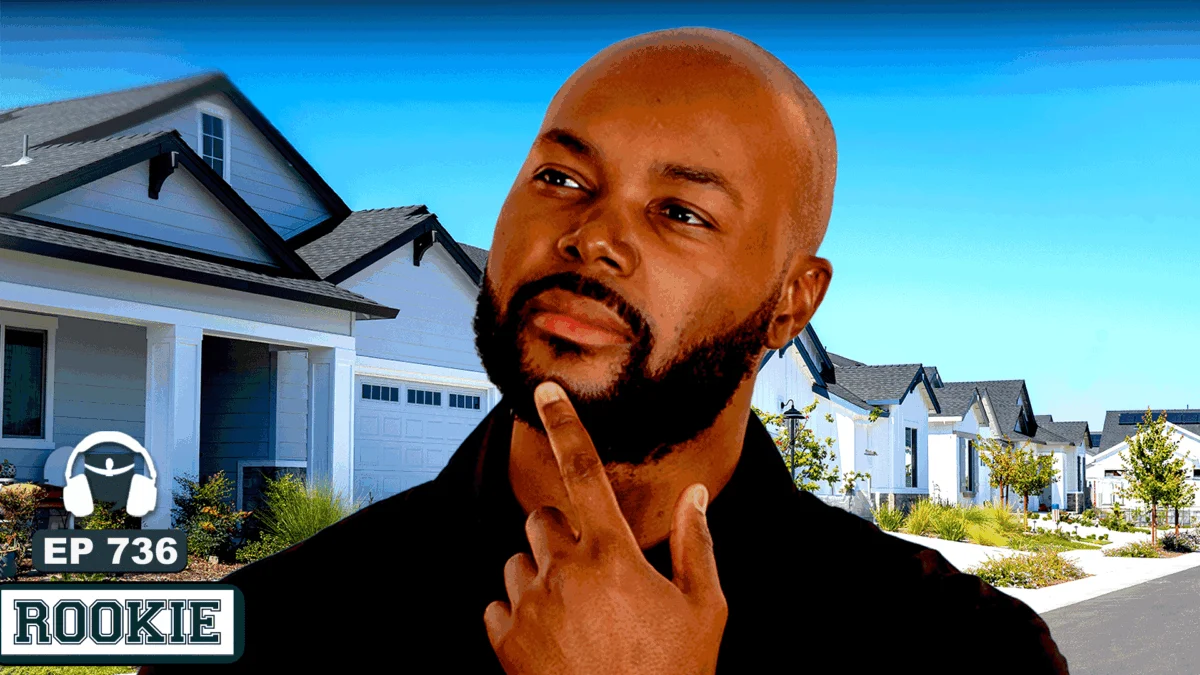
Every real estate investor, from the novice browsing the forums to the seasoned mogul managing a multi-state portfolio, will eventually face a moment of reckoning. It is the "Oh no" moment—that point in a project where the numbers stop adding up, the timeline stretches thin, or the reality of a partnership begins to fray. In the latest episode of the Real Estate Rookie podcast, hosts Ashley Kehr and Tony J. Robinson pull back the curtain on three high-pressure scenarios that keep new investors awake at night: the "underwater" flip, the messy partnership, and the post-closing panic.
Main Facts: The Reality of Rookie Risks
The landscape of real estate investing is rarely as smooth as the HGTV specials suggest. As interest rates fluctuate and market conditions shift, many investors find themselves caught in the middle of projects that were profitable on paper but are failing in practice.
The core issues addressed in this episode center on three pillars of the industry:
- Capital Preservation: How to handle a flip that no longer yields a profit.
- Structural Integrity of Partnerships: The legal and operational nuances of splitting equity when one party brings cash and the other brings "sweat equity."
- Operational Readiness: The critical first 30 days after closing on a rental property.
These are not merely hypothetical scenarios; they represent the most common pain points discussed on the BiggerPockets forums. For many, the transition from "aspiring investor" to "active landlord" is fraught with administrative and emotional hurdles that can lead to significant financial loss if not managed with precision.
Chronology: A Roadmap for Crisis Management
The hosts break down these scenarios into actionable chronological steps, emphasizing that panic is the enemy of profit.
Phase 1: The "Underwater" Flip
When an investor realizes a property won’t break even, the immediate urge is to sell and run. However, Kehr and Robinson argue for a cold, analytical assessment.
- The Math: Investors must calculate the total cost of exiting (selling at a loss) versus the cost of holding (refinancing and renting).
- The Pivot: If the property can generate positive cash flow as a long-term or short-term rental, it may be wiser to hold.
- Negotiation: Robinson shares a personal anecdote of a flip that took over a year to sell. By maintaining communication with private money lenders and restructuring the note, he was able to avoid writing a massive check at closing, essentially "spreading out" the loss over time.
Phase 2: Defining the Partnership
The "handshake deal" is a common trap for beginners. The hosts emphasize that before any money changes hands, the roles must be explicitly defined. The key missing element in most partnership questions is the debt. Who is signing for the mortgage? Who carries the credit risk?
- The 50/50 Myth: While 50/50 splits are common, they must account for the ongoing responsibility of property management versus the passive nature of providing capital.
- The "Date First" Strategy: Instead of immediately forming an LLC, the hosts recommend using a Joint Venture (JV) agreement to test the waters on the first deal.
Phase 3: The First 30 Days
Once the keys are in hand, the race against time begins. The transition from "buyer" to "landlord" requires immediate action.
- Immediate Priorities: Insurance must be in place before closing, not after. If it was missed, it is the absolute first order of business.
- Systematization: Investors should immediately document the property—where the water shutoff is, where the electrical panel is, and maintaining a digital log of utility accounts and logins.
Supporting Data and Financial Analysis
The episode underscores the importance of the "Pareto Principle"—the 80/20 rule. In property management, 20% of your actions will yield 80% of your stability.
For the investor struggling with a potential loss, the analysis must be binary:
- Option A (Sell): What is the net cash impact today? Can I afford to lose $X?
- Option B (Hold): What is the monthly debt service? What is the projected rental income? Is the "cash-on-cash" return superior to the guaranteed loss of a sale?
The hosts highlight that the "loss" isn’t always a failure; it is often the cost of tuition in the school of real estate. Robinson’s own experience of selling a property $30,000 under asking price serves as a cautionary tale—even experienced investors face market volatility. The goal is not to be perfect, but to be prepared to mitigate the damage.
Official Guidance: Expert Recommendations
Kehr and Robinson offer specific, practical advice for listeners navigating these crises:
- Document Everything: Kehr recommends creating a "Unit Information Sheet" for every property. Having a central repository for utility contacts, account numbers, and physical property characteristics (like roofing type and age) is essential for long-term management.
- Get it in Writing: Regarding partnerships, the hosts stress that agreements must be memorialized. Whether it’s a formal partnership agreement or a simple JV contract, clarity prevents future litigation and preserves friendships.
- Don’t Choose One or the Other: When asked if one should prioritize setting up systems or finding tenants, the answer is "do both." Efficiency is found in simultaneous execution. While listing the unit on platforms like Facebook Marketplace, use the wait time to dial in the legal structure and insurance policies.
Implications for the Modern Investor
The implications of these discussions are clear: Real estate investing is an active business, not a passive stream of income, especially at the start.
The Market Shift
The hosts acknowledge that we are in a different market environment than in previous years. With higher interest rates and cooling demand, the "easy money" phase of house flipping has largely evaporated. Investors who entered the market expecting quick, guaranteed returns are now facing a reality check. The implication is that due diligence is more critical than ever. An investor who doesn’t understand their "exit options" before they buy is essentially gambling.
The Professionalization of the Rookie
The most significant takeaway from the episode is the shift in mindset required to succeed. Moving from "Rookie" to "Pro" isn’t about the number of doors owned; it’s about the systems implemented.
- Risk Mitigation: By understanding the weight of debt-to-income ratios and personal liability in partnerships, the investor protects their primary asset—their credit and their capital.
- Emotional Detachment: The "bleeding" feeling described in the episode is a common emotional response to financial loss. The hosts urge listeners to strip the emotion out of the numbers. If the numbers say to sell, you sell. If the numbers say to hold, you hold. The market does not care about the "five months of hard work" you poured into a renovation; it only cares about the current value and the future cash flow.
Conclusion: Lessons for the Road Ahead
For those listening to The Real Estate Rookie, the message is one of empowerment through preparation. Whether you are dealing with an underwater flip, forming your first partnership, or staring at a set of keys with no plan for the first 30 days, you are not alone.
The journey of an investor is paved with these "crisis" moments. By viewing them as necessary educational experiences—and by using the resources provided by platforms like BiggerPockets—the rookie investor can navigate the storms of the current market. As Tony J. Robinson aptly noted, there is no single "right" way to handle these problems, but there are definitely wrong ways—and the most common one is failing to have a plan before the pressure sets in.
If you find yourself in these shoes, remember: run the numbers, get it in writing, and always prioritize the safety of your investment through proper insurance and systems. The next deal will be better, provided you learn the lessons of the current one.