







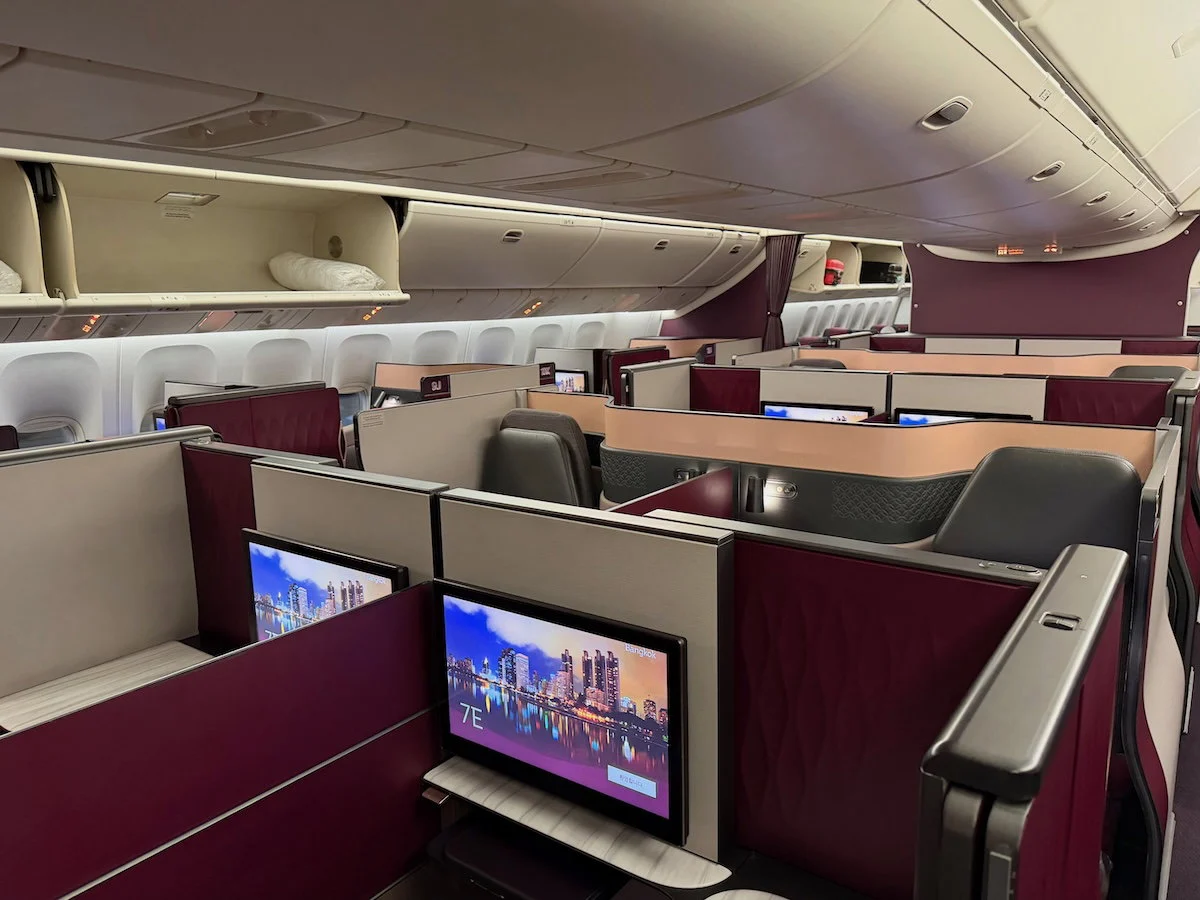
The high-altitude serenity of a premium cabin is predicated on a social contract: passengers pay a significant premium for peace, privacy, and professional service. However, that contract is fragile, easily shattered by the volatile behavior of a single disruptive individual. A recent incident aboard a Qatar Airways Qsuites flight to Jakarta has sparked a broader conversation regarding passenger safety, the limitations of in-flight authority, and the growing anxiety surrounding confrontational behavior in the skies.
A frequent traveler, who requested anonymity due to the sensitive nature of the encounter, shared a harrowing account of being verbally accosted by a fellow passenger in business class. The incident highlights the precarious position of cabin crew members who, despite their best efforts, often find themselves hamstrung by corporate policies that prioritize flight schedules over the immediate removal of disruptive individuals.
A Chronology of Escalation: From Noise to Threat
The passenger, a seasoned traveler who reports flying approximately 150 to 160 times per year—often to high-risk environments for his professional work—described a situation that spiraled rapidly despite the proactive intervention of the flight crew.
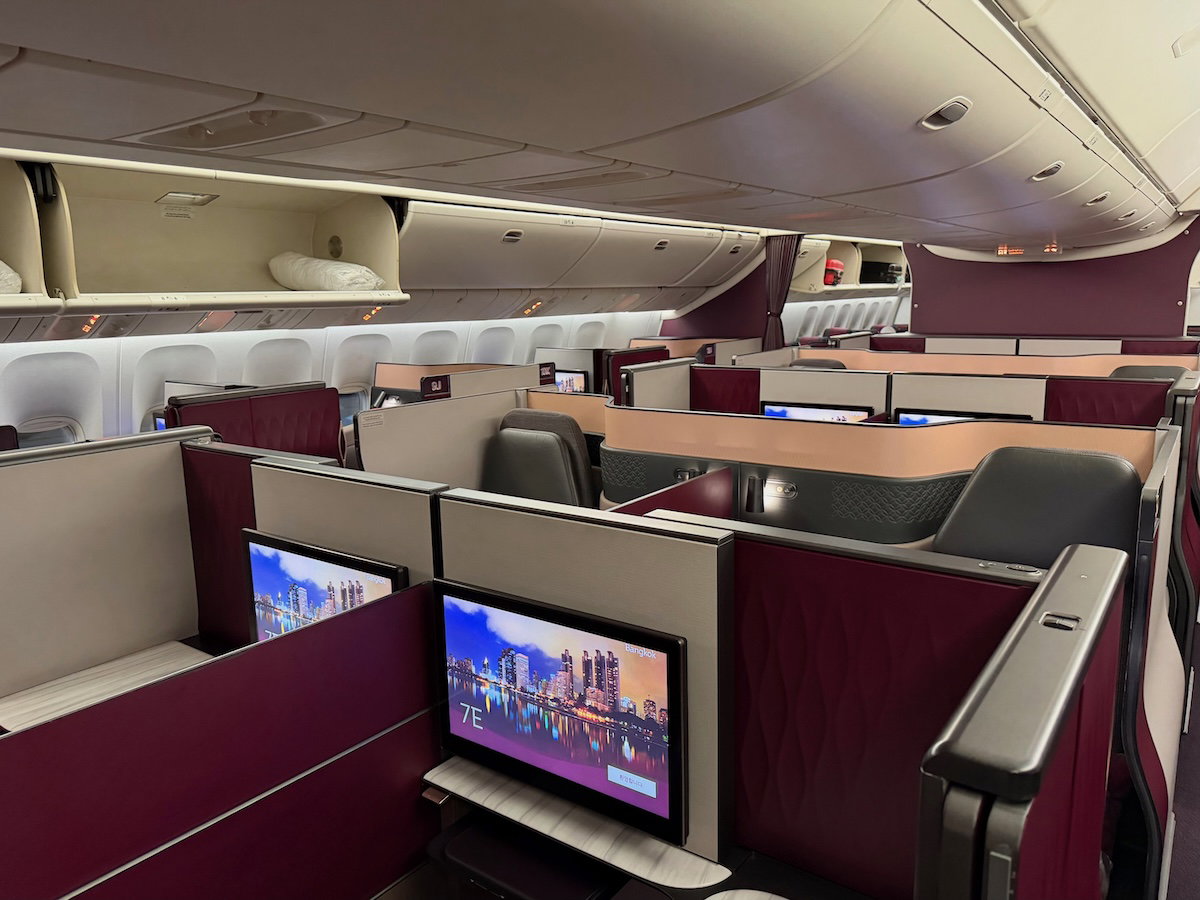
According to the account, the trouble began shortly after boarding. A group of six passengers occupied the center section of the business class cabin in rows 8, 9, and 10. Despite the early hour—approximately 2:00 AM—the group maintained a volume level that was disruptive to the entire cabin.
“I had a truly excellent crew, which I knew off the bat,” the passenger noted. The cabin crew attempted to mediate early, requesting that the group lower their voices. While the initial request was met with a temporary, performative compliance, the disruption resumed almost immediately.
As the aircraft began its pushback sequence, the situation intensified. Members of the group began wandering the aisles, ignoring standard safety protocols. The witness, attempting to maintain his personal space and the quietude expected in a premium cabin, politely asked the group to remain seated as the plane moved. This request served as a flashpoint.
One individual from the group reportedly approached the passenger, standing within a foot of his seat, and began screaming. The verbal assault included the directive to "shut your f**king mouth," followed by the claim that the passenger was "not the commander." The aggressor continued to hover and shout until cabin crew intervened to force him back to his seat.
The Professional Dilemma: When Policy Stifles Action
The incident raises significant questions about the operational mandates provided to flight crews. Following the outburst, the victimized passenger consulted with the purser regarding the possibility of returning to the gate. While the crew was reportedly apologetic and empathetic, they informed the passenger that their internal policy dictated that unless an altercation becomes physical, they are limited in their ability to forcibly remove a passenger or return the aircraft to the gate.
This policy creates a "gray zone" for flight attendants. In an era where air rage incidents are scrutinized heavily, cabin crews are often trained in de-escalation; however, when de-escalation fails, they are left with few tools to protect the peace of the cabin.
The victim noted that while he felt genuinely unsafe—a notable admission for someone accustomed to working in war zones—he ultimately chose not to push for a return to the gate. He cited a reluctance to delay the journey for the 351 other passengers onboard, a decision that speaks to the high level of personal sacrifice many passengers make to avoid further disruption.
The Psychology of In-Flight Conflict
In-flight disturbances are not merely logistical inconveniences; they represent a fundamental breach of the safety and comfort standards that airlines market to premium passengers. When a passenger is threatened in a confined, pressurized metal tube at 35,000 feet, the psychological impact is magnified.
The victim’s experience reflects a growing trend in aviation: the "entitled passenger" phenomenon. Whether through excessive alcohol consumption, a disregard for communal space, or a sense of superiority, some travelers view the cabin as a personal extension of their own environment, ignoring the reality that they are part of a shared, regulated space.
Experts in aviation security suggest that the "non-physical" threshold for intervention is becoming outdated. Verbal abuse, particularly when it involves threatening language, can be a precursor to physical violence. By allowing a volatile individual to remain in the cabin after a clear display of aggression, airlines may be inadvertently creating a high-stress environment that compromises the overall security of the flight.
Cultural Nuances and International Travel
The incident also touches upon the complexities of international travel within the Gulf region. As the victim noted, he was particularly wary of the legal ramifications of escalating the conflict. In many jurisdictions, particularly in the Middle East, legal disputes involving foreigners and local nationals can be unpredictable and potentially severe.

This apprehension acts as a deterrent for many travelers who might otherwise demand justice or report such behavior to local authorities upon landing. The fear of being detained or involved in a lengthy legal process in a foreign country often causes victims of verbal abuse to remain silent, which in turn allows the aggressor to continue their behavior with impunity.
Implications for Airline Policy and Passenger Safety
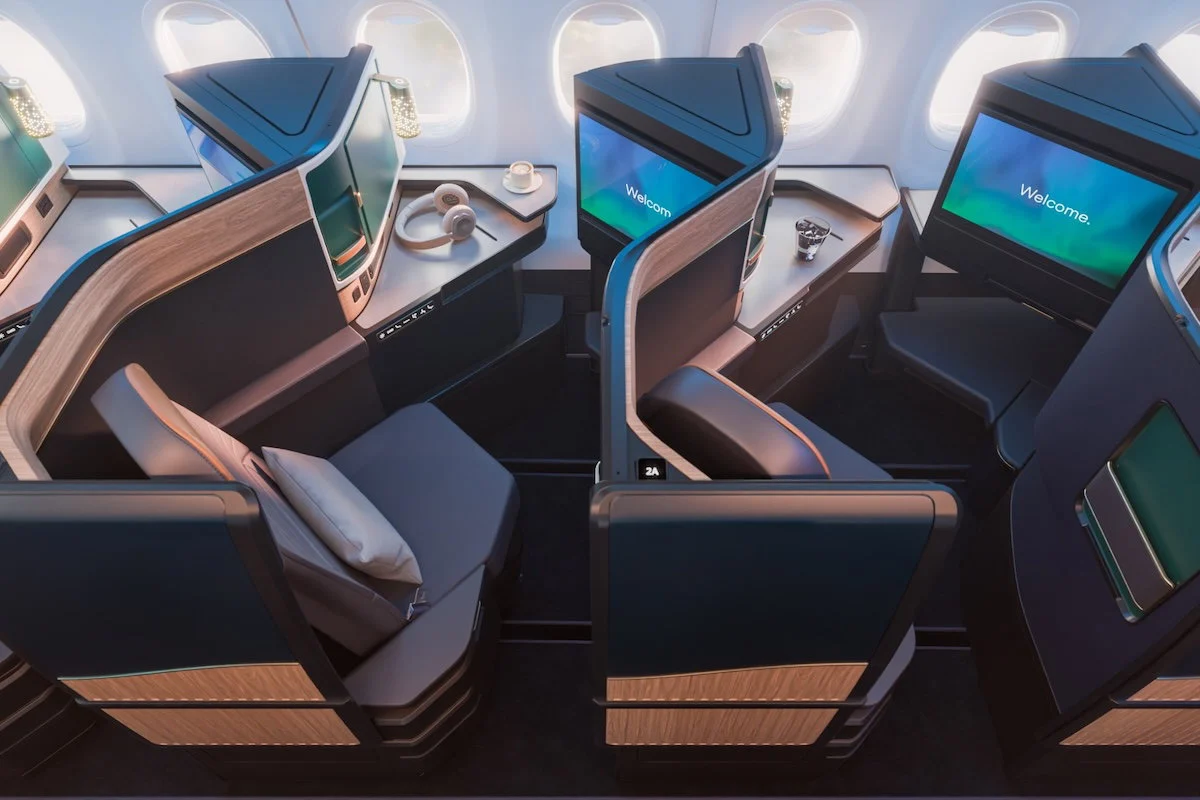
For airlines like Qatar Airways, which pride themselves on the "five-star" experience of their Qsuites product, such incidents represent a reputational risk. The core of the premium product is the promise of sanctuary. If that sanctuary is breached by a hostile passenger, the value proposition of the ticket is nullified.
There is a growing call within the travel community for airlines to adopt a "zero-tolerance" policy regarding verbal abuse. Just as there are strict rules against smoking, tampering with safety equipment, or interfering with crew, there should be a standardized, enforceable code of conduct that permits the immediate ejection of any passenger who directs profanity or threats at others.
Key Takeaways for Future Policy:
- Redefining "Disturbance": Airlines should broaden the definition of disruptive behavior to include verbal threats and targeted harassment, regardless of whether a physical strike occurs.
- Empowering Crew Discretion: Flight attendants should be supported by management when they deem a passenger a threat to the safety or comfort of the cabin, with clear legal backing for returning to the gate.
- Transparency in Reporting: Airlines should implement clearer, post-flight reporting mechanisms that ensure disruptive passengers are blacklisted or investigated, ensuring that the victim’s testimony is not simply "logged" and forgotten.
- Passenger Training: While the burden should not be on the victim, travelers are increasingly being advised to use the call button to document issues rather than engaging directly with aggressive individuals.
The Bottom Line: Silence or Solidarity?
The victim’s final reflection on the incident is perhaps the most telling: "My only regret was not returning to the gate." This sentiment is shared by many who have found themselves in similar positions, only to realize too late that the discomfort of a delayed flight is far preferable to the ongoing anxiety of sharing a cabin with an unpredictable aggressor.
As air travel continues to rebound toward record volumes, the incidents of in-flight aggression are likely to persist. Whether airlines choose to maintain the status quo of "passive mediation" or shift toward a more proactive, enforcement-heavy approach remains to be seen. Until then, the onus remains on passengers to practice extreme caution and on cabin crews to navigate the treacherous waters of corporate policy in the face of escalating real-world threats.
Ultimately, the goal of any airline should be to ensure that no passenger—regardless of their status or the length of their flight—ever feels unsafe in the air. When that goal is compromised, the entire industry loses a degree of the trust that is essential for its survival.