








In an incident that sounds more like a scene from a horror film than a standard business trip, a 46-year-old airline pilot has filed a significant lawsuit against Marriott International. The litigation follows a harrowing ordeal at the Sheraton Denver Downtown, where the pilot alleges he was swarmed by bats while sleeping in his room, subsequently suffering a bite that necessitated an expensive, life-saving series of rabies treatments.
The lawsuit, which seeks damages for medical expenses and emotional trauma, highlights a litany of failures in hotel safety protocols, property maintenance, and corporate accountability. As the aviation industry grapples with the fallout, the case raises urgent questions about the standard of care guests should expect from global hospitality giants.
The Incident: A Night of Terror
The events unfolded on August 29, 2025. The plaintiff, an airline pilot based in California, was in Denver for mandatory flight training. Given the hotel’s proximity to major aviation training facilities, it is widely understood that the pilot was staying at the property under an arrangement with his employer, believed to be United Airlines.
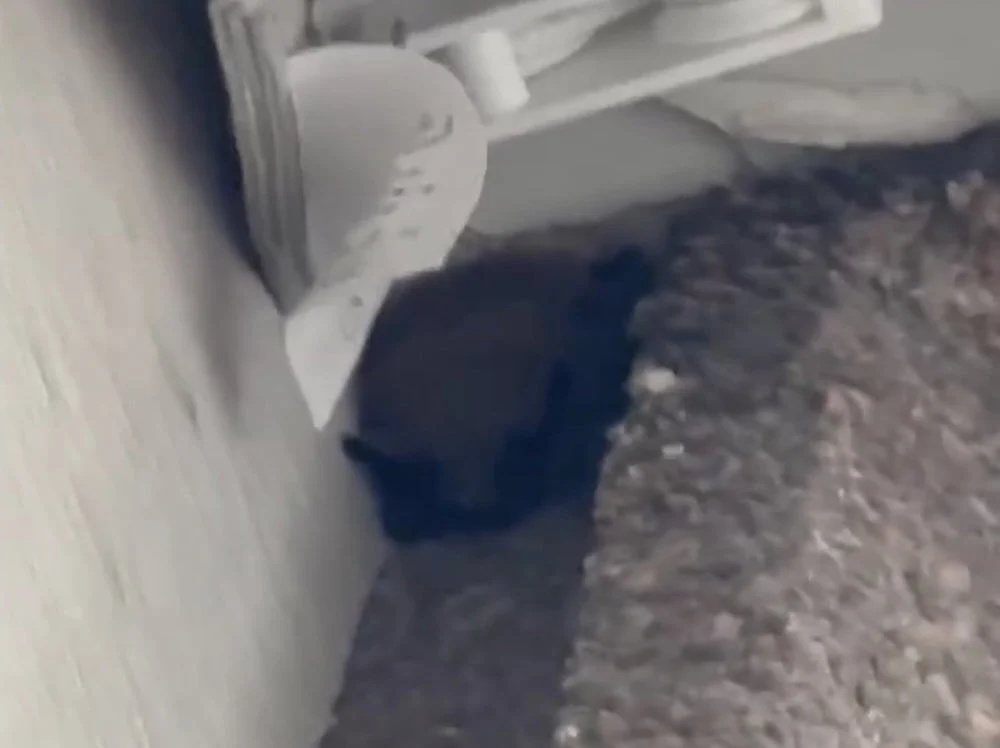
At approximately 2:30 a.m., the pilot was awakened from a deep sleep by what he described as a "commotion." Upon turning on the lights, he discovered he was not alone; a swarm of bats had infiltrated his 22nd-floor room. For any traveler, the sanctity of a hotel room is paramount—a place of rest and security. To wake up in the dark to the erratic flight of wild animals is a psychological trauma that few are prepared to handle.
Chronology of the Infestation
The legal filing provides a disturbing timeline of the hotel’s response to the crisis:
- 2:30 a.m. – The Discovery: The pilot discovers the infestation and immediately contacts hotel staff. Maintenance personnel are dispatched to the room to remove the bats.
- The Initial Failure: Despite the severity of the situation, the hotel staff did not relocate the pilot to a different room. Left to his own devices, the pilot discovered a breach in the room’s air conditioning unit, which served as a clear entry point for the bats. He attempted to mitigate the danger by stuffing a towel into the vent.
- Morning – The Lingering Threat: After attempting to resume sleep, the pilot awoke at dawn to find a single bat still clinging to the curtains near his window.
- The Medical Crisis: Animal control was summoned to remove the final specimen. It was during this interaction that the pilot was informed by experts that the local bat population had recently tested positive for rabies. Upon inspection, the pilot discovered he had been bitten on the foot.
- Immediate Aftermath: Under urgent medical advice, the pilot underwent a comprehensive series of post-exposure rabies vaccinations. The cost of these life-saving procedures, according to the lawsuit, exceeded $100,000.
Examining the Medical Costs and Legal Claims
One of the most contentious points of the lawsuit is the claim of over $100,000 in medical bills. Critics and observers have questioned how a standard rabies post-exposure prophylaxis (PEP) could reach such a staggering sum. In the United States, medical billing for emergency services—particularly those requiring specialized immunoglobulin treatments—is notoriously opaque. When administered in a hospital setting, these costs can balloon significantly due to facility fees, emergency department surcharges, and the high market price of the biologics themselves.
Beyond the financial toll, the pilot’s legal counsel, representing him in this negligence suit, emphasizes the long-term professional consequences. As a pilot, sleep quality is not just a personal comfort; it is a regulatory requirement for safety. The trauma of the incident has reportedly caused the pilot significant distress, leading to persistent insomnia and anxiety, particularly when staying in hotels—a mandatory aspect of his career.
Marriott’s Response and the Breakdown in Mediation
The lawsuit alleges that prior to filing, the pilot’s legal team attempted to resolve the matter through private settlement negotiations. According to the filing, Marriott, the parent company of the Sheraton brand, offered a "nominal" sum that was deemed insulting given the medical costs and the severity of the negligence.
The company’s reported defense—that "these things happen" and that the hotel bears no liability—has drawn sharp criticism from legal experts. By characterizing the infestation as an unavoidable act of nature rather than a failure of facility management, Marriott has effectively invited a public trial.
"We believe the evidence will show that this incident was preventable," the pilot’s attorney stated in a press release. "The hotel’s response fell well below what any guest should expect. No one should have to worry about being exposed to rabies-carrying wildlife while sleeping in a high-rise hotel."
Implications for the Hospitality Industry
The "Sheraton Bat Case" poses significant questions for the hospitality sector regarding property maintenance and guest safety.
1. Structural Negligence
The fact that a hotel room on the 22nd floor had an air conditioning unit with an opening large enough for multiple bats to enter points to a severe lack of preventative maintenance. Building codes and hotel safety standards dictate that exterior vents and HVAC systems must be screened to prevent pest entry. The presence of the hole suggests a failure of the hotel’s routine inspection protocols.
2. Duty of Care
When a guest alerts staff to a major safety hazard, the "duty of care" requires the hotel to take immediate, definitive action. Allowing a guest to remain in a room where wildlife has just been captured, without verifying that the room is fully sealed, constitutes a breach of basic hospitality standards.
3. Corporate Risk Management
For global chains like Marriott, this incident represents a nightmare in brand management. By attempting to settle for a small amount, the company has risked a high-profile legal battle that will likely cost significantly more in reputation damage than a fair initial settlement would have. It serves as a reminder to corporate entities that when a guest’s health is compromised due to preventable facility failures, proactive compensation is usually the wiser path.
The Path Forward
As the lawsuit proceeds through the court system, the focus will likely shift toward internal maintenance logs at the Sheraton Denver Downtown. Did the hotel have prior reports of pest issues? Were the AC units on the 22nd floor inspected before the pilot’s arrival?
For the pilot, the goal is to recover his financial losses and secure compensation for the lasting psychological impact of the incident. For the traveling public, the case serves as a jarring reminder of the need to remain vigilant. While most travelers check for bedbugs, the idea of checking for wildlife entry points in an HVAC unit is a new, uncomfortable reality.
Whether the court agrees that Marriott’s failure constitutes gross negligence remains to be seen. However, the optics of the situation—a professional pilot bitten by a rabid animal while the hotel management allegedly refused to relocate him—place the burden of proof squarely on the hotel chain. The outcome of this case could set a new precedent for how hotels are held accountable for the structural integrity and safety of their rooms in the modern era.