








As the peak summer travel season hits its stride, the aviation and hospitality industries remain in a state of rapid transformation. For many, this week coincides with the Fourth of July holiday, a period traditionally marked by heavy travel volume and increased scrutiny on carrier performance. As global travel continues to stabilize post-pandemic, major players are realigning their strategic priorities, from cabin redesigns to supply chain partnerships and route network expansions.
This report summarizes the critical developments of the week, analyzing the implications for frequent flyers, stakeholders, and the broader travel economy.
1. JetBlue’s Strategic Pivot: Redefining Premium Cabin Experiences
The most significant product announcement of the week came from JetBlue Airways, which unveiled comprehensive details regarding its revamped premium cabin strategy. As legacy carriers grapple with the "premiumization" of the domestic cabin, JetBlue aims to double down on its reputation for high-end service.
The Evolution of the "Mint" Experience
JetBlue’s latest iteration of its flagship Mint product is designed to compete directly with international business-class offerings. The new cabin configuration features enhanced privacy suites, sliding doors, and direct aisle access for every passenger. By integrating localized dining options and high-bandwidth inflight Wi-Fi, JetBlue is signaling that it intends to capture the lucrative "bleisure" (business and leisure) traveler demographic.
2. Labor Relations: Delta Pilots Take a Digital Stand
While the aviation industry prides itself on seamless operations, the internal dynamics between pilot unions and management have reached a point of public friction. This week, the Delta Air Lines pilot group, represented by the Air Line Pilots Association (ALPA), launched a dedicated website aimed directly at the traveling public.
Chronology of the Dispute
- Early 2024: Negotiations regarding wage increases and scheduling flexibility stall.
- Mid-June: Pilot groups express frustration over operational recovery times following severe weather events.
- Current Week: The launch of the "Delta Pilots for You" website serves as a public-facing platform to share pilot concerns regarding management’s operational decisions, specifically focusing on how staffing shortages impact the customer experience.
Implications for Passengers
The move is a tactical escalation. By addressing customers directly, the pilots are attempting to shift the narrative away from individual operational delays and toward structural management issues. For the traveler, this indicates that the "peace" between labor and management at major carriers remains fragile, potentially increasing the risk of informational picketing or service slowdowns during peak travel windows.
3. American Airlines Expands Trans-Pacific Footprint
American Airlines has officially announced the launch of a new non-stop route connecting Chicago O’Hare (ORD) to Tokyo Narita (NRT). This expansion is a calculated move to capitalize on the surging demand for Japanese tourism, which has seen record-breaking visitor numbers throughout 2024.
Supporting Data: Why Chicago-Tokyo?
Chicago serves as a critical Midwestern hub for American Airlines, allowing the carrier to funnel domestic traffic from secondary markets into its long-haul international network.
- Market Demand: Post-yen depreciation, travel to Japan has become significantly more affordable for U.S.-based tourists.
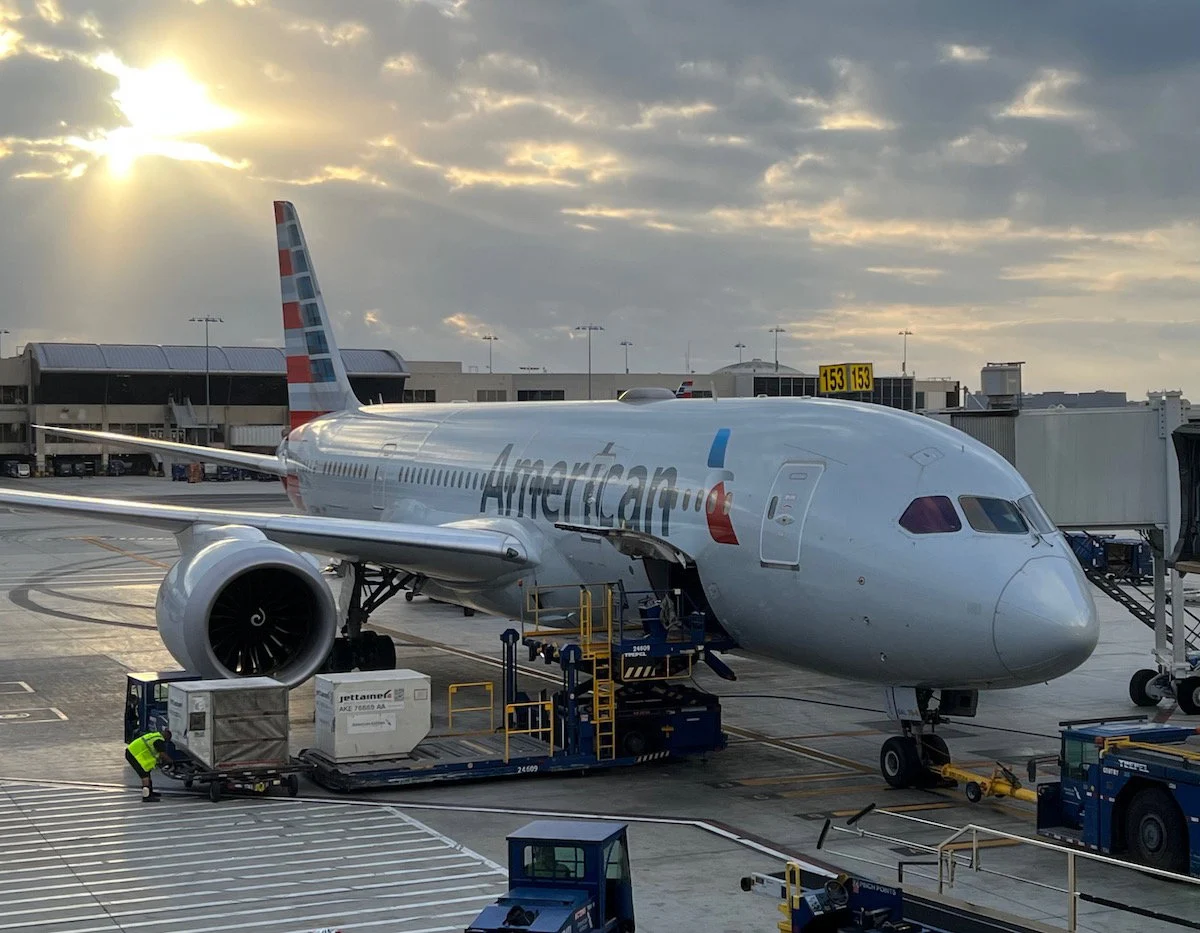
- Fleet Utilization: By deploying the Boeing 787-8 Dreamliner on this route, American balances fuel efficiency with the necessary cargo capacity to ensure profitability.
This route is expected to bolster American’s competitive standing against United Airlines, which maintains a massive presence at O’Hare, and Japan Airlines, American’s Oneworld alliance partner.
4. The "Cola Wars" in the Skies: Marriott’s Strategic Shift
In a move that caught industry analysts by surprise, Marriott International—the world’s largest hotel chain—confirmed it is transitioning its beverage supply chain from PepsiCo to The Coca-Cola Company.
Official Responses and Operational Rationale
Marriott cited "guest feedback and portfolio alignment" as the primary drivers for the switch. While financial terms were not disclosed, industry insiders suggest that Coca-Cola’s expansive global logistics network was a decisive factor. For a hotel group with properties in over 130 countries, the ability to maintain a consistent beverage supply chain is paramount.
Implications for the Hospitality Sector
This move signals a shift in power dynamics within the beverage industry. Hotels, like airlines, rely on exclusive pouring rights to offset the costs of food and beverage operations. By moving to Coca-Cola, Marriott secures a partner with massive brand equity, which may influence guest satisfaction scores in premium and luxury tier properties where brand recognition is highly valued.
5. Industry Implications: The State of Global Travel
As we review these developments, it is clear that the travel industry is currently navigating a period of intense capital expenditure and labor-management recalibration.
The Exhaustion of the "Travel Boom"
While passenger numbers remain robust, there is an underlying sense of fatigue—both among staff and travelers. As noted in recent travel logs, family travel for extended durations has become increasingly complex. The rising cost of living, coupled with the logistical nightmares of modern airport security and staffing shortages, has created a "friction-heavy" travel environment.
Forecast for the Coming Months
- Technological Integration: Carriers will continue to invest in AI-driven customer service tools to mitigate the impact of staffing shortages.
- Sustainability Mandates: As European regulations tighten regarding short-haul flights and carbon reporting, North American carriers will likely face increased pressure to modernize their fleets with more fuel-efficient, sustainable aviation fuel (SAF)-capable aircraft.
- Loyalty Program Consolidation: As Marriott and other hospitality giants adjust their vendor relationships, we anticipate a tightening of loyalty program perks, as companies look to recoup the costs of these major corporate shifts.
Conclusion
The intersection of aviation, hospitality, and labor relations defines the current travel landscape. Whether it is a new route to Tokyo, a new cabin design on a narrow-body jet, or a fundamental change in the soda served in a hotel lobby, these decisions reflect a wider effort to maintain profitability in an increasingly volatile global economy.
For the traveler, the takeaway is clear: the industry is in a state of flux. While innovation is driving better products—such as JetBlue’s Mint—the operational and labor challenges facing major carriers suggest that the travel experience will remain unpredictable for the foreseeable future. As we look toward the second half of the year, all eyes will be on how these major players manage their labor relations and supply chain transitions in the face of persistent economic headwinds.
Summary of Key Developments (July 4th Week)
| Company | Development | Strategic Goal |
|---|---|---|
| JetBlue | New Mint Cabin Details | Capture premium/business market share. |
| Delta Air Lines | Pilot-led Public Information Site | Influence public perception of management. |
| American Airlines | New ORD-NRT Route | Expand Pacific network and leverage hub strength. |
| Marriott | Pepsi to Coke Transition | Streamline global supply chain operations. |
As the summer progresses, industry observers should monitor the long-term impacts of the Delta labor standoff and the consumer reception to Marriott’s beverage shift. These granular changes often serve as precursors to broader industry trends that redefine the standards of service and operational efficiency for years to come.