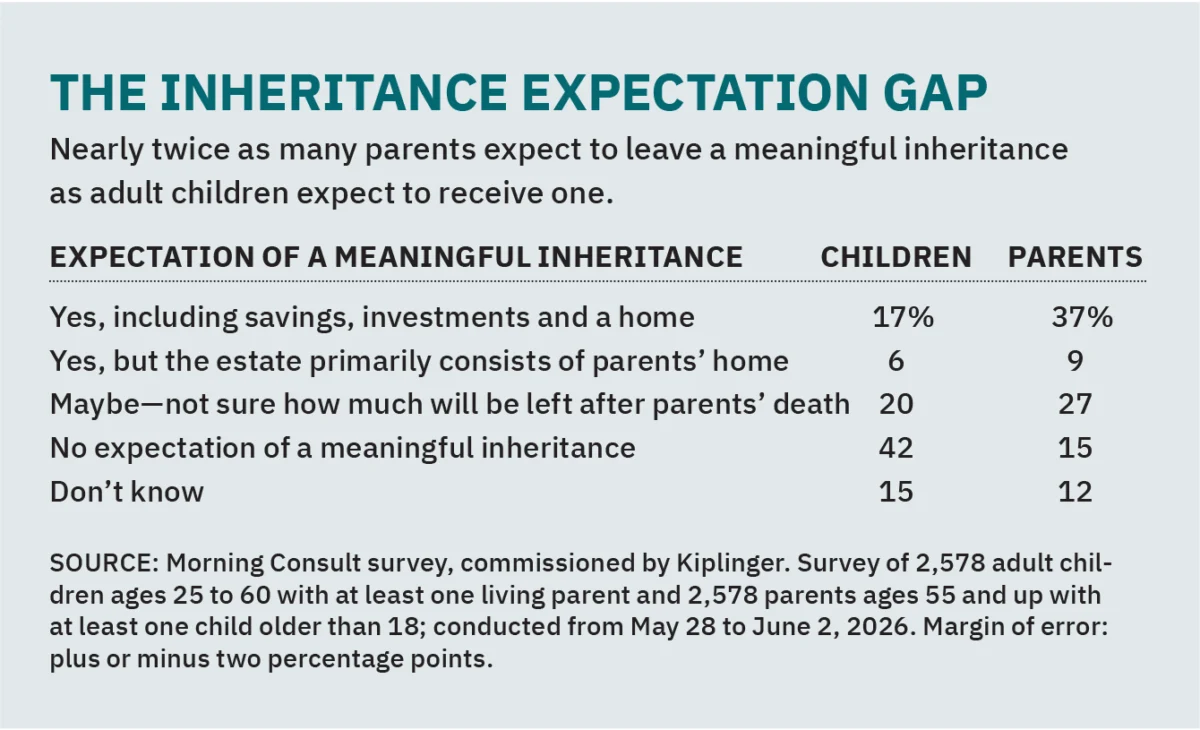










The financial landscape of the next two decades is poised for a seismic shift. As the "Great Wealth Transfer" begins to unfold, an estimated $124 trillion in assets is expected to transition between generations. For many families, this represents the culmination of a lifetime of labor and saving; for others, it is a sudden, often overwhelming, infusion of capital that can alter the trajectory of their lives.
Crucially, research suggests that a significant portion of this windfall will pass into the hands of women, many of whom may find themselves managing substantial assets for the first time. While an inheritance is often viewed as a blessing, it carries a heavy burden of legal, tax, and emotional complexities that require a measured, strategic, and professional approach.
The Reality of the Windfall: What You Need to Know
The anticipation of receiving an inheritance often focuses on the potential for new lifestyle opportunities—from paying off high-interest debt to fulfilling long-held travel dreams. However, financial experts emphasize that the arrival of a windfall is rarely a "quick fix" for financial goals.
"Rule number one is don’t go out and spend it all," says Alexandra Armstrong, a certified financial planner and author of On Your Own: A Widow’s Guide to Emotional and Financial Well-Being. This caution is not merely a suggestion of austerity; it is a vital strategy for long-term wealth preservation.
The process of inheriting is often fraught with administrative hurdles. Settling an estate is rarely a seamless process; even a relatively straightforward estate typically requires six to nine months of legal maneuvering, gathering documentation, and navigating probate. When the estate involves complex real estate holdings or business interests, that timeline can stretch significantly longer.
A Chronology of Inheritance: From Notification to Strategy
Successfully navigating an inheritance requires a structured, multi-phase approach. The following timeline outlines the professional consensus on how to handle a sudden influx of wealth.
Phase 1: The Immediate Aftermath (Months 0–6)
Upon notification of an inheritance, the primary goal is to stabilize and secure assets. Resist the urge to make impulsive financial decisions. During this period, the focus should be on:
- Administrative Consolidation: Work with the estate executor to gather all necessary legal and financial documents.
- The "Wait and See" Policy: Experts universally agree that no permanent, irreversible decisions—such as selling a family home, retiring, or making major capital investments—should be made during the first year of grieving or adjustment.
- Safe Harbor: Park liquid assets in conservative, low-risk vehicles like money market funds or high-yield savings accounts. This allows the capital to remain accessible while you determine your long-term objectives.
Phase 2: Professional Consultation (Months 6–12)
Once the initial shock subsides, it is time to engage a team of professionals. A tax adviser is essential to understand the potential liabilities associated with your specific inheritance. They can provide clarity on the "step-up in basis" for inherited assets, which can significantly mitigate capital gains taxes, and explain the tax rules surrounding inherited retirement accounts, such as IRAs.
Phase 3: The Strategic Planning Phase (Year 1 and Beyond)
After the one-year mark, you are in a better position to evaluate your financial identity. This is when you can begin to consider whether to pay off a mortgage, invest in the market, or adjust your philanthropic goals. This phase should be driven by your personal financial plan, not by the sudden availability of cash.
Supporting Data: The Tax and Legal Minefield
The financial impact of an inheritance is highly dependent on the nature of the assets received. A common pitfall for heirs is failing to understand the distinction between various asset classes.
For example, if you inherit a spouse’s Individual Retirement Account (IRA), you generally have the option to roll the funds into your own IRA, allowing for continued tax-advantaged growth. However, if you are a non-spouse beneficiary—such as an adult child or a sibling—the rules have changed significantly under recent legislation like the SECURE Act. Most non-spouse heirs are now required to withdraw the entire balance of an inherited IRA within 10 years, which can lead to significant, taxable "income spikes" that may push you into a higher tax bracket.
Similarly, there is a common misconception that paying off a mortgage is always the most prudent use of an inheritance. However, if your mortgage interest rate is low and the interest is tax-deductible, paying off the debt might actually hurt your overall financial health. The money could potentially earn a higher rate of return if invested in a diversified portfolio, thereby creating a net gain that outweighs the cost of the debt.
Official and Expert Perspectives
The consensus among financial professionals is that inheritance is as much an emotional challenge as it is a fiscal one. Natalie Colley, a partner and senior lead adviser at Francis Financial, notes that women, in particular, often face a confidence gap when managing newfound wealth.
"Even women who are involved in day-to-day money management often lack confidence when it comes to long-term investment planning," Colley observes. She advocates for breaking down financial goals into "bite-sized pieces." By focusing on small, manageable decisions, heirs can build both the competence and the confidence necessary to steward their wealth effectively.
Furthermore, a professional financial adviser serves a vital, often overlooked role: the "buffer." When friends or family members learn of a windfall, they may pressure the heir for loans or investments. A professional adviser can act as a neutral third party, allowing the heir to deflect these requests by citing professional counsel and pre-established, rigid financial policies.
Implications for the Future: The Importance of Preparedness
The "Great Wealth Transfer" is not just about the receivers; it is a clarion call for the givers. The most successful transfers occur when the benefactor has communicated their wishes clearly and ensured that their heirs are prepared to handle the responsibility.
Judith Meservey, a widow who supports others in her community, offers a practical blueprint for this preparation. She emphasizes that couples should strive to be "interchangeable" in their financial management. This means both partners should be fully aware of asset locations, account passwords, and bill-paying procedures. Meservey herself created a "legacy document" two decades ago, updating it annually, to ensure her sister could step into her financial affairs with ease and confidence.
This proactive approach—creating a "financial map"—removes the guesswork from the process, allowing the beneficiary to focus on the transition rather than the scavenger hunt.
Conclusion: The Path Forward
An inheritance is an opportunity to rewrite your financial future, but it is not a race. The risks of acting in haste—tax penalties, ill-advised investments, and the loss of assets with sentimental value—are simply too high.
As the $124 trillion transfer begins to move across generations, the primary takeaway for every heir should be patience. Whether it is an art collection, a family business, or a portfolio of securities, remember that your assets can wait until you are ready to manage them. By surrounding yourself with a team of trusted professionals, establishing a conservative holding strategy, and committing to a period of thoughtful reflection, you can ensure that the wealth you inherit serves as a lasting foundation for your future, rather than a fleeting moment of transition.
"Give yourself permission to change your mind," says Colley. In the complex, often emotional landscape of inheritance, that permission is perhaps the most valuable asset you have.