








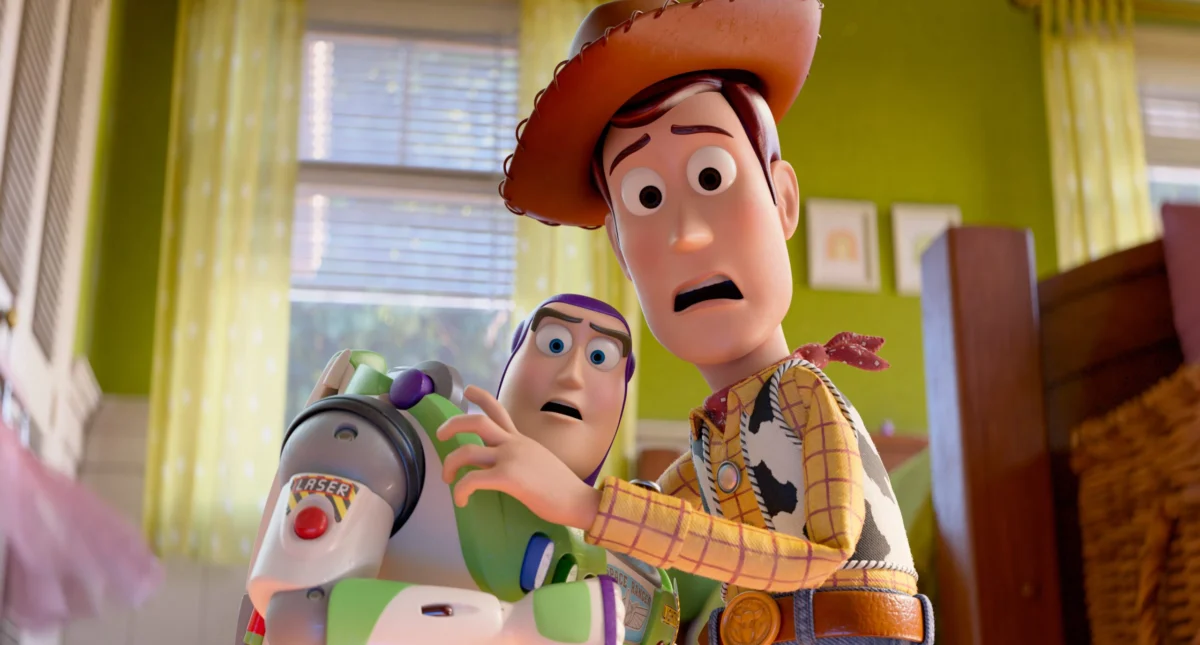
The cinematic universe is abuzz with anticipation for the imminent release of "Toy Story 5," the latest installment in Disney and Pixar’s beloved animated franchise. Set to hit theaters in 2026, the film promises a potent blend of heartwarming nostalgia for a generation of fans and the electrifying allure of contemporary pop culture, all wrapped in the iconic characters that have defined animated storytelling for nearly three decades. Early predictions suggest a monumental opening weekend, with industry analysts forecasting ticket sales to soar, potentially breaking franchise records. Beyond the silver screen, an explosion of meticulously crafted merchandise is already inundating the market, demonstrating a clear strategy to capitalize on the enduring appeal of Woody, Buzz Lightyear, and their loyal companions. However, for many, the excitement is tempered by the looming prospect of significant financial outlay. This article delves into the multifaceted phenomenon of "Toy Story 5’s" impending arrival, exploring its commercial potential, the strategic marketing surrounding it, and offering practical advice for fans seeking to navigate the inevitable wave of spending.
The Enduring Legacy and the Promise of "Toy Story 5"
For a generation that grew up with the adventures of Woody and Buzz, the announcement of "Toy Story 5" is more than just a movie release; it’s a potent resurgence of cherished childhood memories. The original "Toy Story," released in 1995, was a groundbreaking achievement, revolutionizing the animation industry with its pioneering use of computer-generated imagery. It introduced audiences to a world where toys came to life when humans weren’t around, forging an emotional connection with characters that resonated deeply. The subsequent sequels, "Toy Story 2" (1999), "Toy Story 3" (2010), and "Toy Story 4" (2019), not only maintained this high standard but also explored profound themes of friendship, loyalty, change, and belonging, solidifying the franchise’s status as a cultural touchstone.
The return of the original voice cast, including the iconic Tim Allen as Buzz Lightyear and Tom Hanks as Woody, is a significant draw, promising to recapture the authentic chemistry that fans have come to adore. Their voices have become inextricably linked with these characters, and their continued involvement is crucial for maintaining the franchise’s integrity and emotional resonance. The reported inclusion of a new original song by global music superstar Taylor Swift further amplifies the anticipation. Swift’s immense popularity and her proven ability to craft emotionally resonant and commercially successful music are expected to draw in a broader audience, bridging the gap between dedicated "Toy Story" fans and her vast legion of followers. This strategic collaboration signifies a deliberate effort to position "Toy Story 5" not just as a sequel, but as a major cultural event with cross-generational appeal.
Charting the Course: A Chronology of the Toy Story Phenomenon
The journey of "Toy Story" from a revolutionary concept to a global phenomenon is a testament to Disney and Pixar’s visionary storytelling and marketing prowess.
-
1995: The Genesis – "Toy Story"
The inaugural film shattered industry norms, introducing the world to Woody, a pull-string cowboy doll, and Buzz Lightyear, a high-tech space ranger action figure. Their initial rivalry and subsequent burgeoning friendship set the stage for a narrative that explored themes of jealousy, acceptance, and the true meaning of being a cherished toy. The film’s critical acclaim and commercial success were immediate, grossing over $373 million worldwide and earning three Academy Award nominations. -
1999: Expanding the World – "Toy Story 2"
This sequel delved deeper into Woody’s origins, introducing him to a collector’s item, Woody’s Roundup gang, and the heartbreaking dilemma of his potential worth as a collectible versus his desire to remain Andy’s toy. The introduction of Jessie, a spirited cowgirl, and Bullseye, her loyal horse, added new dimensions to the ensemble. "Toy Story 2" further cemented the franchise’s critical and commercial success, earning over $497 million globally and receiving an Academy Award nomination for Best Original Song. -
2010: A Poignant Farewell (or So We Thought) – "Toy Story 3"
After Andy outgrows his toys and prepares for college, the gang finds themselves accidentally donated to a daycare center. This installment explored themes of aging, purpose, and the fear of being forgotten. The emotional climax, where the toys face their potential demise in an incinerator, became one of the most poignant and memorable scenes in animated film history. "Toy Story 3" was a critical and commercial juggernaut, grossing over $1.067 billion worldwide and winning the Academy Award for Best Animated Feature. -
2019: Redefining Purpose – "Toy Story 4"
This film shifted the focus to Woody’s existential crisis as he grapples with his role in Bonnie’s life, a child who doesn’t play with him as much as Andy did. The introduction of Forky, a spork-turned-craft-toy, and the reunion with Bo Peep, who had become an independent "lost toy," provided new perspectives on belonging and finding one’s purpose. Despite initial reservations from some fans about continuing the story, "Toy Story 4" was a critical success and a commercial powerhouse, earning over $1.073 billion globally and an Academy Award nomination for Best Animated Feature. -
2026: The Next Chapter – "Toy Story 5"
The announcement of a fifth installment, following the seemingly conclusive ending of "Toy Story 4," has generated immense excitement and speculation. While plot details remain under wraps, the promise of original music by Taylor Swift and the return of beloved characters suggests a continuation of the franchise’s tradition of heartfelt storytelling and emotional depth.
The Economic Powerhouse: Data and Projections
The commercial viability of the "Toy Story" franchise is undeniable, and "Toy Story 5" is poised to be its most lucrative installment yet. Industry predictions, as reported by sources like Deadline, suggest a staggering opening weekend box office haul of $150 million. This figure, while an estimate, reflects the immense anticipation and the proven track record of the franchise in drawing massive audiences.
This projected revenue solely accounts for ticket sales, highlighting the significant economic impact of the film itself. However, the true financial ecosystem surrounding "Toy Story 5" extends far beyond the multiplex. The merchandising machine, a crucial component of Disney’s strategy for its tentpole franchises, has already begun churning. Social media platforms, particularly Instagram, are awash with sneak peeks and announcements of new "Toy Story"-themed products. From collectible figures and apparel to themed home goods and play sets, the market is being flooded with items designed to capture the imagination and wallets of consumers.
One particularly eye-catching item that has garnered significant attention is a "Pizza Planet oven toy." This specific product exemplifies the detailed and imaginative merchandise being developed, tapping into iconic elements of the "Toy Story" universe. The sentiment expressed on social media, with users lamenting their impending financial strain due to the influx of new merchandise, underscores the effectiveness of this marketing approach. It also highlights a key challenge for consumers: balancing the desire to engage with the franchise with the need to manage personal finances.
The sustained success of "Toy Story" can be attributed to several factors:
- Universal Themes: The films tackle relatable themes of friendship, family, identity, and change, resonating with audiences of all ages and backgrounds.
- Exceptional Storytelling: Pixar’s commitment to crafting compelling narratives with well-developed characters has consistently delivered emotionally rich and engaging experiences.
- Nostalgia Appeal: For a significant portion of the audience, "Toy Story" represents a cherished part of their childhood, creating a powerful emotional connection that transcends generations.
- Brand Loyalty: Disney’s masterful brand management has cultivated a strong sense of loyalty among its fans, ensuring a dedicated audience for its flagship franchises.
- Cross-Generational Engagement: The films are designed to be enjoyed by both children and adults, fostering shared viewing experiences within families.
Official Statements and Industry Reactions
While official plot details for "Toy Story 5" remain under strict embargo, the enthusiasm from key figures within Disney and Pixar has been palpable. Bob Iger, CEO of The Walt Disney Company, has previously expressed optimism about the future of the "Toy Story" franchise, emphasizing its enduring appeal and potential for further exploration. Directors and producers involved in the project have hinted at a desire to revisit beloved characters and themes while introducing fresh narratives and emotional arcs.
The addition of Taylor Swift to the project has also garnered significant attention from music industry analysts and cultural commentators. Her involvement is seen as a strategic move to inject new energy and a contemporary relevance into the franchise, potentially attracting a younger demographic that may not have grown up with the original films. Swift’s own considerable emotional depth and lyrical prowess suggest her contributions could significantly enhance the film’s emotional impact.
Industry analysts are keenly observing the pre-release marketing strategies and the early buzz surrounding "Toy Story 5." The focus on merchandising, coupled with the star power of both the returning voice cast and the new musical addition, suggests a carefully orchestrated campaign designed to maximize box office performance and franchise revenue. The success of "Toy Story 4" in surpassing the billion-dollar mark globally provides a strong benchmark for expectations, and many believe "Toy Story 5" has the potential to exceed even those impressive figures.
Implications for Consumers and the Entertainment Landscape
The impending release of "Toy Story 5" carries significant implications for both consumers and the broader entertainment industry.
Navigating the Merchandising Tide: Smart Spending Strategies
The overwhelming availability of "Toy Story"-themed merchandise presents a delightful but potentially daunting financial challenge for fans. As the quote from Instagram suggests, the desire to own a piece of the "Toy Story" universe can quickly lead to significant expenditure. For those who wish to celebrate the return of Woody and Buzz without succumbing to impulse purchases and overspending, a strategic approach is essential.
- Prioritize and Budget: Before diving into the merchandise aisles, identify which items truly hold sentimental value or serve a practical purpose. Create a realistic budget for "Toy Story" purchases and stick to it. Consider setting aside a specific amount for a few key collectibles or a single special item for a child.
- Explore Value Options: Not all "Toy Story" merchandise needs to come with a premium price tag. Look for sales, discounts, and store-brand alternatives. Many retailers offer a range of "Toy Story" items at varying price points.
- Embrace the Experience, Not Just the Product: The true magic of "Toy Story" lies in its stories and characters, not solely in the possessions they inspire. Focus on the shared experience of watching the movie with loved ones, discussing favorite characters, and reminiscing about past installments. The memories created during the viewing itself are often more valuable than any tangible item.
- DIY and Creative Alternatives: For those with a creative inclination, consider DIY projects inspired by "Toy Story." Creating your own "Toy Story" costumes, decorations, or even simple crafts can be a rewarding and cost-effective way to engage with the franchise. This can be particularly engaging for children, fostering their own creativity.
- Secondhand Treasures: The resale market can be a goldmine for "Toy Story" merchandise. Look for gently used toys, collectibles, or clothing at thrift stores, online marketplaces, or garage sales. This is a sustainable and budget-friendly way to acquire desired items.
- Focus on the Film: Ultimately, the primary draw of "Toy Story 5" is the film itself. Prioritize allocating your entertainment budget towards the cinematic experience. The joy of watching the new adventure unfold on the big screen is the most direct and fulfilling way to engage with the franchise.
The Franchise Model and Future of Animation
The anticipated success of "Toy Story 5" reinforces the power of established intellectual property and the franchise model in the contemporary entertainment landscape. Studios are increasingly leaning on familiar brands and characters to mitigate risk and ensure a built-in audience. This trend, while beneficial for established franchises, can also lead to concerns about creative originality and the potential for oversaturation.
The "Toy Story" franchise, however, has consistently demonstrated an ability to reinvent itself and deliver fresh, emotionally resonant narratives. Its longevity and continued appeal suggest that a well-executed sequel, grounded in strong storytelling and character development, can thrive even in a market saturated with sequels and reboots.
The success of "Toy Story 5" will likely further embolden Disney and Pixar to explore additional installments or spin-offs within the "Toy Story" universe, as well as to invest heavily in other established franchises. It also highlights the critical role of cross-media promotion, where films are seamlessly integrated with merchandise, theme park attractions, and other revenue streams to create a comprehensive and immersive brand experience.
As the release date for "Toy Story 5" draws nearer, the excitement is palpable. The film represents a confluence of nostalgia, star power, and shrewd marketing, promising to be a significant cultural and commercial event. For fans, the challenge and opportunity lie in embracing the magic of this beloved franchise in a way that is both financially responsible and deeply rewarding, ensuring that the joy of Woody, Buzz, and their friends continues to "infinity and beyond" without breaking the bank.