








In an incident described by cybersecurity experts as one of the most egregious data exposures in recent federal history, a contractor working for the Cybersecurity & Infrastructure Security Agency (CISA) inadvertently published a trove of highly privileged credentials to a public GitHub repository. The breach, which remained active for months, laid bare the inner workings of critical federal infrastructure, exposing AWS GovCloud administrative keys, plaintext passwords for internal agency systems, and proprietary code development documentation.
The discovery serves as a sobering reminder of the fragility of supply-chain security and the potential for catastrophic failure when individual operational security—or "OpSec"—is neglected. While the repository has since been scrubbed, the incident raises profound questions regarding the vetting of federal contractors and the internal oversight mechanisms governing the nation’s primary cybersecurity defense agency.
The Anatomy of the Breach: "Private-CISA"
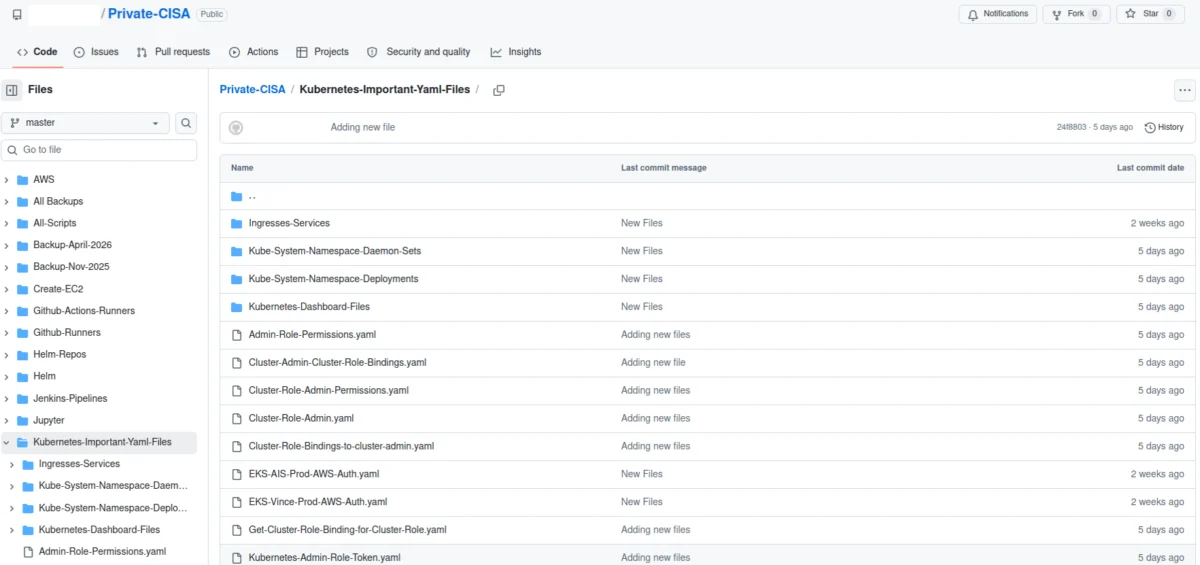
The exposure was housed within a public GitHub repository aptly, if alarmingly, titled "Private-CISA." Unlike a secure, private repository, this public archive functioned as a digital "scratchpad," where a contractor—identified as an employee of the Dulles-based government contracting firm Nightwing—apparently synced files between work and personal environments.
The repository did not merely contain benign code; it was a treasure map for malicious actors. According to security researchers who analyzed the dump, the contents included:
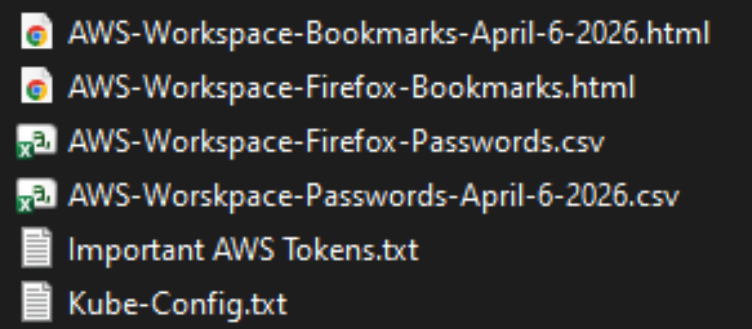
- Administrative Credentials: Access tokens and keys for three highly privileged Amazon AWS GovCloud accounts.
- Plaintext Credentials: A file titled "AWS-Workspace-Firefox-Passwords.csv" contained usernames and passwords for dozens of internal CISA systems.
- Infrastructure Blueprints: Detailed documentation on how CISA builds, tests, and deploys software internally.
- DevSecOps Access: Credentials for the agency’s internal "Artifactory," a repository used to store software packages, which could serve as a prime vector for supply-chain attacks.
Guillaume Valadon, a researcher at the security firm GitGuardian, first identified the exposure. GitGuardian’s automated systems—designed to scan public repositories for leaked secrets—flagged the account. When the repository owner failed to respond to automated warnings, Valadon escalated the matter, recognizing the severity of the data at play.
"Passwords stored in plain text in a CSV, backups in Git, explicit commands to disable GitHub’s secret detection feature," Valadon noted in a post-analysis communication. "I honestly believed it was all fake before analyzing the content deeper. This is indeed the worst leak I’ve witnessed in my career."
A Chronology of Negligence
The timeline of the breach suggests a prolonged period of vulnerability, characterized by a fundamental misunderstanding of public cloud security.
- September 2018: The contractor creates the GitHub account that would eventually host the compromised repository.
- November 13, 2025: The "Private-CISA" repository is created. Over the following months, the contractor uses it as a synchronization mechanism, committing sensitive files regularly.
- May 15, 2026: Guillaume Valadon of GitGuardian identifies the exposure and attempts to contact the repository owner.
- Late May 2026: Following notifications from KrebsOnSecurity and security consultant Philippe Caturegli, the repository is taken offline.
- Post-Removal Window: Despite the repository being deleted, researchers noted that the exposed AWS keys remained functional for approximately 48 hours, leaving the agency’s cloud infrastructure exposed even after the public archive was scrubbed.
The persistence of the breach is particularly concerning. Had a sophisticated threat actor—such as a nation-state-sponsored advanced persistent threat (APT) group—stumbled upon this repository, they could have established a permanent foothold within the federal government’s secure development environment.
Supporting Data: Evidence of Systemic Failures
The technical details provided by security consultants, particularly Philippe Caturegli of the firm Seralys, paint a grim picture of internal security hygiene.
The "Syncing" Problem
Caturegli’s analysis suggests the repository was used as a convenience tool. By committing sensitive files to a public cloud, the contractor allowed their personal and professional environments to mingle. "The use of both a CISA-associated email address and a personal email address suggests the repository may have been used across differently configured environments," Caturegli observed.
Disabled Protections
Perhaps the most damning evidence found in the commit logs was the contractor’s deliberate decision to disable GitHub’s native security features. GitHub provides an automated "secret scanning" tool that detects and blocks the upload of SSH keys and cloud tokens. The repository logs showed the contractor explicitly overrode these safety protocols, allowing the secrets to be published.
Predictable Patterns
The security of the exposed credentials themselves was substandard. The repository revealed a reliance on "lazy" password patterns, such as using the platform name followed by the current year (e.g., [PlatformName]2026). This practice is widely considered a failure in any enterprise environment, but in a high-security federal context, it represents a significant, preventable risk.
The Strategic Risk: Lateral Movement
The most dangerous aspect of this leak is the potential for "lateral movement." In cybersecurity, lateral movement is the technique attackers use to navigate through a network once they have gained initial access.
By exposing the agency’s internal "Artifactory," the contractor effectively handed over the keys to the kingdom. If an attacker had gained these credentials, they could have injected malicious code or backdoors into the software packages CISA develops and deploys.
"That would be a prime place to move laterally," Caturegli explained. "Backdoor some software packages, and every time they build something new, they deploy your backdoor left and right." This would have effectively turned CISA’s own infrastructure into a delivery vehicle for malware, undermining the very trust required for the agency to protect the nation’s critical infrastructure.
Official Responses and Agency Stance
CISA’s official response has been one of cautious damage control. A spokesperson for the agency confirmed that they were aware of the incident and were conducting an investigation.
"Currently, there is no indication that any sensitive data was compromised as a result of this incident," the CISA spokesperson stated. "While we hold our team members to the highest standards of integrity and operational awareness, we are working to ensure additional safeguards are implemented to prevent future occurrences."
However, the agency has remained silent on the duration of the exposure and the specific actions taken to rotate the compromised credentials. Nightwing, the contractor employing the individual responsible, declined to provide a formal comment, instead directing all inquiries back to CISA.
Broader Implications: A Shifting Federal Landscape
This incident occurs against the backdrop of a significant organizational transition at CISA. Following recent political shifts and budget reallocations, the agency has seen a loss of nearly one-third of its workforce. The combination of high turnover, early retirements, and reduced funding has inevitably placed stress on the agency’s ability to maintain oversight of its extensive contractor ecosystem.
The Contractor Vetting Dilemma
Federal agencies rely heavily on private contractors to bridge the gap between their mission requirements and the available talent pool. However, this incident highlights the "weakest link" problem. When a contractor is granted high-level access to GovCloud environments but fails to adhere to basic security protocols, the agency itself assumes the risk.
Policy Reform
The "Private-CISA" incident will likely trigger a review of how federal agencies mandate security training for contractors. It is not enough to provide access; agencies must also enforce "Zero Trust" architectures that prevent even authorized users from easily moving data to unauthorized public platforms.
The incident also highlights the need for more aggressive automated auditing of contractor accounts. If a third-party security firm could detect this vulnerability through automated scanning, questions remain as to why the agency’s own internal monitoring systems—or the oversight teams responsible for third-party compliance—did not detect the anomalous data movement earlier.
A Lesson in Resilience
For the cybersecurity community, this breach is a masterclass in why "security hygiene" is not just a buzzword. The failure of a single individual to use a password manager, or the decision to override a single GitHub security toggle, nearly compromised one of the most sensitive entities in the U.S. government.
As the federal government continues to modernize its digital infrastructure, the "Private-CISA" case serves as a stark warning: technology is only as secure as the people who manage it. Moving forward, the mandate for CISA and its peers will be to shift from a model of implicit trust toward a more rigid, automated verification process that assumes human error is not just possible—it is inevitable.