





By PYMNTS | June 27, 2026
The Super Bowl is a one-night luxury product, a fleeting spectacle of corporate hospitality. The Olympics is a monumental infrastructure project, often leaving cities with legacy costs that linger for decades. But the 2026 FIFA World Cup is something entirely different: it is a roaming, multi-national retail platform. With 48 teams, 104 matches, and 16 host cities spread across the vast geography of Canada, Mexico, and the United States, the tournament has evolved into a hyper-localized economic engine that moves faster than the players on the pitch.
As the tournament moves past its midway point, the data is beginning to crystallize. Through the first 44 matches, attendance has surpassed 2.85 million, with stadiums operating at an extraordinary 99.6% capacity. This is no longer just a sporting event; it is a global commerce phenomenon. With a total FIFA revenue budget of $8.9 billion—anchored by broadcasting rights accounting for 44% of that total—the financial ripples of the 2026 World Cup are reshaping local economies, supply chains, and consumer behavior in real time.
The Economics of the Pitch: Main Facts and Revenue Drivers
The scale of the 2026 tournament is unprecedented. Unlike previous iterations, the three-country hosting model has decentralized the economic impact. While FIFA captures the lion’s share of revenue through broadcast rights, sponsorships, and licensing, the true story of 2026 lies in the "long tail" of commerce.
Retailers are witnessing a fundamental shift in demand. The "Jersey Table" has become the primary indicator of global fan sentiment. According to data from British retailer JD Sports, team kits for Mexico and Argentina have emerged as the clear frontrunners in global sales. Adidas, the manufacturer for both teams, has confirmed that the Mexican national team shirt is currently the worldwide bestseller.
However, analysts warn against "influencer math." While social media presence for stars like Lionel Messi, Cristiano Ronaldo, or Kylian Mbappé might suggest their jerseys are the most commercially viable, the lack of an audited, cross-retailer leaderboard means that actual sales data—not social engagement—remains the only reliable metric for determining the true "commercial Golden Boot."
Chronology of a Spending Geyser
The trajectory of the tournament’s economic impact has been volatile, mirroring the unpredictable nature of the matches themselves.
- The Pre-Tournament Build-up: Throughout late 2025 and early 2026, host cities engaged in aggressive tourism marketing. Lancaster, Pennsylvania, set the gold standard for this, utilizing predictive analytics to target fans researching travel to Philadelphia and New York. This algorithmic approach generated over $2 million in attributed hotel revenue before the first whistle was blown.
- The Opening Weekend: Mexico City served as the early economic epicenter. During the opening weekend alone, the city experienced an estimated $70 million boost in economic activity. Local businesses, particularly restaurants and bars, reported sales surges of up to 40%.
- The Mid-Tournament Reality Check: By mid-June, the narrative began to shift. Reuters reported that high travel costs, logistical friction, and late-booking patterns led to softer-than-expected demand in some major hubs. New York City, for example, saw its hotel revenue forecast slashed by 60% as the "pricey" nature of the event deterred the average fan, even as short-term rental platforms like Airbnb reported record-breaking activity.
- The "Base Camp" Phenomenon: As the tournament reached its second week, the economic focus moved away from the 16 primary match cities to the 25 communities serving as team base camps. Lawrence, Kansas—the home base for the Algerian team—has become a case study in unexpected economic vitality, with local businesses pivoting to accommodate international visitors.
Supporting Data: Where the Money Moves
The retail data suggests that consumer spending is being driven by a mix of traditional loyalty and quirky, limited-edition demand.
The Merchandise Breakdown
- The Staples: Jerseys remain the primary revenue driver, but the demand has spilled over into unconventional categories.
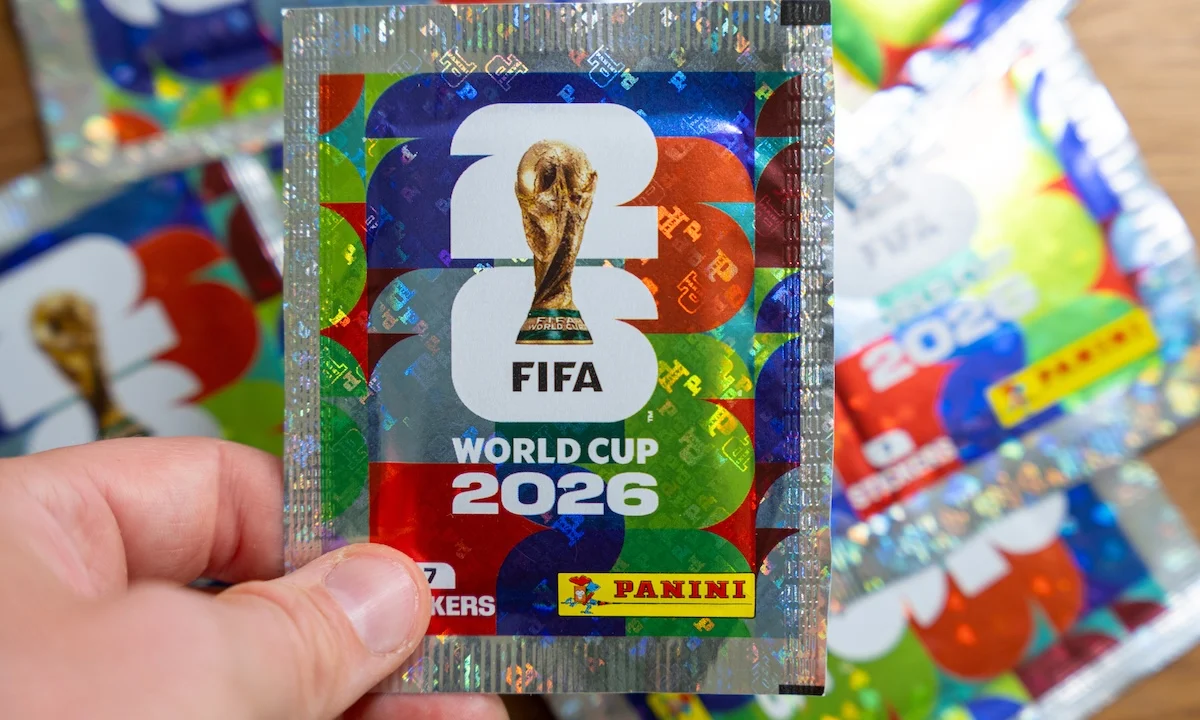
- The Collectibles: Panini sticker packs have faced systemic shortages at major U.K. retailers, including Argos, GAME, Smyths, and Sports Direct.
- The Digital/Physical Hybrid: The official FIFA store has seen consistent sellouts of high-demand items, such as the Americana water bottle and commemorative host-city posters from Atlanta, Dallas, Houston, and Seattle.
- The "Long Tail" of Pets: In perhaps the most bizarre trend of the tournament, the market for pet-related merchandise—ranging from official team jerseys to unofficial gear for hamsters, ducks, and even horses—has exploded. Some vendors are reporting sales of up to 30 pet shirts per day.
The Hospitality Ledger
Hotel revenue data, provided by CoStar and analyzed by Skift, shows a significant discrepancy between occupancy and revenue. While revenue per available room (RevPAR) surged between 24% and 100% in the first three days of matches, this was largely driven by price gouging and dynamic room rate hikes rather than a fundamental increase in room occupancy. In Philadelphia, however, local venues saw a different trend; Midnight & The Wicked reported an 80% to 100% increase in sales compared to the previous year, highlighting that while hotels may struggle with price-sensitive consumers, the experience economy—bars, restaurants, and fan zones—is thriving.
Official Responses and Strategic Pivots
FIFA and local organizing committees have had to navigate a landscape that is far more complex than a standard tournament. The official response to the "uneven" distribution of wealth has been to focus on the "mini economies" created by the 25 base camp communities.
By placing teams in towns that are not hosting matches, FIFA has effectively decentralized the tournament’s footprint. The result is a "spending geyser" rather than a uniform sprinkler system. In Lawrence, Kansas, local leaders reported that the community was "transformed" by the influx of Algerian fans, with local retailers exhausting inventory in record time.
Conversely, the hotel industry has been forced to confront the reality of "travel friction." The June 11 report from Reuters regarding the cooling demand in major U.S. cities served as a wake-up call for the hospitality sector. Many hotels that banked on the World Cup to guarantee record-high occupancy found that high entry prices for matches, coupled with the exorbitant cost of air travel, kept the average international fan away from the most expensive urban centers.
Implications: The Future of Global Sports Commerce
As we look toward the final weeks of the tournament, several key implications emerge for the future of mega-events.
1. The Death of the "One-Size-Fits-All" Model
The 2026 World Cup proves that global events can no longer rely on the prestige of the host city alone. Commerce now requires precision. Cities like Lancaster that utilized data-driven marketing outperformed major metropolitan hubs that relied on the assumption that "if you build it, they will come."
2. The Rise of the "Niche" Consumer
The success of upcycled vintage tops, retro Gap jerseys, and even glitter freckles suggests that the modern soccer fan is seeking a unique, curated experience rather than mass-produced official merchandise. Retailers that can move quickly to capture these micro-trends are seeing the highest margins.
3. The Paws of the Market
The "pet jersey" phenomenon might seem like a humorous footnote, but it signifies a broader trend in fan loyalty: the integration of the World Cup into every facet of the consumer’s lifestyle. When a fan buys a jersey for their dog, they are signaling a level of commitment that transcends the match itself.
4. The Sustainability of Revenue
The most critical takeaway for future hosts is that the World Cup’s economic impact is a "spending geyser." It is powerful, but it is localized and temporary. The cities that are successfully extracting value are those that treated the tournament as a retail platform—a way to build infrastructure for local business, capture data on traveler behavior, and integrate the event into the cultural fabric of the community.
Final Thoughts
As the tournament moves toward its conclusion, the "capitalism of the pitch" is in full swing. We have moved past the group stages of commerce, and the winners are not necessarily those with the largest stadiums, but those with the most agile retail strategies. Whether it is a $39 water bottle, an Algerian tee in Kansas, or a vintage jersey in London, the 2026 World Cup has proven that in the modern global economy, the most successful play is the one that captures the imagination of the fan—no matter where they are watching, or who they are cheering for.