










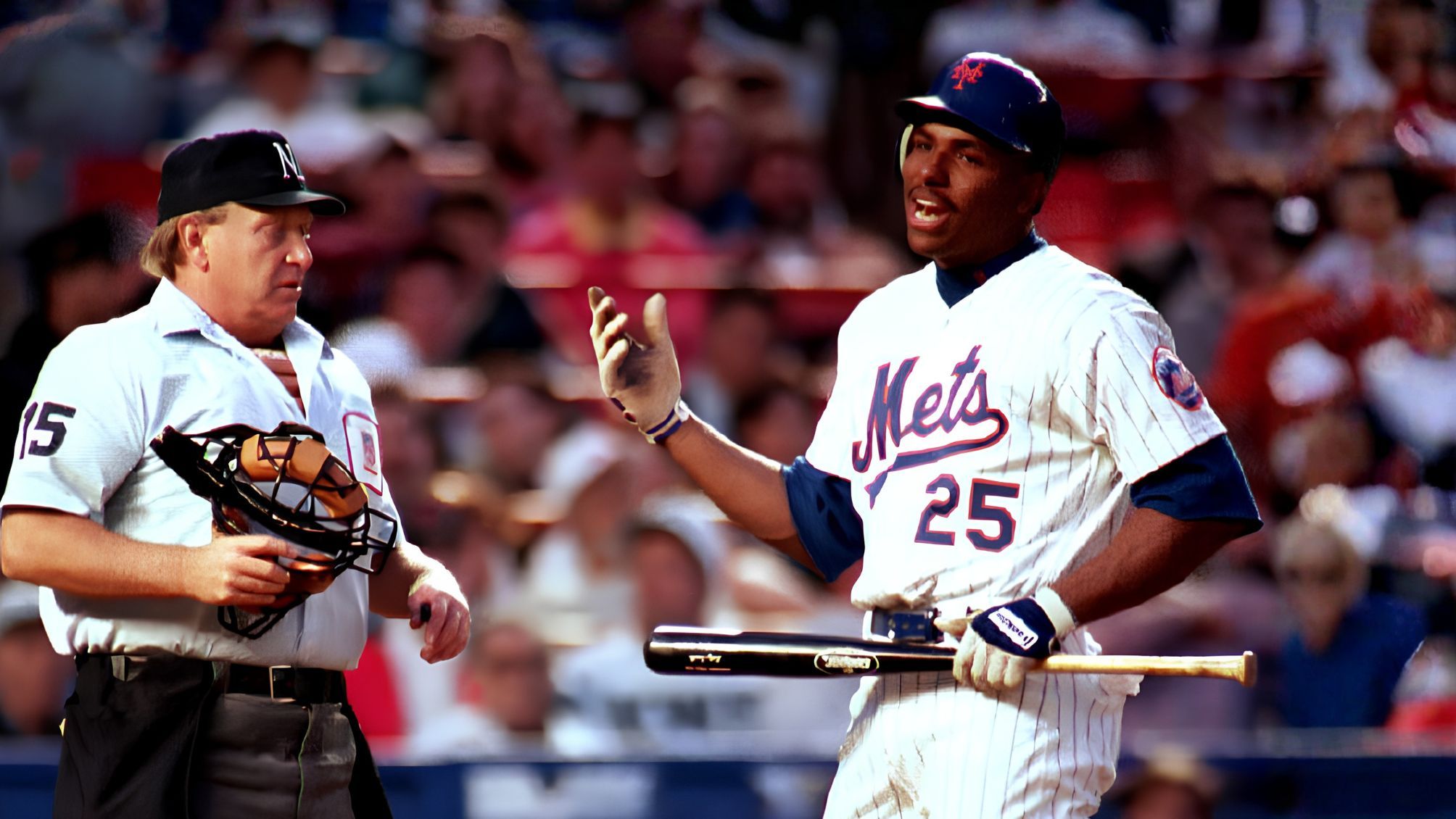
Every July 1, social media feeds are flooded with the same recurring punchline. Baseball fans across the country celebrate "Bobby Bonilla Day," a date that has become a permanent fixture in the sports calendar. It is the day the former New York Mets outfielder receives his annual deferred compensation payment of $1,193,248.20.
While the memes focus on the absurdity of a player still collecting a massive paycheck nearly 25 years after his final game for the franchise, the reality of the situation is far more nuanced. Behind the humor lies a sophisticated financial strategy that serves as a powerful metaphor for the ultimate goal of retirement planning: transforming a lifetime of labor into a sustainable, lifelong income stream.
The Genesis of a Famous Contract: Main Facts
To understand the phenomenon, one must look back to the year 2000. The New York Mets, looking to move on from veteran Bobby Bonilla, faced a difficult financial reality. The team owed the player $5.9 million for the final year of his contract. Rather than paying that lump sum immediately, the Mets’ front office—led by then-general manager Steve Phillips—struck a deal that would become legendary in sports history.
The agreement was simple but mathematically significant: the Mets would defer the $5.9 million payment. In exchange, the team would pay Bonilla $1,193,248.20 annually for 25 years, starting in 2011 and ending in 2035. With an agreed-upon 8% interest rate, the total payout reached approximately $29.8 million.
For the casual observer, it looks like a blunder of epic proportions. For a financial strategist, however, it is a masterclass in the time value of money and the power of structured, long-term cash flow.
A Chronology of the Deal
The trajectory of the Bonilla contract reveals how financial decisions made in one decade can dictate the fiscal landscape of the next three.
- 1999: Bobby Bonilla plays his final season for the New York Mets, struggling with injuries and a difficult relationship with the New York media and fanbase.
- 2000: The Mets and Bonilla agree to the buyout of his contract. The "deferred compensation" structure is officially signed.
- 2001–2010: The "waiting period." During this decade, the Mets held the $5.9 million, operating under the assumption that they could generate returns on that capital exceeding the 8% interest they owed to Bonilla.
- 2011: The first payment is issued on July 1. The memes begin as sports media outlets realize the contract will last until 2035.
- 2025: Now 63, Bonilla continues to receive his annual windfall, serving as a reminder that the "contract that never ends" remains one of the most reliable income streams in professional sports.
- 2035: The final scheduled payment will be made, bringing the multi-decade saga to a close.
The Madoff Connection: Supporting Data and Miscalculation
The primary motivation behind the Mets’ willingness to sign such a deal was their confidence in the investment prowess of Bernie Madoff. The team’s owners, the Wilpon family, had significant capital invested with Madoff, who promised—and seemingly delivered—consistent, high-yield returns.
The math seemed sound at the time: if the Mets could grow their capital at a rate significantly higher than the 8% interest promised to Bonilla, the team would theoretically come out ahead. However, the subsequent collapse of Madoff’s Ponzi scheme stripped away the veil of guaranteed returns.
When the scheme was exposed in 2008, the financial foundation of the Mets’ strategy disintegrated. While the deferred payment plan was initially intended to free up cash for the team to pursue other talent, it eventually became a symbolic weight around the organization’s neck. The "loss" was not necessarily in the contract itself, but in the failure of the underlying investment vehicle that was meant to fund it. This highlights a critical lesson for all investors: the safety and liquidity of your underlying assets are just as important as the interest rate promised.
Official Responses and Public Perception
Over the years, the Mets’ organization has largely remained quiet about the deal, though it has become a subject of frequent critique by sports analysts. Bobby Bonilla, conversely, has leaned into the notoriety. He often acknowledges the date with a sense of humor, recognizing that he managed to secure a financial future that many professional athletes struggle to maintain after their playing days conclude.
The public reaction has evolved from shock to admiration. What was once seen as a "worst contract in sports" is now frequently cited as one of the smartest financial moves ever made by an athlete. In a league where career longevity is rarely guaranteed, Bonilla secured a level of financial security that persists well into his retirement.
Implications for the Everyday Investor
While most individuals will never negotiate a multimillion-dollar sports contract, the principles behind Bobby Bonilla’s annual check are highly relevant to anyone planning for their golden years.
1. The Power of Deferred Income
The core concept of deferred compensation is delaying the receipt of money today to ensure liquidity in the future. This is the bedrock of retirement accounts like 401(k)s and IRAs. By contributing a portion of your current salary into tax-advantaged vehicles, you are essentially "deferring" your compensation, allowing it to grow over time and providing yourself with a "paycheck" once your working years cease.
2. Replacing the Paycheck
Retirement is fundamentally the act of replacing a salary with a portfolio. When your employer stops direct depositing your wages, you become the manager of your own financial ecosystem. Whether that involves Social Security, pensions, dividends, or rental income, the goal is to create a reliable, recurring flow of cash. Bonilla’s contract is simply a high-profile example of a "fixed income" stream, similar to a life annuity or a bond ladder.

3. Risk Management and Diversification
The failure of the Mets’ investment strategy serves as a cautionary tale against "chasing yield" or relying on a single, opaque investment vehicle. Diversification is the only "free lunch" in finance. By spreading risk across various asset classes—equities, fixed income, real estate, and cash equivalents—you ensure that the failure of one "Madoff-style" investment does not derail your entire retirement plan.
4. The Discipline of Long-Term Thinking
Most financial failure in retirement stems from the need for immediate gratification. Bobby Bonilla had to wait 11 years before he saw the first penny of that deferred $5.9 million. That level of patience is rare. The most successful retirees are those who resist the urge to liquidate their assets prematurely, allowing the magic of compound interest to build a foundation that can sustain them for decades.
Crafting Your Own "Bobby Bonilla Day"
You may not have a major league baseball contract, but you can build a personal financial structure that provides similar security.
- Maximize Social Security: By timing your benefits correctly, you create your own "guaranteed" annuity that lasts for the rest of your life.
- Utilize Annuities and Pensions: If you have access to a pension, understand its payout structure. If you lack one, consider how annuities or dividend-producing stocks can mimic that steady cash flow.
- Structured Withdrawals: Adopt a "safe withdrawal rate" strategy (such as the 4% rule) to ensure that your portfolio lasts as long as you do.
- Tax Efficiency: Just as Bonilla’s contract was structured for specific tax benefits, you should look at how your own income is taxed in retirement, utilizing Roth accounts or tax-deferred vehicles to maximize your take-home pay.
Conclusion: A Lesson in Longevity
Bobby Bonilla Day is more than just a meme; it is a testament to the importance of planning. While the sports world laughs at the Mets for a deal that turned out to be more expensive than anticipated, the underlying financial structure remains a model for how to secure one’s future.
As you look at your own savings, remember that the goal is not to win a single season, but to win the entire game of retirement. It requires patience, a diversified strategy, and the wisdom to prioritize long-term, reliable income over the allure of short-term gains.
So, on the next July 1, as the internet celebrates the man who keeps getting paid, take a moment to look at your own portfolio. The best way to ensure your "retirement day" is as successful as Bobby’s is to start building your own stream of income today—because, unlike a baseball contract, your retirement plan is one deal you definitely don’t want to get wrong.