








In a move that has sent shockwaves through the international travel and cruise industry, Turkish authorities have officially blocked a Virgin Voyages cruise, chartered by the LGBTQ+-focused travel company Atlantis Events, from docking at its ports. The decision, delivered at the eleventh hour, has been justified by the Turkish government under the banners of "moral standards" and "family values."
This incident marks a significant escalation in the intersection of international tourism, state sovereignty, and human rights. While global travel is often governed by complex geopolitical relations, the outright refusal to allow a commercial vessel to dock based solely on the perceived identity and nature of its passengers is an event without modern precedent in the cruise industry.
The Chronology of the Crisis
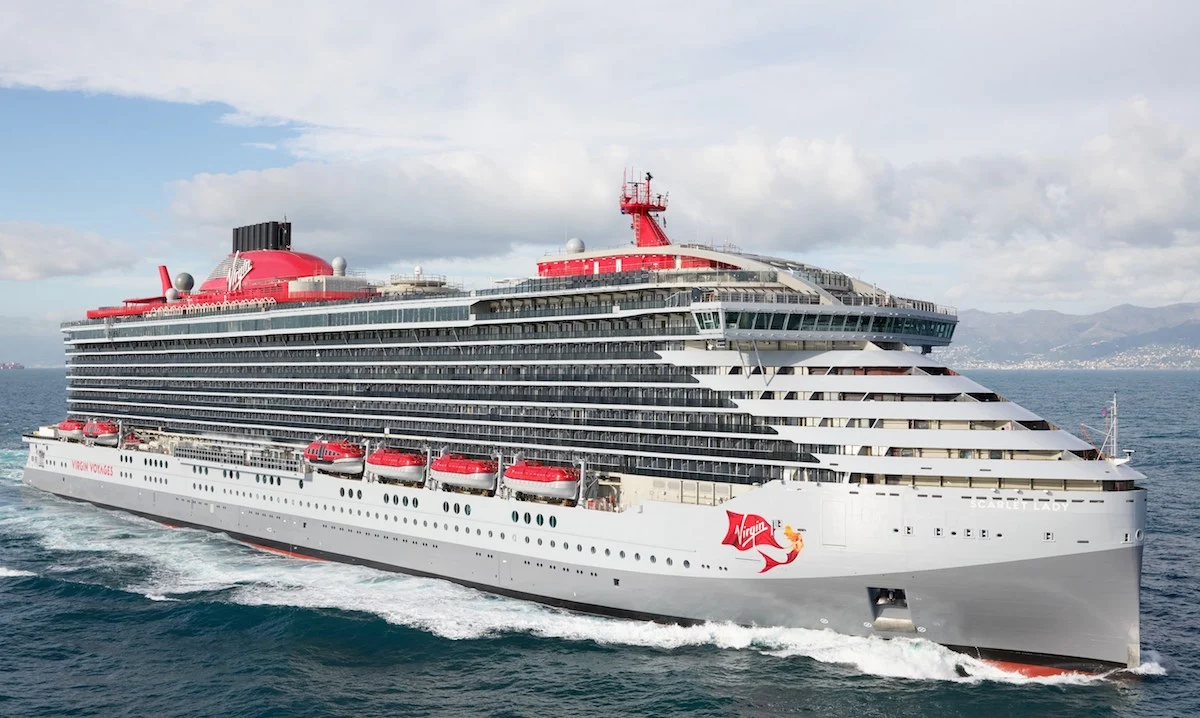
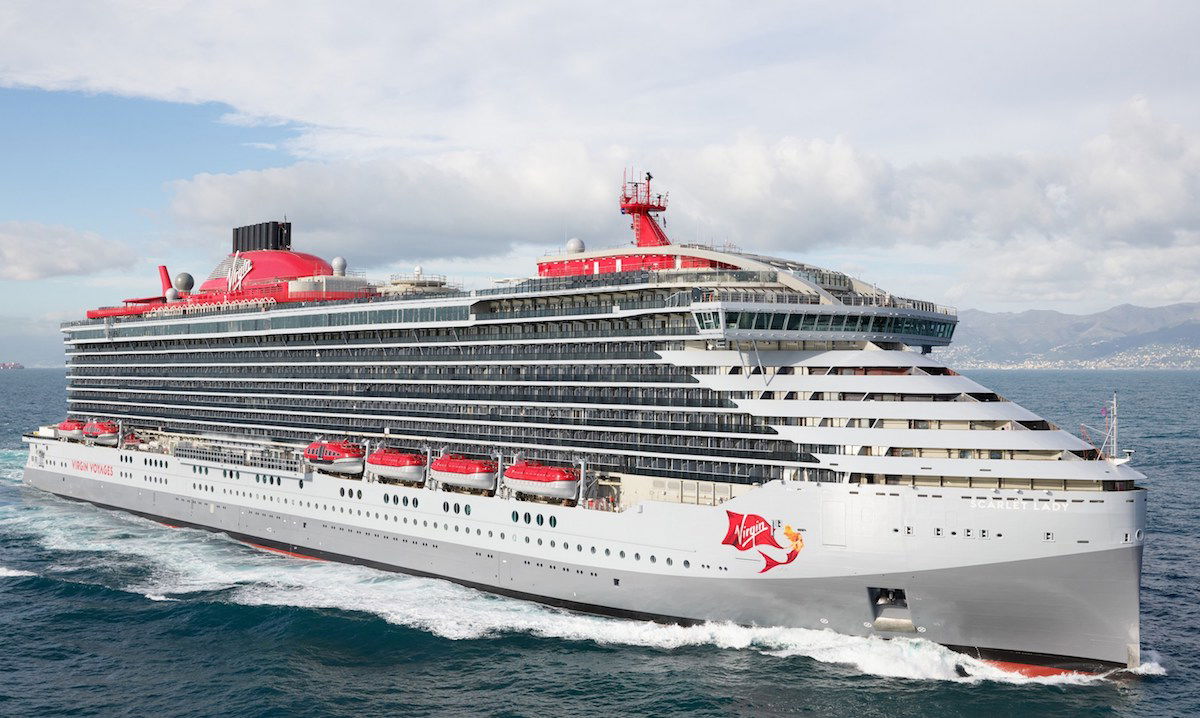
The journey, a highly anticipated 10-night excursion aboard the Scarlet Lady, was slated to depart from Athens on July 5, 2026, traversing the Mediterranean with stops in Greece, Turkey, and Croatia, before concluding in Venice, Italy. The voyage was designed to host approximately 1,900 guests, a significant majority of whom (1,100) are traveling from the United States.
The itinerary specifically included scheduled stops in Kusadasi on July 7 and the iconic city of Istanbul on July 8. However, as the departure date approached, the Turkish government abruptly intervened.
According to reports, officials in Ankara issued a directive barring the Scarlet Lady from entering Turkish territorial waters or docking at its ports. The government’s justification rested on the claim that the vessel, having been chartered by an organization primarily catering to the LGBTQ+ community, was "known for behaviors incompatible with the fabric of our society and our moral values."
Following the rejection, Atlantis Events was forced to scramble to reorganize the itinerary. In a controversial adjustment, the cruise line announced that the ship would instead dock in Alexandria, Egypt, for a day, offering excursions to Cairo, alongside a stop in Heraklion, Greece. The pivot to Egypt has been met with skepticism by industry analysts, noting that Egypt’s own human rights record regarding LGBTQ+ individuals is arguably as restrictive, if not more so, than that of Turkey.
The Official Stance and Human Rights Implications
The rhetoric used by Turkish authorities reflects a broader, years-long shift in the country’s domestic policy. Under the administration of President Recep Tayyip Erdoğan, Turkey has trended toward an increasingly conservative, nationalist, and religious social agenda. The targeting of this cruise is consistent with a wider pattern of crackdowns on Pride marches, the shuttering of LGBTQ+ venues, and rhetoric that labels diverse gender and sexual identities as "foreign" or "corrupting" influences.
Rich Campbell, CEO of Atlantis Events, expressed profound frustration with the decision. In a statement to stakeholders, he noted, "This is the first time in our 36-year history that we have been actively told we may not berth at a port because of who we are."
The implications of this move are far-reaching. By conflating the presence of a private, chartered vessel with a violation of "moral standards," the Turkish government has signaled that international commercial entities—and the passengers they carry—are no longer immune to the country’s domestic cultural wars.
Supporting Data: A Shifting Landscape for Global Tourism
To understand the magnitude of this event, one must look at the standard practices of the global cruise industry. Typically, cruise lines operate under the laws of the country where the ship is flagged (often known as "flags of convenience"). While countries have vastly different legal frameworks—from strict prohibitions on same-sex activity to progressive equality laws—it is rare for a sovereign nation to deny entry to a commercial vessel based on the passenger demographic.
Even in regions known for severe anti-LGBTQ+ laws, tourism boards often adopt a "don’t ask, don’t tell" policy to protect revenue. For instance, Saudi Arabia, a country with significant legal restrictions on LGBTQ+ expression, explicitly states on its tourism portal: "Everyone is welcome to visit Saudi Arabia and visitors are not asked to disclose such personal details."
The Turkish government’s decision to deviate from this "pragmatic" approach to tourism suggests that the current administration is prioritizing ideological signaling over economic interests. The loss of a cruise ship with 1,900 high-spending international guests is a direct economic blow to the ports of Kusadasi and Istanbul, yet the government deemed the symbolic victory of "defending moral values" to be of greater importance.
The "Floating Venue" Dilemma
A central point of contention in this controversy is the legal and physical definition of a cruise ship while in port. When a ship docks, it is technically an extension of the sovereign territory of the country it visits, yet it remains a private space with its own onboard culture.
Critics of the ban argue that the ship acts as a private, international venue. However, the Turkish government appears to view the Scarlet Lady not as a neutral vessel, but as a "floating event" that threatens to export "incompatible" behaviors onto its soil. By banning the ship, the government is essentially applying its domestic censorship and morality laws to a foreign-flagged vessel, setting a precarious precedent for how other countries might handle private events or groups that they deem ideologically objectionable.
The Broader Impact on the Cruise Industry
The cruise industry relies on stability and predictability. Cruise lines like Virgin Voyages invest millions in port infrastructure, shore excursions, and fuel logistics. When a destination suddenly becomes "off-limits" due to the identity of the passengers, it creates a logistical nightmare for operators.
For Virgin Voyages, this incident presents a delicate public relations challenge. The brand prides itself on inclusivity, openness, and a modern, "fun-first" atmosphere. Being caught in the middle of a geopolitical clash involving human rights and religious conservatism forces the company to balance its commitment to its charter partners against the necessity of maintaining safe and profitable routes.
Furthermore, this event may force other cruise operators to reconsider their itineraries in the Eastern Mediterranean. If countries like Turkey continue to weaponize port access as a tool of moral policing, the region may become less attractive to the high-value, niche cruise market. This could lead to a significant decline in revenue for local businesses that rely on the influx of tourists, from tour operators to souvenir merchants.
Conclusion: A Precedent for Exclusion
The decision by Turkey to block the Atlantis Events cruise is a sobering reminder that the global travel landscape is not a monolith of liberal values. As countries become more polarized, the freedom of movement for specific groups may become increasingly contingent on the political climate of the destination.
While this may be the first time in 36 years that Atlantis Events has faced such a direct prohibition, it is unlikely to be the last instance of a cruise line being forced to navigate the choppy waters of international culture wars. For now, the passengers of the Scarlet Lady will continue their journey, albeit with a significantly altered itinerary and a stark reminder that in an increasingly divided world, the right to travel—and to be oneself—is far from universal.
As the industry moves forward, the question remains: will other nations follow Turkey’s lead, or will they recognize that the economic benefits of international tourism require a level of tolerance that transcends domestic ideological grievances? The future of global travel may depend on the answer.