









Every spring, millions of Americans engage in the annual ritual of tax filing, often culminating in the receipt of a federal tax refund. For many, this lump sum—averaging approximately $3,000 according to Internal Revenue Service (IRS) data—is viewed as "found money," frequently earmarked for vacations, electronics, or luxury purchases. However, for those navigating the complexities of credit repair and financial recovery, the tax refund represents something far more valuable: a strategic lever to accelerate credit score improvement and long-term fiscal stability.
In an era of fluctuating interest rates and tightening credit markets, a consumer’s credit profile is their most significant financial asset. This report explores how to transform a seasonal windfall into a permanent improvement in credit standing, examining the mechanics of credit scoring, the data behind debt reduction, and the expert-recommended strategies for maximizing every dollar of a tax refund.
Main Facts: The Intersection of Tax Refunds and Credit Health
The fundamental principle of credit repair is the strategic allocation of capital to address the specific metrics that determine a credit score. For the average American taxpayer, the refund provides a unique opportunity to address two of the most influential factors in the FICO® scoring model: payment history and credit utilization.
The Power of the Refund
According to the IRS, the average tax refund in recent years has fluctuated between $2,800 and $3,200. While this may seem modest compared to total household debt, its impact is magnified when applied to credit-specific pain points.
Key Credit Factors
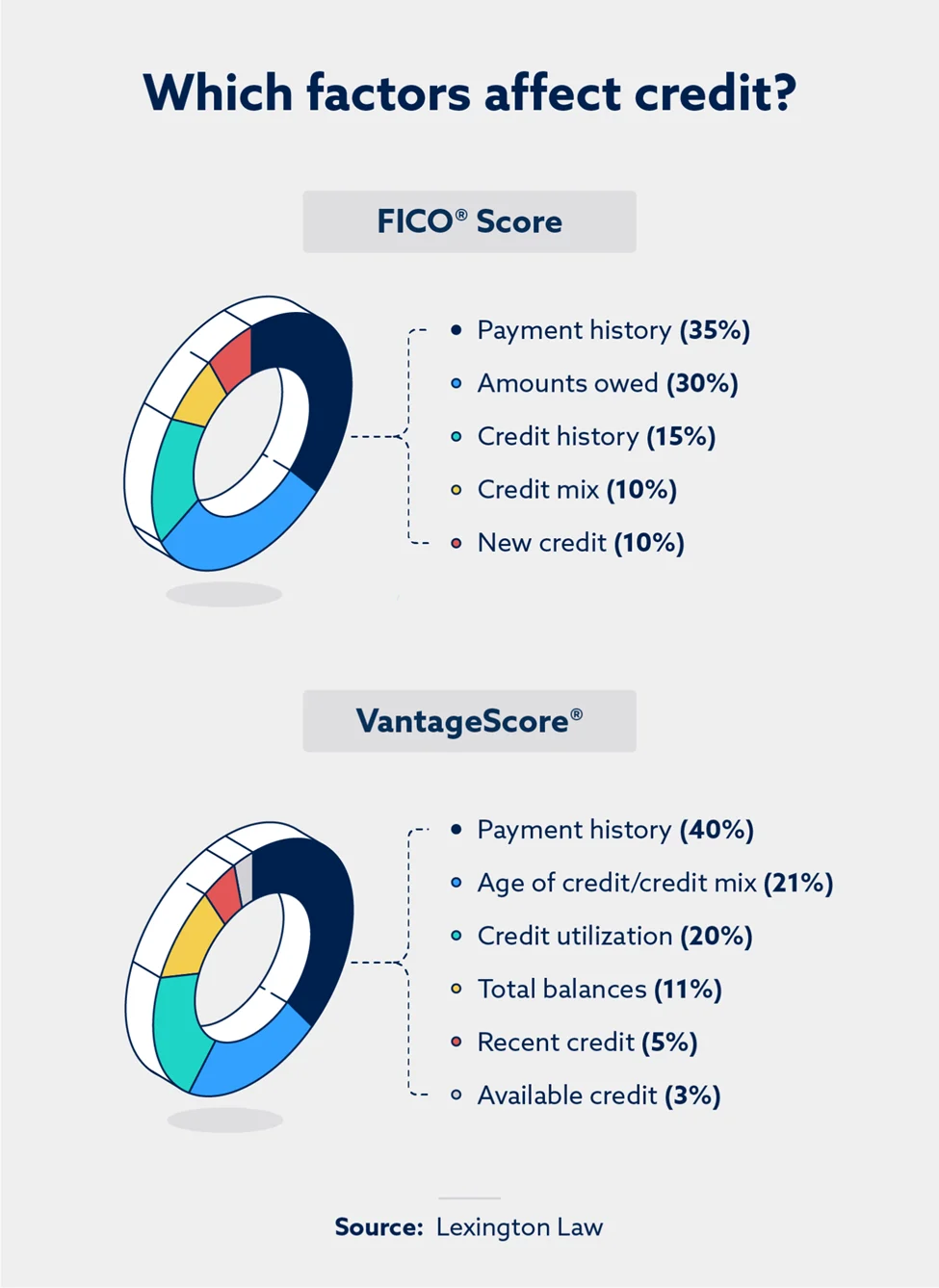
To understand why the refund is so potent, one must look at the FICO® score composition:
- Payment History (35%): The single largest factor. Bringing past-due accounts current is the fastest way to stop the bleeding of a declining score.
- Amounts Owed/Credit Utilization (30%): This measures how much of your available credit you are using. High balances relative to limits signal risk to lenders.
By targeting these two categories, a consumer can influence 65% of their total credit score. The tax refund provides the liquid capital necessary to make these adjustments without disrupting the monthly household budget.
Chronology: The Lifecycle of a Strategic Tax Refund
The process of using a tax refund for credit repair is not a single event but a chronological sequence that begins months before the check arrives.

Phase 1: The Pre-Filing Audit (January – February)
Before filing, savvy consumers conduct a thorough review of their credit reports from the three major bureaus—Equifax, Experian, and TransUnion. This "pre-filing audit" allows the individual to identify which accounts are most detrimental to their score. During this phase, the consumer categorizes debts into three buckets: past-due accounts, high-utilization credit cards, and collections.
Phase 2: The Filing and Allocation Strategy (February – March)
As the tax return is prepared, the consumer identifies the exact refund amount. Rather than waiting for the money to hit the bank account, a "Strategic Allocation Plan" is developed. This involves prioritizing debts not by interest rate alone (the "Avalanche Method"), but by credit score impact. For example, paying down a credit card that is at 95% utilization may be prioritized over a low-interest personal loan that is in good standing.
Phase 3: The Execution Window (April – May)
Once the refund is deposited, the execution must be swift. This phase involves negotiating with creditors for "pay-for-delete" agreements (where applicable) or simply making bulk payments to drop utilization ratios below the recommended 30% threshold.
Phase 4: The Monitoring Period (June – August)
Credit scores do not update instantly. It typically takes 30 to 60 days for creditors to report new balances to the bureaus. During this period, the consumer monitors their report to ensure the payments are reflected accurately, initiating disputes if the data remains outdated.
Supporting Data: The Mathematics of Credit Improvement
To appreciate the impact of a $3,000 refund, one must look at the empirical data regarding credit utilization and interest savings.
The Utilization Thresholds
Data from FICO® suggests that "High Achievers" (those with scores above 800) typically maintain a credit utilization ratio of less than 7%. For a consumer with a $5,000 total credit limit across three cards, being "maxed out" (90% utilization or $4,500 debt) can suppress a score by 50 to 100 points.
Using a $3,000 refund to pay that balance down to $1,500 shifts the utilization from 90% to 30%. In many scoring simulations, this single move can result in a rapid score increase of 40 to 80 points within two billing cycles.

The Cost of Delay
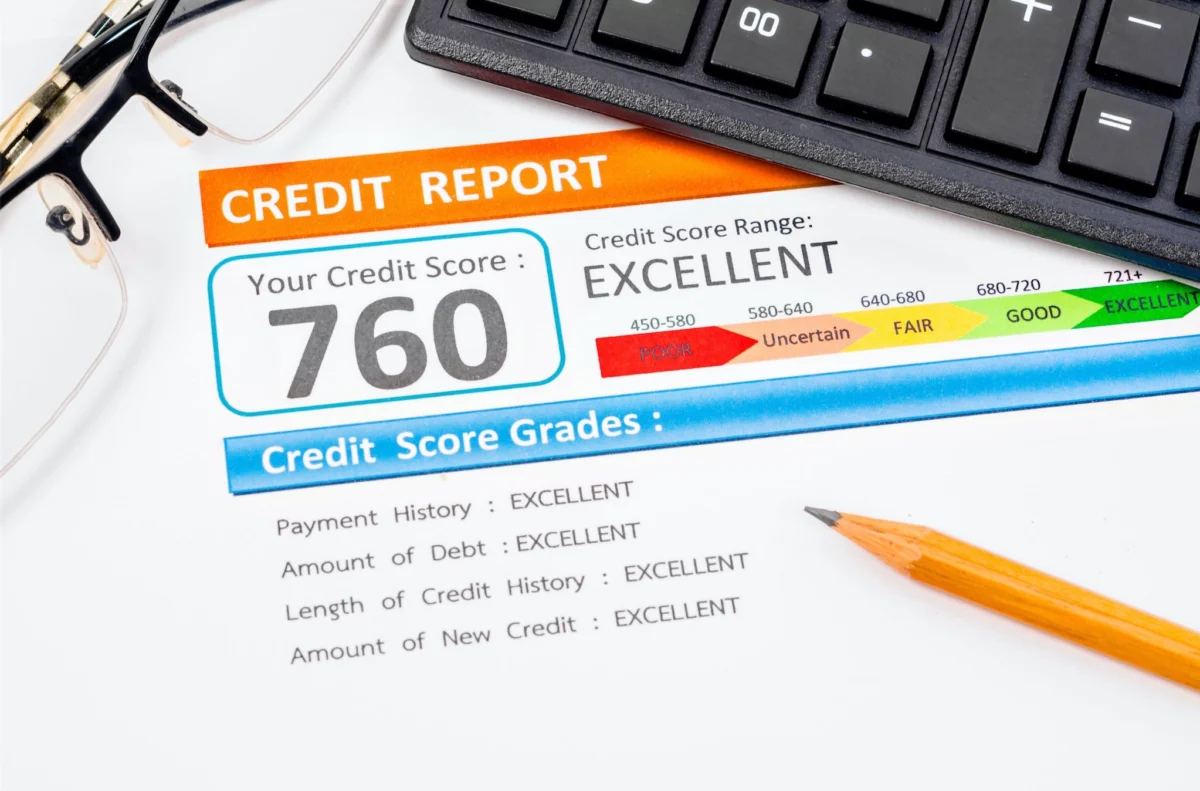
The financial implications of credit repair extend beyond the score itself. Consider a consumer with a "Fair" credit score (640) looking to purchase a $30,000 vehicle. At 640, their interest rate might be 12%. By using a tax refund to boost their score to "Good" (700), they might qualify for a 6% rate. Over a 60-month loan, this 6-point score increase saves the consumer over $5,000 in interest—effectively doubling the value of the original tax refund.
Emergency Fund Statistics
The Federal Reserve has frequently noted that a significant percentage of Americans cannot cover a $400 emergency expense with cash. This lack of liquidity is a primary driver of credit damage; when a car breaks down or a medical bill arrives, consumers are forced to use high-interest credit or miss payments. Allocating even $1,000 of a tax refund to an emergency fund acts as "credit insurance," preventing future derogatory marks.
Official Responses and Expert Perspectives
Financial advisors and credit experts emphasize that while a tax refund is a powerful tool, it must be used within the framework of consumer rights and disciplined financial habits.
The Regulatory Perspective
The Consumer Financial Protection Bureau (CFPB) emphasizes the importance of accuracy in credit reporting. Experts from firms like Lexington Law point out that paying down debt is only half the battle. If a credit report contains inaccuracies—such as late payments that were actually on time or accounts that don’t belong to the consumer—even a large tax refund won’t fix the underlying score suppression. The official recommendation is to pair debt repayment with a formal credit repair process to ensure the report is a fair and accurate representation of the consumer’s behavior.
The "Windfall Psychology" Challenge
Behavioral economists often warn against "mental accounting," where consumers treat a tax refund differently than their monthly paycheck. "Because the refund feels like a bonus, the temptation to spend it on ‘wants’ rather than ‘needs’ is neurologically higher," says one financial analyst. Expert advice suggests automating the refund deposit directly into a savings or debt-payment account to bypass the psychological urge to splurge.
Creditor Negotiations
Experts also suggest that the arrival of tax season is a time when many collection agencies are more willing to settle. They know consumers have liquid cash. A consumer might be able to settle a $2,000 old debt for $1,000 by offering a "lump-sum settlement" from their refund. However, experts caution that consumers should always get settlement agreements in writing before sending funds to ensure the account is marked as "paid in full" or "settled."
Implications: The Long-Term Benefits of Strategic Allocation
The decision to use a tax refund for credit repair has implications that ripple through a consumer’s entire financial life.

1. Reduced Cost of Capital
A higher credit score lowers the cost of borrowing for everything from mortgages to credit cards. Over a lifetime, the difference between "Poor" credit and "Excellent" credit can amount to over $200,000 in interest savings. The tax refund is often the initial "seed money" that starts this upward trajectory.
2. Improved Employment and Housing Prospects
In many states, employers and landlords are permitted to check a version of a candidate’s credit report. A tax refund used to clear old judgments or bring accounts current can be the difference between securing a high-paying job or a preferred rental home and being rejected based on financial "red flags."
3. Psychological Relief and Financial Momentum
Debt is a significant source of stress. The act of using a refund to eliminate a persistent debt provides a psychological "win" that can catalyze better spending habits. Once a consumer sees their credit score jump after a strategic payment, they are more likely to maintain the discipline required to keep it there.
4. Breaking the Cycle of High-Interest Lending
Consumers with low credit scores are often relegated to "subprime" lenders, payday loans, and high-fee products. By using a tax refund to move into a higher credit tier, individuals gain access to mainstream banking products, effectively "firing" the high-interest lenders that keep them in a cycle of poverty.
The Bottom Line
A tax refund is more than a seasonal check; it is a strategic asset. By focusing on credit utilization, catching up on past-due accounts, and establishing an emergency fund, taxpayers can transform a one-time windfall into a permanent foundation for financial freedom. As the credit landscape continues to evolve, the ability to self-fund one’s own credit recovery remains one of the most effective paths to long-term economic mobility.
Editorial Note: This article provides general information and does not constitute legal or financial advice. For specific guidance on credit repair or tax strategies, consumers should consult with qualified professionals.